
Creative Business
The 8 Best Pitch Deck Tools for Directors 2026
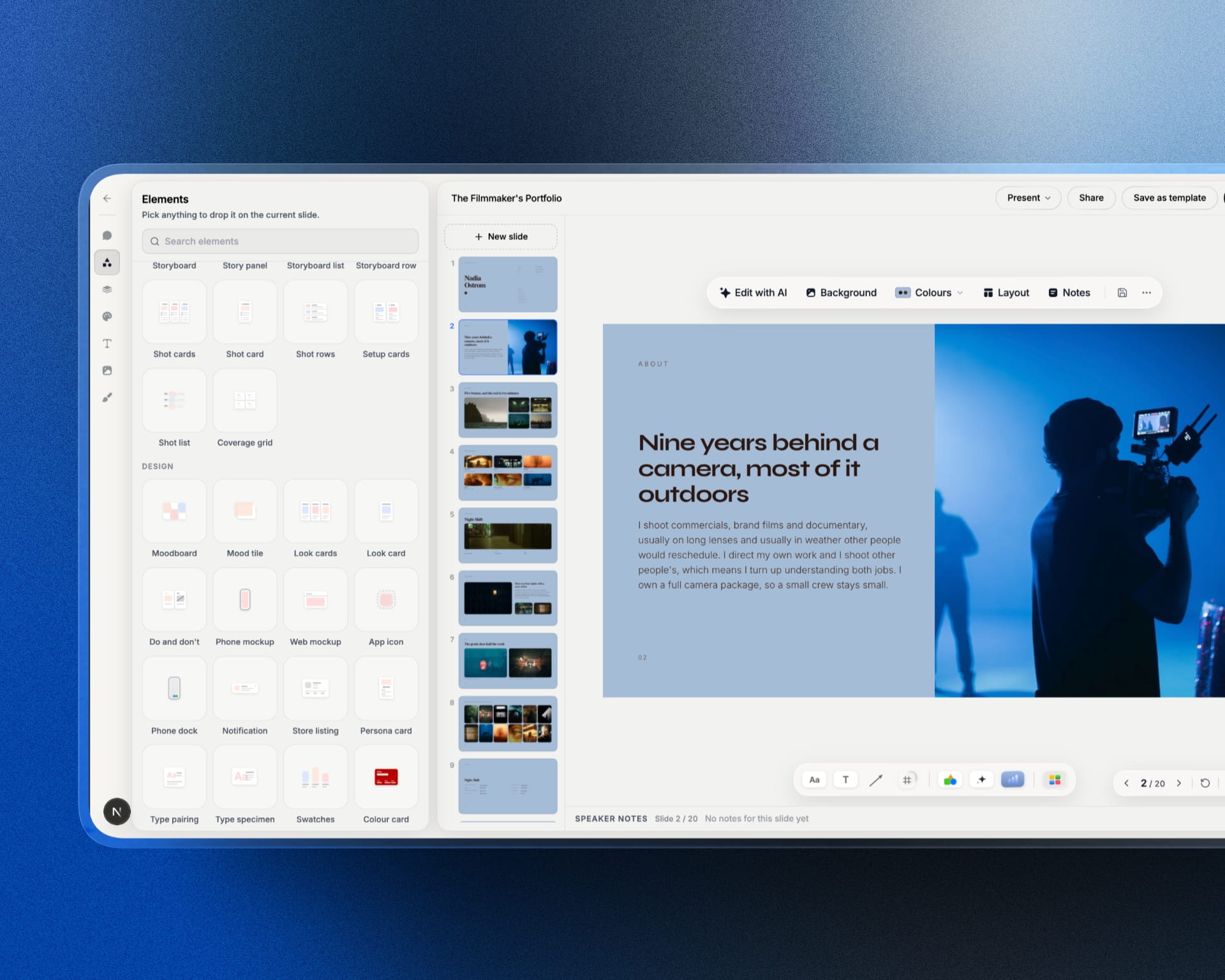
A treatment argues how. A pitch deck argues why anyone should pay for it. We built the same twenty-page feature financing deck in eight tools.
13 min read
CATEGORY
Grow your creative career and business
A treatment argues how. A pitch deck argues why anyone should pay for it. We built the same twenty-page feature financing deck in eight tools.
Treatment software is the one category where filmmakers lose jobs to a file format. We built the same twelve-page commercial treatment in nine tools.
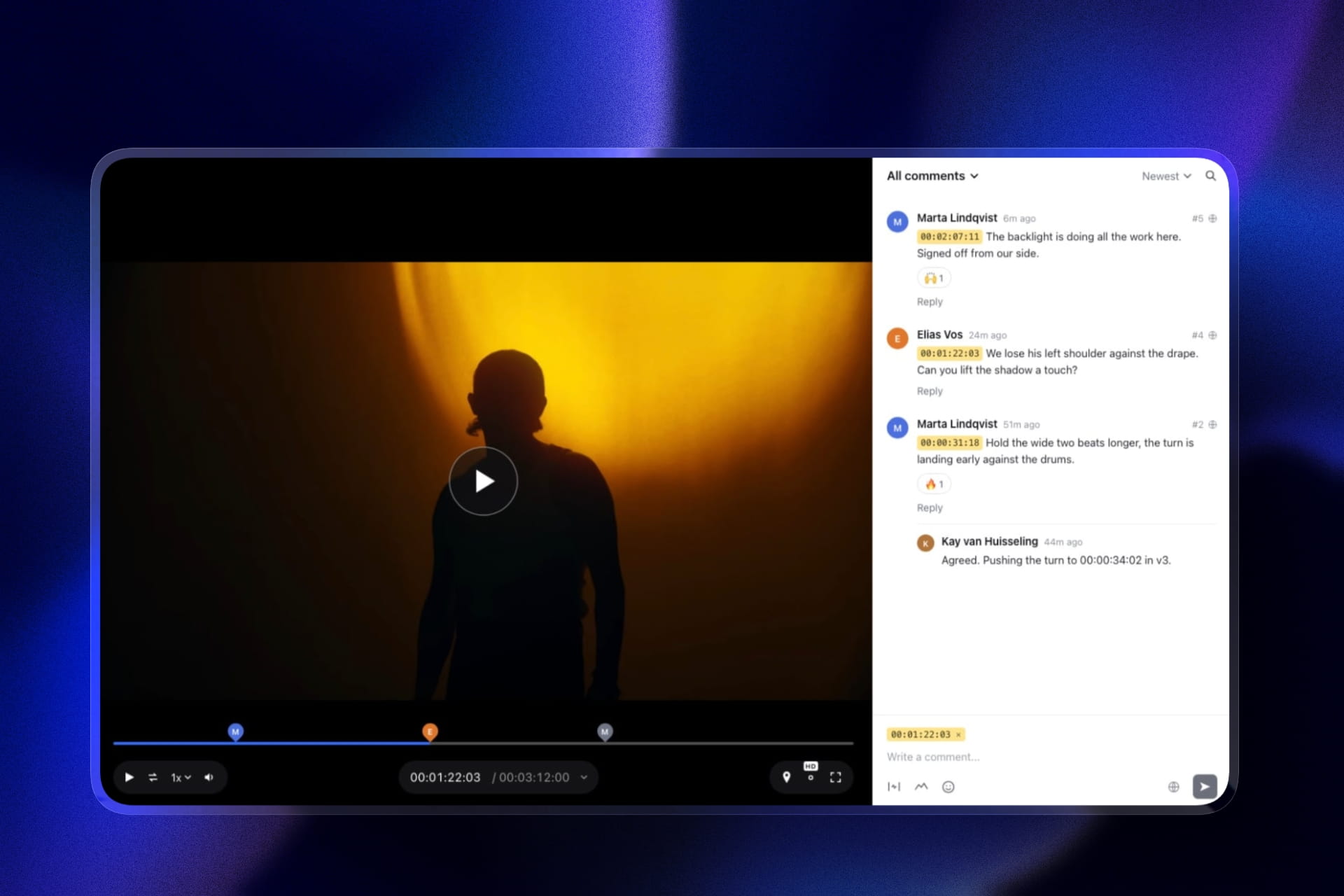
Filmmakers get sold review tools built for marketing teams. A director needs one thing: a note attached to a frame. We tested seven on real footage.
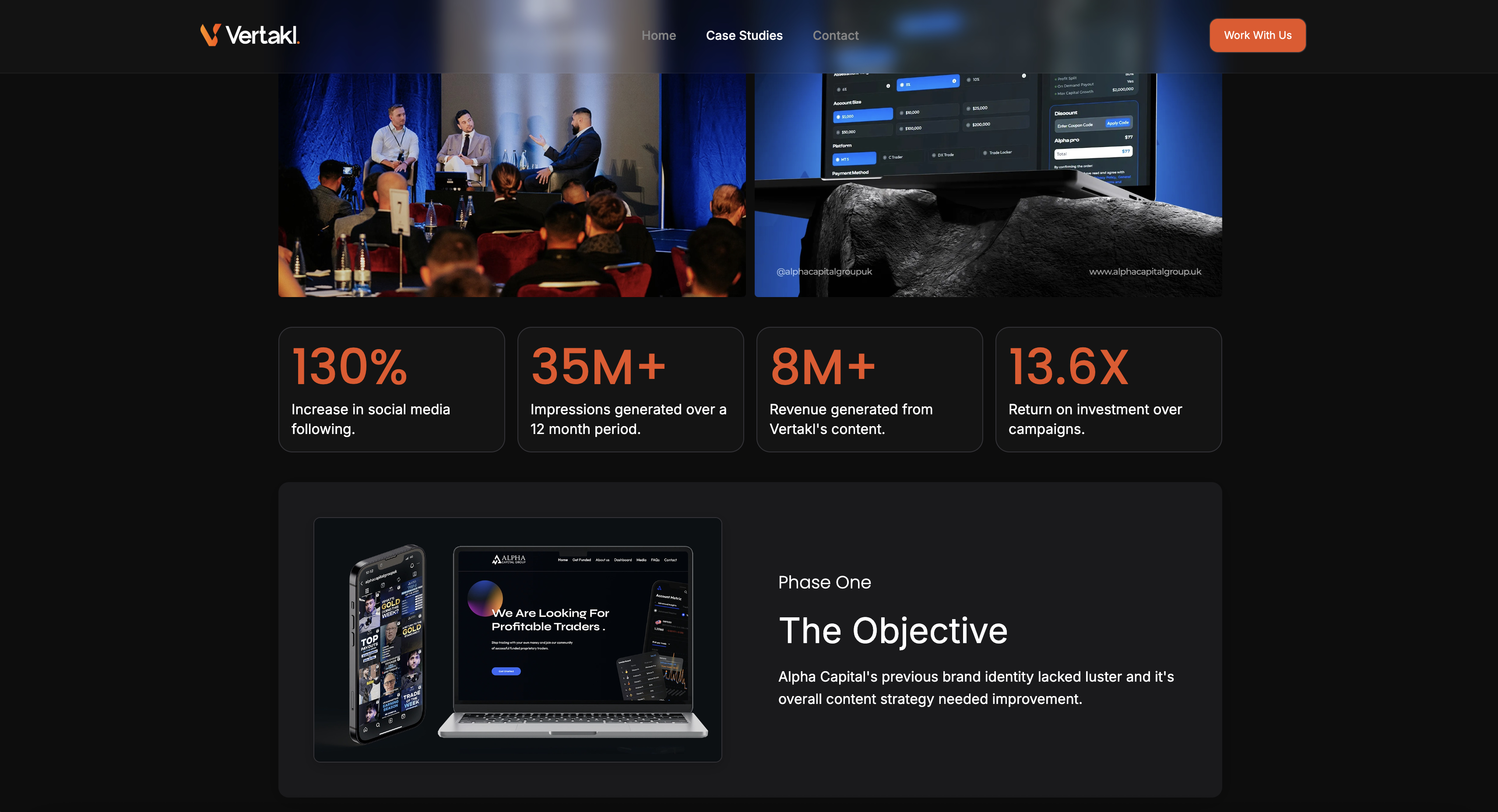
A one-person studio has the same list of jobs as a twenty-person one. The difference is there is nobody to hand any of it to, and the tools should reflect that.
The creator economy runs on percentages, and most creators do not notice until nine percent of $3,000 a month turns out to be a used car.
Nobody chooses to pay for five creative subscriptions. Here is the twenty-minute audit, the pair that always overlaps, and the three things never to consolidate.
Most creatives treat client sharing as a file transfer problem. It is a first-impression problem, and four decisions settle it before any tool does.
Nobody loses money on the work. They lose it on round four, and almost always because nobody defined what a round was before the first one started.

Most filmmakers spend eleven weeks on the edit and nine seconds on the delivery. It is the most-forwarded thing you make, and it should have your name on it.
PicDrop is for choosing and we are for handing over. They sit at different hours of the same job, which is why the answer is usually both.
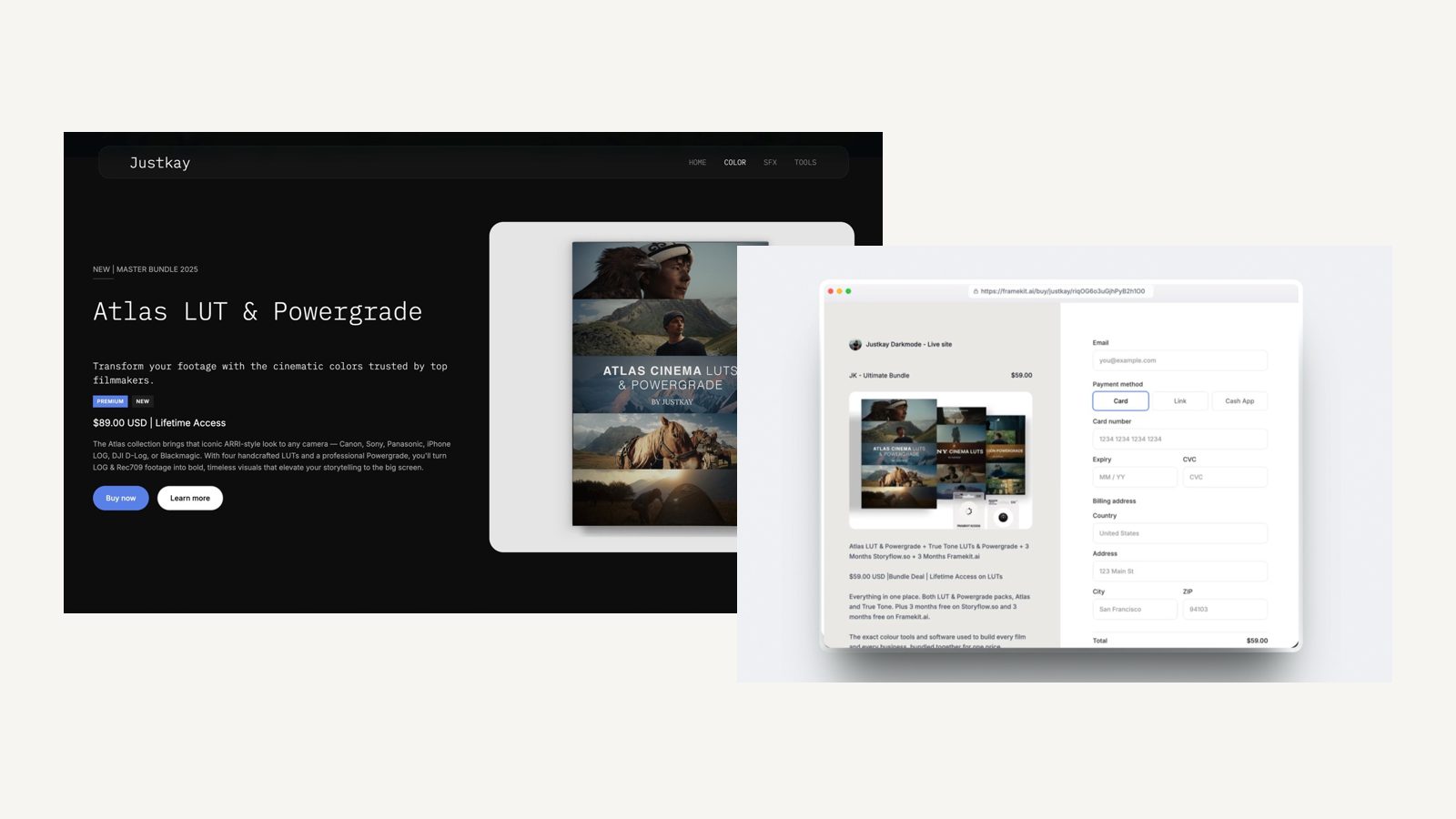
If what you sell is a course, stop reading and buy Podia. If it is a file, reaching zero commission costs less than half as much here.
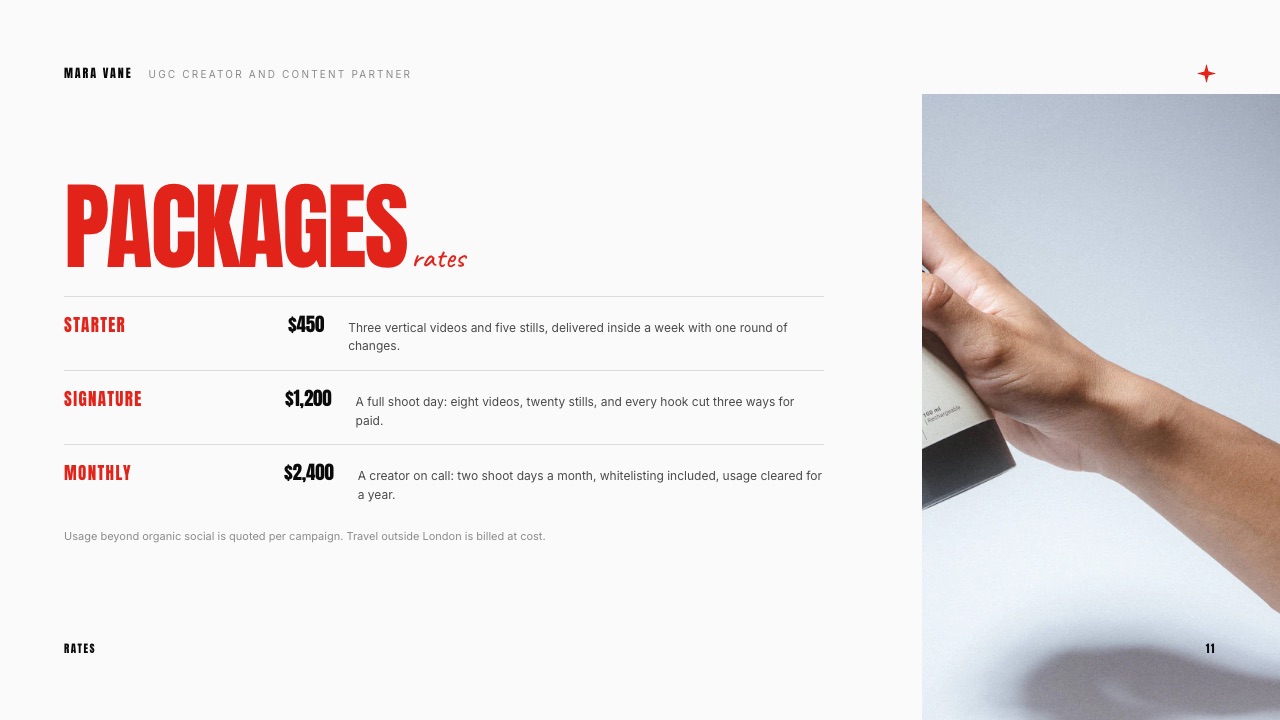
Beacons reaches zero commission for less than we do, and that belongs near the top. What it cannot do is be the portfolio a client hires you from.
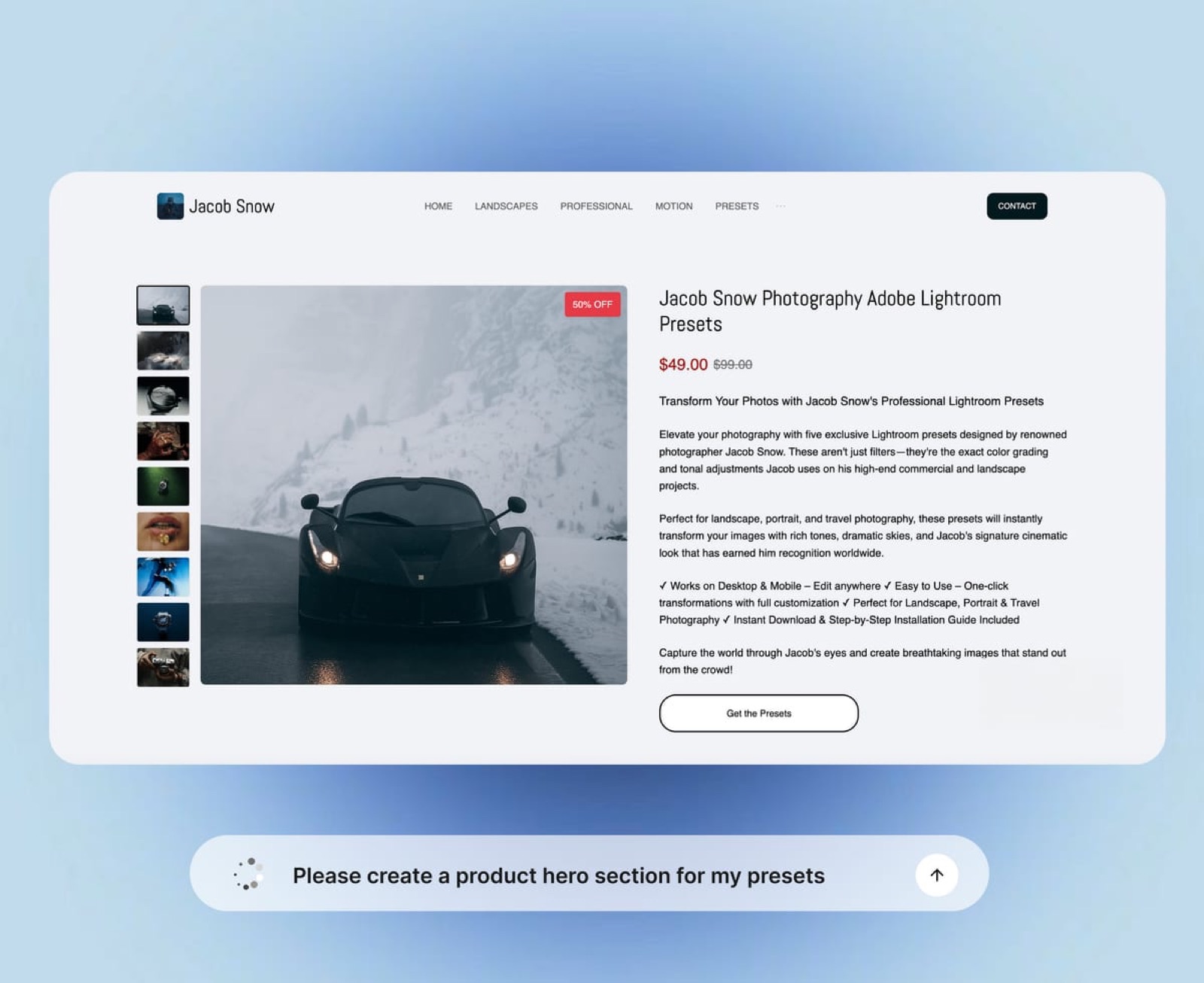
Both platforms publish their fees plainly and both start at 5 percent. The difference is what it costs to reach zero, and it is $39 against $99.
Both put eight links on a page in ten minutes. Only one takes 9 percent when someone buys something, and no cheap tier removes it.
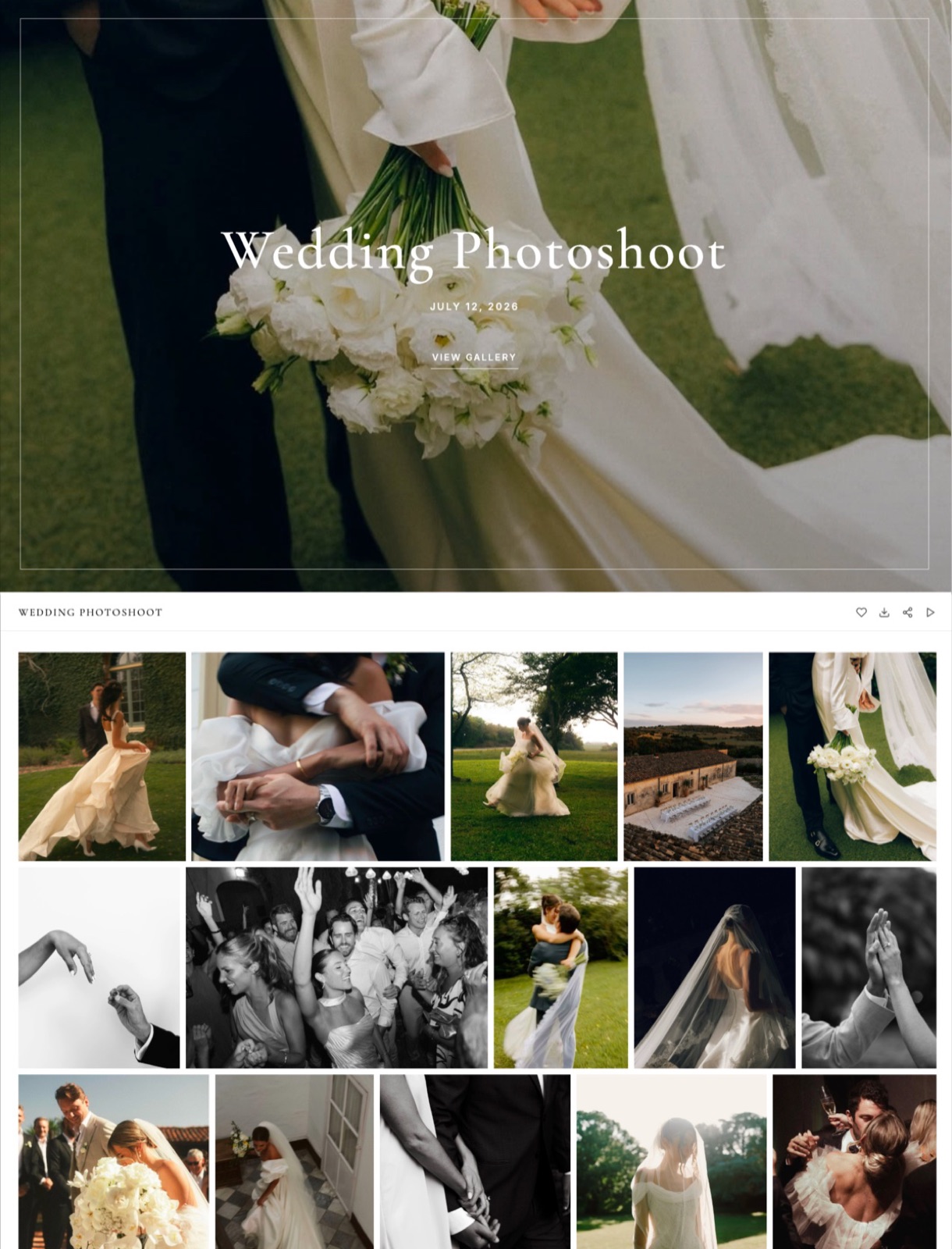
One is archive infrastructure for organisations that license images. The other is a website with delivery attached. One question about your revenue settles it.
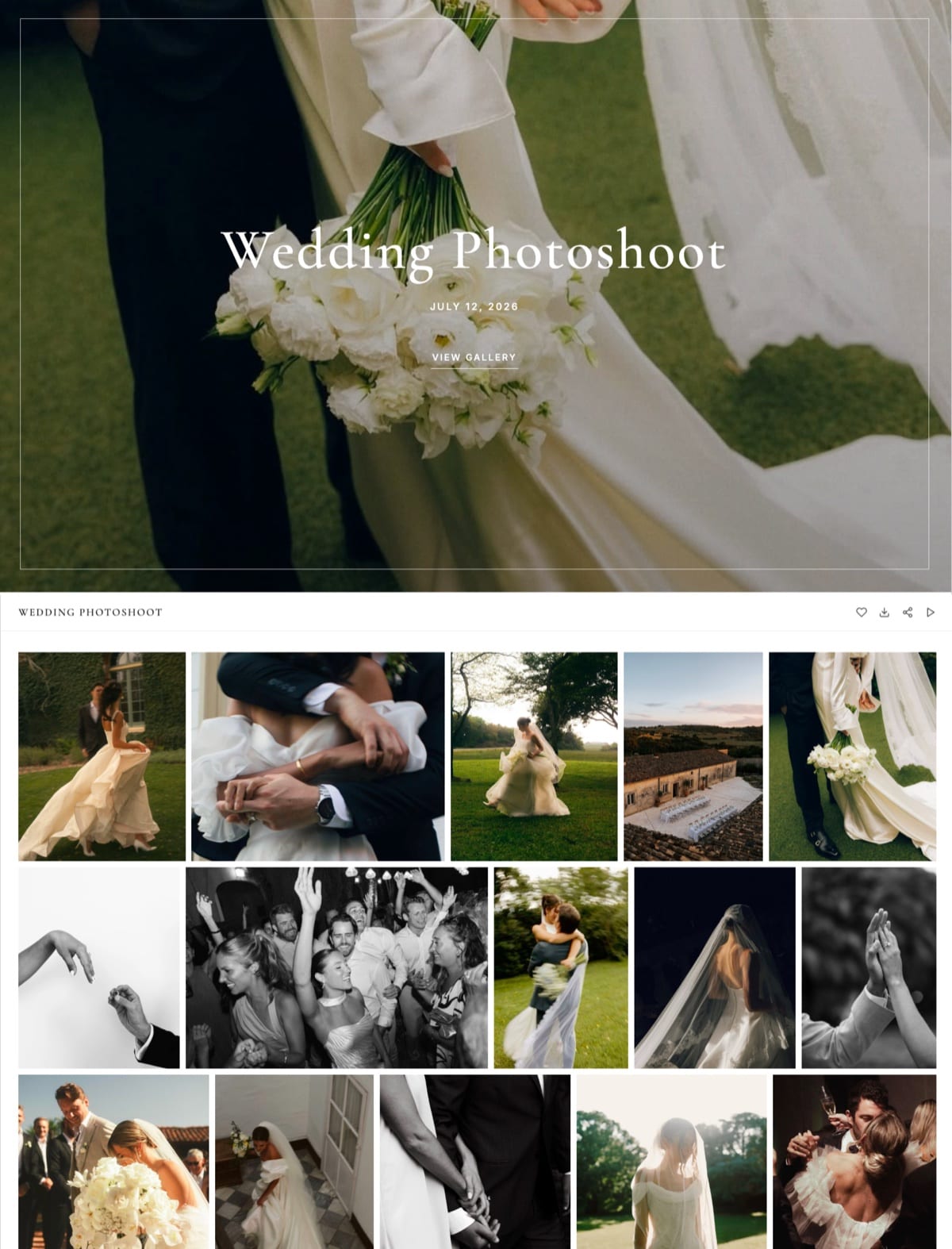
Zenfolio takes a flat 7 percent per order. We take nothing, because we sell no prints at all. That is the whole comparison, and your revenue model decides it.
A brand shoot is graded on the paperwork around the pictures. Usage terms, a signed shot list and files that match the channel are what the marketing team is measured on.
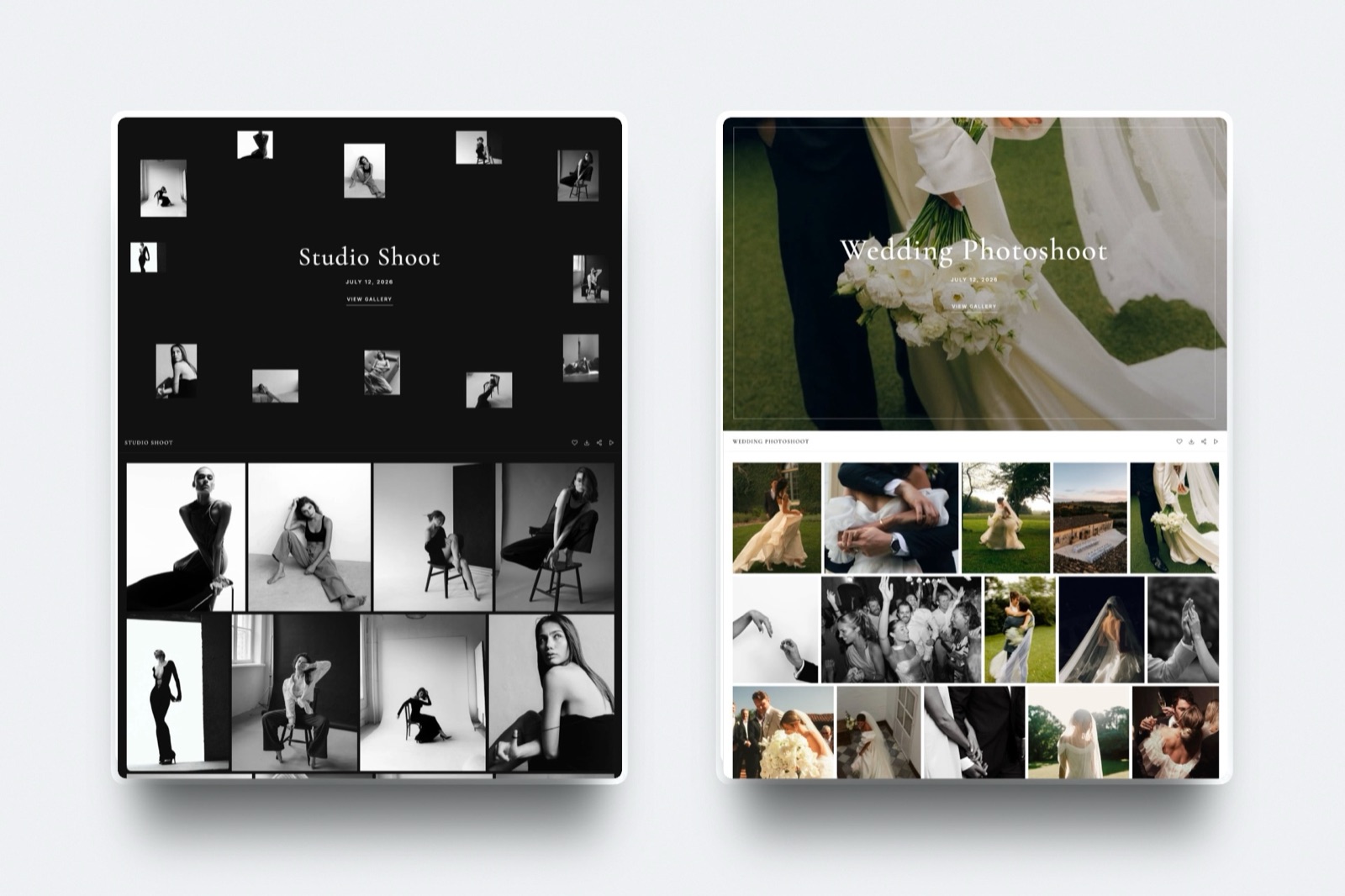
Dropbox is the cheapest place to keep files and the wrong place to present them. Here is where the line sits, and which of your subscriptions is the redundant one.
WeTransfer is built to forget the file and a gallery is built to keep it. That is the whole comparison, and it decides which half of your week each tool belongs to.
One job crosses four handoffs, and every handoff asks your client to learn another interface. Count the links you send and the ones that demand an identity, then price the stack against that number.
Vimeo hosts video better than any website builder, ours included. The subscription worth cancelling is usually the separate website one, not Vimeo.
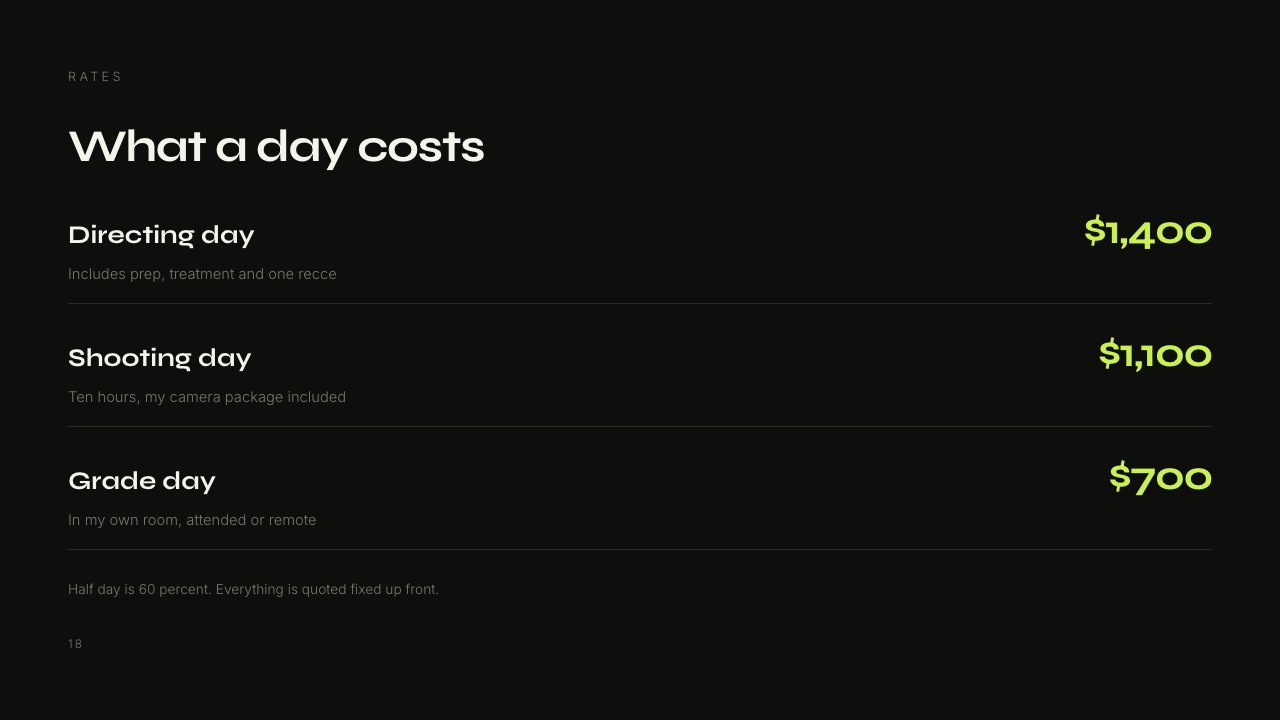
A creative agency of one is not short of skill, it is short of the appearance of scale. Here is what twelve tools cost, and what each one charges to put your name on the work instead of theirs.
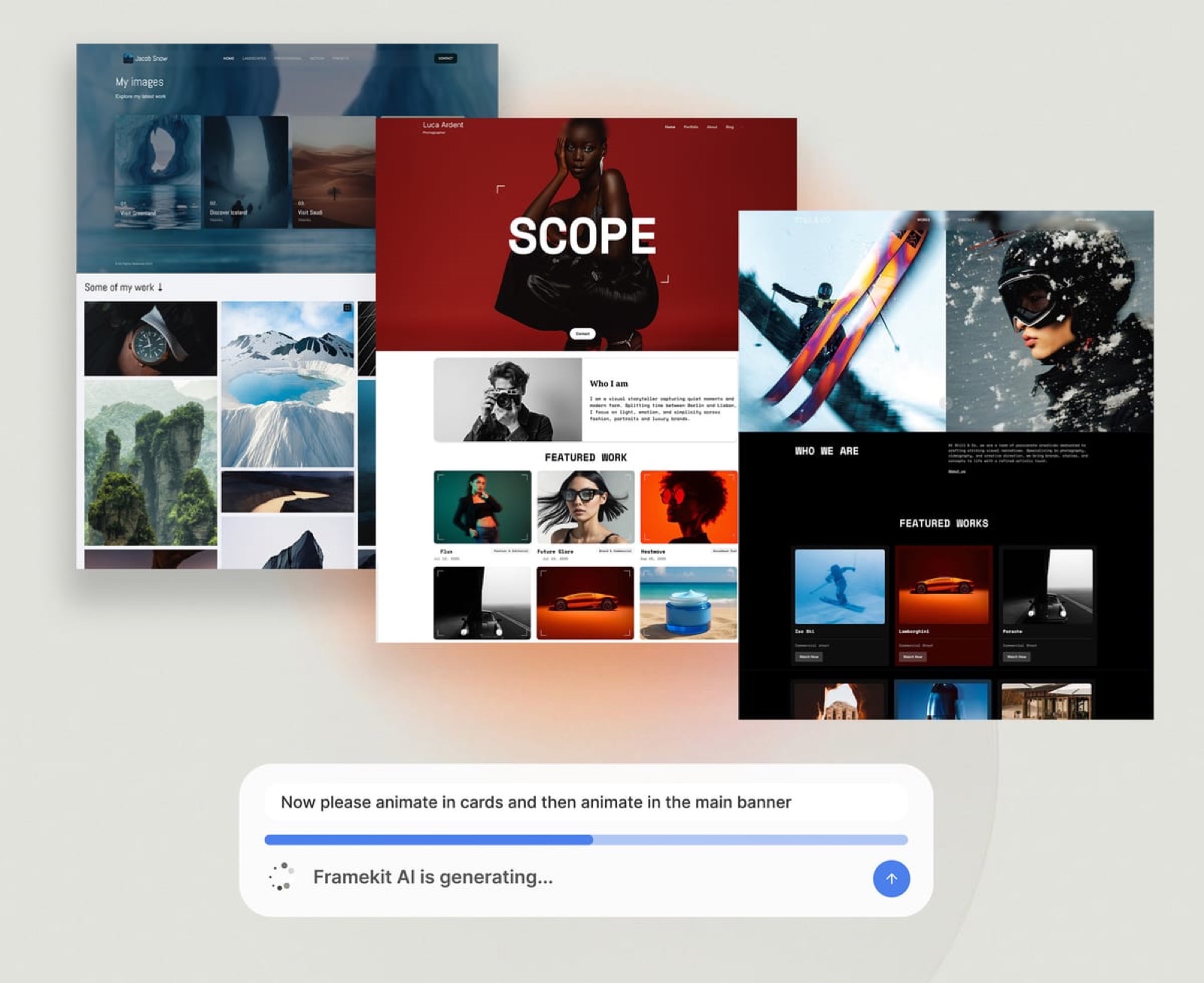
We make Framekit, and there are jobs it does not do. Here is the specific competitor for each one, named rather than described vaguely, with the price difference worked out.

Onboarding is where you buy back the hours you would otherwise lose to chasing. Five artefacts, a 48-hour checklist, and honest prices for the contract, invoicing and scheduling tools you still need.
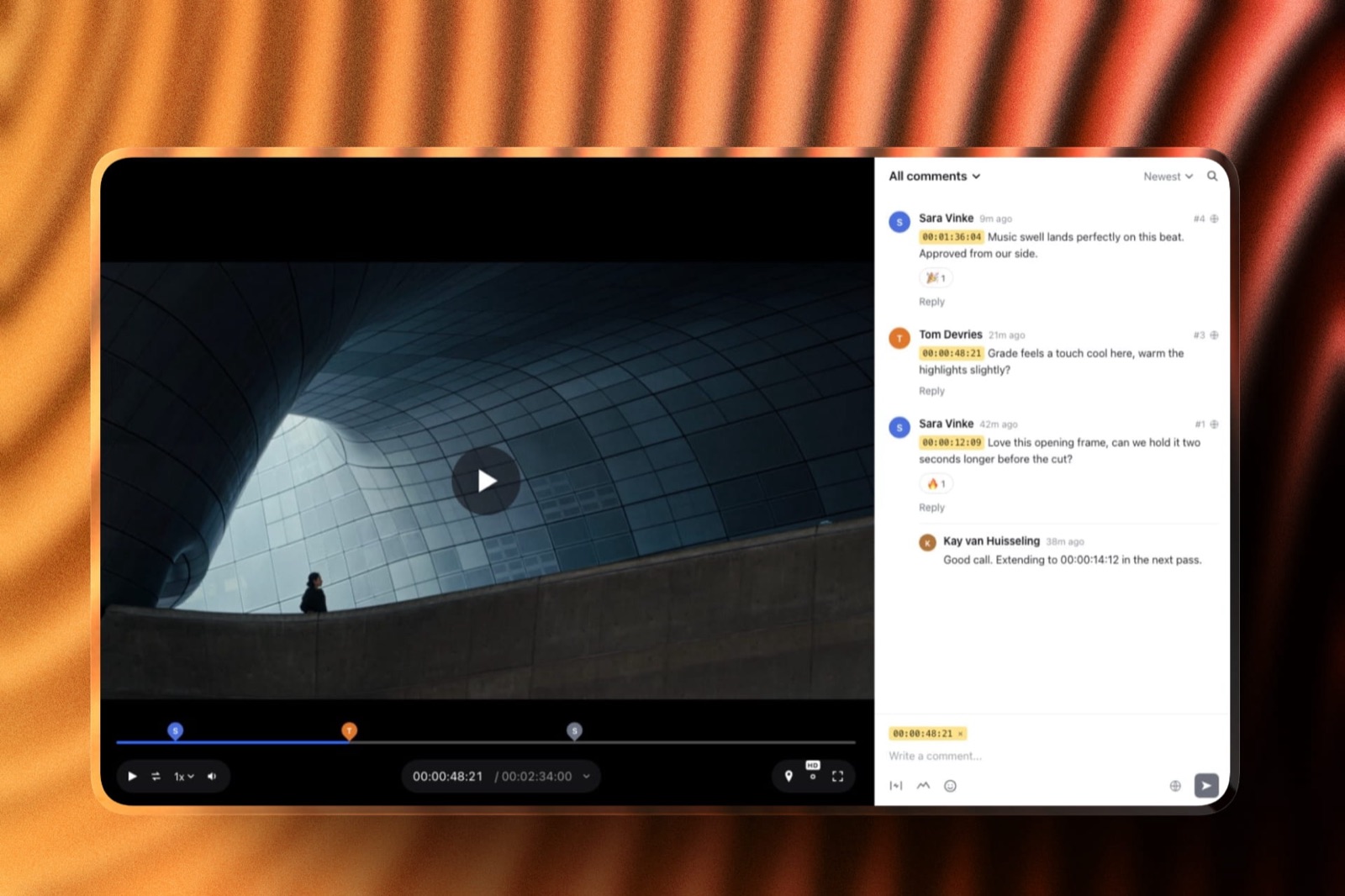
Frame.io solved client video review first and solved it properly. The question is whether you need the version built for a fifteen-person team, and the answer is decided by your export size.
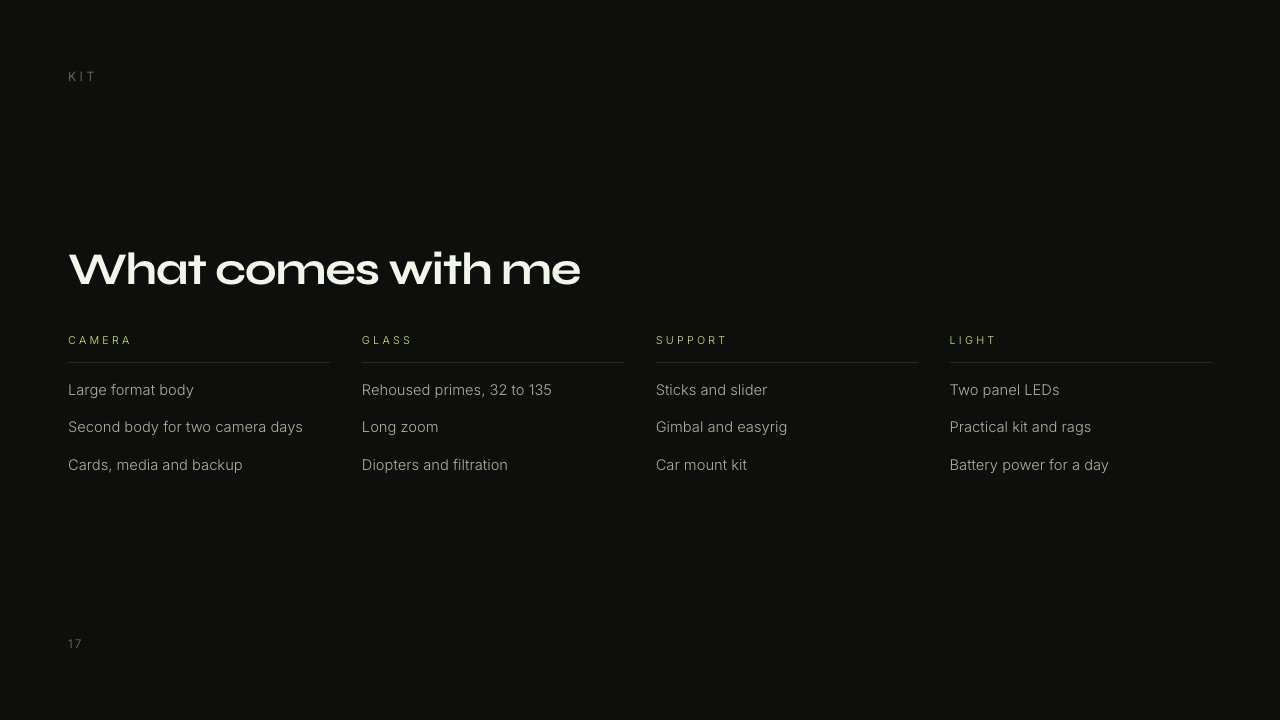
One project produces stills, a cut and a deck, and most creatives send each one from a different app with different security defaults. Here is what each tool costs and what its links actually do.

Nobody buys a first digital product because of a funnel. Here is the audience audit, the five posts that actually sell, and the arithmetic that says whether ten sales are worth the afternoon.
A freelance creative business has two halves, and almost no tool covers both. Here is the client-facing stack, the back-office stack, and what the whole thing costs on $62,000 of billing.
Yes, and it is a publishing plan rather than a trial. Here is exactly what $0 gets you, the two things it holds back, the one fee that applies, and the four moments the free plan runs out.
Most refunds on creative files are delivery failures, not product failures. Here is the folder, the archive size, the receipt and the re-download policy that stop them.
Most pricing pages are written to be skimmed. This is the version with the footnotes promoted: every plan, the fee that is a second price, and the $780 crossover that decides which tier you should be on.
Cheap software is decided by the shape of the fee, not the monthly price. Here is a real three-year bill for a freelance creative stack, percentages included, and where a specialist still wins.
A launch is a calendar, not an event. The week that decides the result is the one before anything is for sale, when the list gets built and the page gets proved.

Every gallery service has a free plan. They are sized on two different axes, gigabytes or galleries, and which one binds first decides whether you deliver two paid jobs before a card is needed, or nine.

Free means a monthly fee of zero or a cut of zero, and no platform gives you both. Here is every free tier with its real cap, and the sum that tells you which kind of free is cheaper for you.

Craft software has been free for years. The bill arrives on the client-facing half: review links, file delivery, a site, a rate deck. Here is what to use, and what each free tier really gives you.
A creative buyer is paying for a result they can already see. Show the output first, answer the four objections in the order they arrive, and let the price do its own explaining.
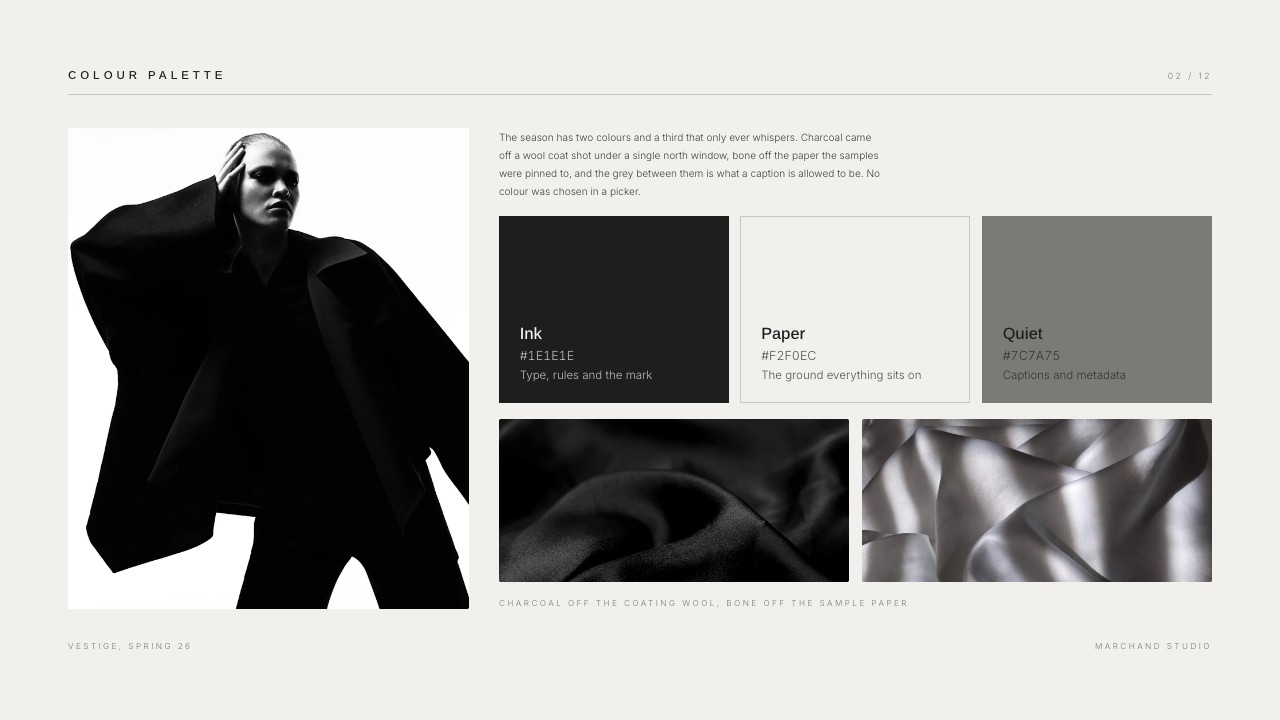
An image-led deck is a handover problem, not a slide problem. Here is how twelve tools handle full-bleed pages, embedded reels, fonts and export, with published prices.
You do not need a store to make a first sale. You need a checkout URL and a delivery guarantee. Here is how to build both, what the link cannot do, and what the fees cost at $1,000 a month.
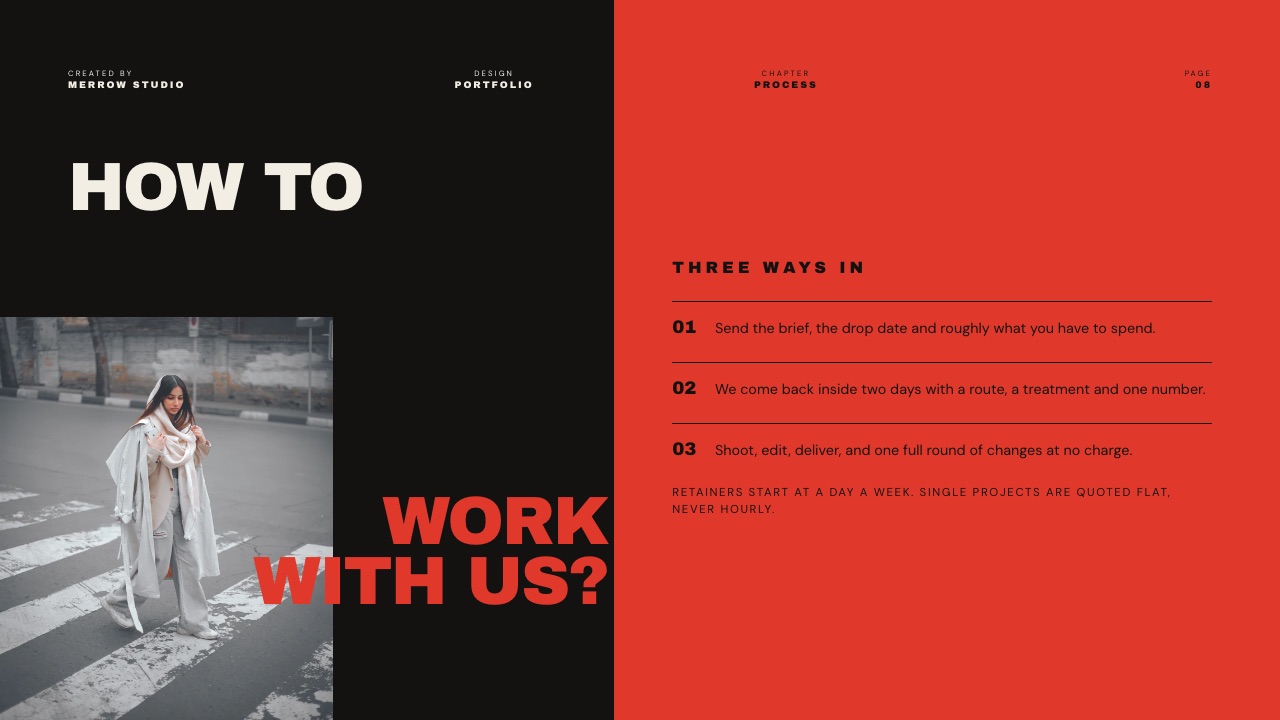
A brand deal proposal is three documents wearing one cover: the pitch, the paper and the invoice. Here is which of twelve tools carries which, and why splitting them costs less than any all-in-one.
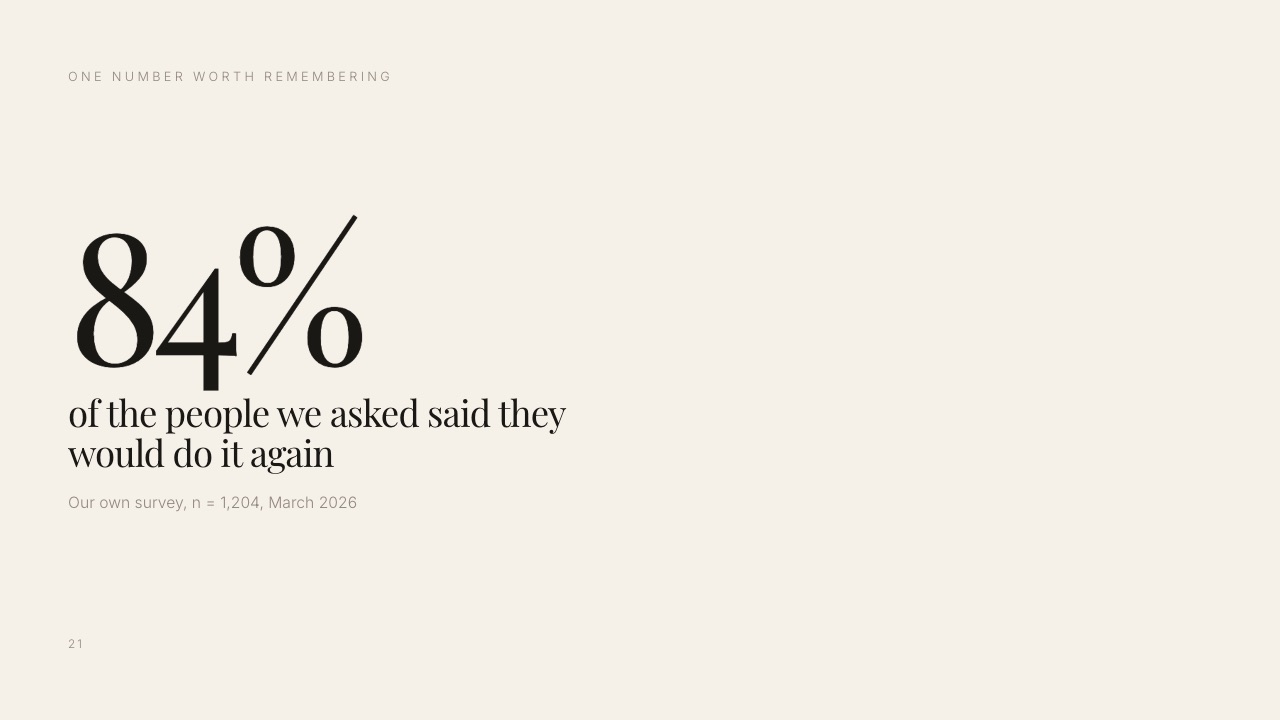
A lookbook is not a portfolio. It sells a collection on a deadline, which means a sequence, a spec page with real prices, and a last page a buyer can act on.
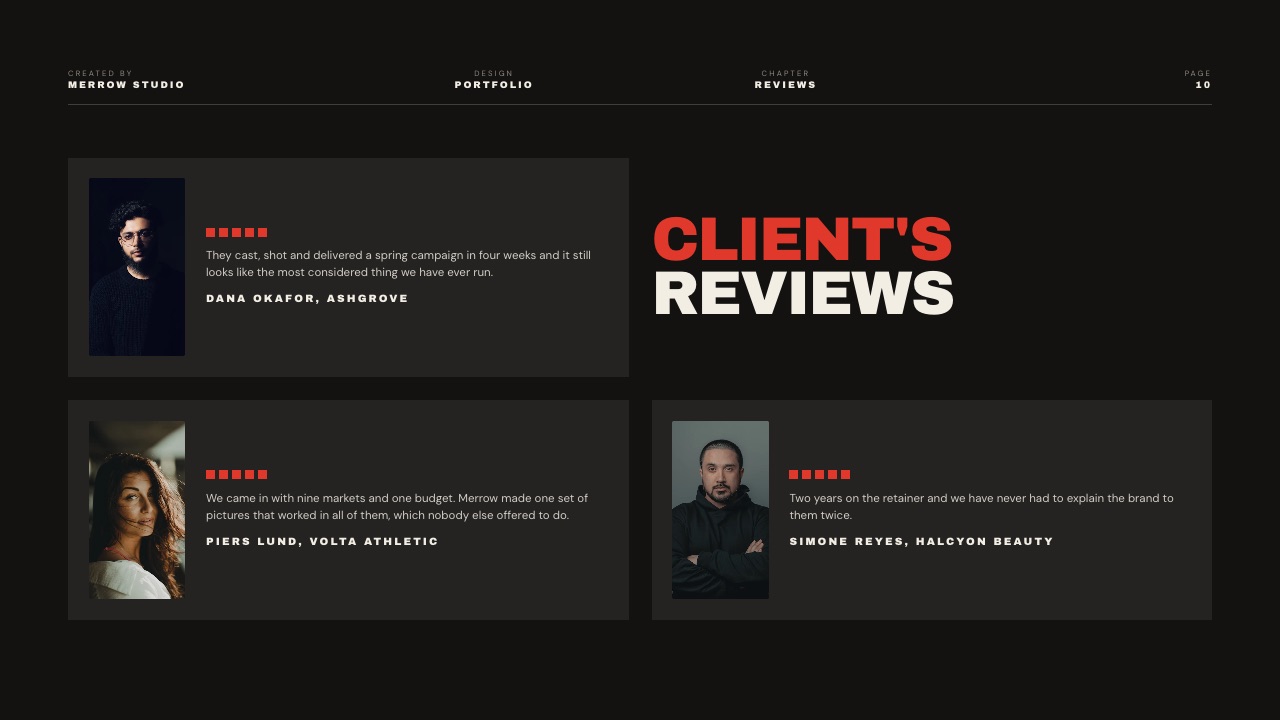
A creator pitch is three artifacts, not one: the email, the kit and the follow-up. Here is which of twelve tools carries which part, what a full stack costs over a year, and where free genuinely holds.
A proposal is a scope fence, not a sales brochure. Here are the nine sections, the three ways to present a price, and the exclusions line that ends the revision argument before it starts.
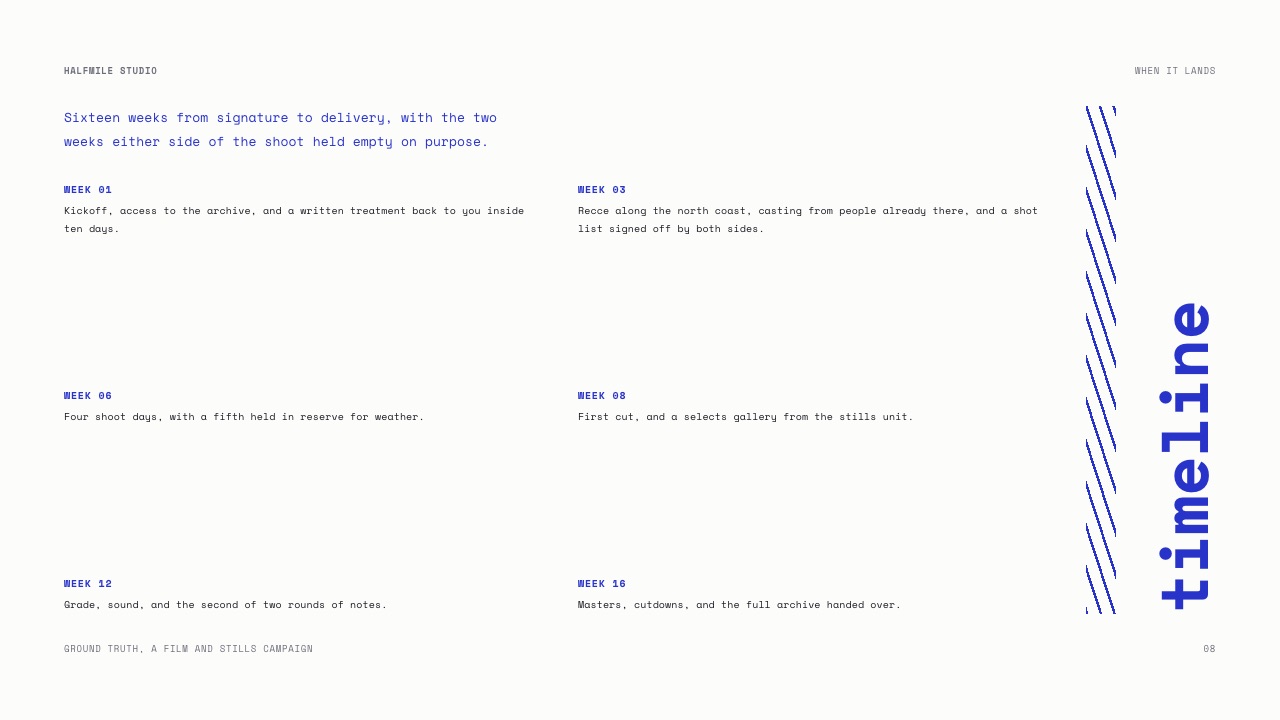
Twelve tools for the two documents every director bids with, ranked by how short the handoff is between the board where you think and the treatment you send.
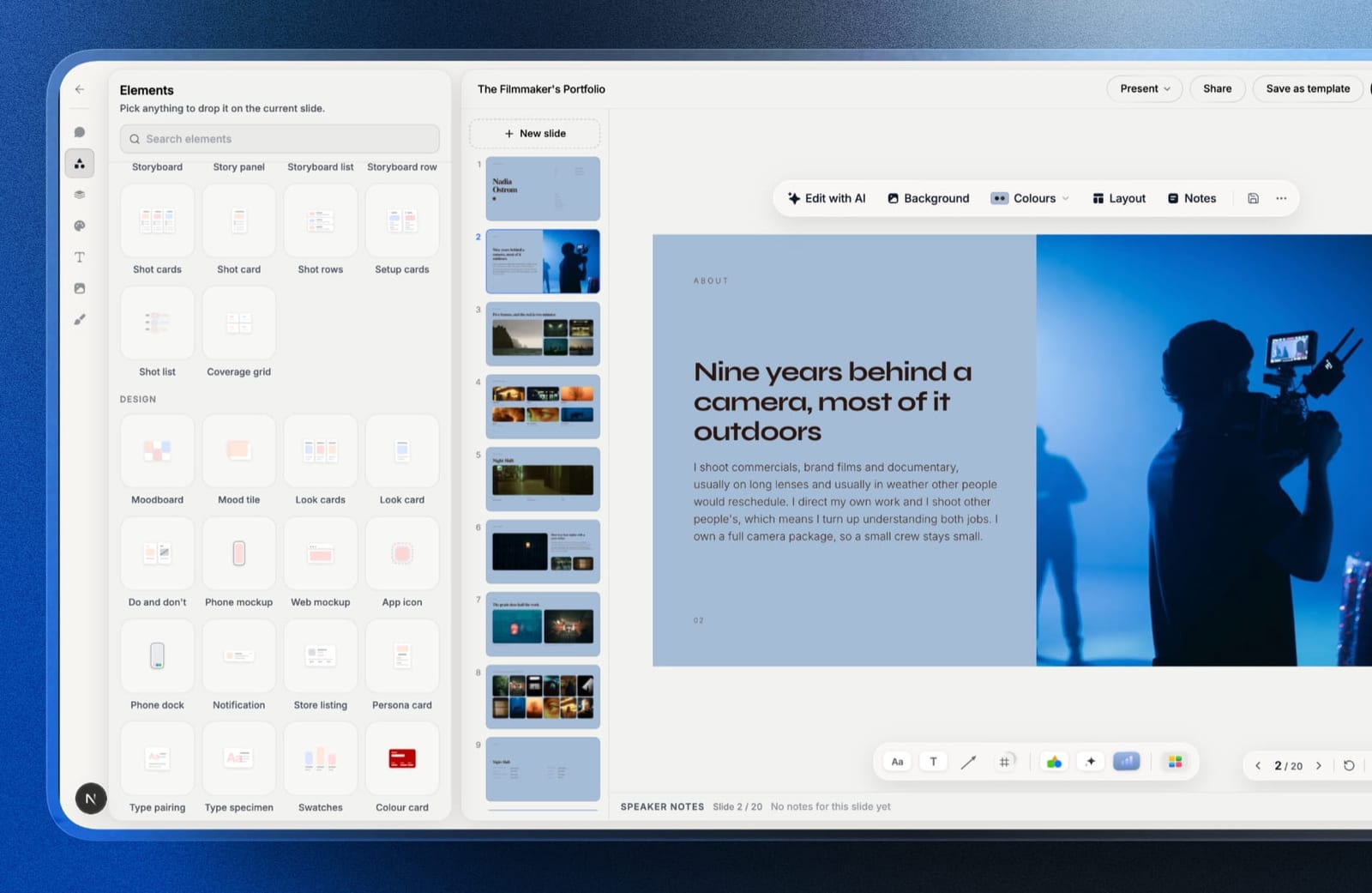
A case study needs a number at both ends, the situation you inherited and the thing that measurably changed. Here are the seven slides, in the order a buyer reads them.
Twelve proofing and review tools ranked for photographers who now hand over motion as well as stills, with the real cost of running two separate platforms and two dashboards.
Sending a deck is a control decision, not an attachment. Here is how to choose between a link and a PDF, what a tracked link buys you, and the covering email that gets the deck opened.
Twelve video review tools you can use without paying, with the exact limit each free tier meters: megabytes, file counts, project counts, or the review feature itself.
A concept shown cold gets reacted to. Here is the running order that puts the constraints first, why three routes beat two, and how to end a meeting with a decision instead of a feeling.
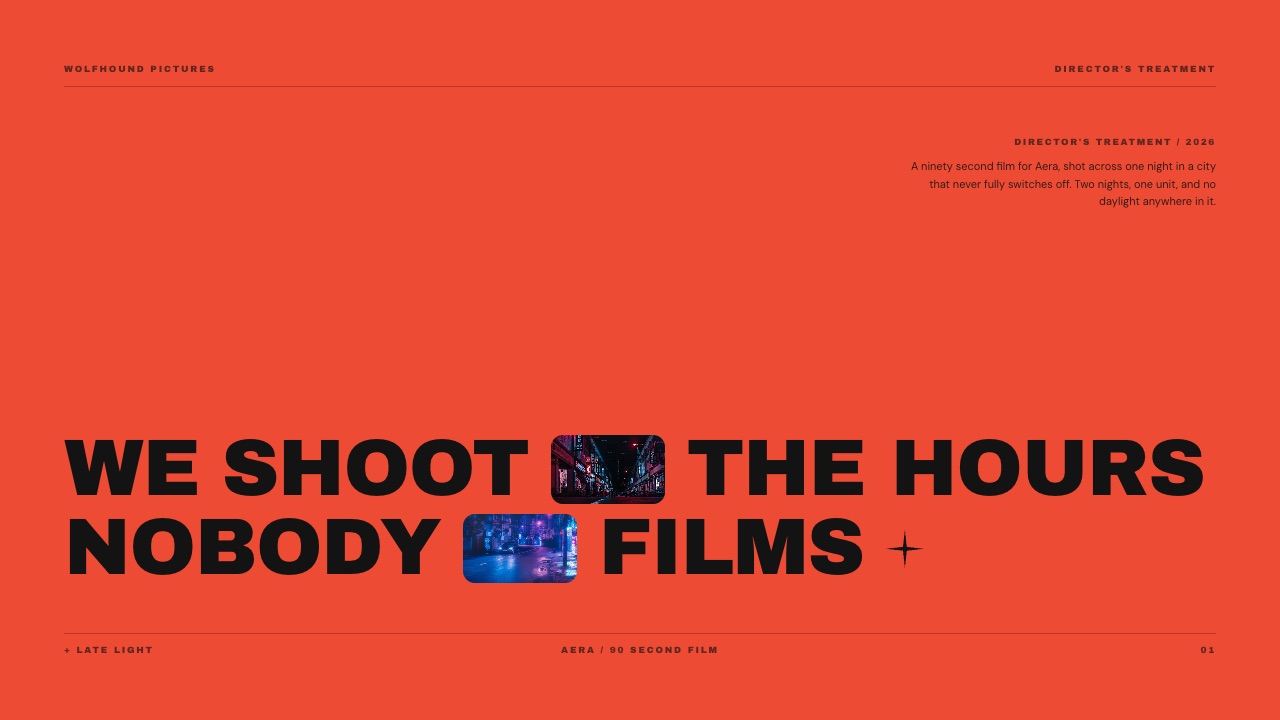
Per seat, a big seat bundle, or a small flat allowance. Which pricing model you are on decides your bill far more than any feature does. Here are 12 tools costed at four team sizes.
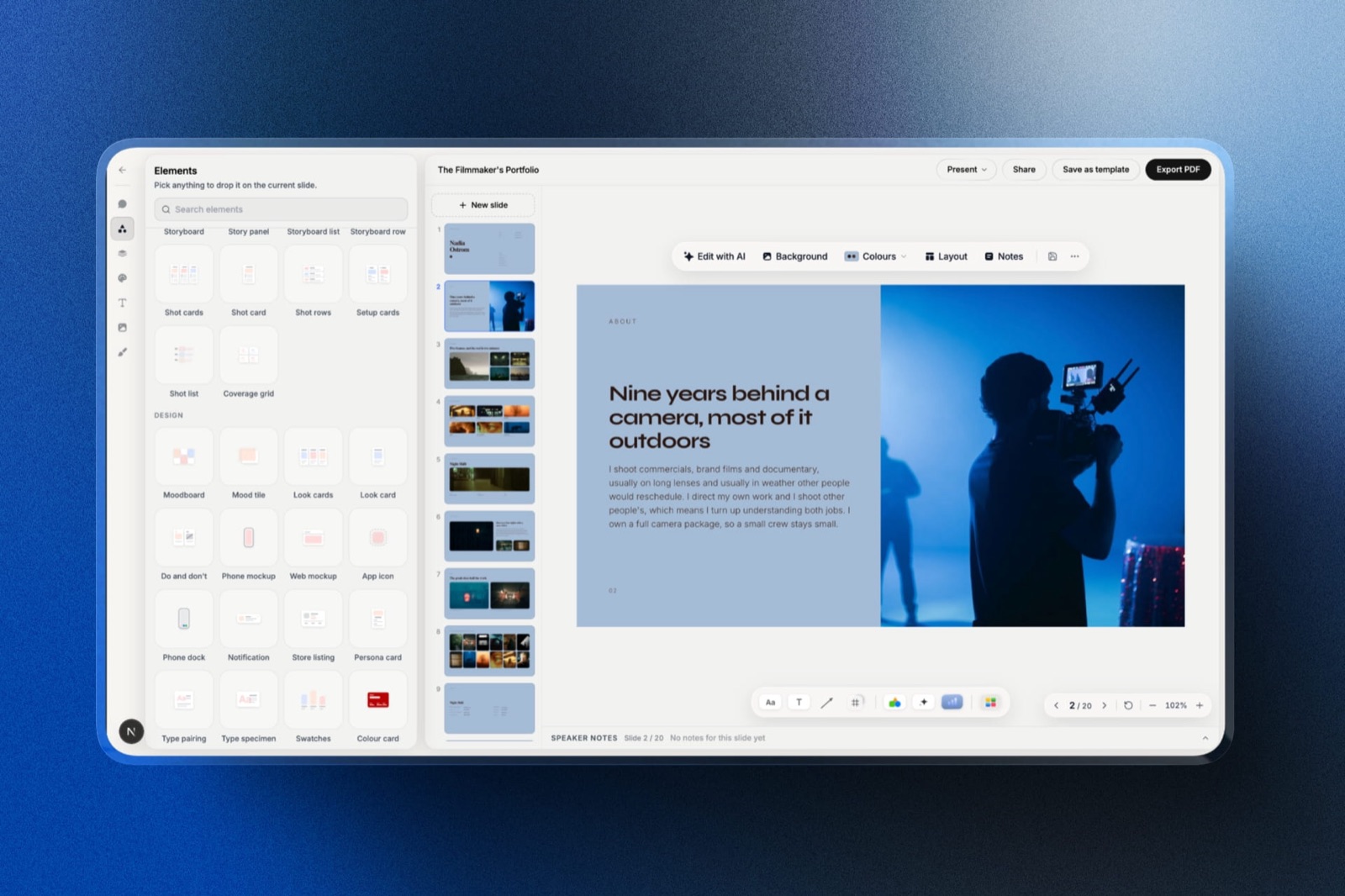
The pitch is not the deck, it is the email that gets the deck opened. Here are the three email versions, the four-touch follow-up calendar, and how to price a first collaboration.
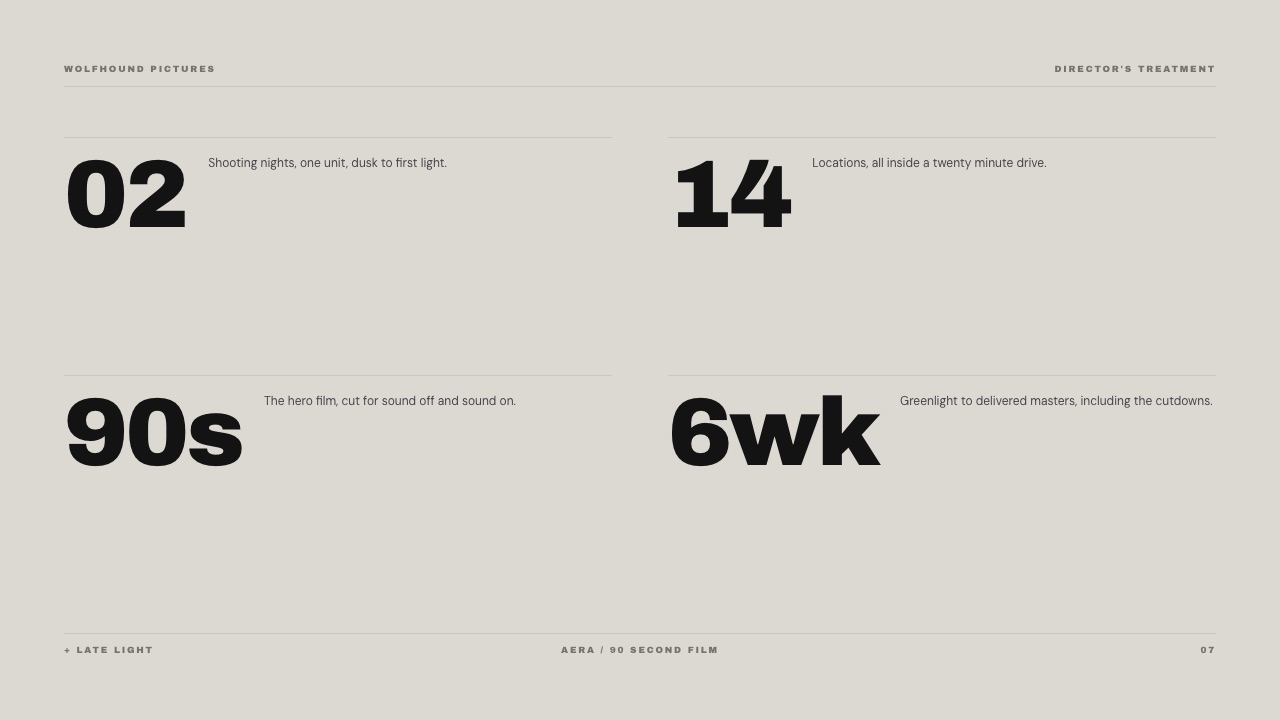
One person does not need seats, reviewer groups or approval routing. They need the smallest bill that still buys timecoded notes, version stacks and a client who never makes an account.
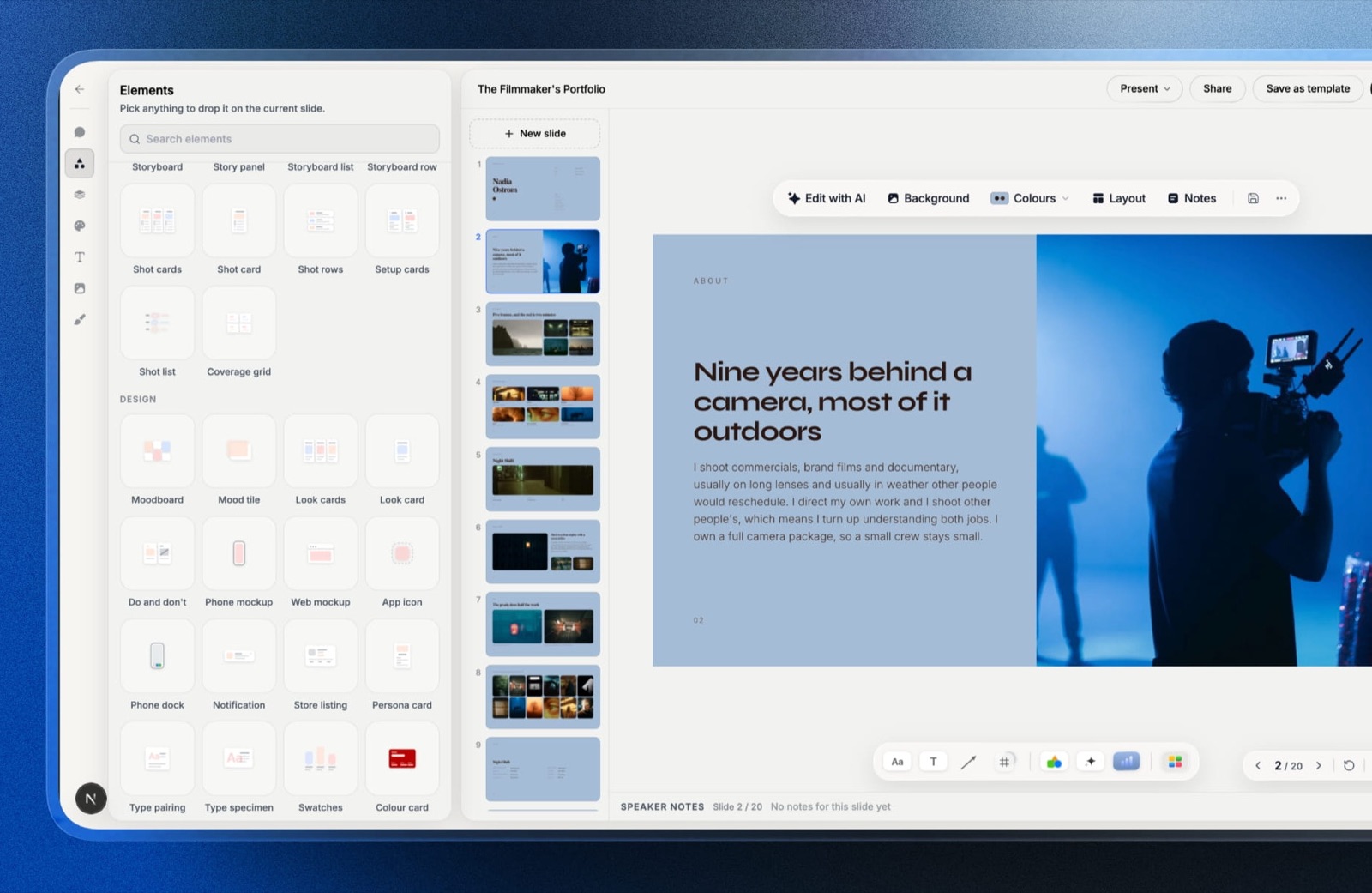
A media kit is a sales document, not a stats dump. Here is the eight-slide skeleton, the metrics worth showing at any audience size, and how to put a price in it.
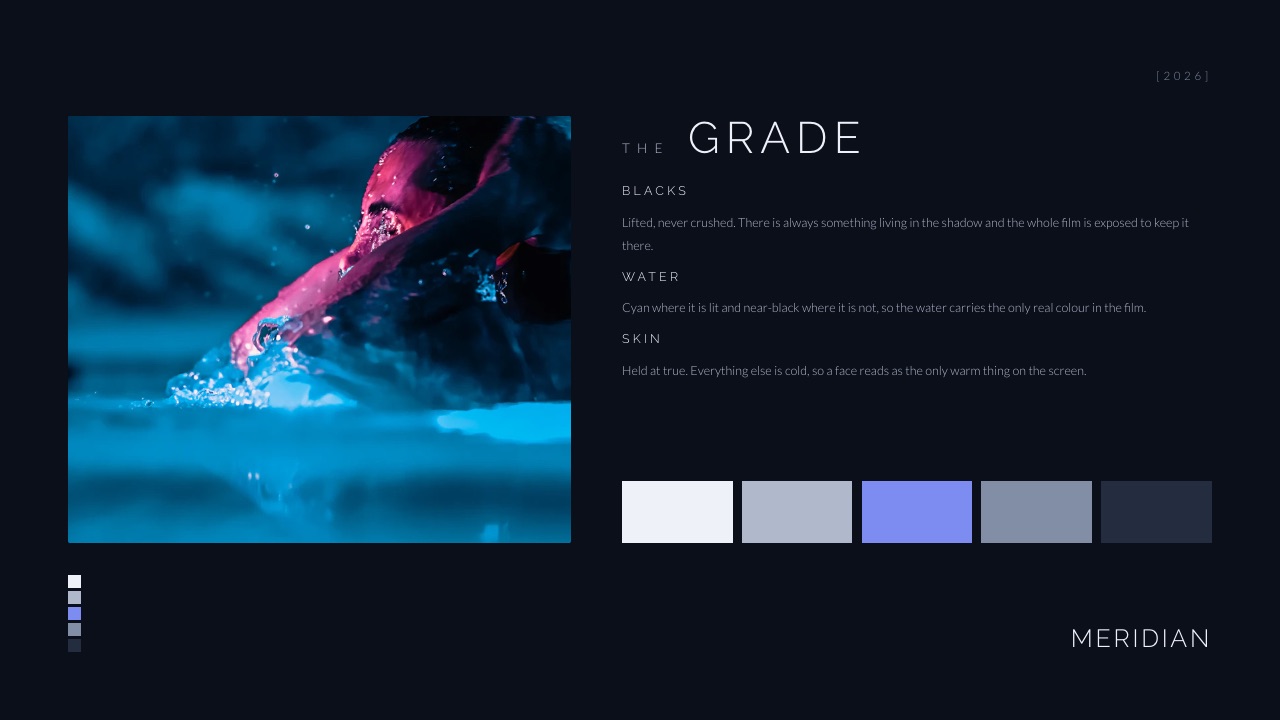
An 18-wedding year with full ceremony edits is 138.4GB and 17.4 hours of video. Here is which platform holds that, what it costs, and why prints may still keep you on two.
Naming and retention are the whole job. Here is the convention that sorts, the four-stage retention schedule, and what three years of unmanaged galleries actually costs you.
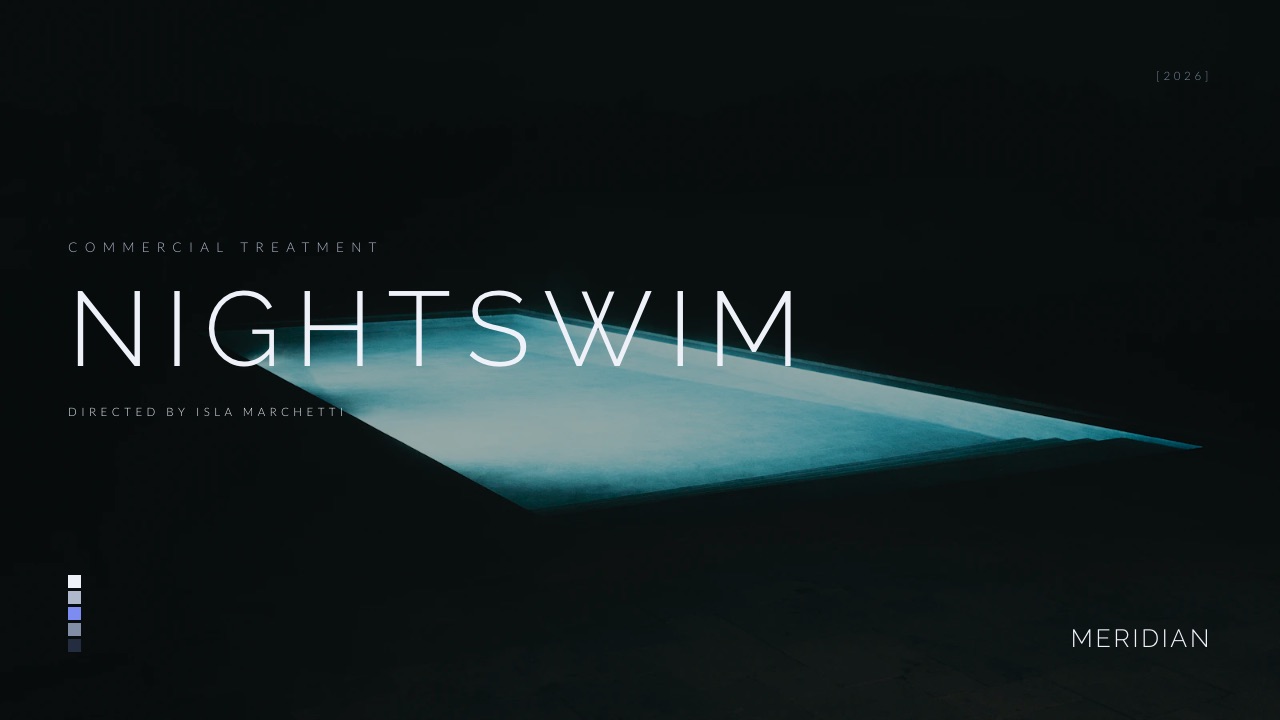
Almost every gallery platform now says it takes video. Almost none of them tells you how big a single file can be. Here is what twelve platforms publish, and what they leave out.
Most photographers ask for a testimonial weeks late and in the wrong words. Here is the hour to ask, the four questions that produce a usable quote, and where the quote should live.
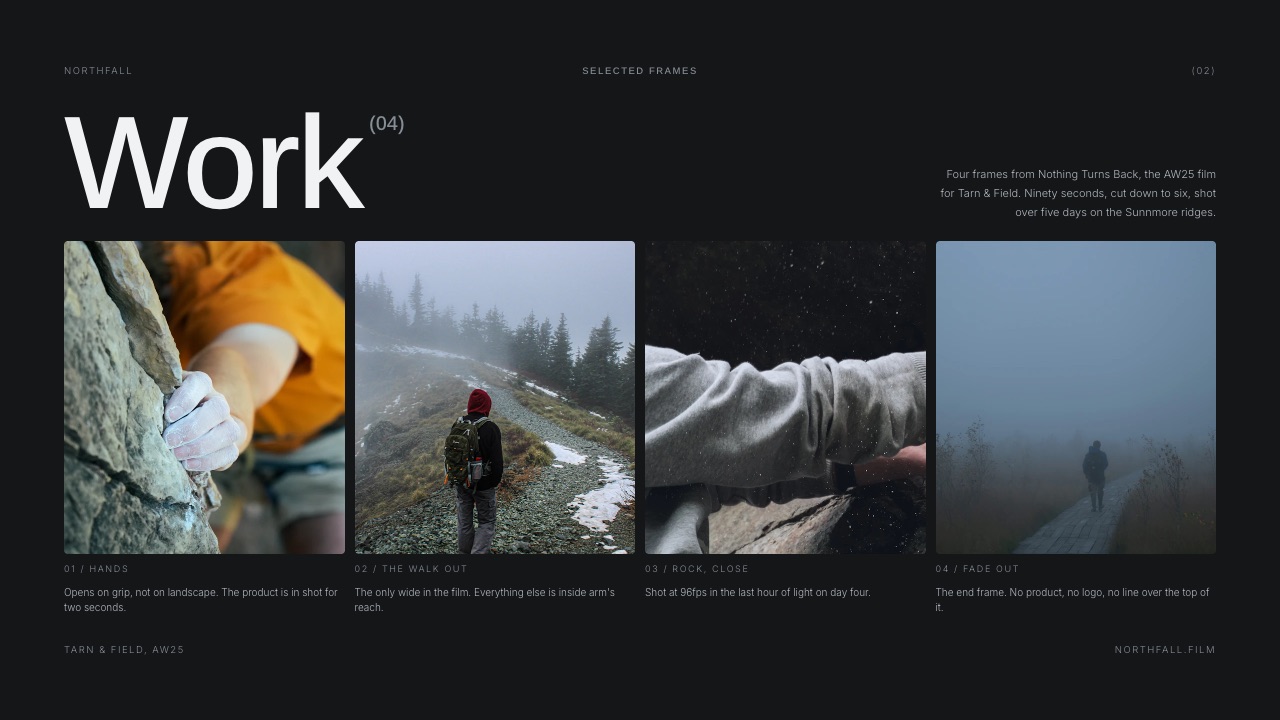
The camera problem is solved. The handover is not. Twelve tools ranked by whether a hybrid shooter ends the job with one client link or two, with published prices and published file limits.
A password is one of four different controls people call privacy. Here is what each one stops, which platforms offer which, and how to lock a gallery that actually needs locking.
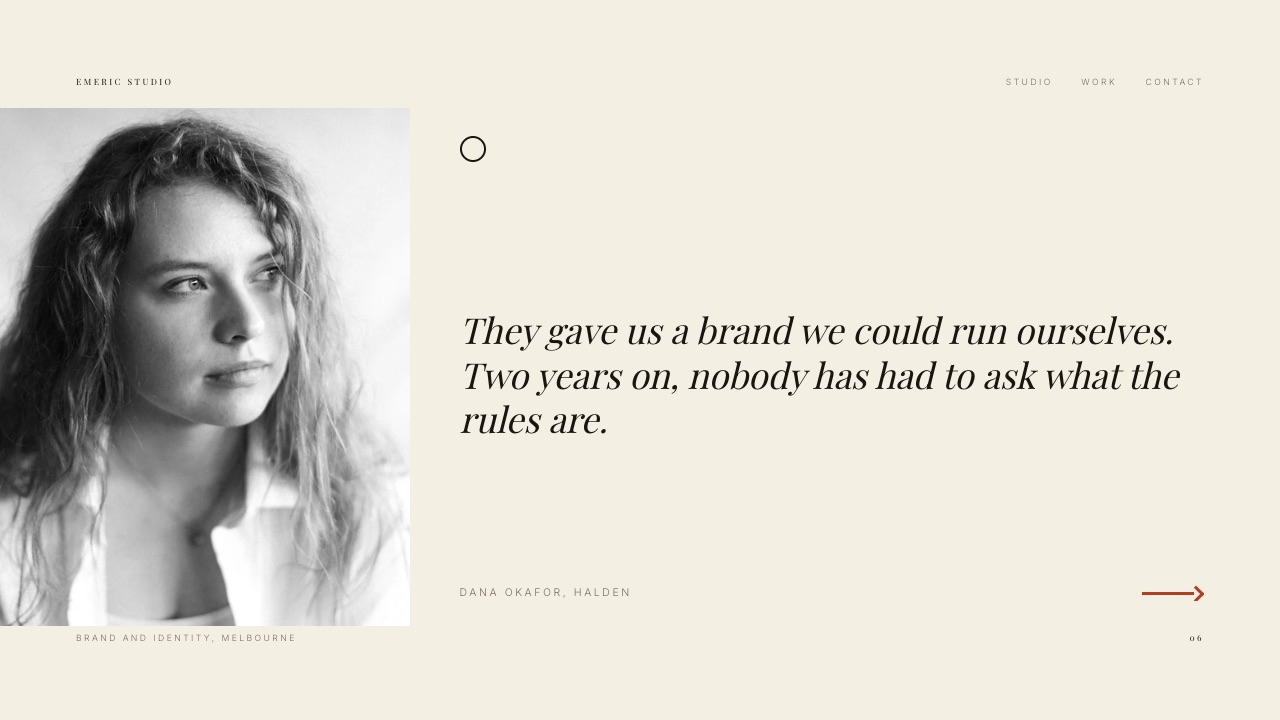
A transfer tool moves bytes and then deletes them. A delivery tool hands over a page that is still there next month. Twelve free tiers, compared on what is left after 30 days.
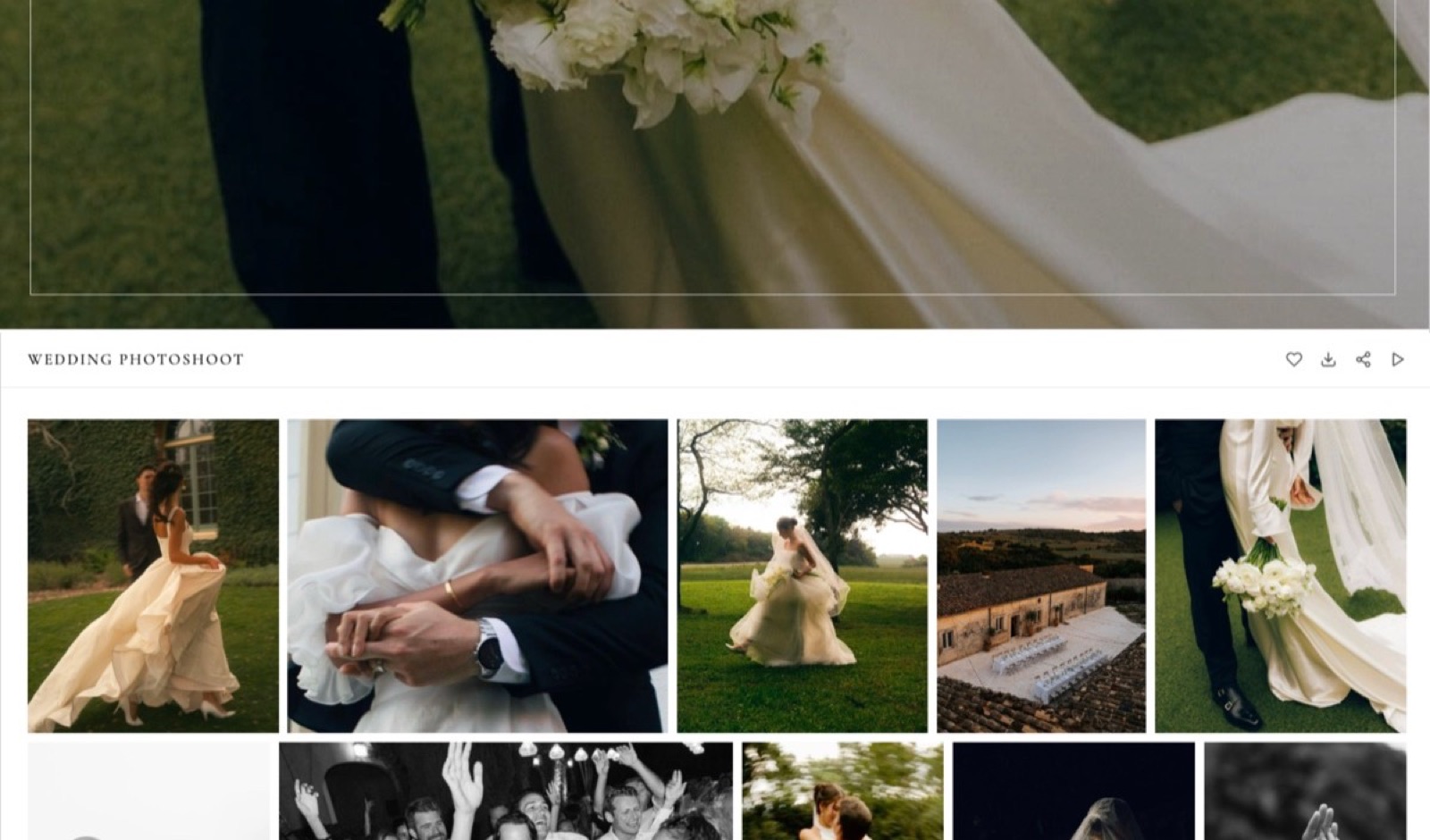
A sneak peek is the one moment your client is guaranteed to post your work. Here is how to size it, time it, brand it and send it, with the settings that decide whether it travels.

Most creator tools are free until you earn something. Here are twelve free tiers ranked by the only question that matters in month six: what does this one take when the money finally arrives?
Hybrid shooters pay for two platforms and hand the client two links. Here is how to deliver both from one gallery, and the per-file video cap that decides whether you can.
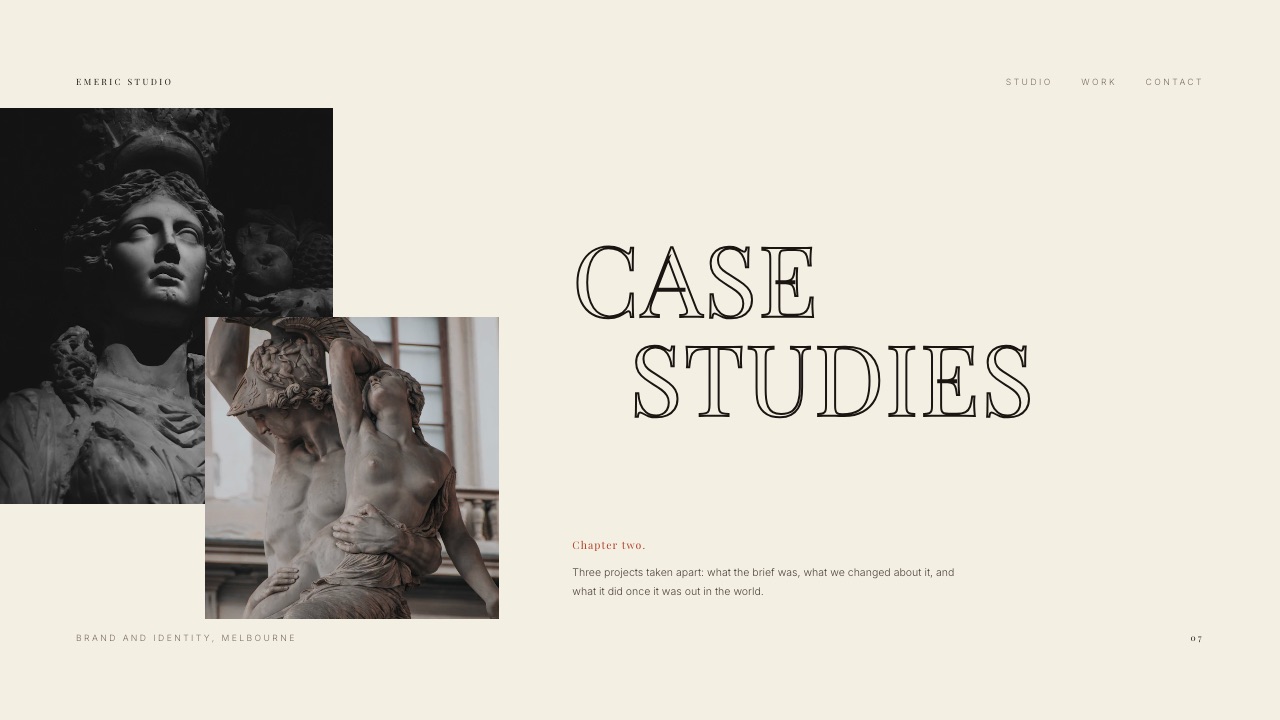
Free photo software splits in two: the develop side is free forever, the delivery side is where free tiers run out. Here is how many real client galleries each free plan actually holds.
Most photographers send one email after a shoot and lose the share, the review and the referral. Here is the four-send sequence with deadlines, and every template written out in full.
A financier gives your deck about three minutes. This 12-slide film pitch deck template gives every slide one job, a word budget and the proof it must carry, with five real film templates to start from.
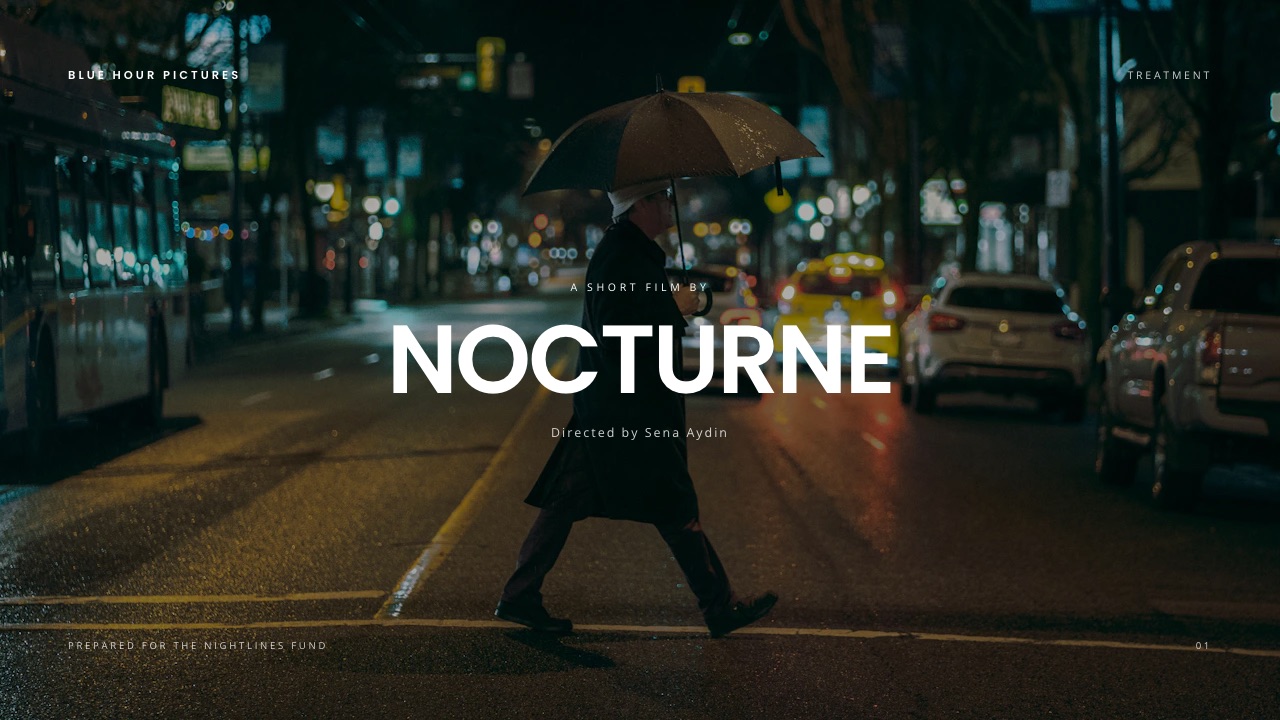
An artist knows the song by heart; your treatment has to show them what they will see in every bar of it. A section-by-section template, a worked song map and the deliverables page most treatments forget.
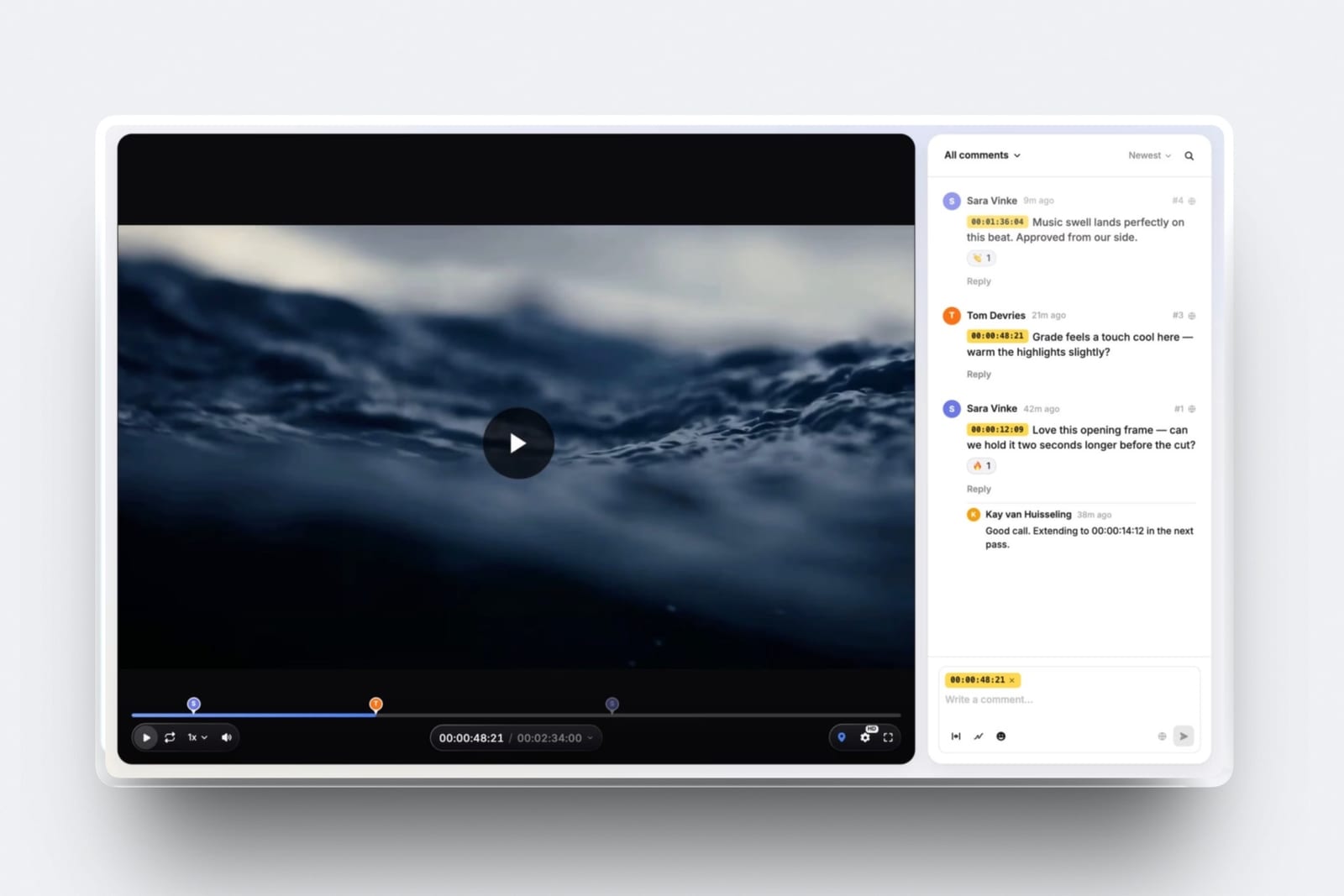
Every Frame.io seat buys 2TB of storage along with a login, and reviewers cost nothing. Here is what that means for a solo editor, a three-person studio and a team of five, with every plan read at the source.
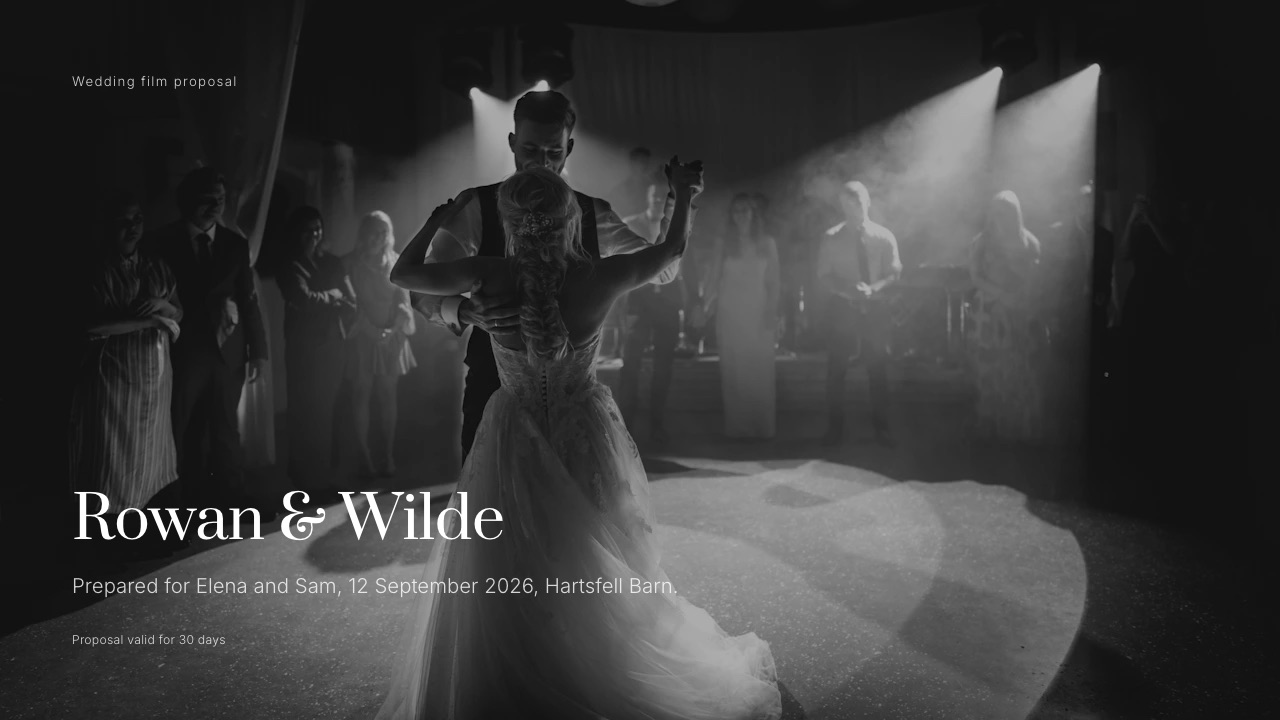
What couples really pay for a wedding film in 2026, why the two national averages disagree by $1,693, how to price the sixty hours behind a ten-hour day, and the 20 pages a couple reads before they book.
Stan Store charges a flat $29 a month and takes no cut, which is 24% of revenue for a creator selling $150 a month and about 5% for one selling $4,000. Here is the full bill, line by line.
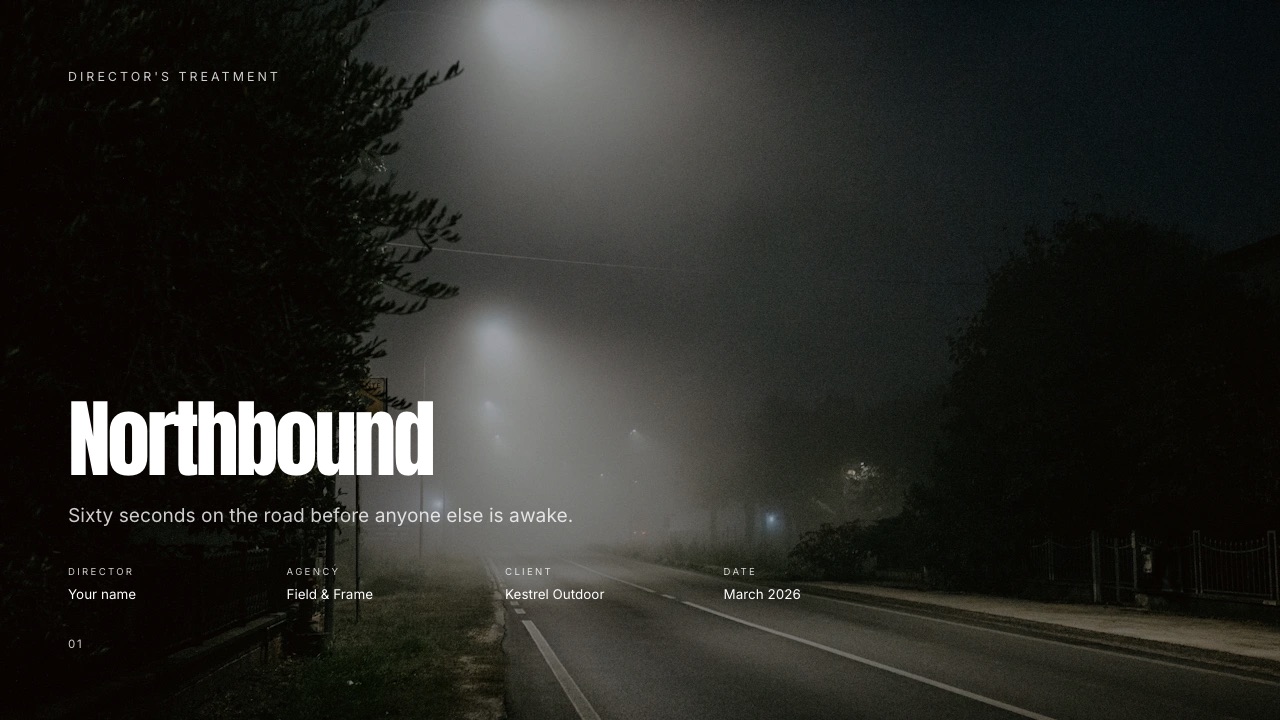
Three directors, one brief, one winner. A slide-by-slide commercial treatment template, the questions each page has to answer, and the tools that build it.
Pixieset sells four separate price ladders, not one. Here is every plan read from its pricing pages in September 2026, the fee rules in the help centre, and a costed year for three kinds of photographer.

Clients spend longer on your scope, quote and terms than on your company story. This template puts the words where the reading time goes, then pairs the look with a signature step.
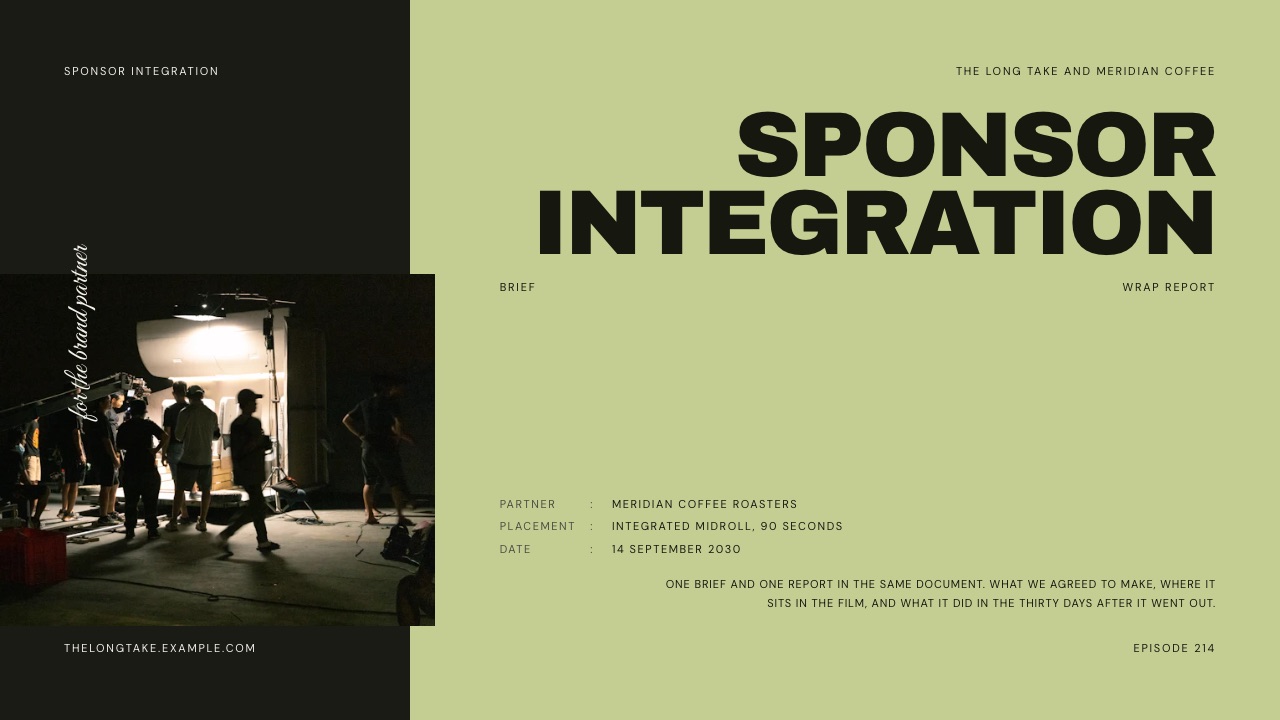
The 12 slides a brand reads before it books a creator, the metrics each one should carry, how to price the read from published CPM ranges, and the wrap report that wins round two.
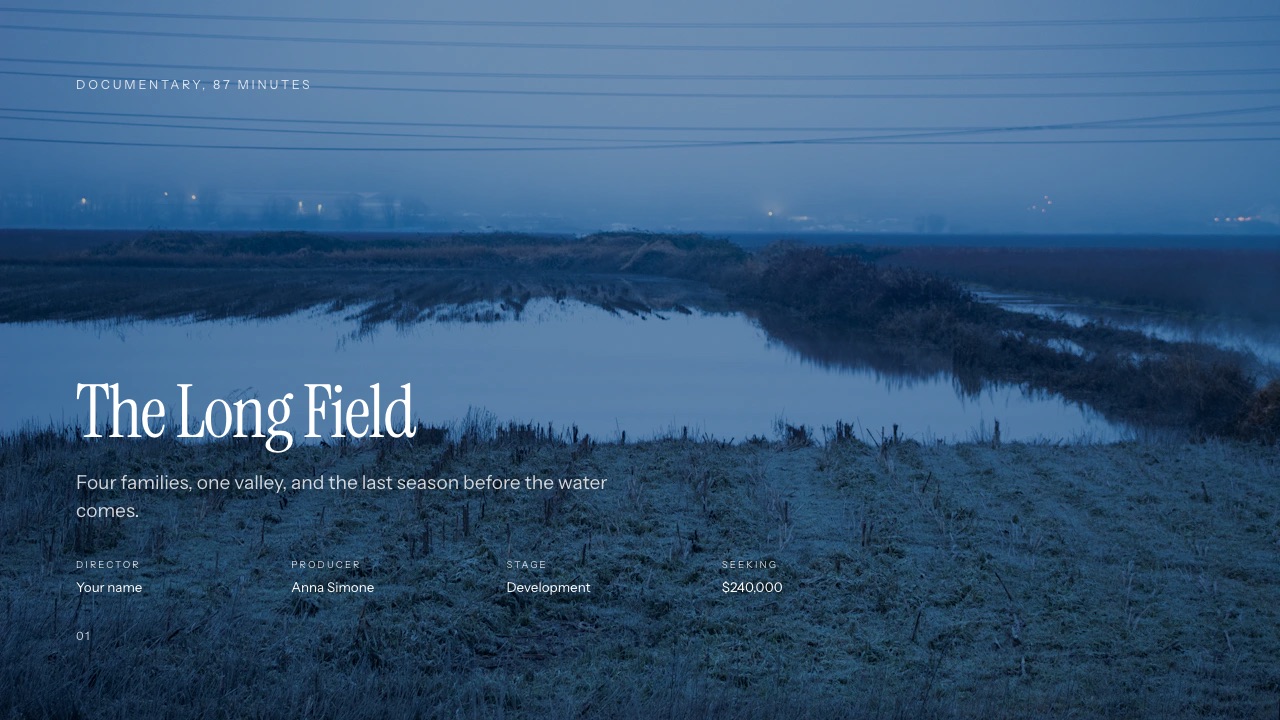
Documentary money is bought with access and urgency. This 20-slide documentary pitch deck template shows what each page must prove to a fund, a broadcaster or a crowd, with a worked $240,000 example.
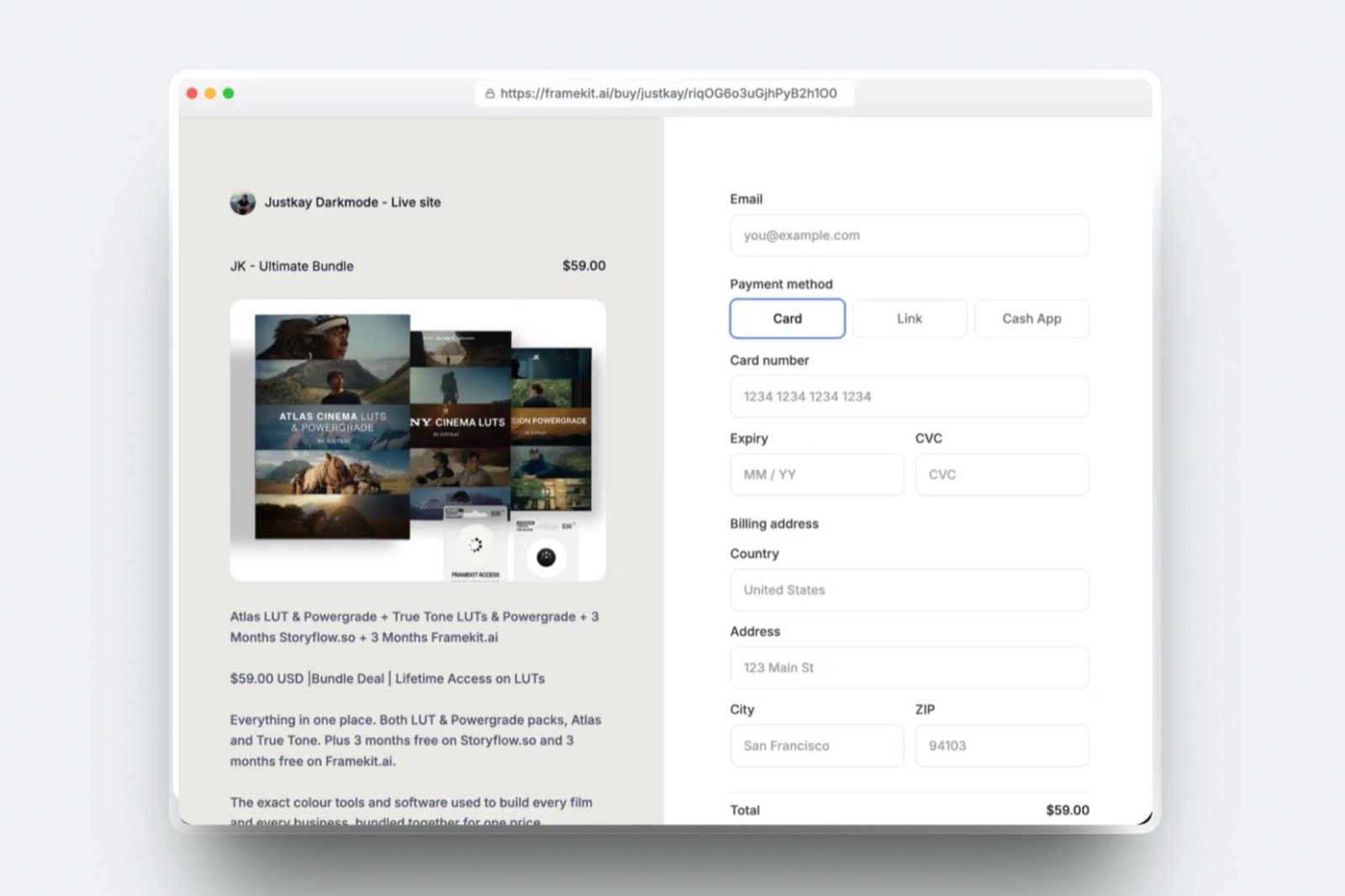
Lemon Squeezy is now a Stripe company and Stripe sells its own merchant of record. We priced one $24 LUT pack to a US buyer and a German buyer on every route to show what each fee actually pays for.
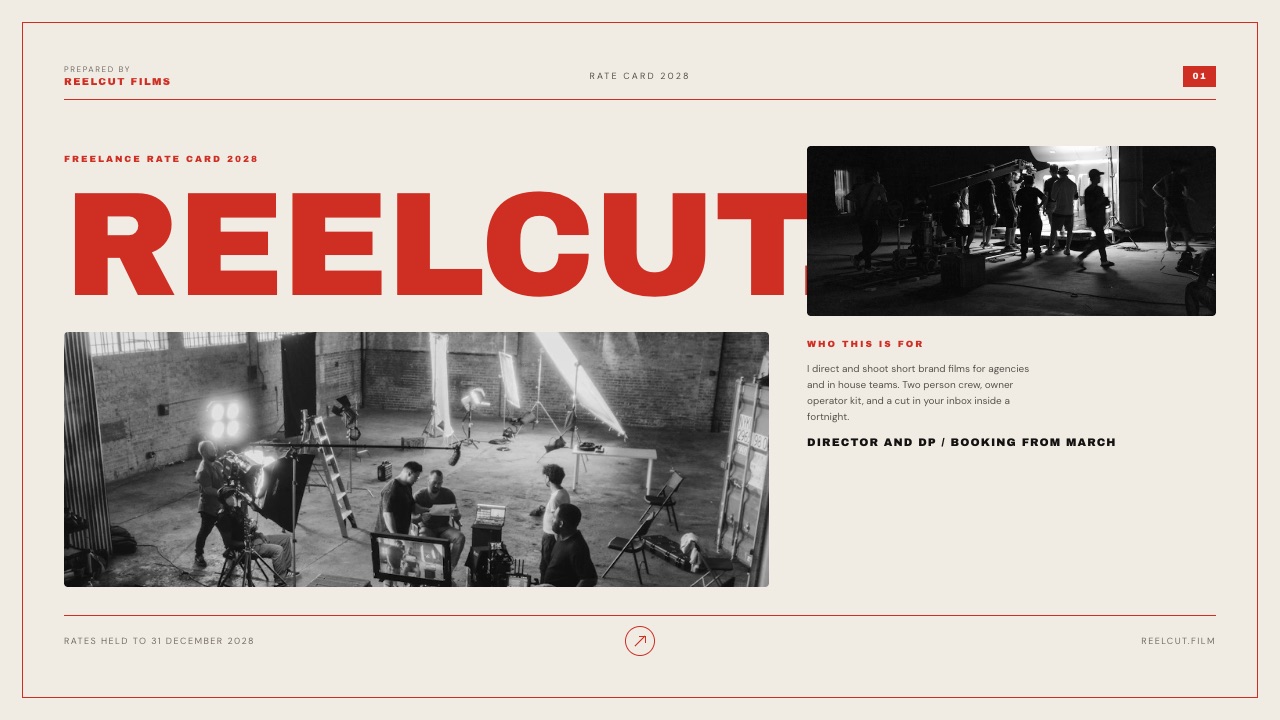
What camera crews are actually quoted in 2026, why every union card says labour only, how to turn a salary into a day rate, and the nine lines a videographer rate card needs before a producer reads it.
Frame.io is built for footage coming in, Vimeo for finished films going out, and both now sell client review in the middle. Here is where each one wins, what each costs, and when you need neither.
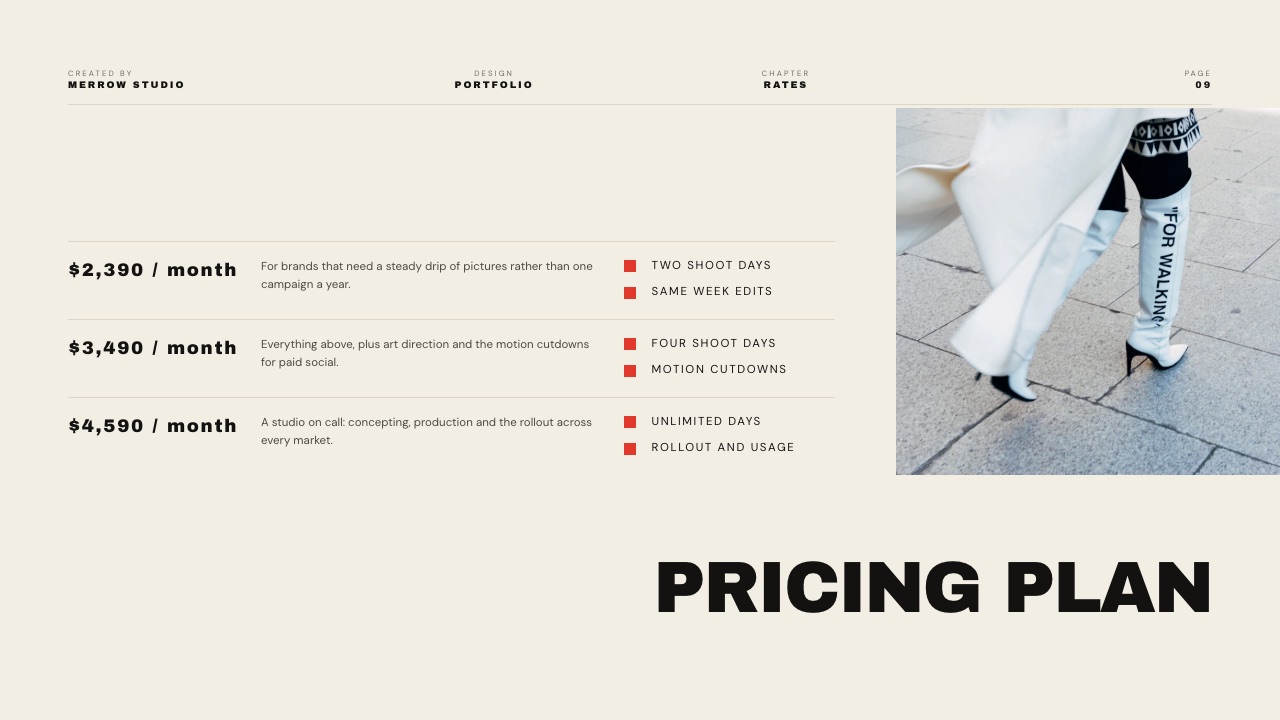
The ten pages clients read in the order they ask their questions, a worked three-collection example, the one pricing study worth designing around, and where to build and send the guide.
Stan Store charges rent and Gumroad charges commission. On a $20 pack the commission wins below $232 a month and loses fast above it, unless you value the one thing only Gumroad does: handle your sales tax.
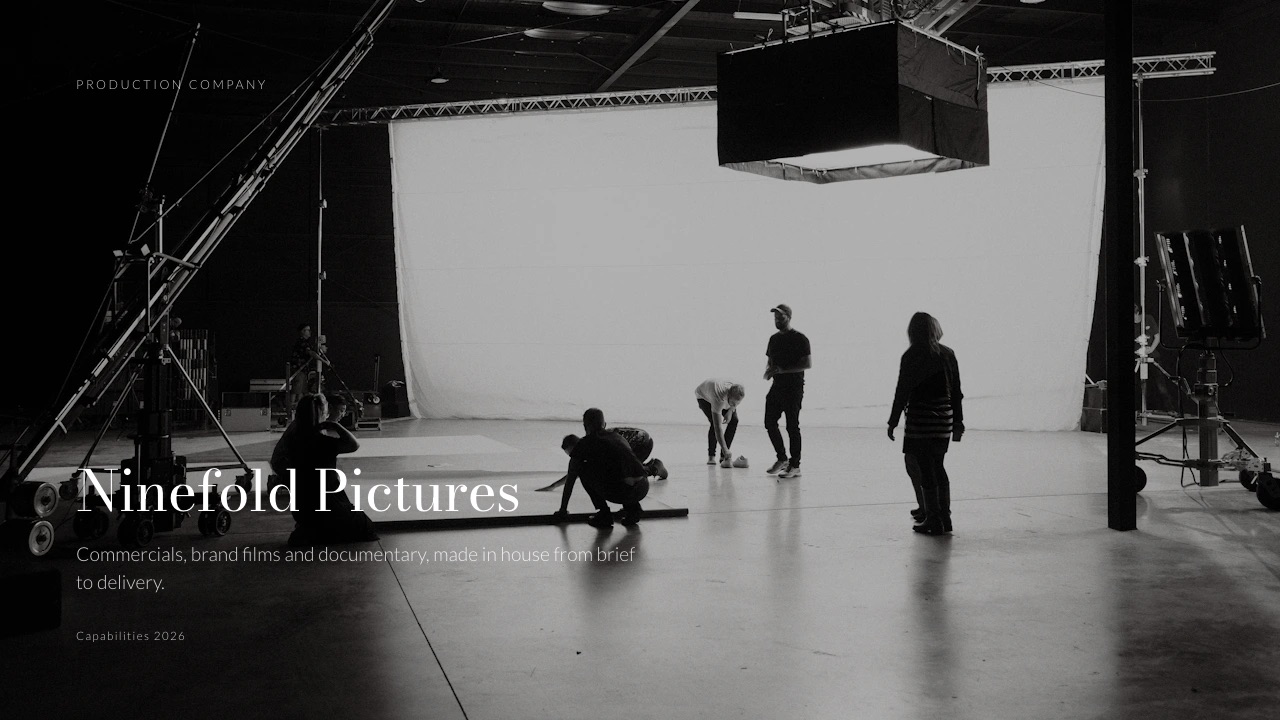
A creds deck is read to cut ten agencies down to three. Here is the slide order that survives that read, the master-plus-tailored system, and the tools that build and send it.
Why one per-video number undersells you, what Billo, Insense, JoinBrands and Collabstr actually publish, and two worked rate cards you can copy, for a beginner and for an experienced creator.
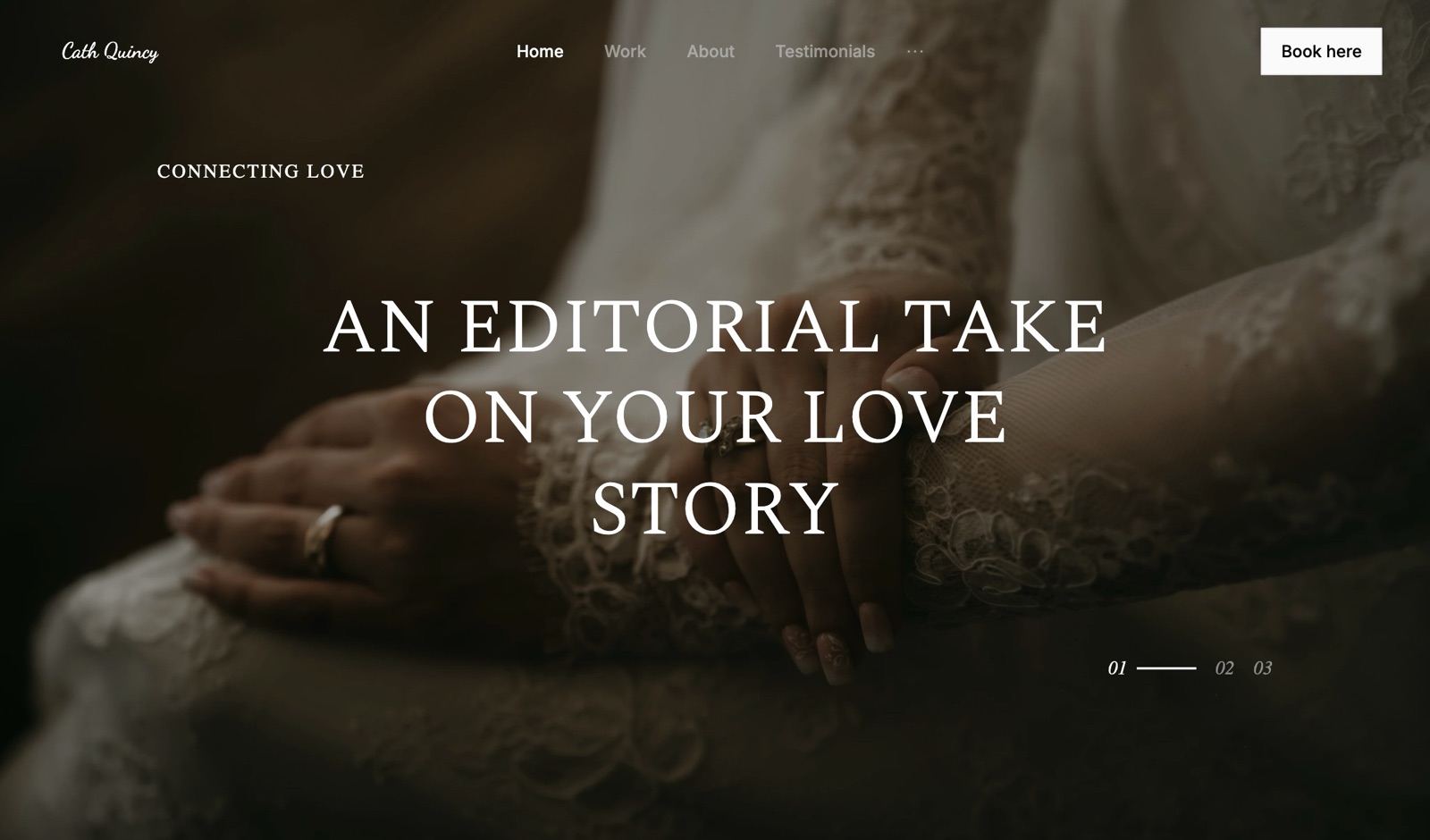
Pic-Time charges its commission on your profit, not the sale, and the rate falls as you climb. Here is every plan, every storage limit and the order maths that decides which one pays for itself.
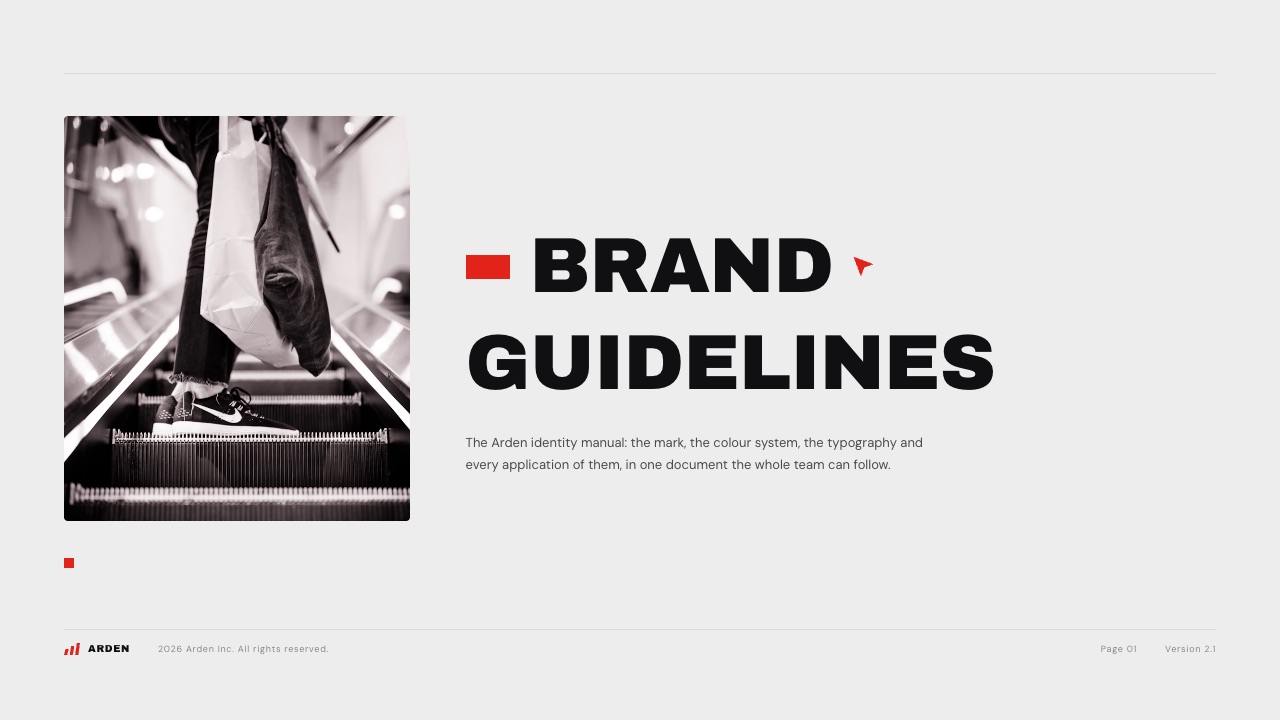
A free plan is only free if the deliverable survives it. Here are 11 free filmmaking tools compared on the three limits that decide it: file size, length and whose badge the client reads.
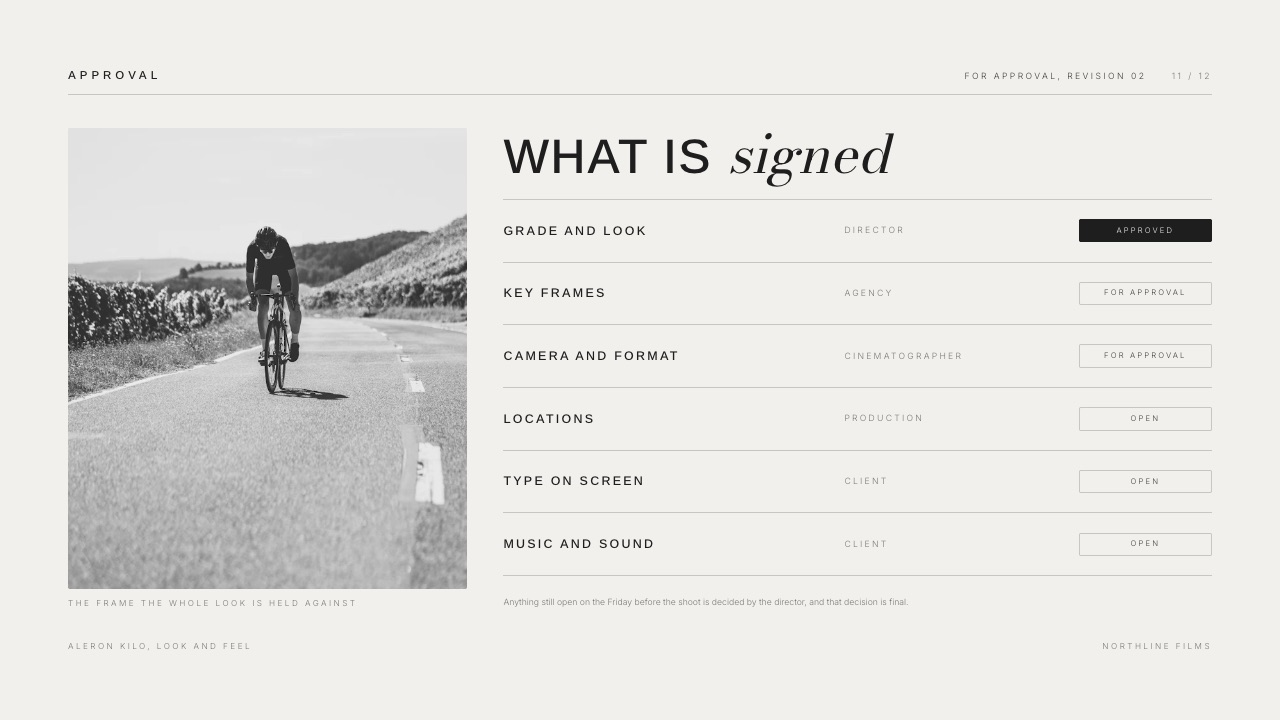
First-round approval is bought before the timeline exists. Here are the three checkpoints that cost two hours each project, and the exact sentence to ask for when you send the cut.
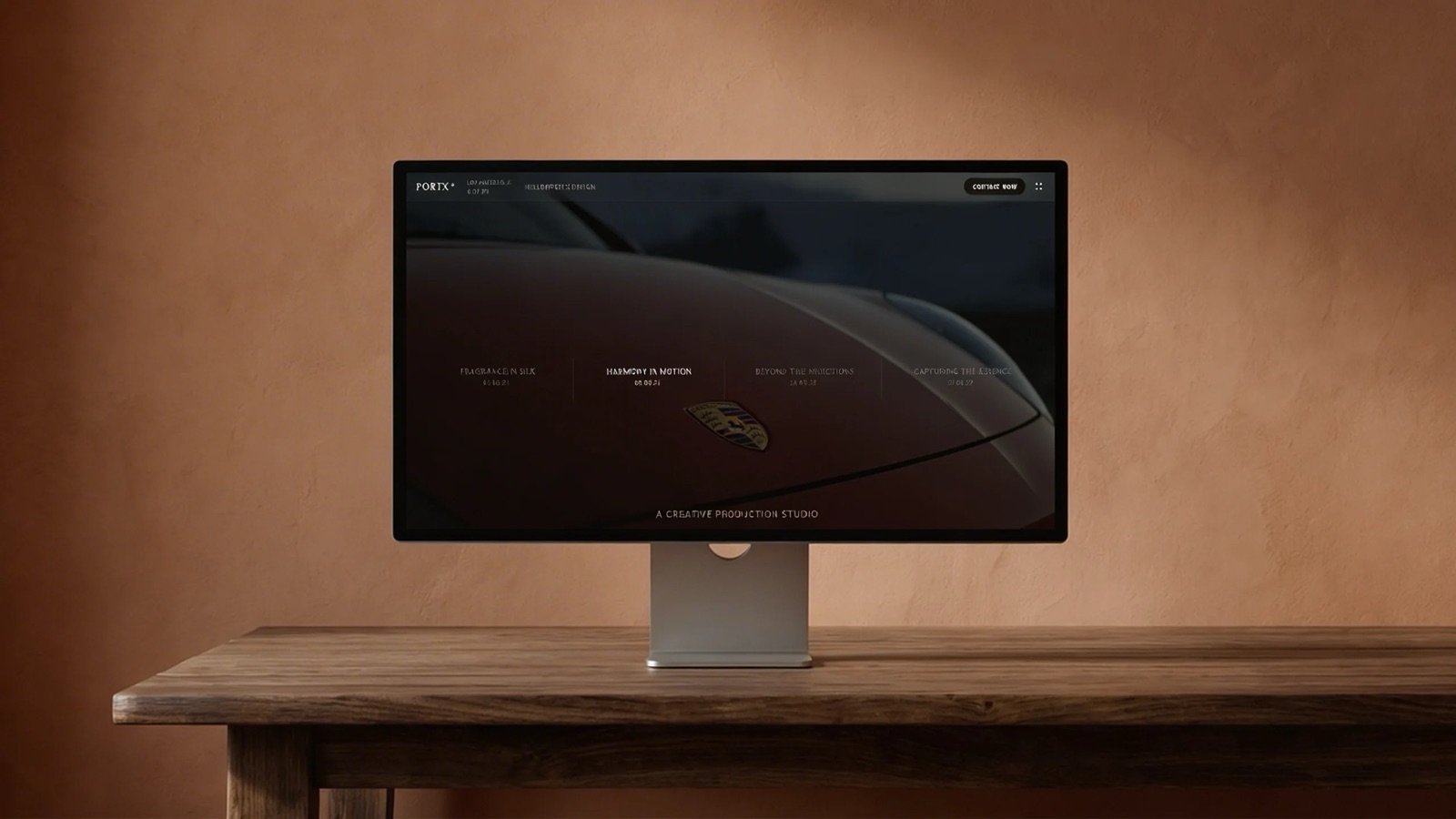
Five client-facing subscriptions cost one freelancer $1,243.20 a year and sent clients to five different websites. Here is what one account replaces, what it does not, and the arithmetic behind both.
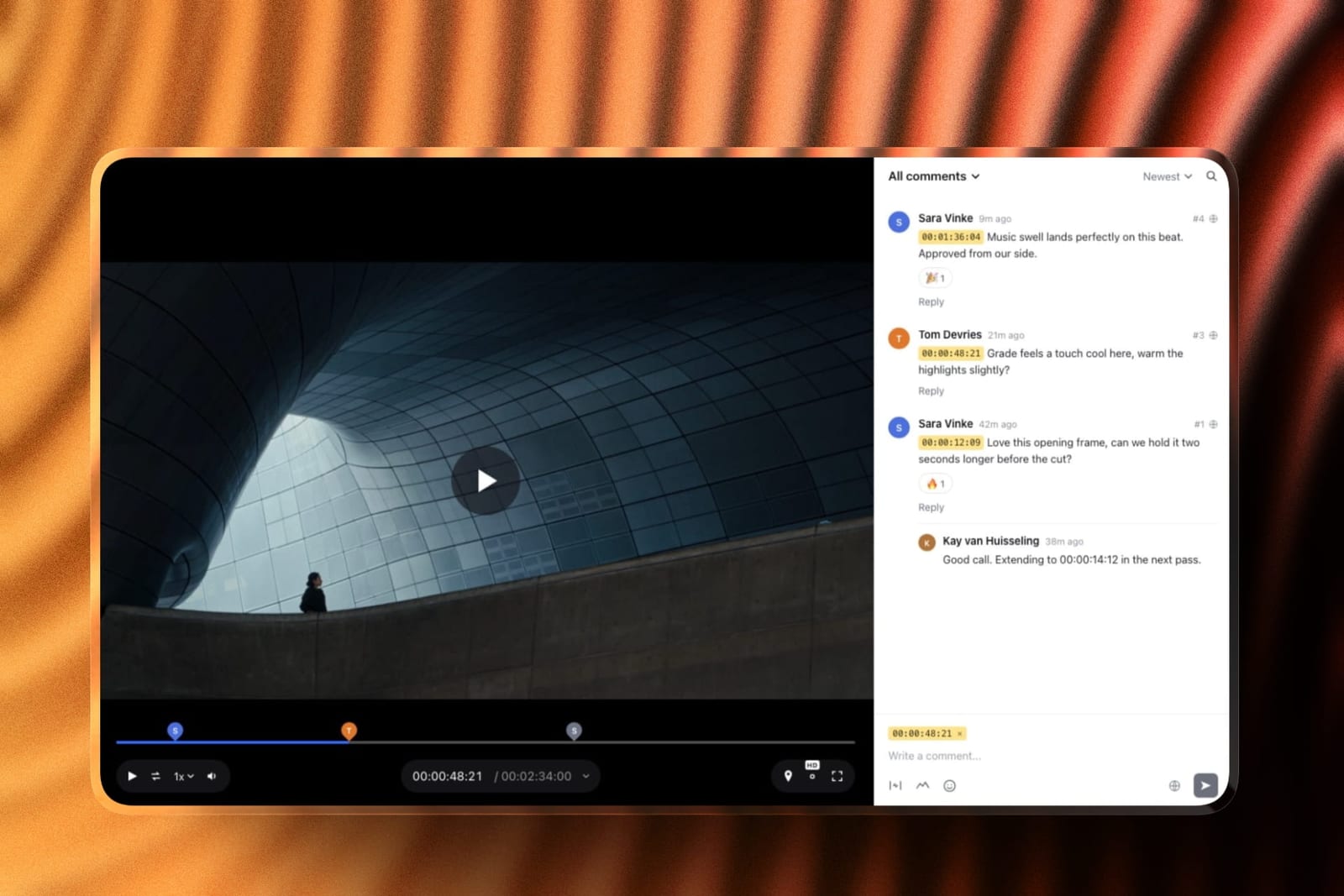
Delivery is a spec problem. The handover that generates a follow-up email is the one that shipped a single file and no spec sheet. Here is the checklist, the file list and the delivery email.
A freelance income has quiet quarters, so the free tier is not a trial, it is the plan you fall back to. Here is what twelve photography tools actually give you before you pay.
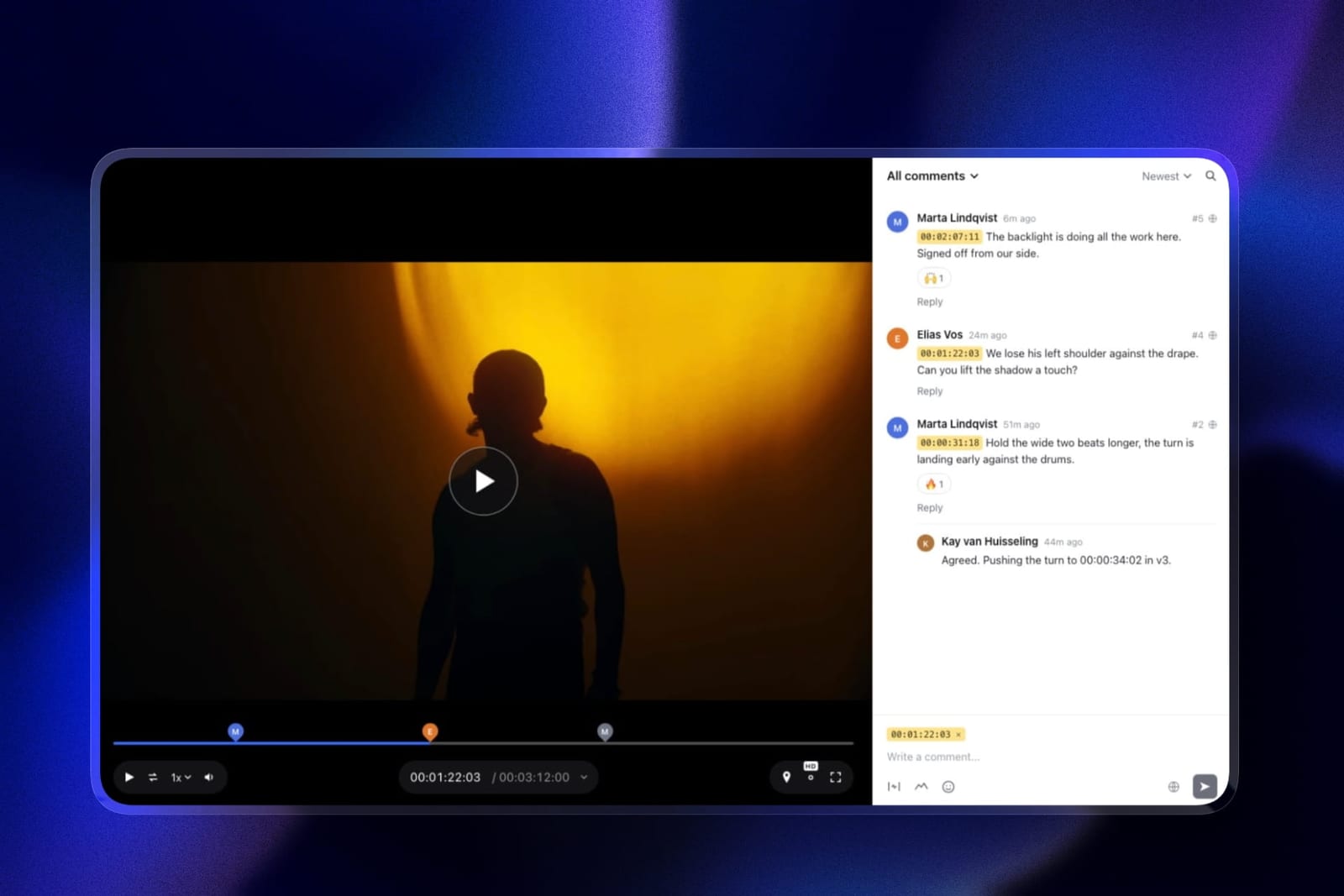
Unlabelled work in progress gets judged as finished work. Here is the frame to put around a rough cut: what to call the version, what the covering note must say, and how to lock the link.
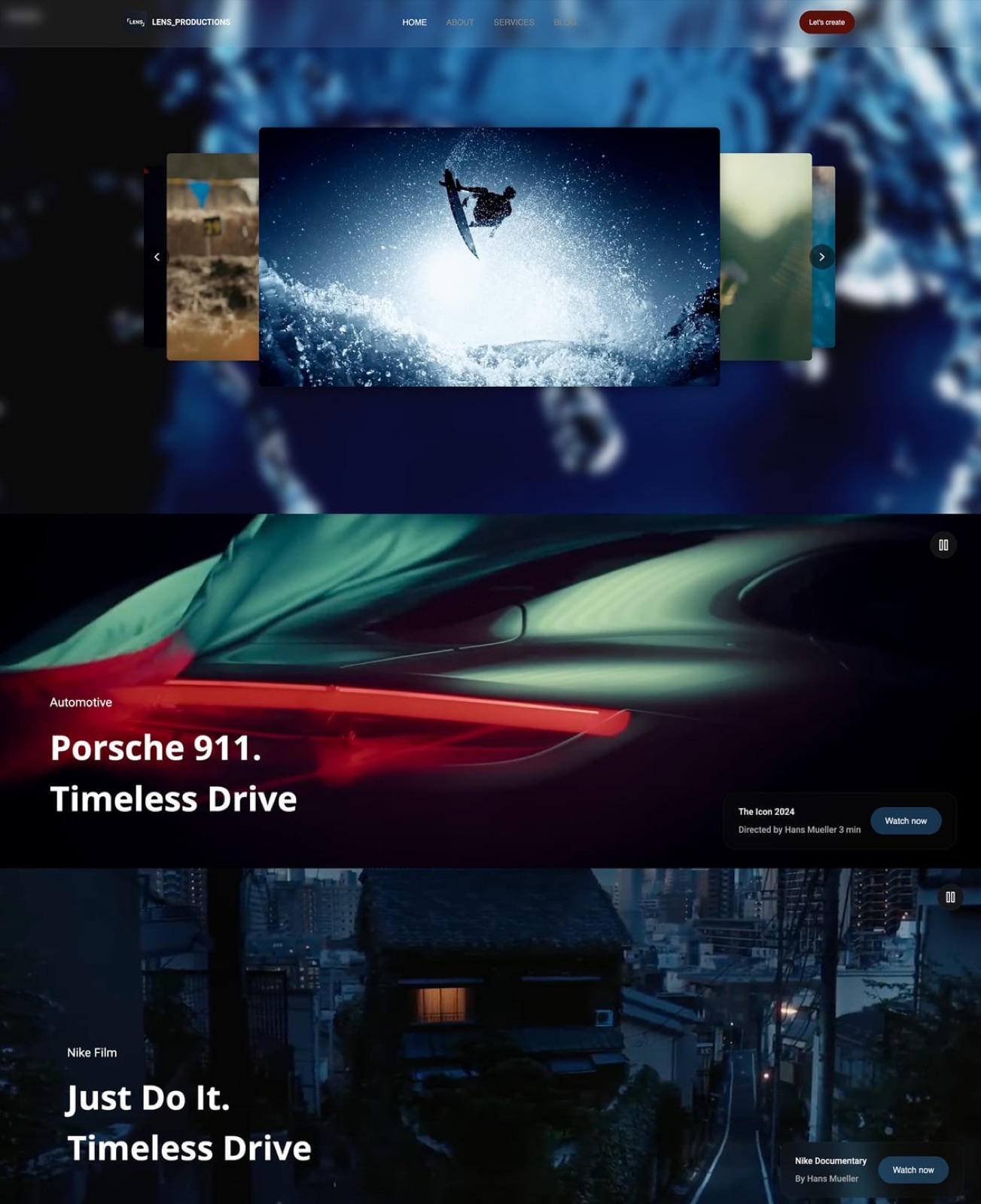
Your editing suite can cost nothing. The four subscriptions wrapped around it are where a freelance editor's software budget actually goes, and that is the half worth arguing about.
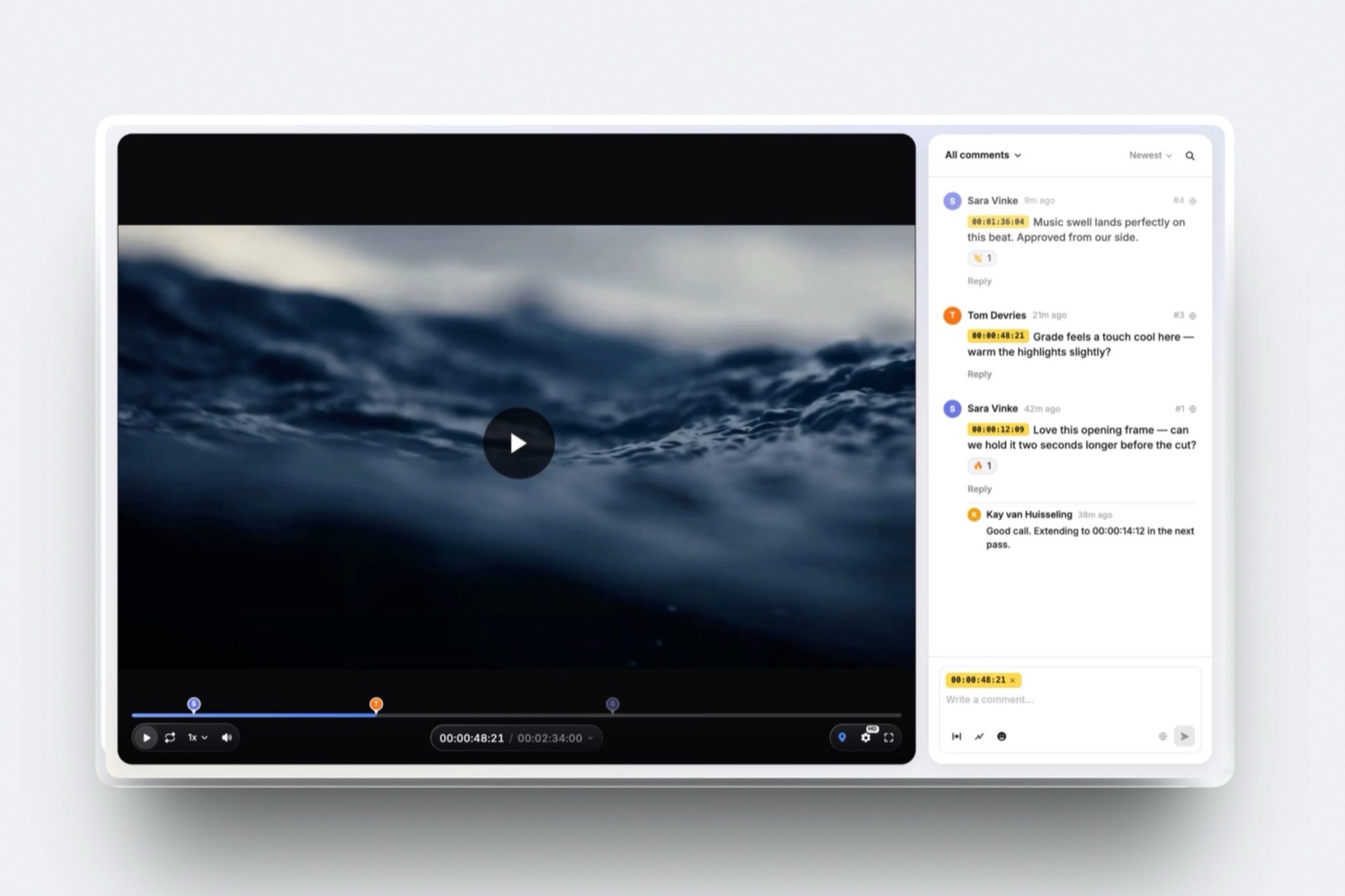
A guide written for the person typing the notes, not the person cutting the film. Timecode every note, describe the problem instead of the fix, and send one consolidated list from one decision maker.
Almost every review tool a small video team shortlists charges per seat, so the bill grows with the crew. Here is what twelve apps cost for four people, and the one case where paying per seat is still right.
A workflow is four named states and a rule for who ends each one. Most freelance setups have no state for approved, which is why jobs stall at 90 percent done for three weeks.
Every gallery platform counts something different, and the meter you pick decides your annual bill more than the sticker price does. Twelve tools compared on both.
Revision sprawl is a briefing and capture problem, not a client-character problem. Here is the seven-step system that caps rounds, consolidates notes and prices the change nobody agreed to.
A one-person film business breaks on administration, not features. Twelve tools ranked on what they cost across a year and how many separate accounts you are left running.
Email and WeTransfer do not fail at sending. They fail at receiving, because notes come back as prose you have to translate. Here is the seven-step version that gets timecodes instead.
Most creative workflow lists rank the half of the stack only you touch. This one counts the half your client touches too, and prices both halves against each other.
Two people, one location, no guest list. Elopement delivery has different pressures from a wedding, and we compared 10 client galleries on every one of them.
Your gallery reaches the guest list whether you planned for it or not. We compared 8 client galleries on letting people view without handing over every file.
Circle looks like the affordable one at $89 a month against Kajabi's $143. Then you add Circle's 2 percent on paid memberships and the order reverses at about $2,700 a month, which a 150-member community clears easily.
The first time a couple sees their wedding photos should not be a scroll through a grid. We compared 7 client galleries on the slideshow that changes that moment.
A wedding gallery reaches forty people who just watched you work. Here is how to turn that into enquiries, without turning the delivery into an advertisement.

Your gallery reaches guests, family and colleagues who all fit your ideal client profile. We compared 9 client galleries on capturing those emails, and on when doing so is a mistake.
A gallery in the wrong language turns your delivery into a puzzle. We compared 8 platforms on which languages the client-facing gallery actually speaks.
Qwilr is $420 per seat a year, and the tier with custom branding has a five-seat minimum. We rebuilt the same proposal in ten alternatives.
Loom's free plan stops recording at five minutes, which is exactly where a useful walkthrough begins. We recorded the same video in nine alternatives.
DocSend charges $90 a month for each user above three, and has no free tier at all. We sent the same seed deck to 40 investors through ten alternatives.
One of these platforms never takes a cut. The other takes 7% of every order forever. On a modest print year that is the whole comparison.
Both are archives, and they are archives for different reasons. One is the cheapest place to keep everything, the other is the place an archive earns money.
SmugMug will hold every photo you ever shoot. Framekit will not, and it will not take a percentage of your prints either. Here is which of those two facts matters more to you.
A pitch deck costs anywhere from nothing to $25,000, and the gap is mostly about who writes the story. Here is what each tier buys and the four hidden costs.
Pic-Time sells prints while you sleep. Framekit has no print store at all. If you sell prints, this comparison is short, and if you do not, it is short in the other direction.

A refunded sale can leave you worse off than never making it, because most platforms keep their cut and processors do not return theirs. Here is what each one actually does, and the one rule that saves the most money.
CloudSpot gives you invoicing, contracts and scheduling with your galleries. Framekit gives you a website. Both are bundles, and the right one depends on which bill you are already paying twice.
Nearly every revision spiral starts in the brief. Here are the nine sections that matter, the five questions that get information out of a client, and what to leave out.
ShootProof never takes a cut of your print sales. Framekit has no print lab at all. That single difference decides this comparison, and it decides it differently for different photographers.

We tagged the same 94-page feature script in eight breakdown tools and counted the misses. The AI tools found more elements and mislabelled roughly a third of them.
A client gallery is not a web page with photos on it. Here is what one actually does, how the pieces fit together, and when a shared folder is genuinely enough.
A shot list is judged at 6am on a location with no signal, not in an app store screenshot. We built the same 64-shot list in nine tools, took each one on set, and added a tenth for the shot list that goes to the client.
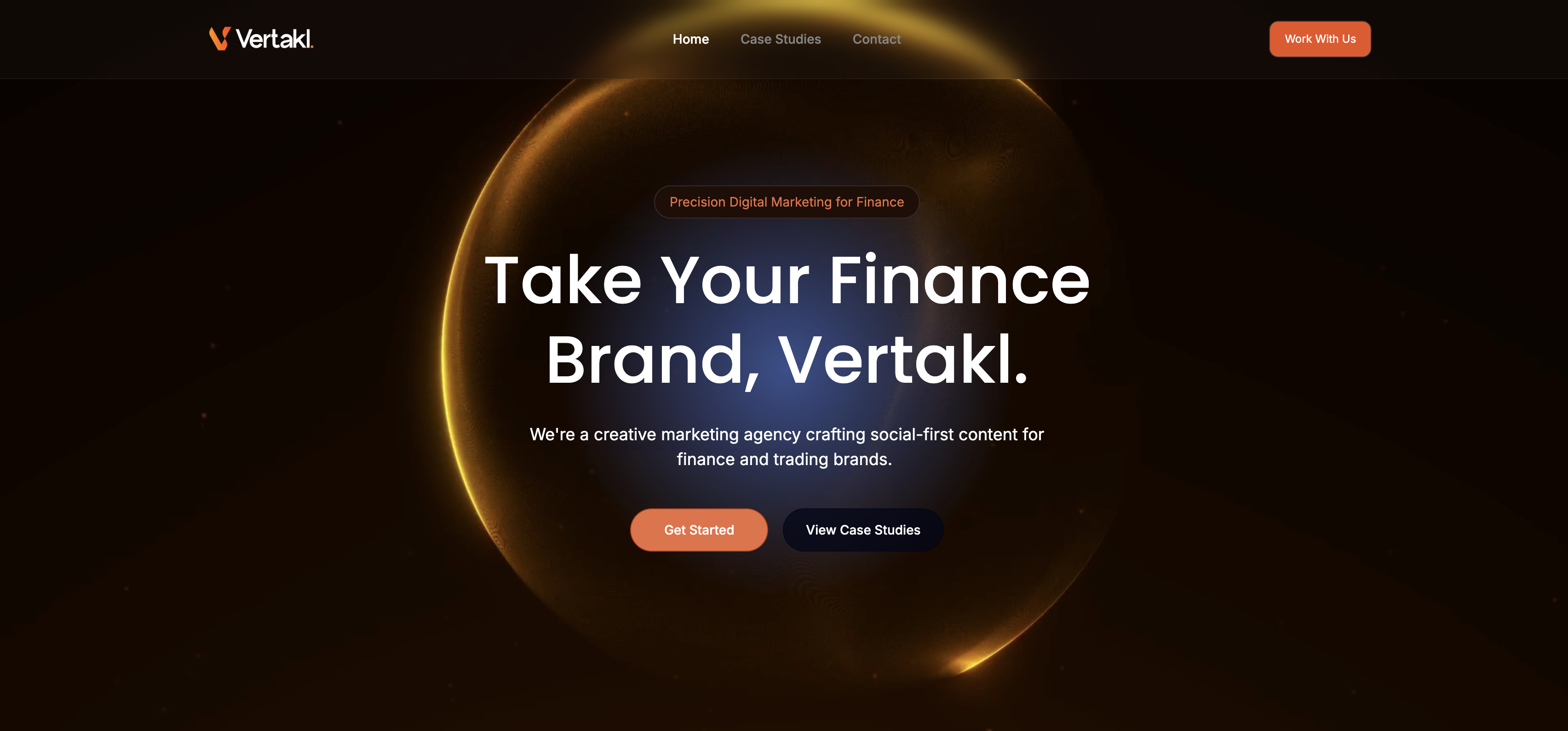
Studios with associates end up sharing one login and hoping. We compared 7 client galleries on team seats, shared branding and collecting files from every shooter.
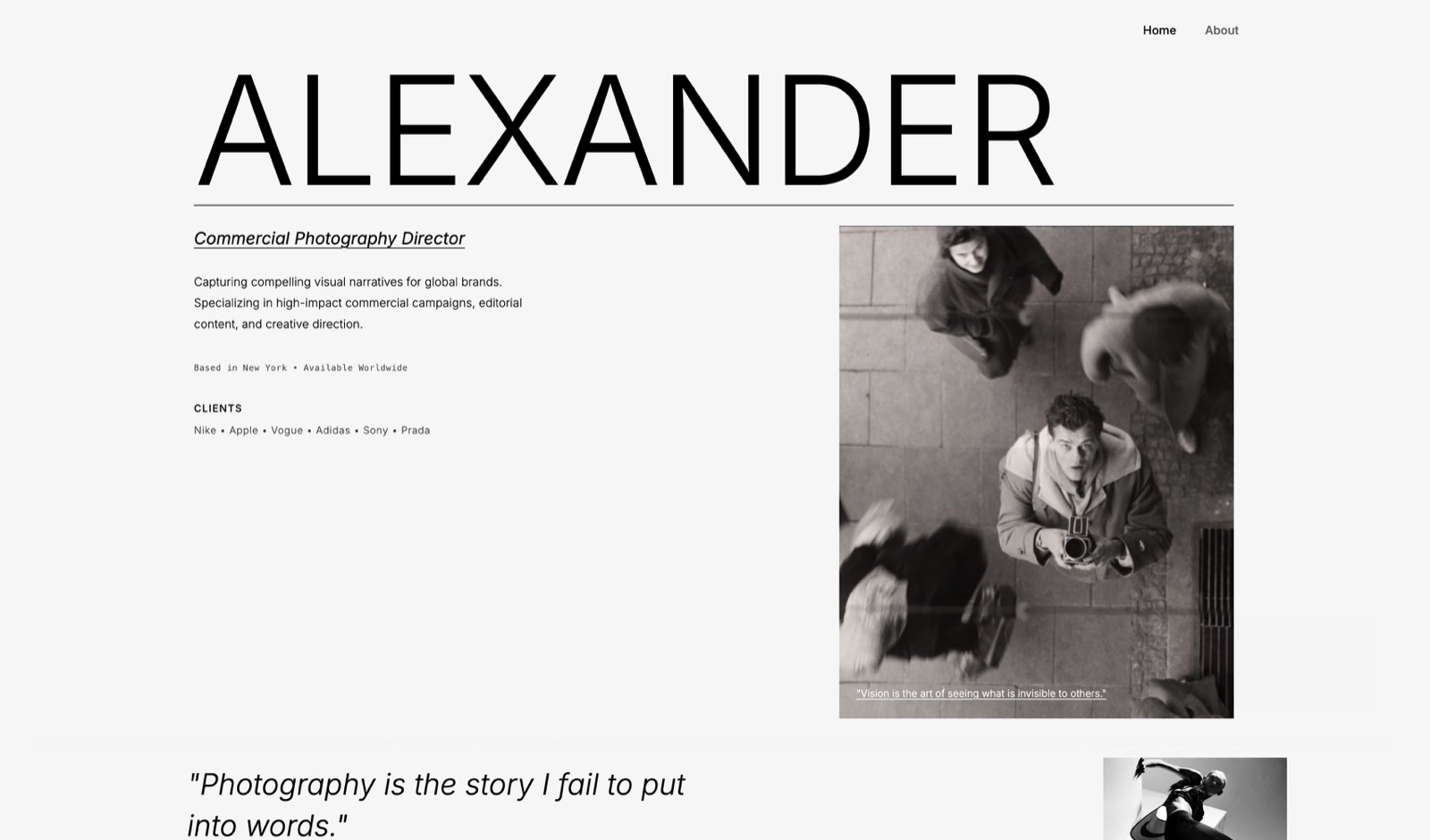
A percentage plan and a flat plan always cross at one point, and it is the price gap divided by the fee you escape. We worked that number out for fourteen creator platforms so you can check which side of it you are on.
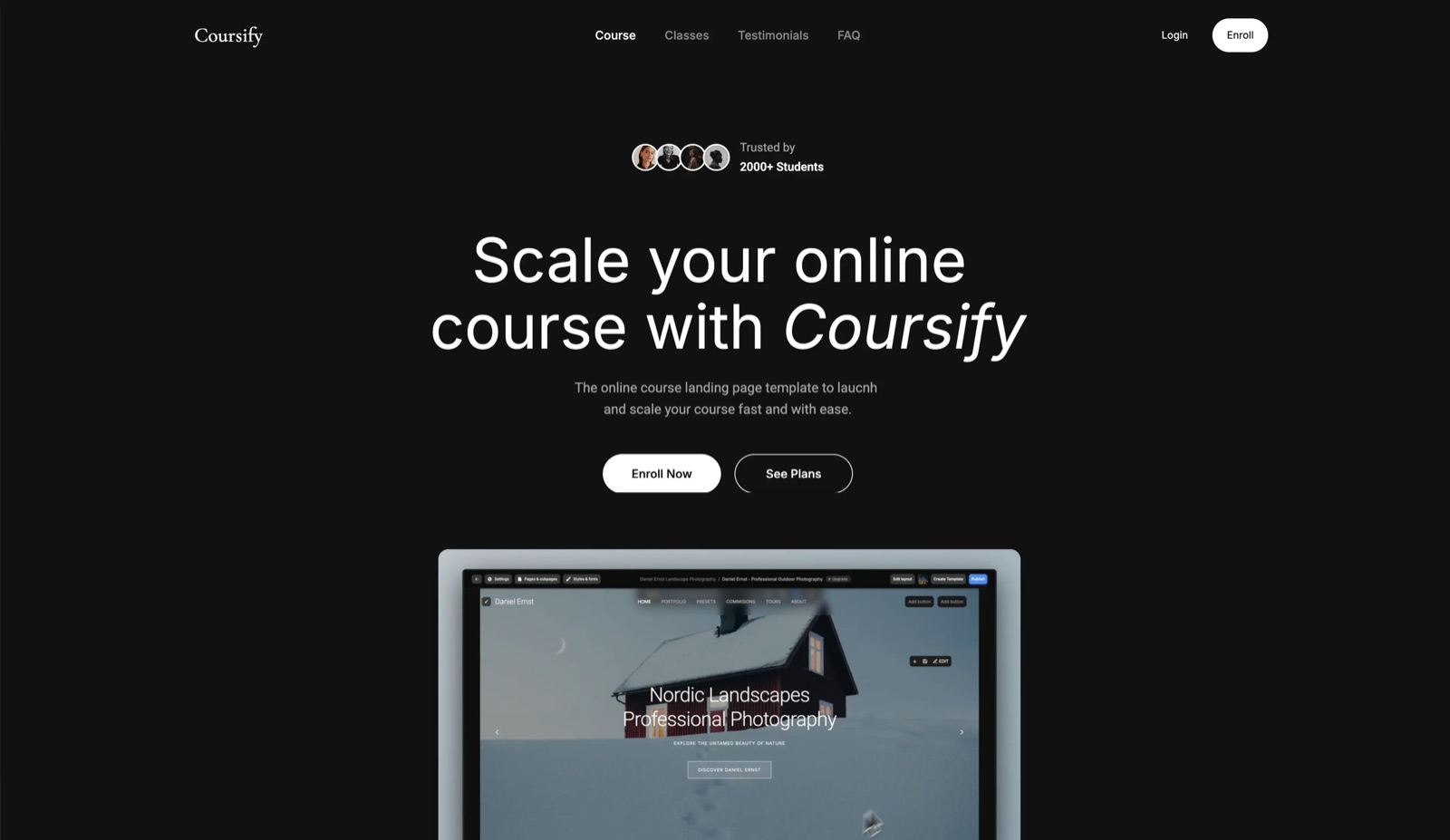
Your media kit's numbers were true on the day you exported the PDF. We built the same creator media kit in eleven tools and measured which ones stay accurate on their own.
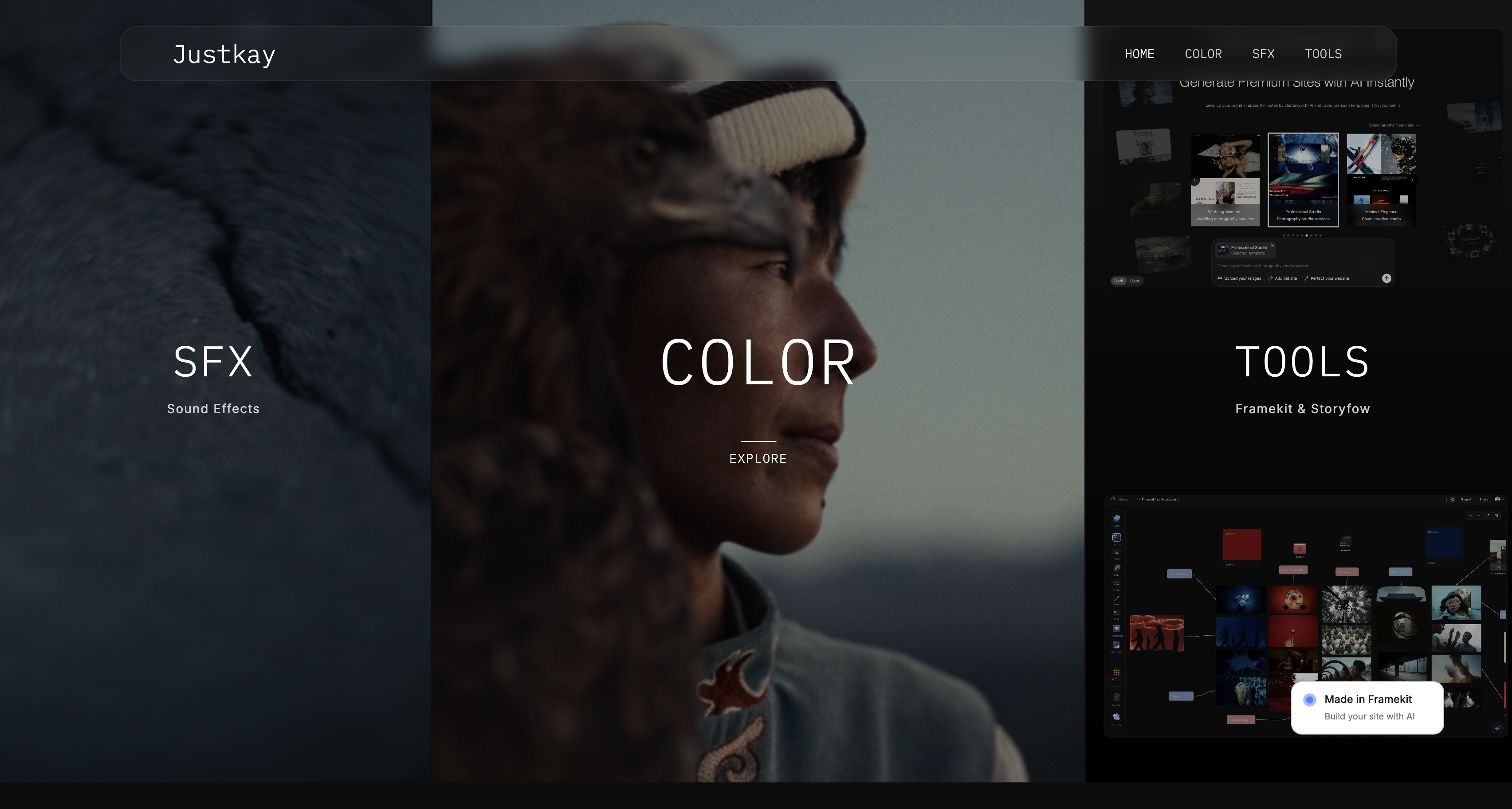
A corporate delivery reaches marketing, HR, legal and an agency. Here is the structure, licensing and access setup that stops your gallery becoming a support ticket.
Most photographers buy storage twice and still run out in August. Here are the real numbers by genre, what each tier holds, and the two habits that halve the requirement.
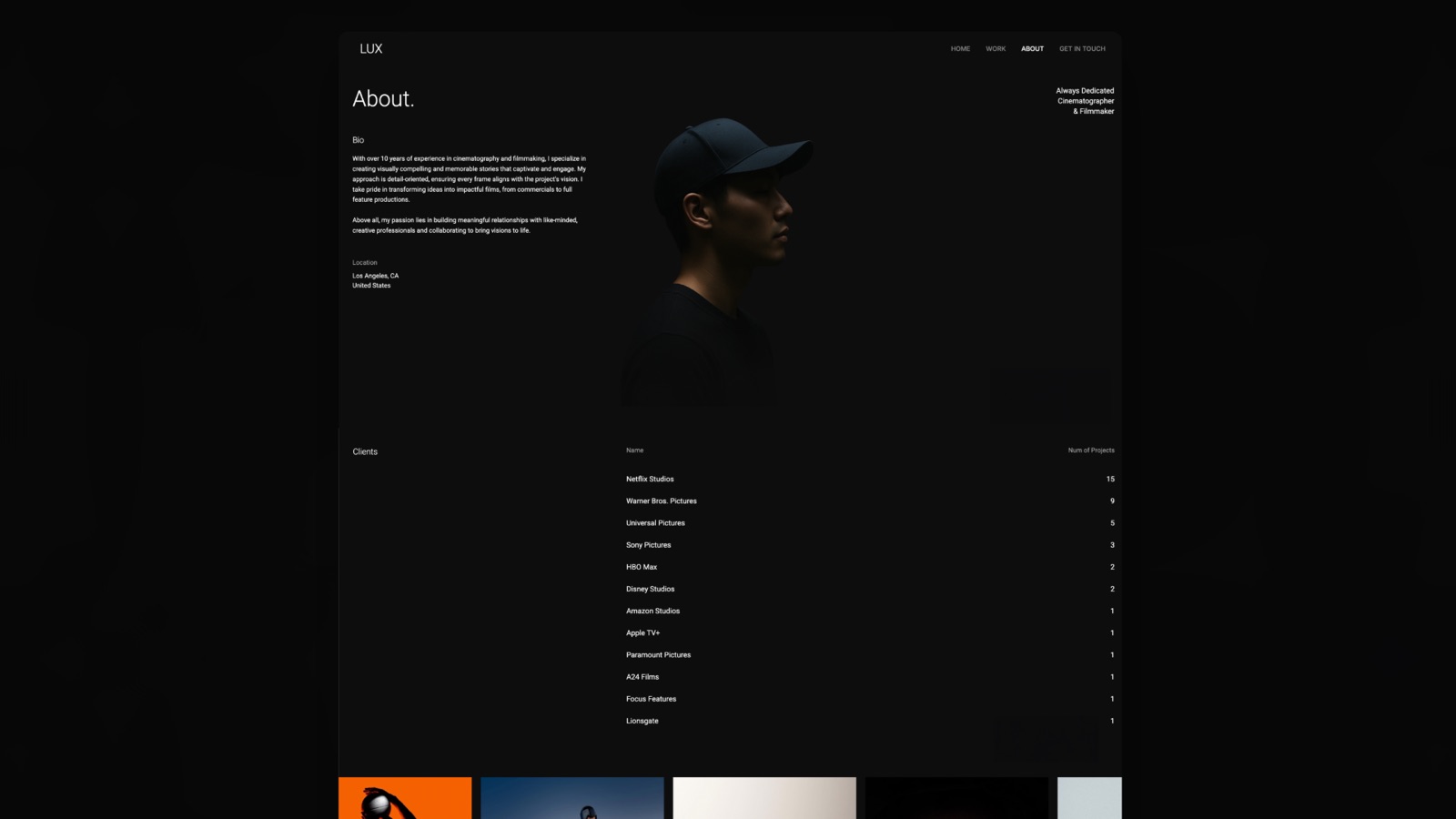
Screen sharing a deck re-encodes it, so your audience sees a worse version than you do. We tested 11 presentation tools for remote teams across live calls and async sends.

Pic-Time is a selling machine with beautiful galleries. CloudSpot is a business system with galleries attached. Here is which one pays for itself, and for whom.
One hotel shoot ends up on a booking platform, a PR release and three agency decks. We tested 9 client galleries on the per-property structure and licensing that hospitality work needs.
Payhip's free plan takes 5 percent and leaves your processor's fee on top. Lemon Squeezy takes 5 percent plus 50 cents and that covers processing, conversion and tax. The headline numbers look similar and the bills are not.
A startup makes four kinds of deck with one budget. We tested ten presentation tools on a seed raise, a board update, and a sales deck, and found where the per-seat maths breaks.
Most client galleries only go one direction. We tested 8 platforms on whether a client can send you files back, and found the feature is rarer than the marketing suggests.
In consulting the deck is not a support for the work, it is the work. We built the same 45-slide report in nine tools and priced a three-person firm on every one.
Two weeks or eight? Here are the real turnaround windows by genre, why the preview matters more than the deadline, and the contract line that stops the chasing emails.
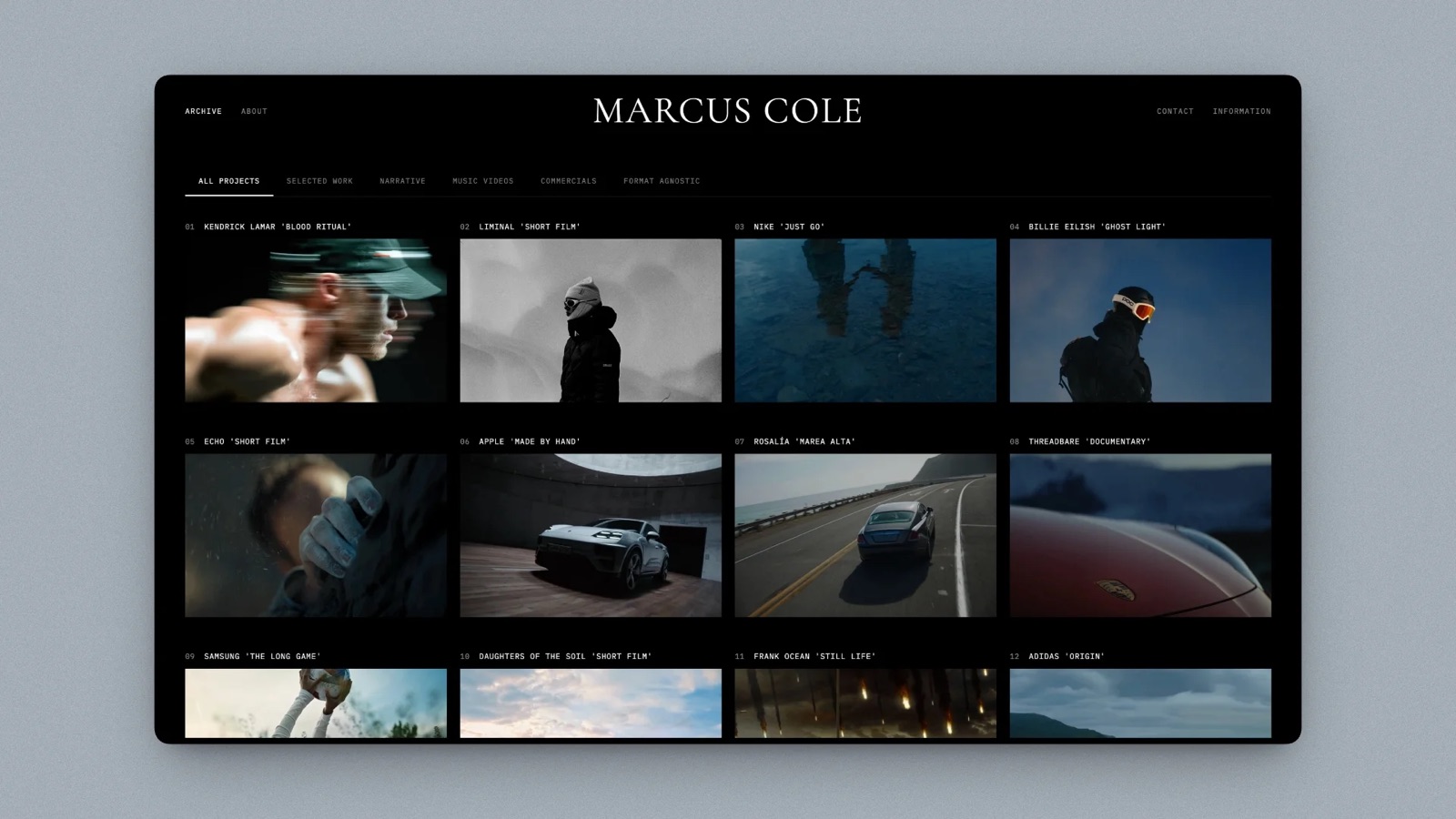
Your pitch is four motion references and forty stills, and a PDF flattens the motion and compresses the stills. We tested 11 presentation tools on a real commercial pitch.
Everyone quotes Milanote's 100-item free limit. The one that actually stops you is 10 file uploads. We rebuilt the same film project board in ten alternatives.
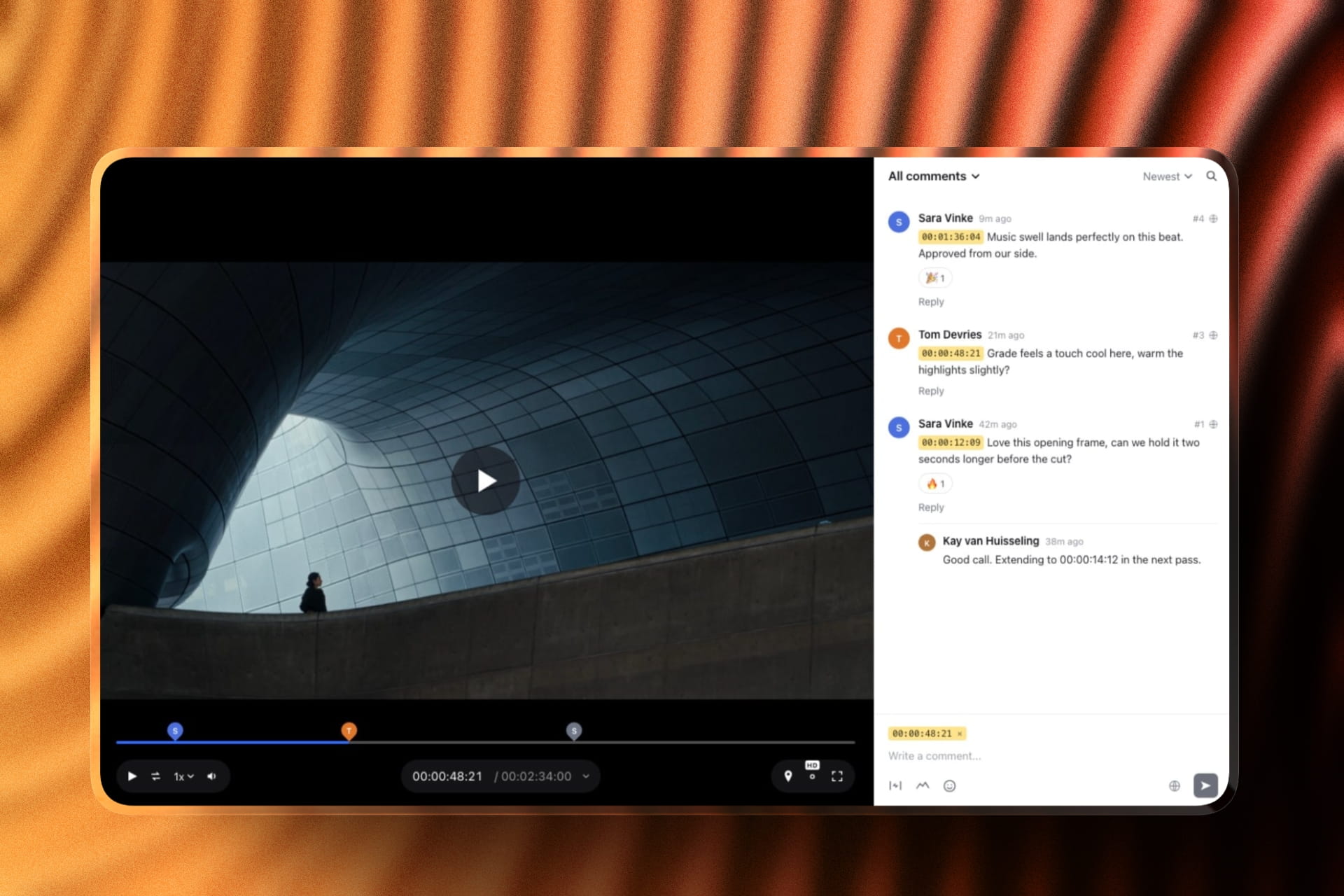
These two are compared constantly and barely compete. One runs approval rounds with art directors, the other sells prints to families. Here is which job you are actually doing.
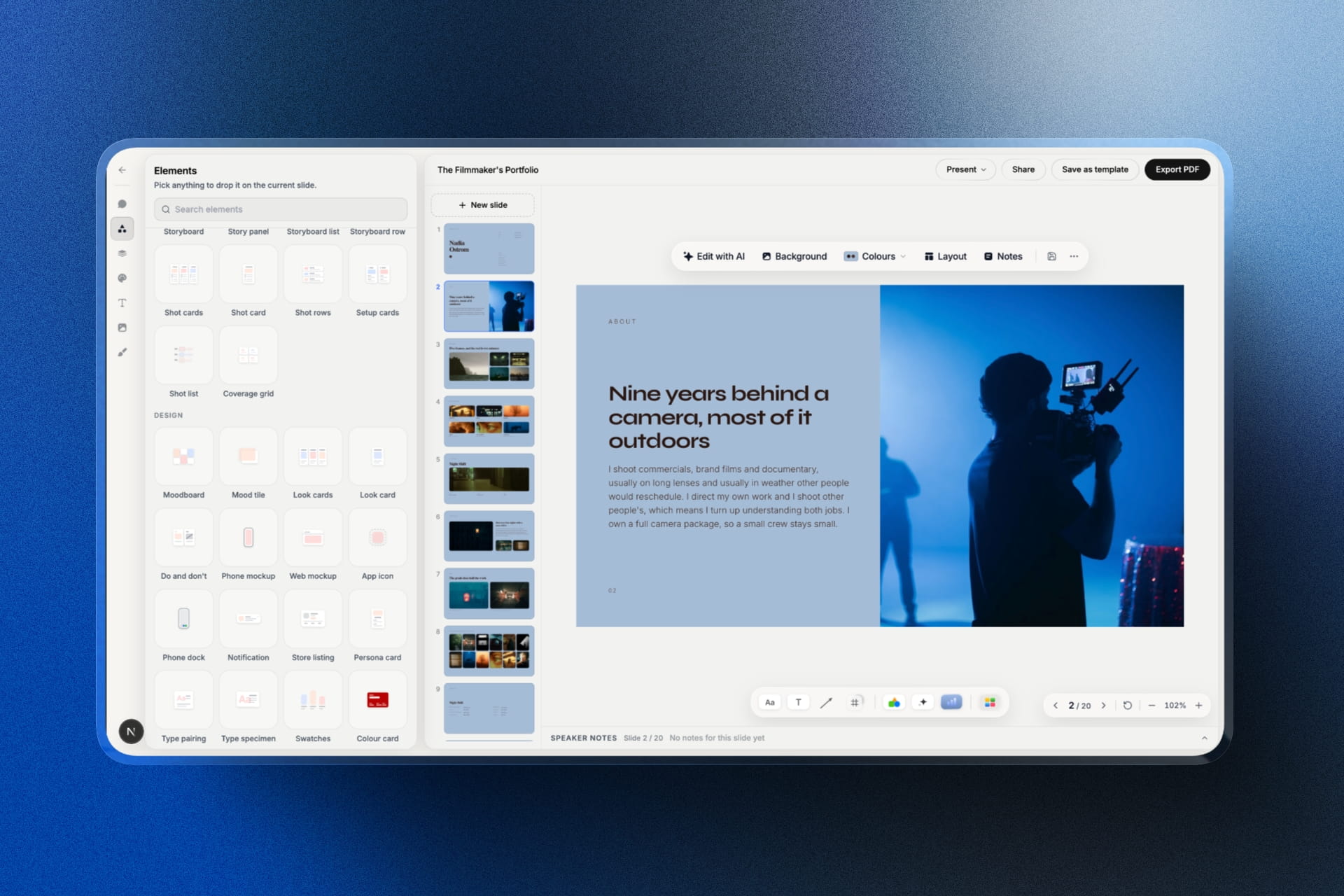
You already pay for a website. Do you need a second subscription to deliver photos? Here are the three setups that work, what each costs, and which one you already half own.
The gallery you cannot find in eighteen months is the reprint you do not sell. Here is the naming and structure system that survives a busy season and an archive drive.
A wedding day now produces a gallery and a film, and most photographers deliver them from two services with two brands. Here is how to make it one handoff.
A third of clients never download their gallery, then ask for it a year later. Here are the five reasons they stall and the reminder sequence that recovers most of them.
Print sales fail for three reasons: no path in the gallery, prices set from lab cost, and a delivery that never asks. Here is the setup that sells, and the margin each route keeps.
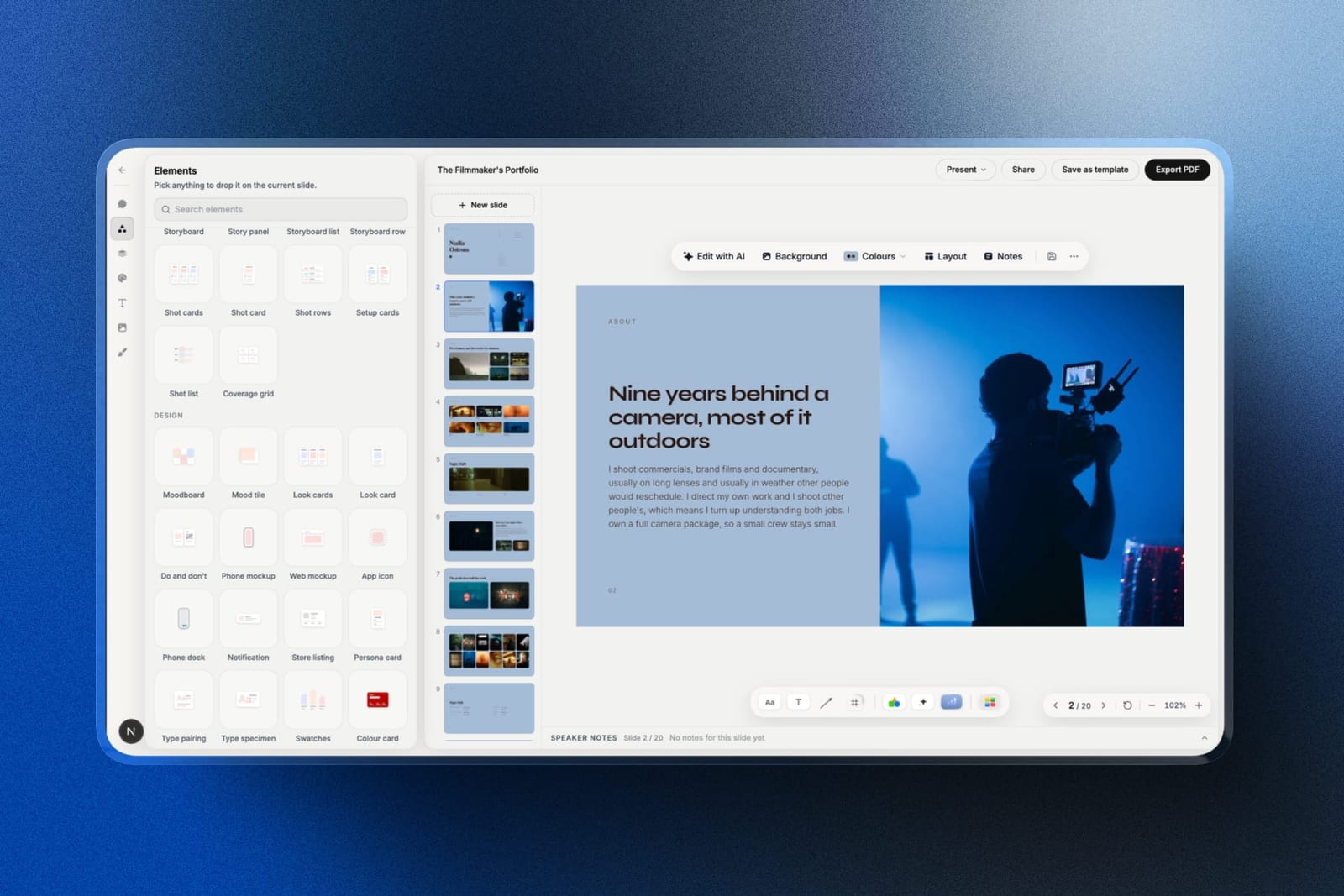
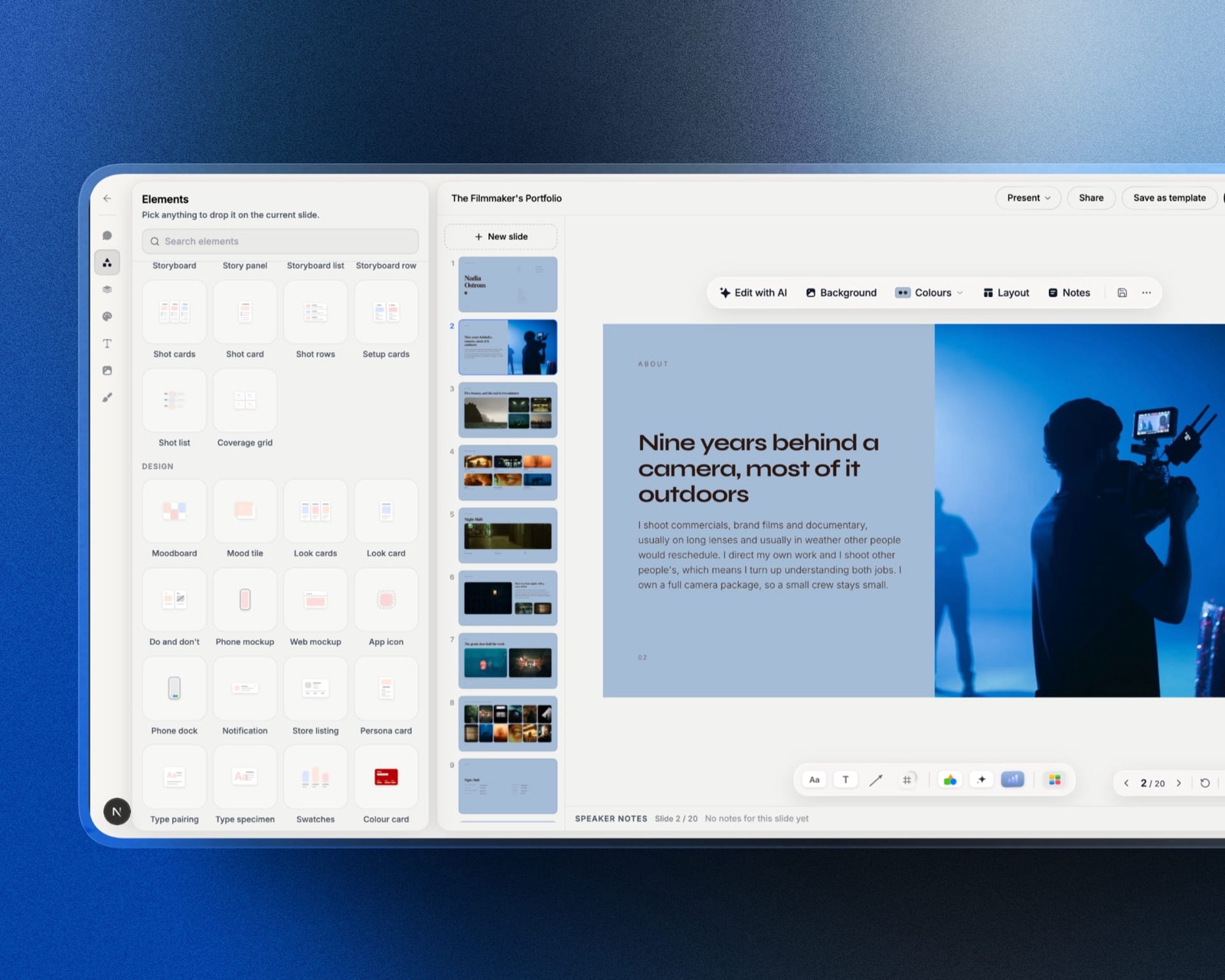
Pitch is priced per seat in euros, and the link analytics people sign up for sit two tiers up. We rebuilt the same deck in eight alternatives, added Framekit Slides, and priced a four-person team on every one.
Dropbox is where your working files belong and where your client delivery goes to die. We ran the same job through both to show exactly which half of the workflow each one owns.
Storydoc has no free plan and no slide export, so everything you build there stays there. We rebuilt the same proposal in nine alternatives, reviewed Framekit Slides alongside, and priced a full year of sending it.
Thinkific gives you unlimited courses on a 39 euro entry plan and keeps its own branding on your website and products until you reach 159 euro a month. That gap is why most people go looking, so we priced ten alternatives against the same six-course business.
Sellfy's zero transaction fee comes with an annual sales ceiling, which turns a flat plan into a calculable percentage: 3.48 percent at the Starter cap and 1.42 percent at the Business cap. Gumroad's 10 percent excludes card processing entirely.

Podia looks less than half the price of Kajabi until you find the email allowance. Podia Email is free to 100 subscribers on Mover, 500 on Shaker and 1,000 on Earthquaker, then billed by subscriber count. Kajabi Basic includes 2,500 contacts and Growth 25,000.
Pixieset is the default client gallery for a reason, and its free plan is the most expensive one in the category if you sell. We priced a full year and worked out exactly who should pay for it.
Recital night means 300 families buying prints. A dancer portfolio shoot means one artist and no store. We tested 11 client galleries across both halves of dance photography.
A car shoot becomes a listing, a launch deck and a press kit within days. We tested 7 client galleries on per-vehicle structure, turnaround and multi-party delivery.
Client gallery pricing hides in three places: the subscription, the commission and the cap. We priced every major platform on the same photography business and worked out what each model really costs across a year.
A concert photo is worth most the morning after the show. We tested 10 client galleries on overnight delivery, credits, embargoes and getting files to bands, labels and press at once.
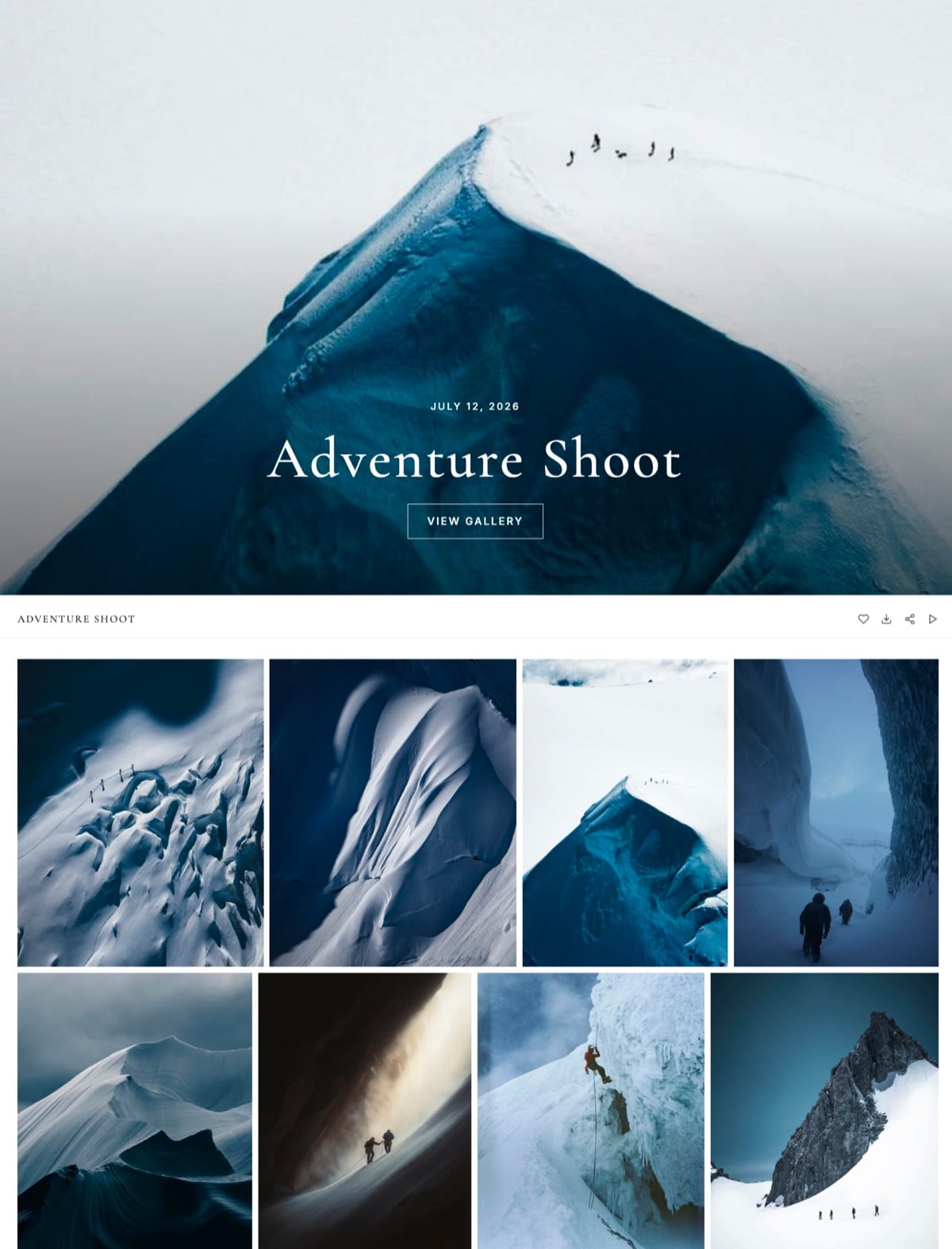
WeTransfer expires links after three days on its free plan. Dropbox keeps them forever and shows your client a list of filenames. We tested both on a 40GB photography delivery and neither is a gallery.
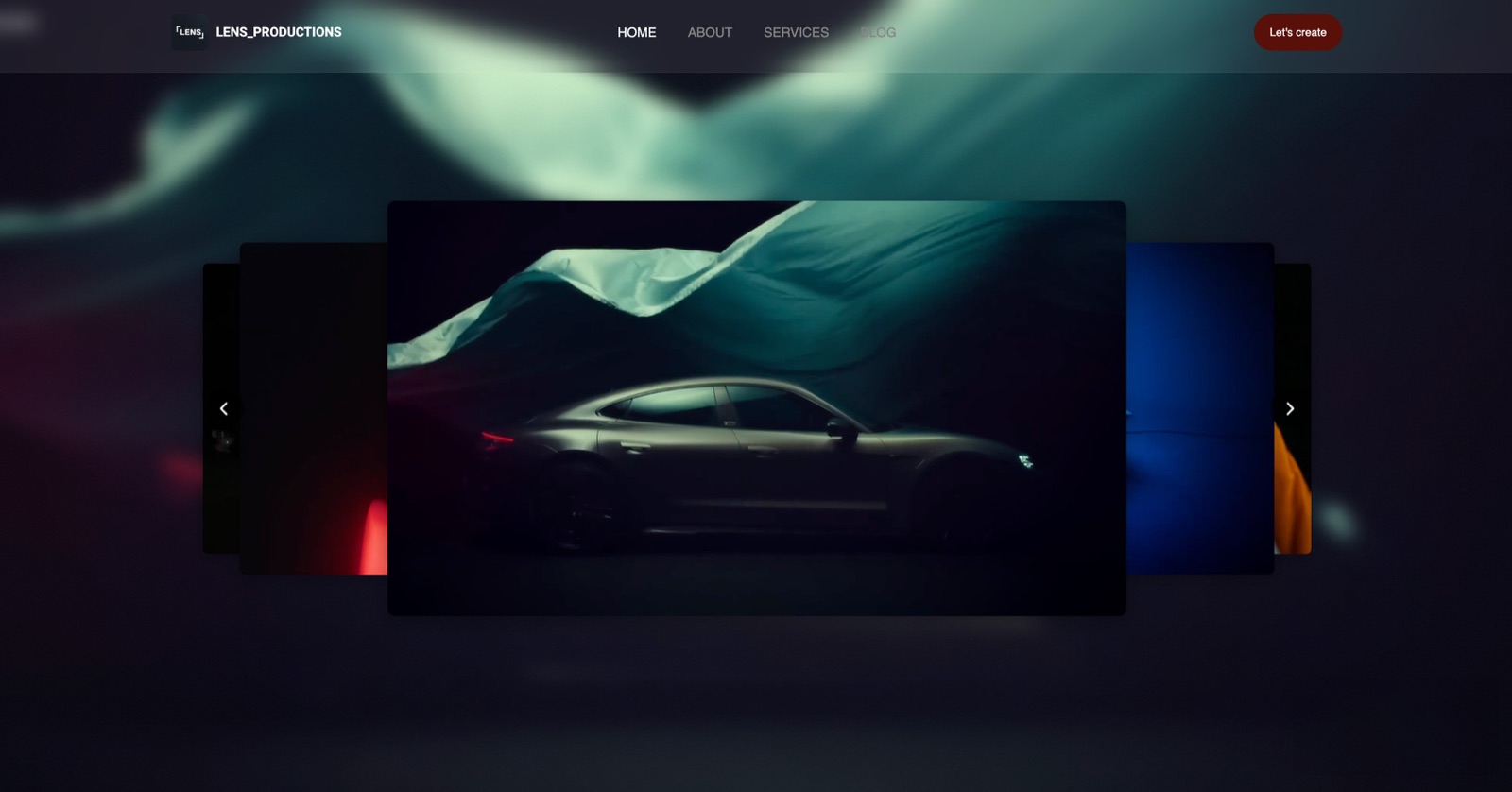
An agency delivery goes to a brand manager, two designers and a legal reviewer. We tested 12 client galleries on team access, asset structure, approvals and white-labelling.
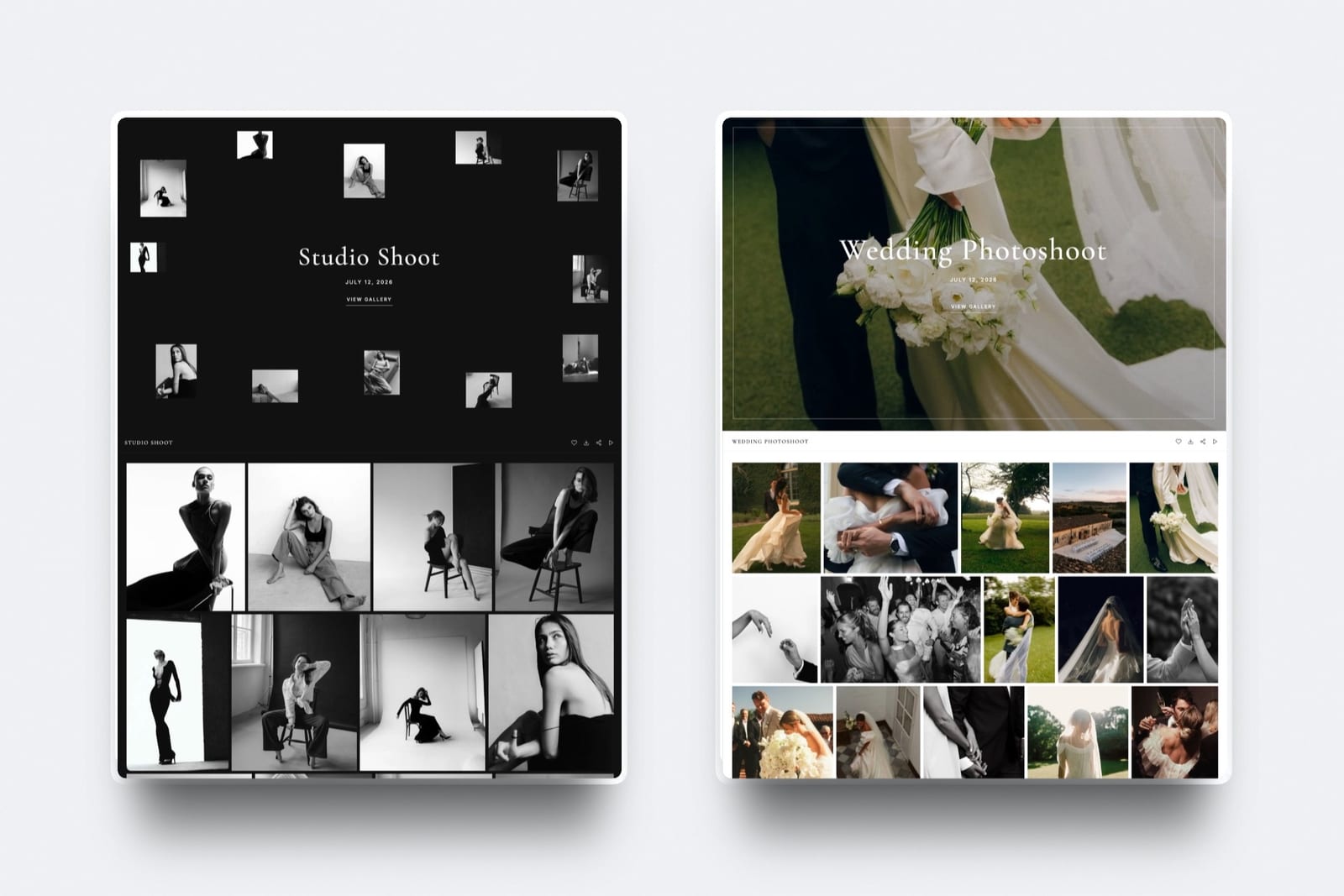
SmugMug gives unlimited storage and takes about 15% of your print markup. Zenfolio charges a flat 7% per order on cheaper plans. We priced a full year on both and found the crossover point.
Moving off Pixieset is mostly a sequencing problem, not a technical one. Here is the export list, what you cannot take with you, and the two-season timeline that avoids breaking a single client link.
Beacons Creator Plus is $300 a year. Stan Store Creator is $300 a year. Both take nothing from your sales, so the comparison is entirely about what the same money buys, and courses, memberships and email land on different sides of the line.
ShootProof charges 0% commission on every plan. Pic-Time charges 15% on free and 0% when you self-collect. We priced a $6,000 year of print sales on both and the winner is not the one with the lower percentage.
Knowing a client opened their gallery three times and hearted eleven images is a sales signal. We tested 9 client galleries on the analytics they expose and which numbers actually change your revenue.
Pixieset gives you unlimited galleries and takes 15% on the free plan. CloudSpot gives you a studio manager and caps cheap plans at 15 galleries. We priced a full year on both and found where each one stops making sense.

Zenfolio takes 7% of every order on every plan. Pixieset takes 15% on free and 0% the moment you pay $10. Here is what that difference costs across a real selling year.
Photographers buy cloud storage for three different jobs and then wonder why one service disappoints. We priced 9 options per terabyte per year and separated backup, working storage and client-facing archive.
Fine art delivery is a viewing room, not a proofing gallery. We tested 8 platforms on presentation quality, edition handling and print fulfilment for collectors, galleries and designers.
Most photographers watermark the wrong images. We tested 11 watermarking tools on dynamic gallery marks versus baked-in exports, batch control and positioning, and worked out when a watermark actually protects anything.
ShootProof never takes a commission. CloudSpot takes 15% until you reach its $17 tier and then hands you invoicing, contracts and scheduling. Here is which one wins, and for whom.
Squarespace runs two separate transaction fees and the digital one is the higher. Shopify charges no platform fee through its own payments and a monthly floor instead. On a 45 euro product the crossover arrives at about three sales a month.
Every gallery advertises unlimited galleries and none of them advertise the per-file cap. We tested 10 platforms on multi-gigabyte deliveries to find where large file delivery actually breaks.
Every photo gallery says it supports video. Almost none of them counts it the same way, and the unit of account is what decides your bill. Here are 12 platforms, priced on one hybrid wedding.

Photo sharing sites split into two jobs: getting seen by strangers and getting paid by clients. We tested 13 of them on reach, image quality, ownership and whether the sharing ever turns into work.
You cannot make a photo unstealable once it is on a screen. You can make it inconvenient, traceable and cheaper to license than to take. Here are the layers that work, in order.
Image hosting for photographers is not the same job as a client gallery. We tested 10 services on storage cost, URL permanence, embedding, compression and what happens to your links when a plan lapses.
Photos of identifiable people are personal data, which makes your client gallery a processing tool. We checked 9 platforms on hosting location, published DPAs, retention controls and deletion.
Most photo sharing tools call an unguessable link privacy. We tested 7 password protected photo sharing tools on the controls that actually matter: per-gallery passwords, PINs, expiry, download permissions and watermarking.
A client gallery costs $100 to $350 a year and replaces something free. Here is the honest arithmetic on what it returns, and the three types of photographer who genuinely should not buy one.

Most tools that advertise white label galleries only let you add your logo to their page. We tested 12 on the four things that actually decide whether a client can tell: the domain, the footer, the email and the checkout.
A picture editor wants 14 frames by six o'clock, captioned, with clear usage. We tested 12 client galleries on the selects, metadata and embargo problems editorial work creates.
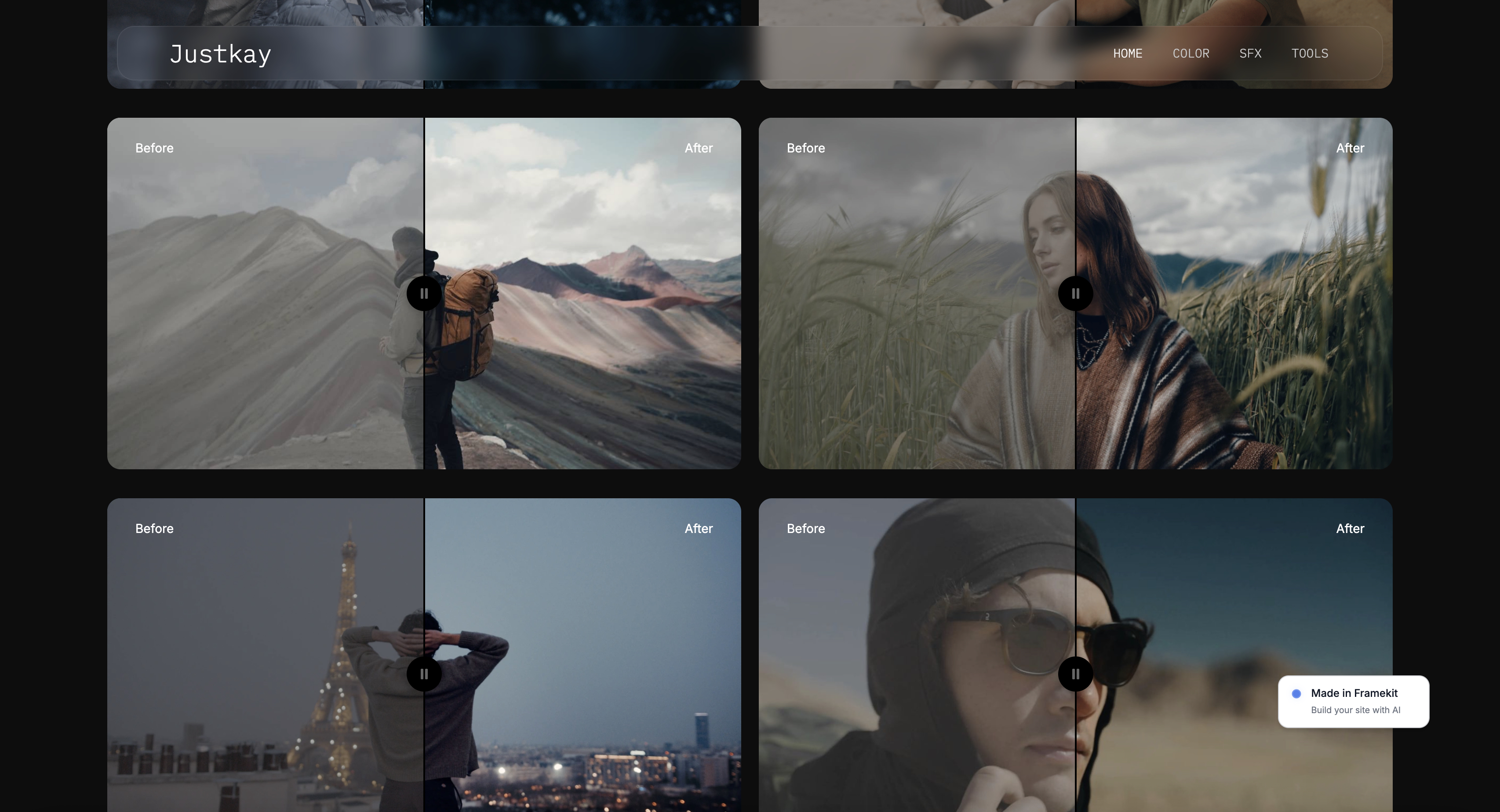
Every free client gallery plan charges you somewhere: a 15% commission, a three-gallery cap, or a vendor logo on your delivery page. We tested 9 free tiers to find which ones a working photographer can actually live on.
A gallery is the most-viewed page your studio produces and usually the least branded. Here is what to control, in what order, and what each platform lets you change.
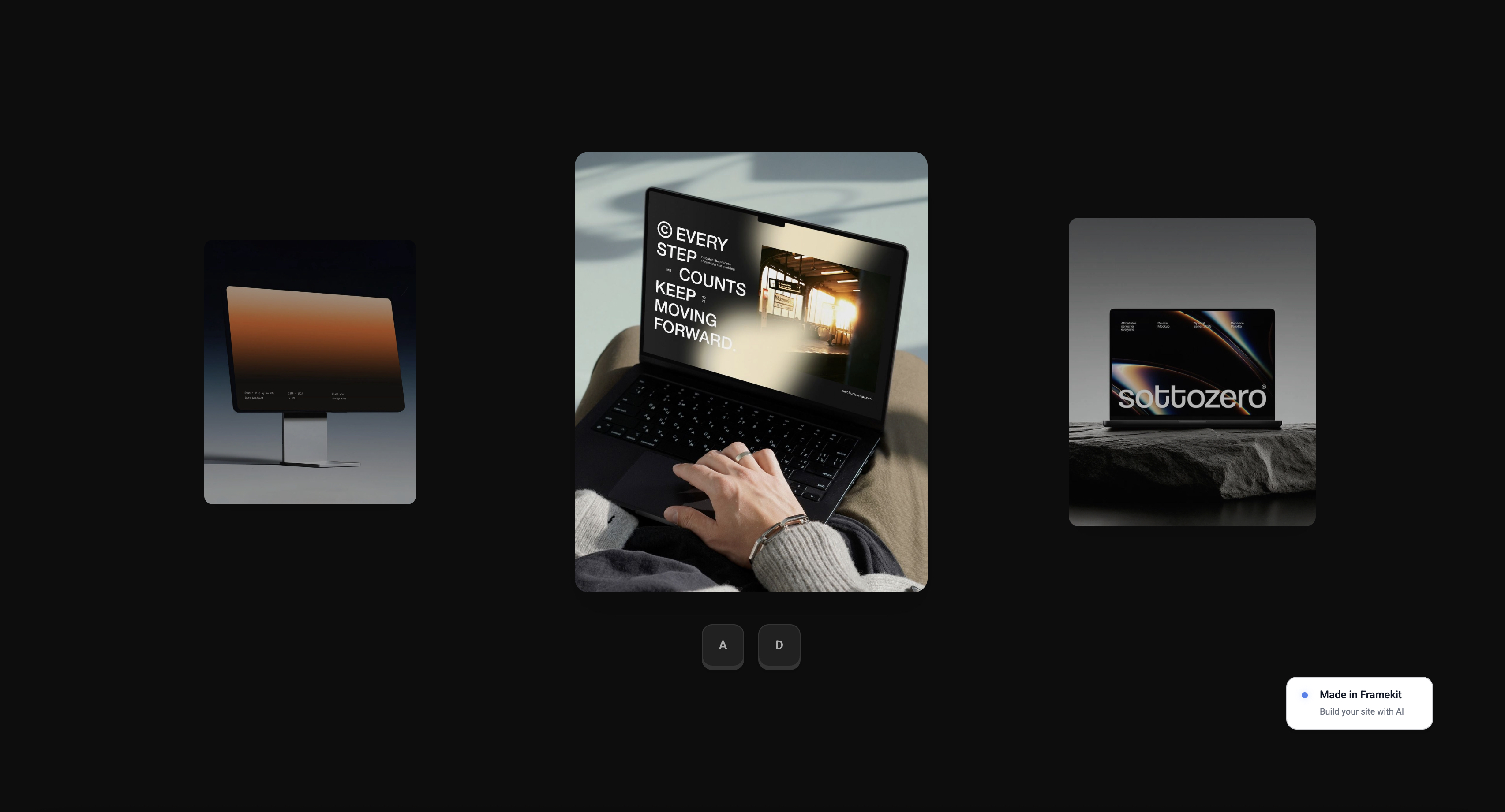
Online photo gallery software splits into three products that share a name: delivery tools, storefronts and archives. We tested 12 of them on the same 500-image job and ranked them by what they are actually for.
Most clients open your gallery on a phone and will never install an app to do it. We tested 8 platforms on what mobile delivery actually looks like, and separated real apps from home-screen shortcuts.
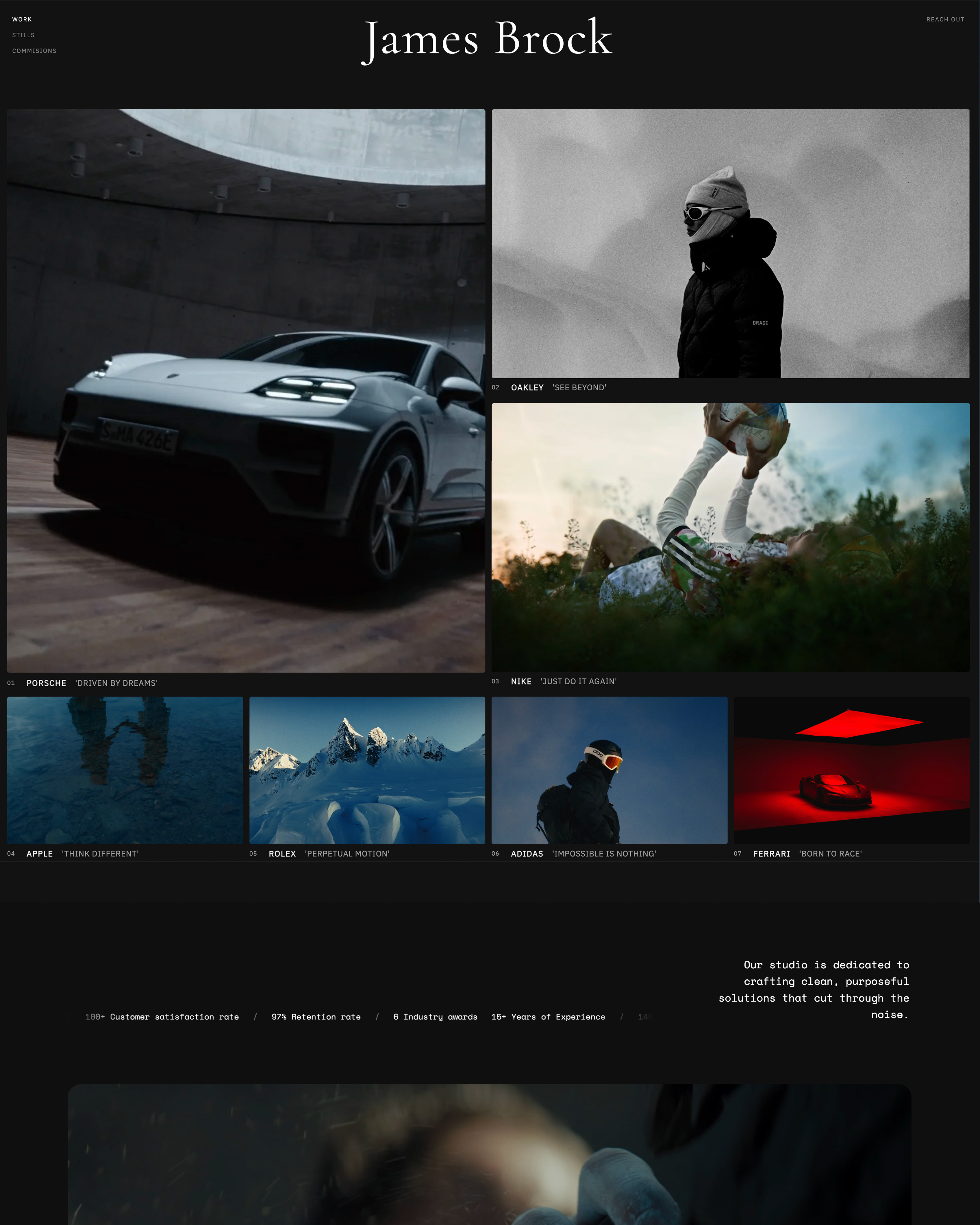
GotPhoto's service fee runs from 12% down to 7%, which on a $40,000 season is between $2,800 and $4,800 a year. We tested 11 alternatives and priced each one against a real volume season.

A client gallery is not a folder with a nicer background. Here is the complete checklist of what to include, what to leave out, and the four omissions that generate every support email you get.
Dropbox is the cheapest terabyte in photography and the worst-looking way to hand work to a client. We tested 8 alternatives on presentation, selection, branding and what you actually pay per gigabyte.
A drone job produces stills, 4K video and sometimes a map, and almost no client gallery handles all three. We tested 11 platforms on mixed-media delivery for property, construction and marketing clients.
Google Photos is a brilliant consumer product and a poor place to hand work to a paying client. We tested 12 alternatives on compression, client sharing, storage cost and whether the delivery page carries your name.

The delivery email is the last thing a client reads before deciding whether to recommend you. Here is the structure that works, the six lines most photographers omit, and templates you can paste today.
PhotoShelter's real entry price is not $12.99, it is $29.99, because 4GB does not hold a working archive. We tested 10 alternatives on storage, delivery, selling and whether the website is one you would actually show a client.
Five platforms advertise unlimited gallery storage and the terms differ wildly. We compared what unlimited actually covers, what it costs, and why most photographers are better off on a capped plan.

PicDrop is excellent at one thing and deliberately does not do the rest. We tested 7 alternatives for photographers who need a store, a website, or a delivery page with their own name on it.
The cheapest client gallery is rarely the one with the lowest monthly price, because commission and storage upgrades decide the real bill. We priced 13 tools across a full year of deliveries.
Two competing companies landed on exactly the same 9 percent seller fee, and both remove it only two tiers up. We priced the same creator on both to find which one costs less, and where each free plan quietly becomes the most expensive option.
CloudSpot's cheap tiers cap you at 3 or 15 galleries and its paid plans swap commission for a 2.5% transaction fee. We tested 12 alternatives on the two things that make photographers leave: gallery caps and the cost of selling.
WeTransfer expires in seven days and puts someone else's brand on your delivery. A client gallery does neither. Here is the honest comparison, including the two jobs WeTransfer still does better.
Travel photographers deliver from hotel wifi to clients in three time zones, then licence the same frames for years afterwards. We tested 9 client galleries on upload resilience, archive search, licensing and print revenue.
One architecture shoot gets shared with the architect, the developer, the contractor, the interior designer and two PR agencies. We tested 10 client galleries on the sharing, licensing and archive problems that creates.

Videographers deliver three things at once: the film, the stills, and a stack of social cutdowns. Most client galleries handle one of them. We tested 11 platforms on a full wedding-film delivery and priced a year of storage against each.
Google Drive is free and everybody has it. A client gallery costs money and looks like a studio. We compared both on real delivery jobs to find where the free option genuinely wins and where it quietly costs you work.
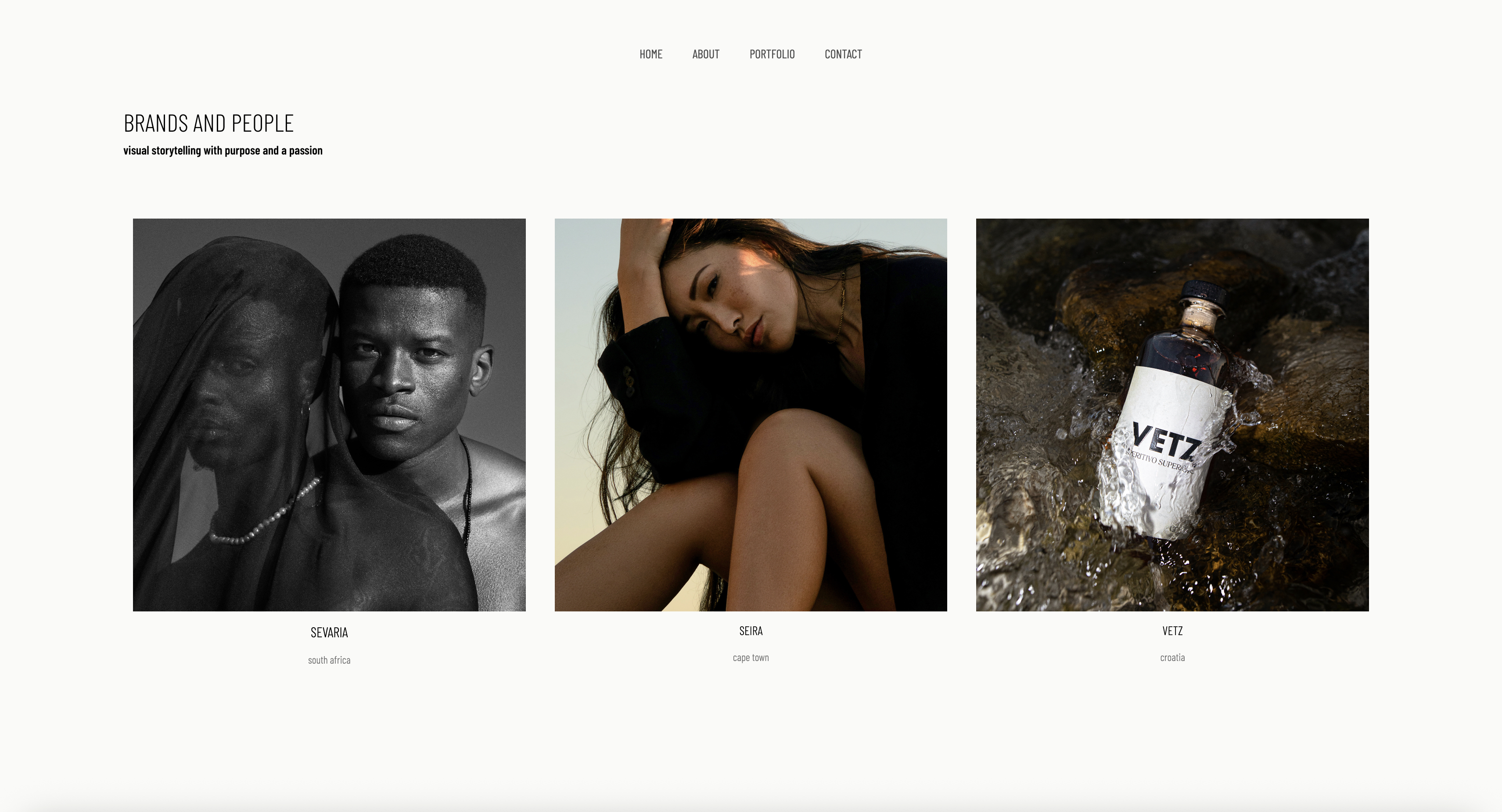
A branding shoot is not delivered once. The client returns to it every week for a year, pulling images for social, decks and their site. We tested 7 client galleries on whether they can be a living brand library rather than a one-time handoff.
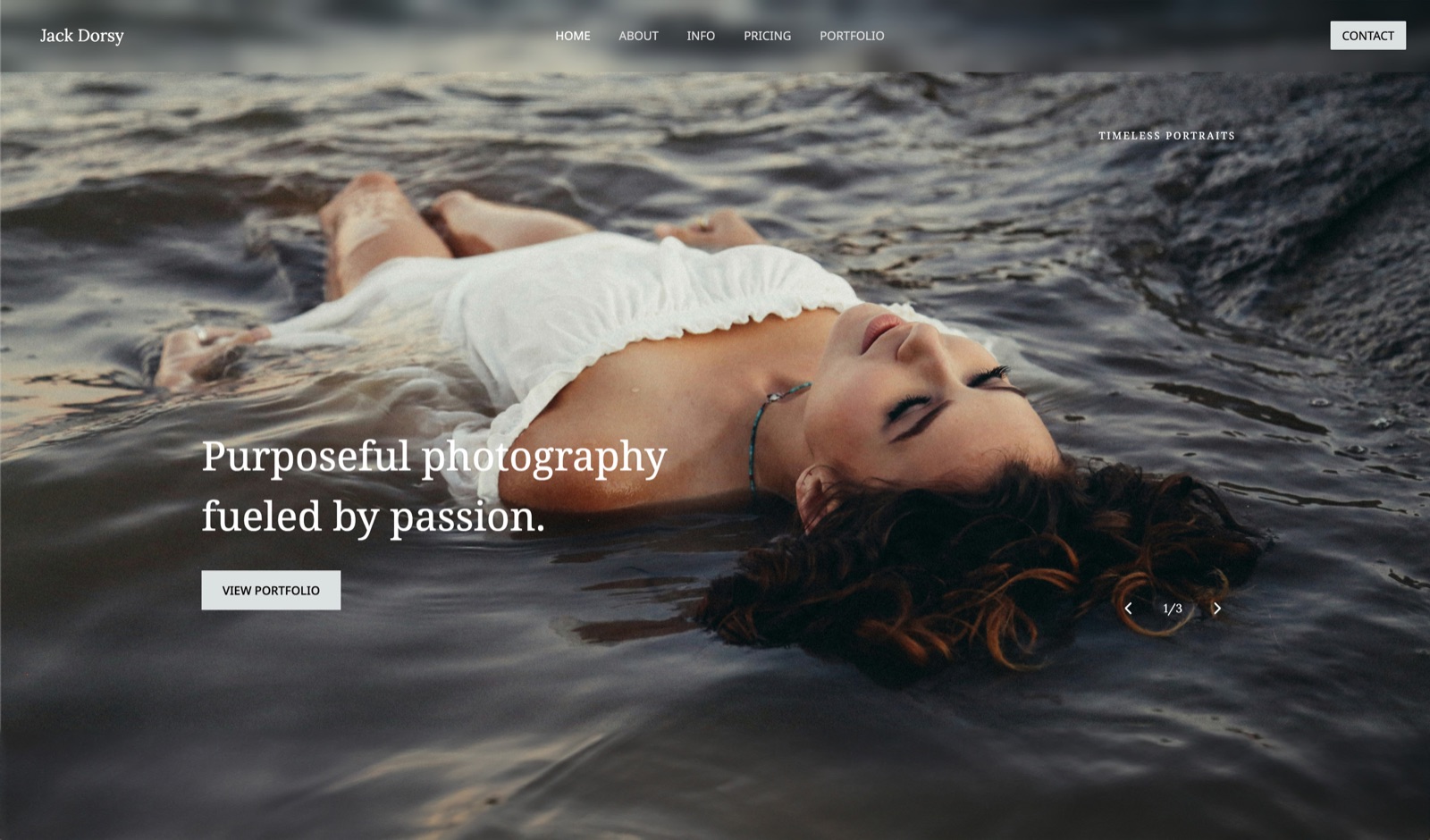
Food photography clients are restaurants, brands, and agencies who need crops, not prints. We tested 12 client galleries on colour handling, multi-crop delivery, and licensing to find which fit commercial food work.
Both are free to start and they are not close on cost. On a $19 preset pack Gumroad's all-in cut is 17.1 percent against Payhip's 9.5 percent, and Payhip pays out the moment the sale completes while Gumroad holds a $100 minimum balance.
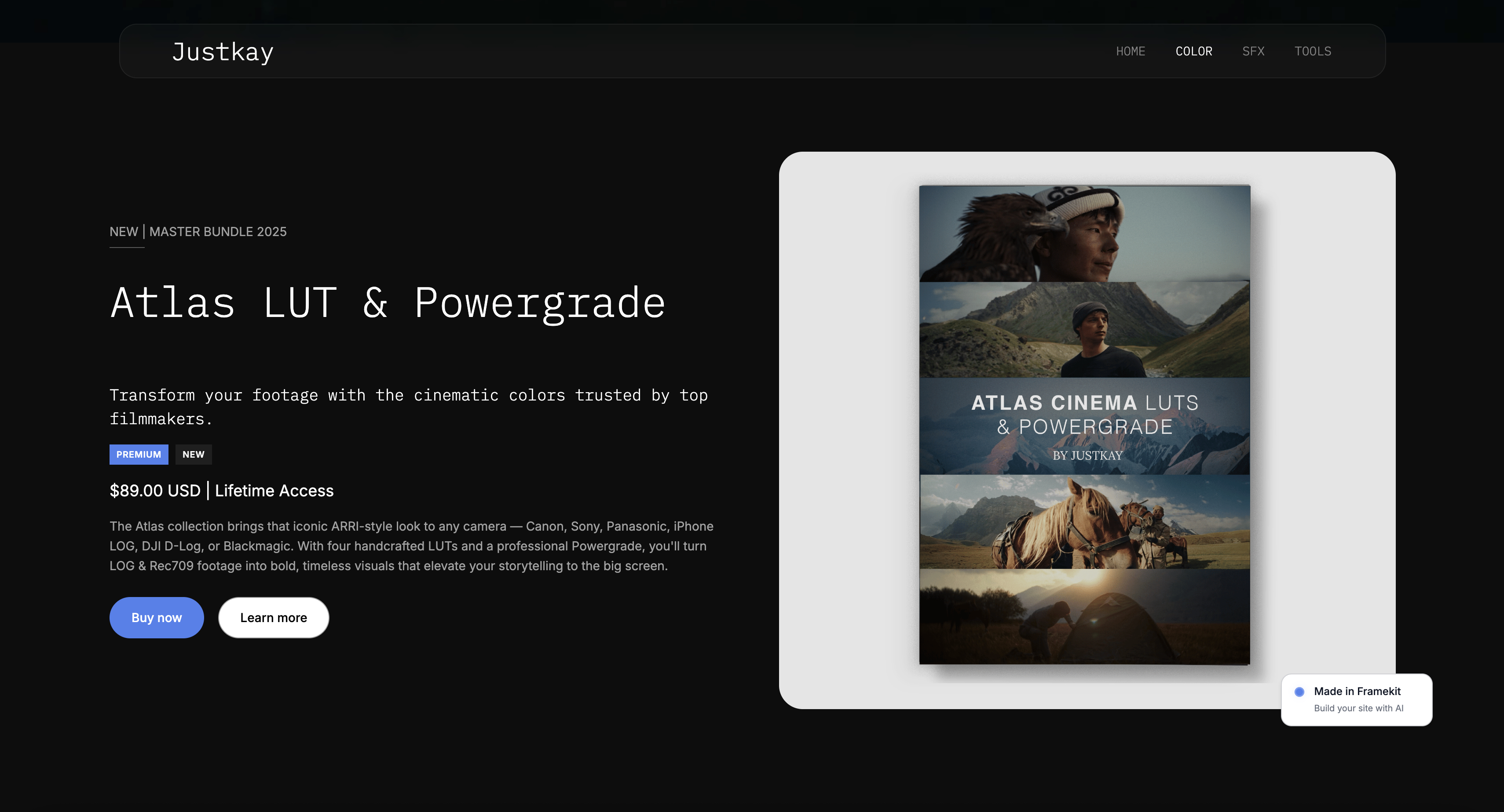
Product photography delivery is a data problem wearing a photography costume. Ninety SKUs, four angles each, filenames that must survive intact, and a brand team that approves in rounds. We tested 12 client galleries on exactly that.
Clients ask for RAW files more often than they used to, and most photographers answer badly. Here is when releasing them is right, what to charge, and the contract clause that ends the argument before it starts.
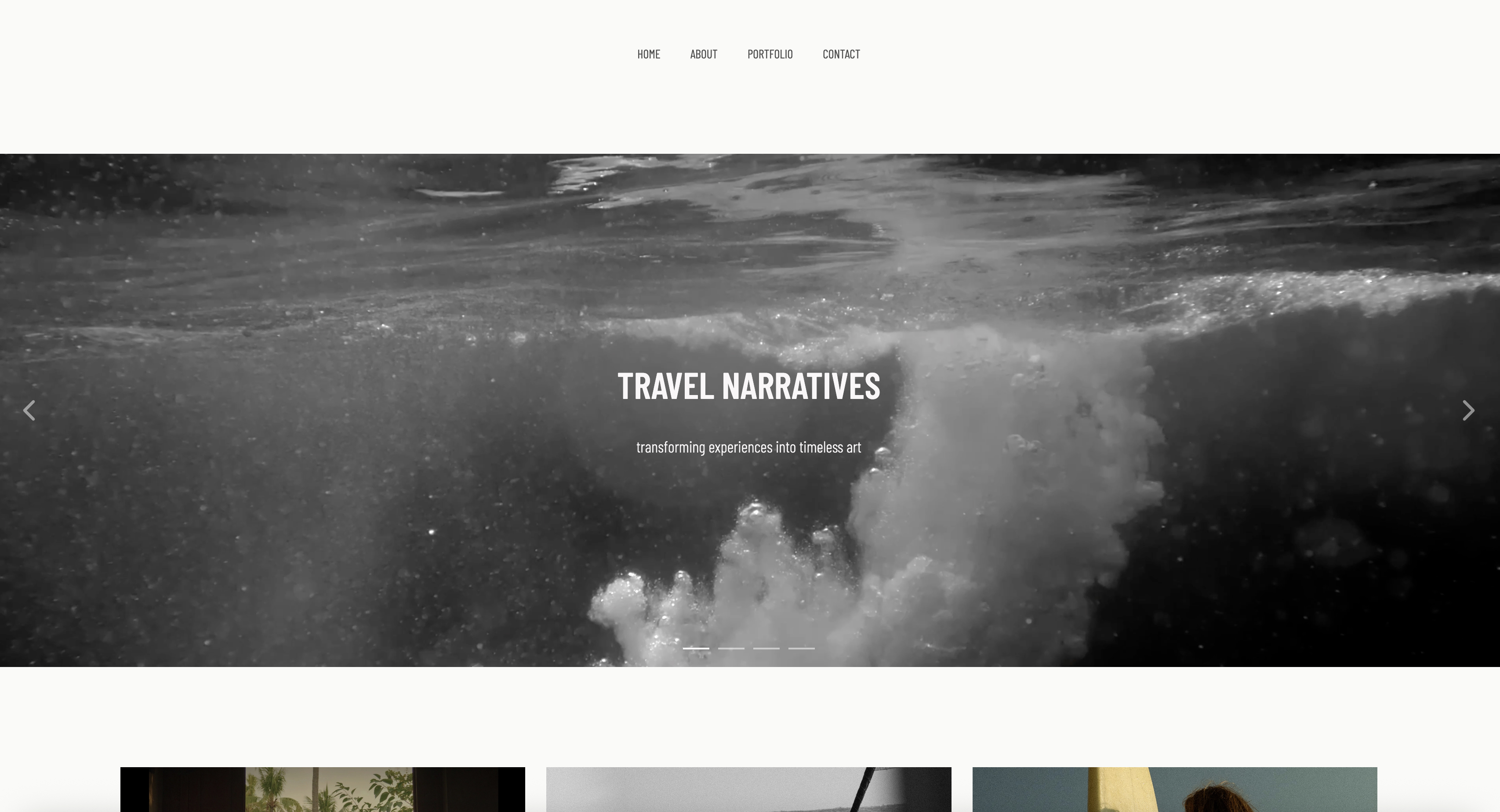
Headshot photography has a delivery problem nobody designs for: forty individual subjects, one HR contact, and a retouch selection that has to happen before anyone gets a file. We tested 8 client galleries on exactly that job.
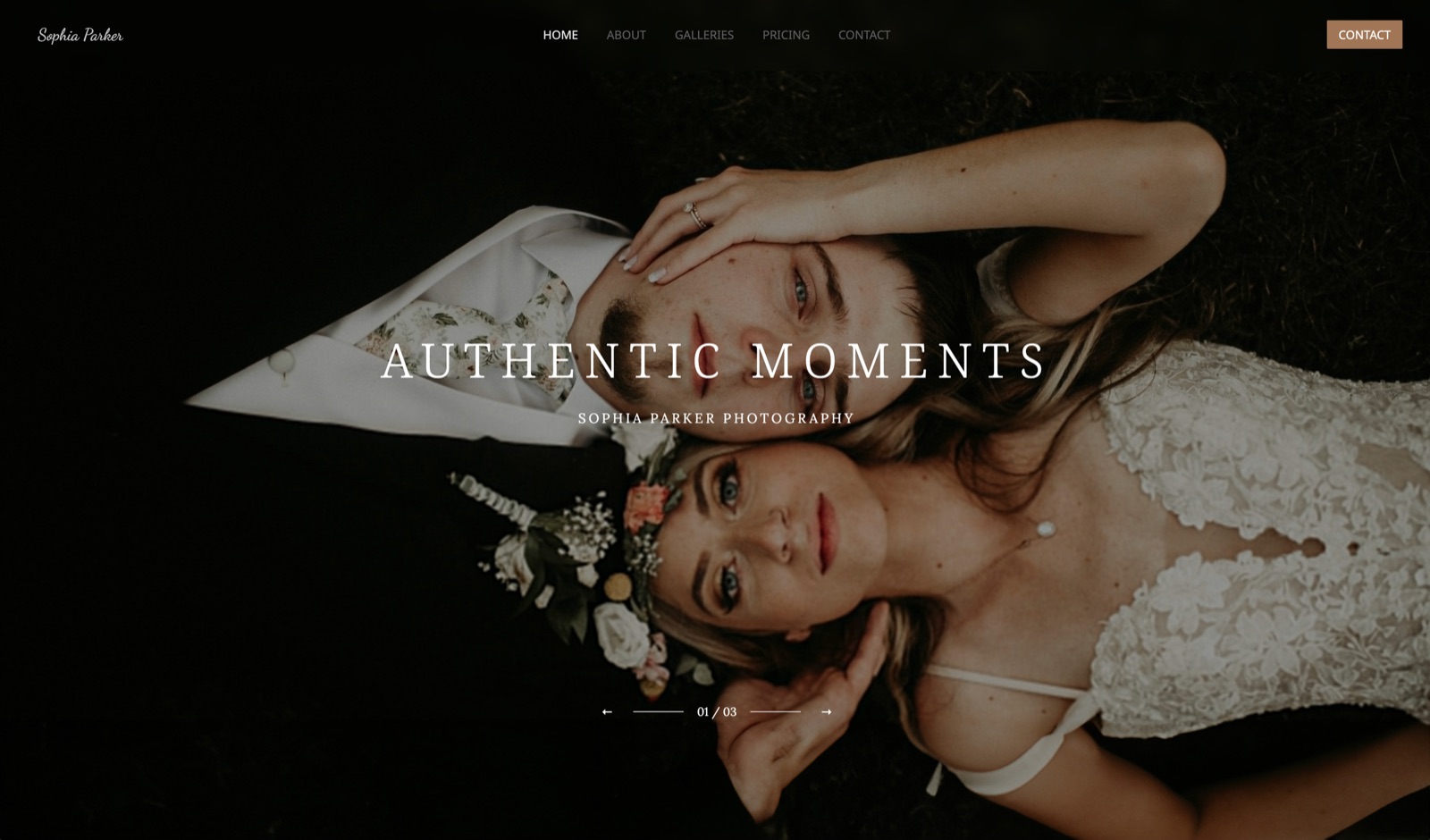
Most gallery platforms sell a custom domain that is really a CNAME subdomain they control. We tested 9 platforms to find which ones put the gallery on a site you actually own, and what happens to each URL when you leave.
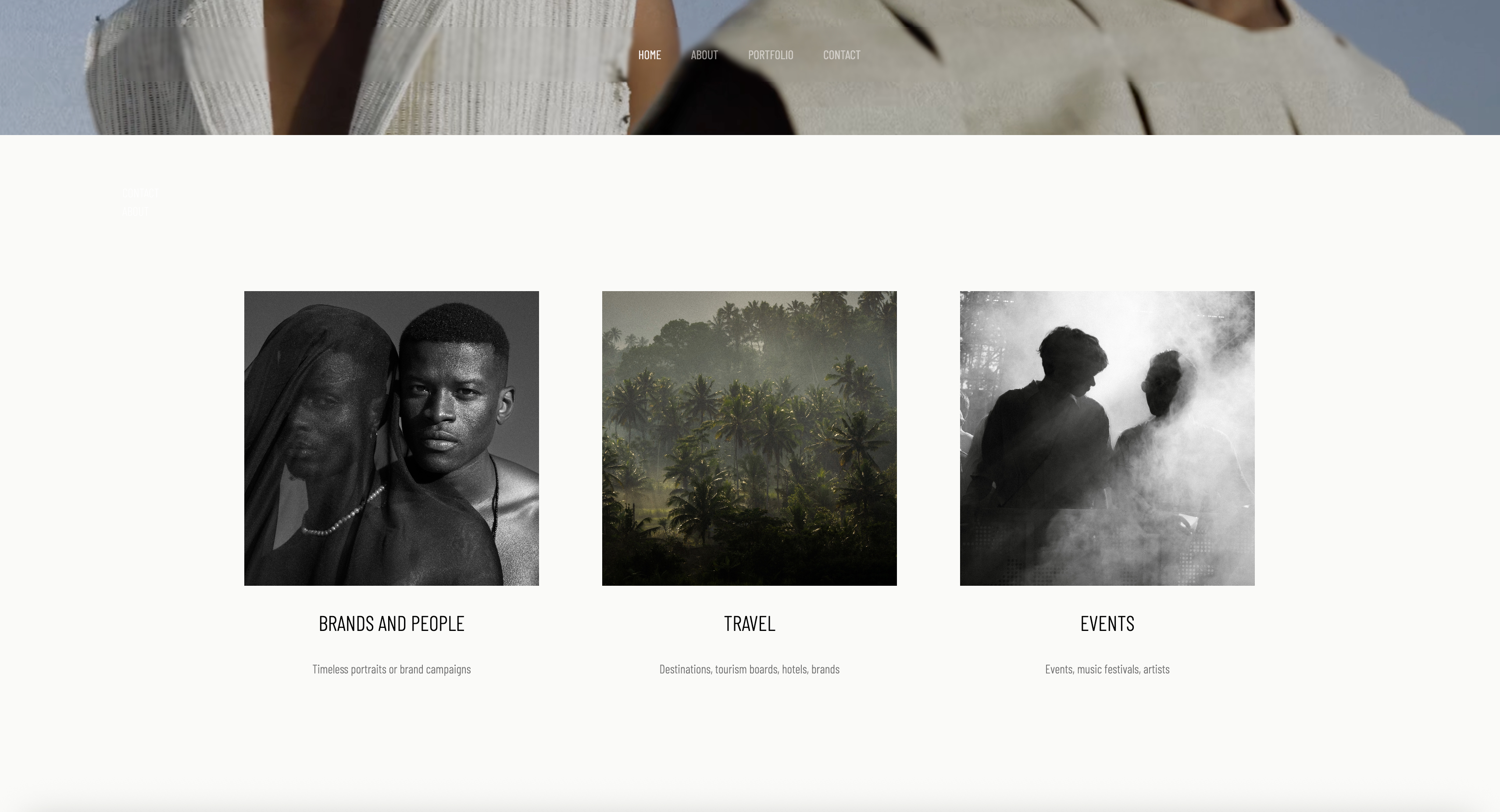
School photography lives or dies on two numbers: how many parents actually order, and what percentage the platform keeps. We tested 10 client galleries on a 600-student day and priced a full year against each fee model.
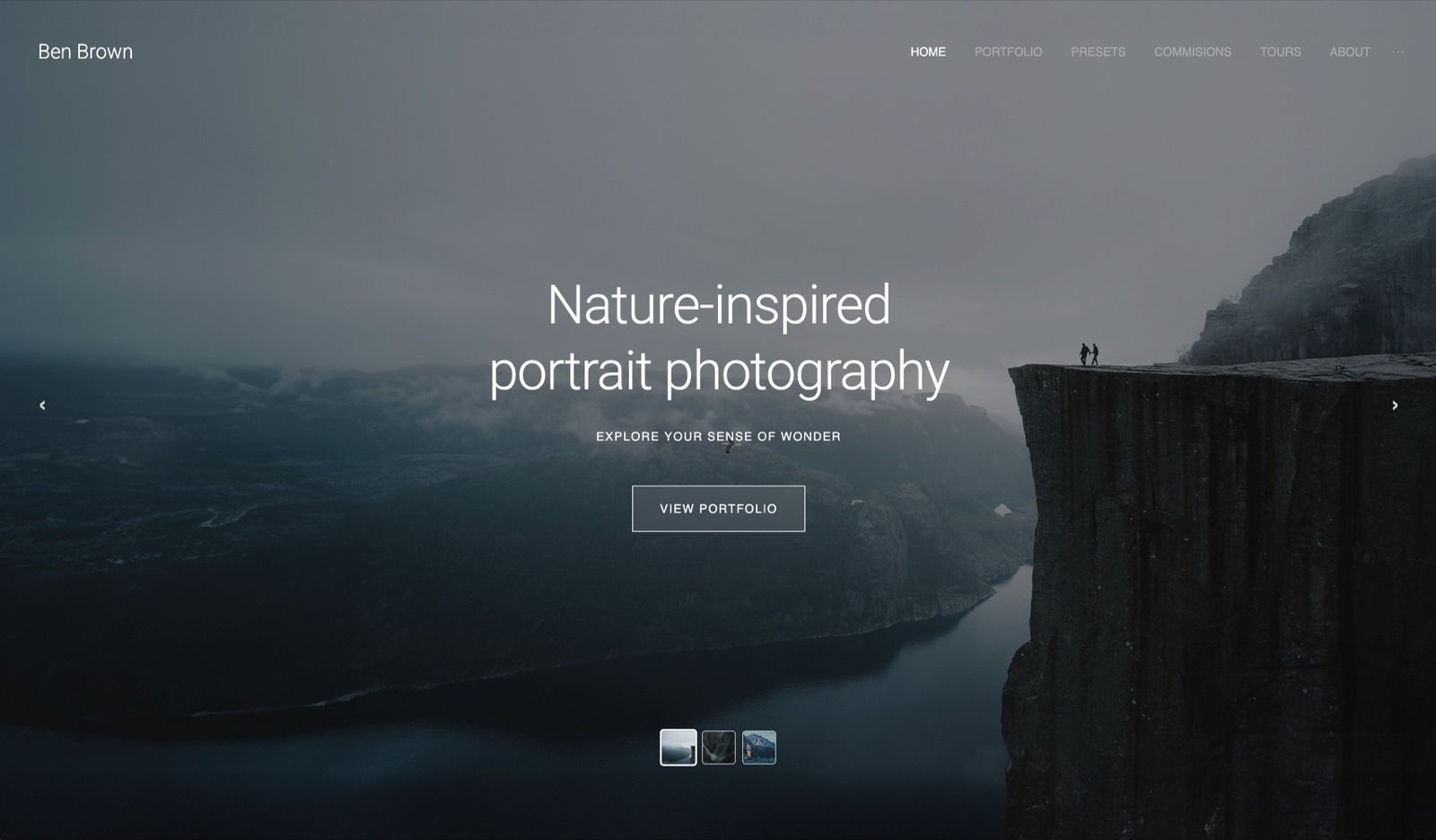
Most photographers expire galleries after 30 days to save storage, then lose the reprint order that arrives in month fourteen. Here is the evidence-based archive policy, and how to write it into your contract.
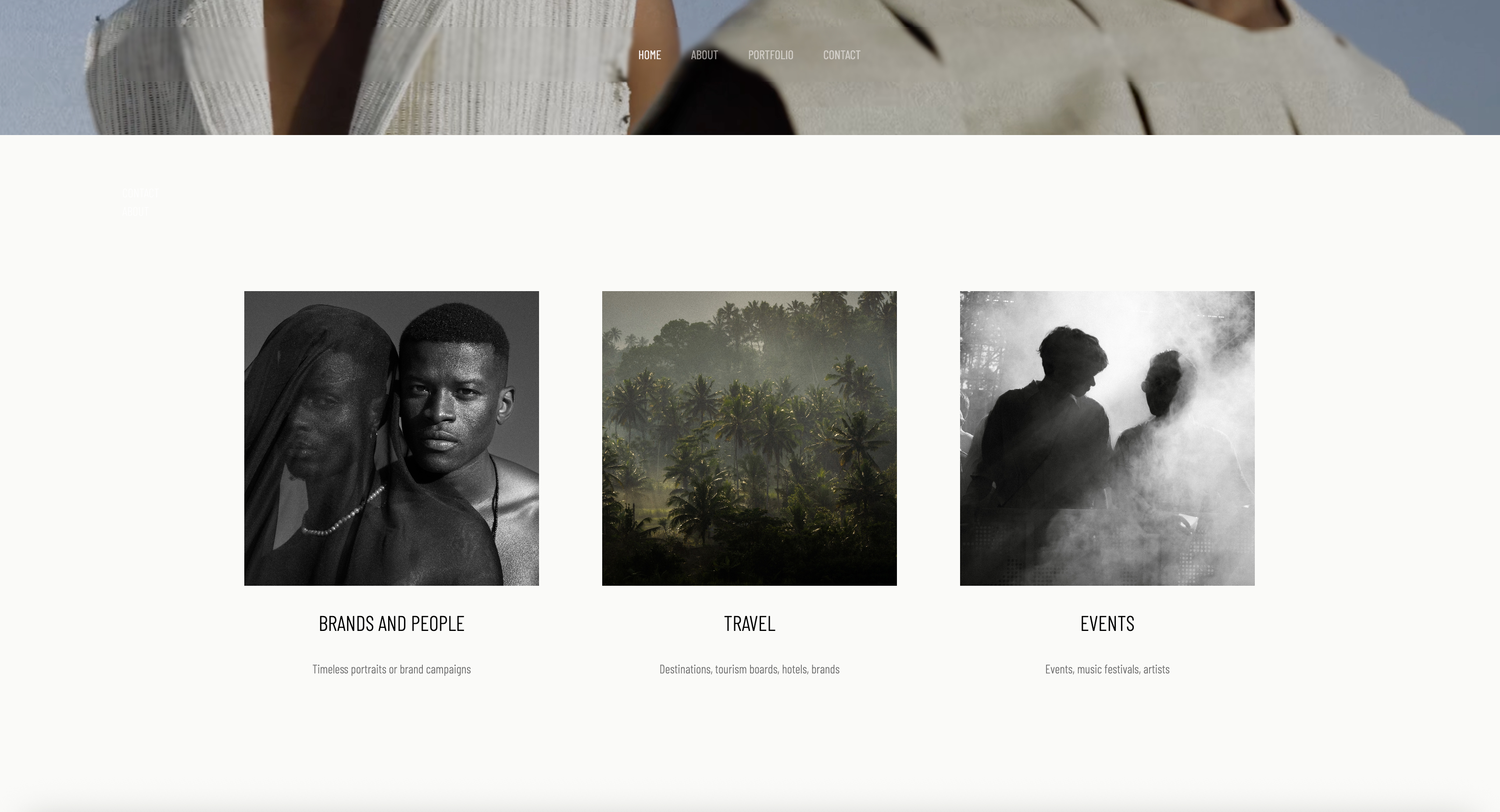
Sports photography is two businesses wearing one jersey: league picture days with parents ordering packages, and action work delivered to teams and athletes. We tested 9 client galleries on both, and the winner is different for each.
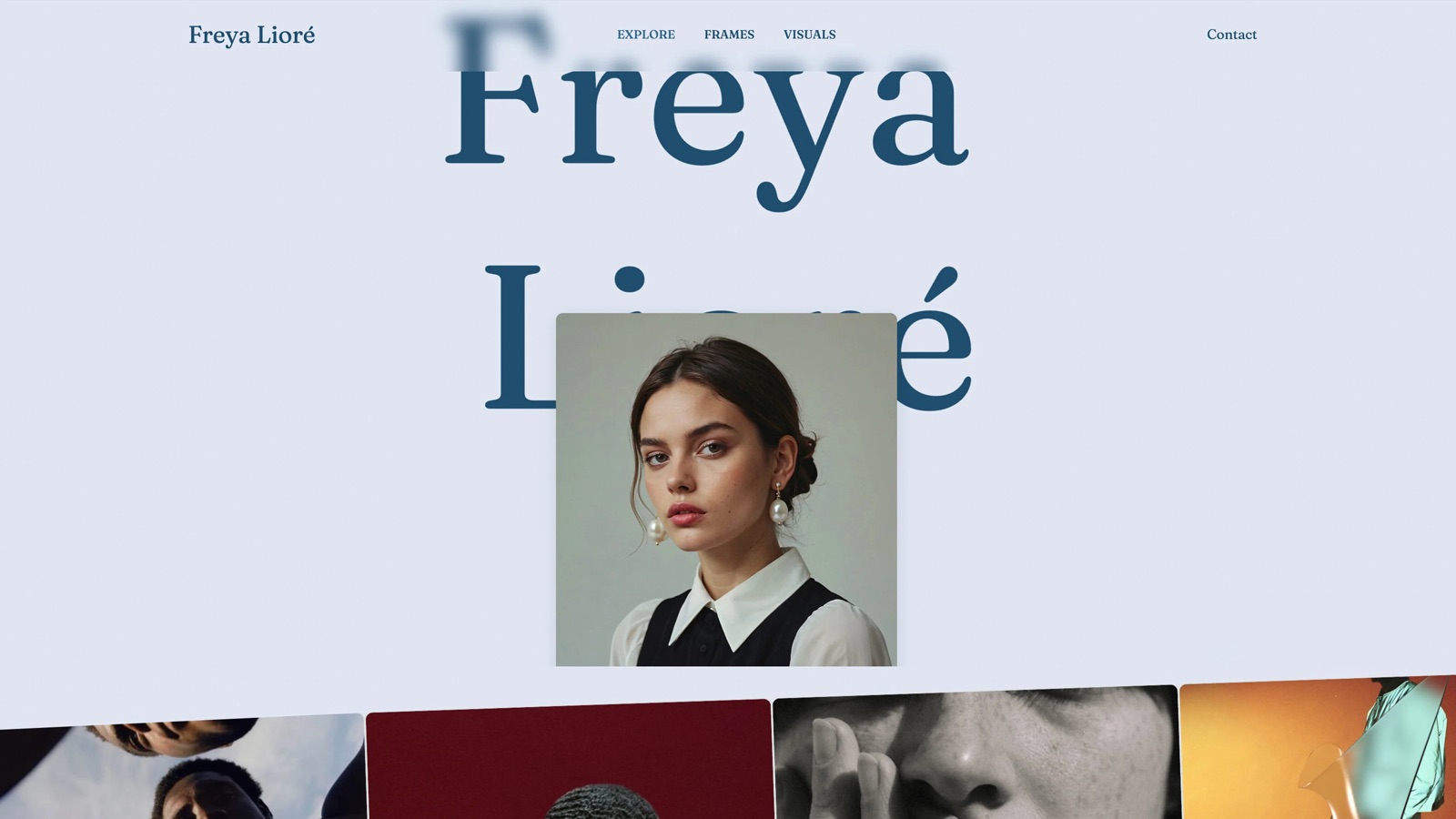
There is a right number of photos to deliver, and it is smaller than you think. Here are the working counts by genre, the maths behind over-delivery, and how to put the number in your contract without arguments.
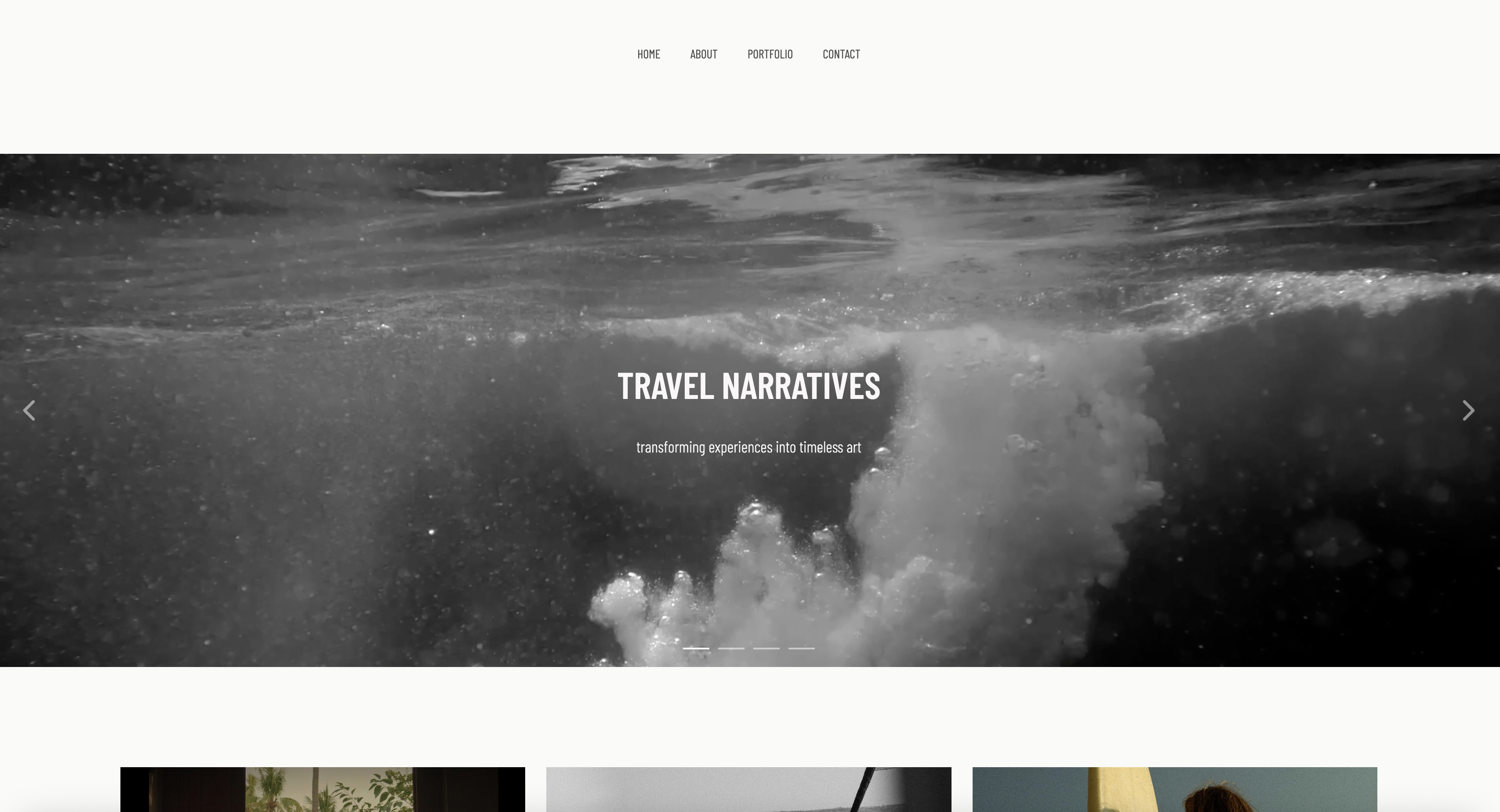
Commercial delivery is not a wedding gallery with a different logo. Six people have to approve selects, the art director needs versions, and the files are enormous. We tested 12 client galleries on a real brand shoot and ranked them on review rounds, hi-res handoff, and who owns the link.
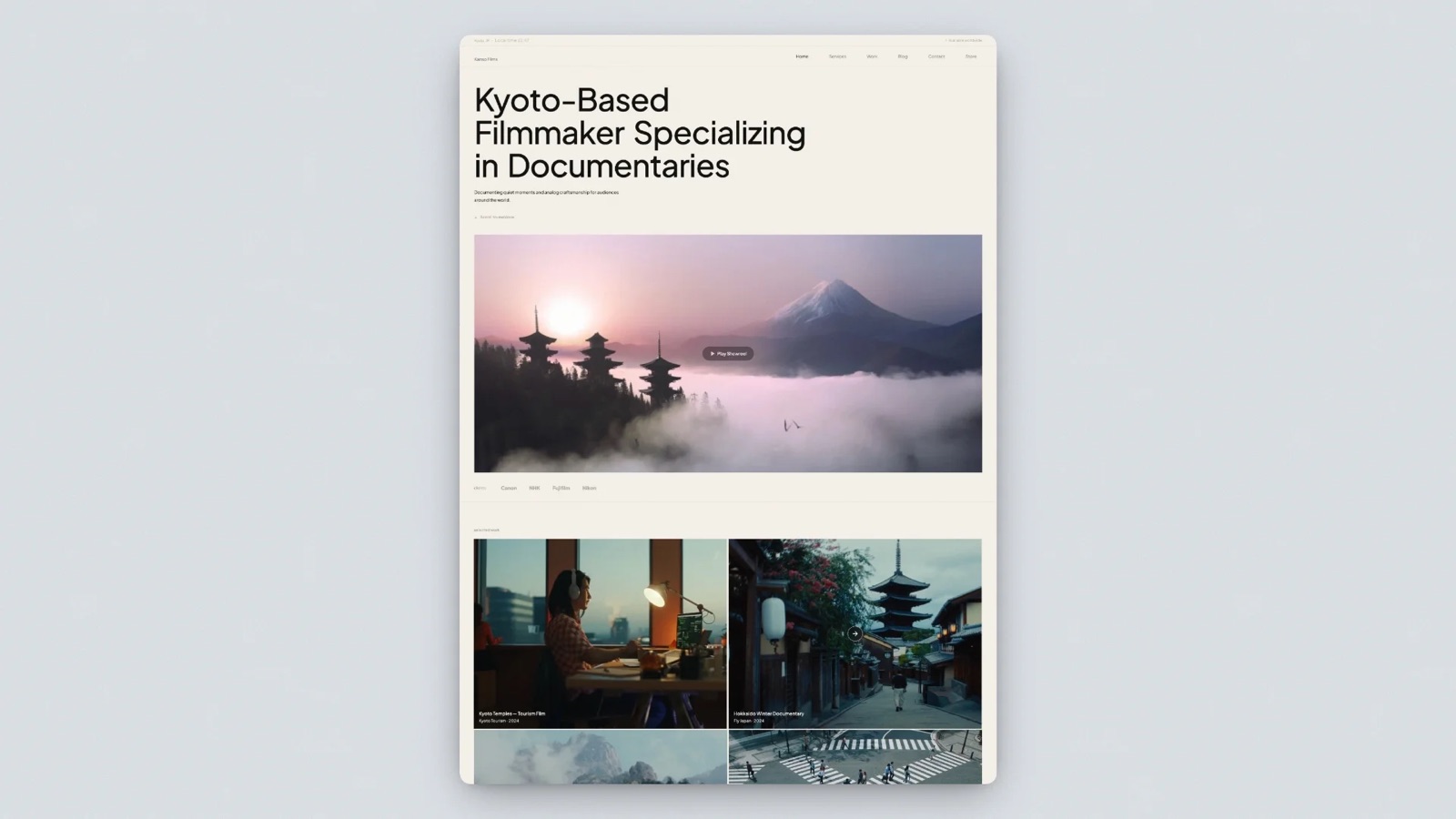
Most gallery platforms advertise a free plan and then take 15% of every print you sell. We tested 11 commission-free client galleries on a real $6,000 print year to find which ones keep your margin and which only look free.
Stan Store charges a flat $29 a month and takes nothing from your sales, which makes it genuinely good value at volume and an expensive habit below it. We priced ten alternatives on one $97 program to find the exact point where each one wins.
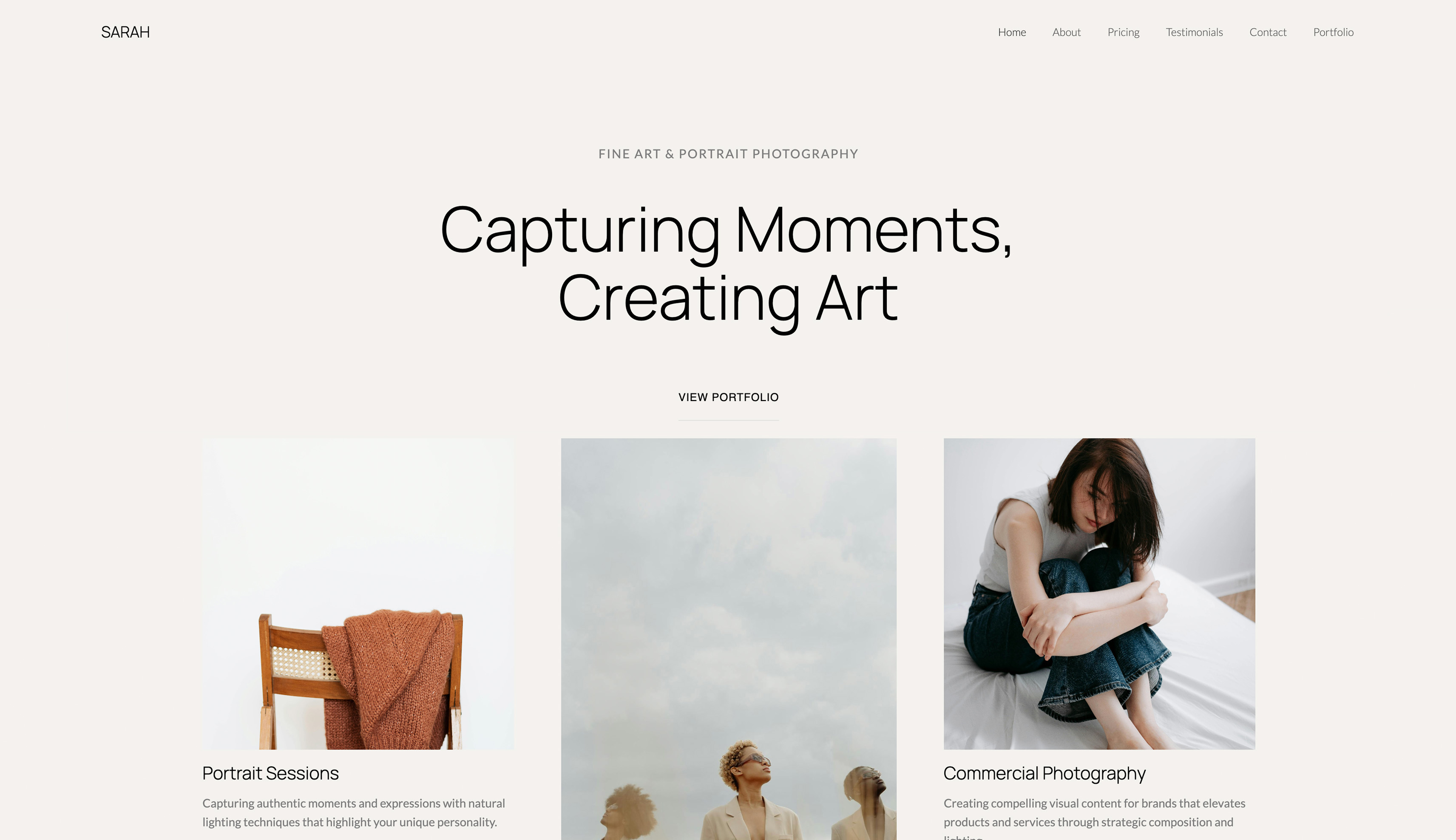
One free tier takes 15% of your sales, another caps storage at three jobs. We tested seven to find what each is really charging and when free stops being enough.

The images are fine, the gallery is fine, and the delivery still fails at a firewall you cannot see. We tested eight tools on how corporate recipients actually receive work.

Instagram is a discovery engine with no checkout for what you sell. We compared nine routes on fees, conversion and who owns the buyer at the end of it.
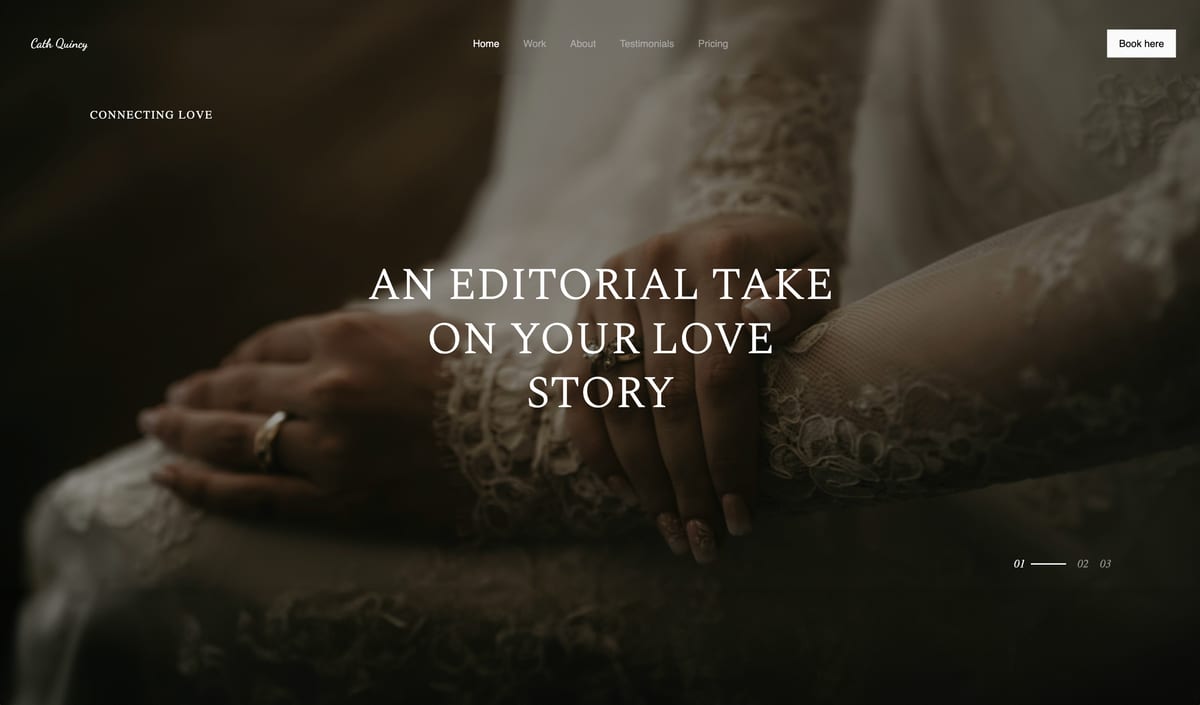
A fashion gallery goes to a team, not a client, and only two of ten tools preserved the credit we embedded. We tested them on embargo, versions and metadata.
A reminder that a gallery expires, sent to someone whose dog died last week, ends a business by word of mouth. We tested eight tools on prints and automation.
Free presentation software is rarely free in the way you assume. We built the same client deck on 9 free plans, rated our own on the same rubric, and recorded exactly what each one takes from you instead of money.
Leaving PowerPoint is easy. Leaving it without losing your fonts, your animations and your ability to send a .pptx back is the hard part. We moved the same deck into 12 alternatives, logged every failure, and ranked them for people who make creative decks.
People leave Google Slides because the decks look generic, it needs a connection, or they want out of Google. We rebuilt the same deck in 10 alternatives, added Framekit Slides, and said plainly which ones cost you the live co-editing Slides does best.
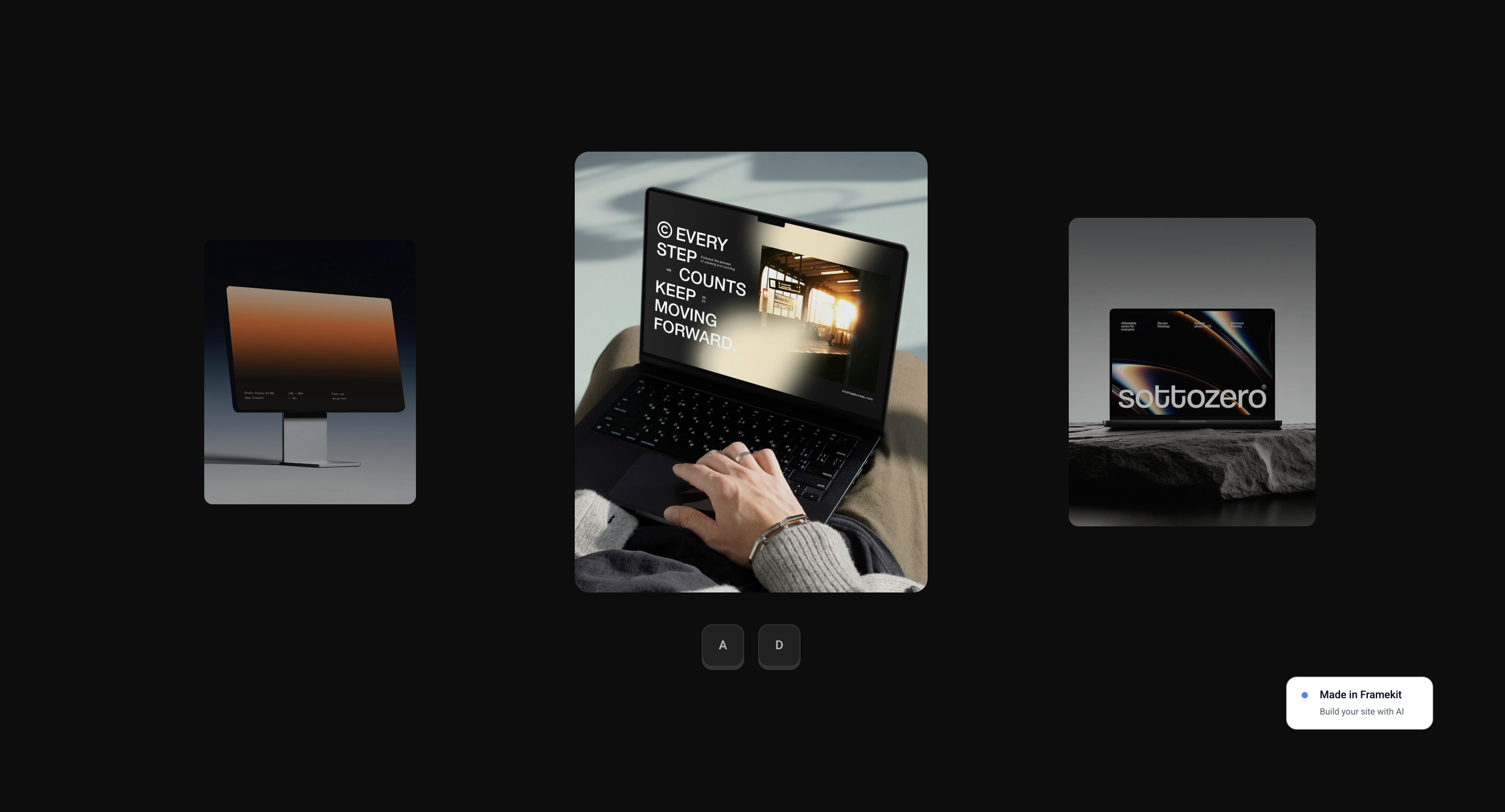
Beautiful.ai costs $144 a year for one seat and $960 for two. We tested 9 alternatives and priced every one at the exact moment a freelancer becomes a two-person studio.
Prezi's free plan publishes your work to the open web, and its zooming canvas helps some talks and ruins others. We tested 11 alternatives on privacy, motion, and what they cost.
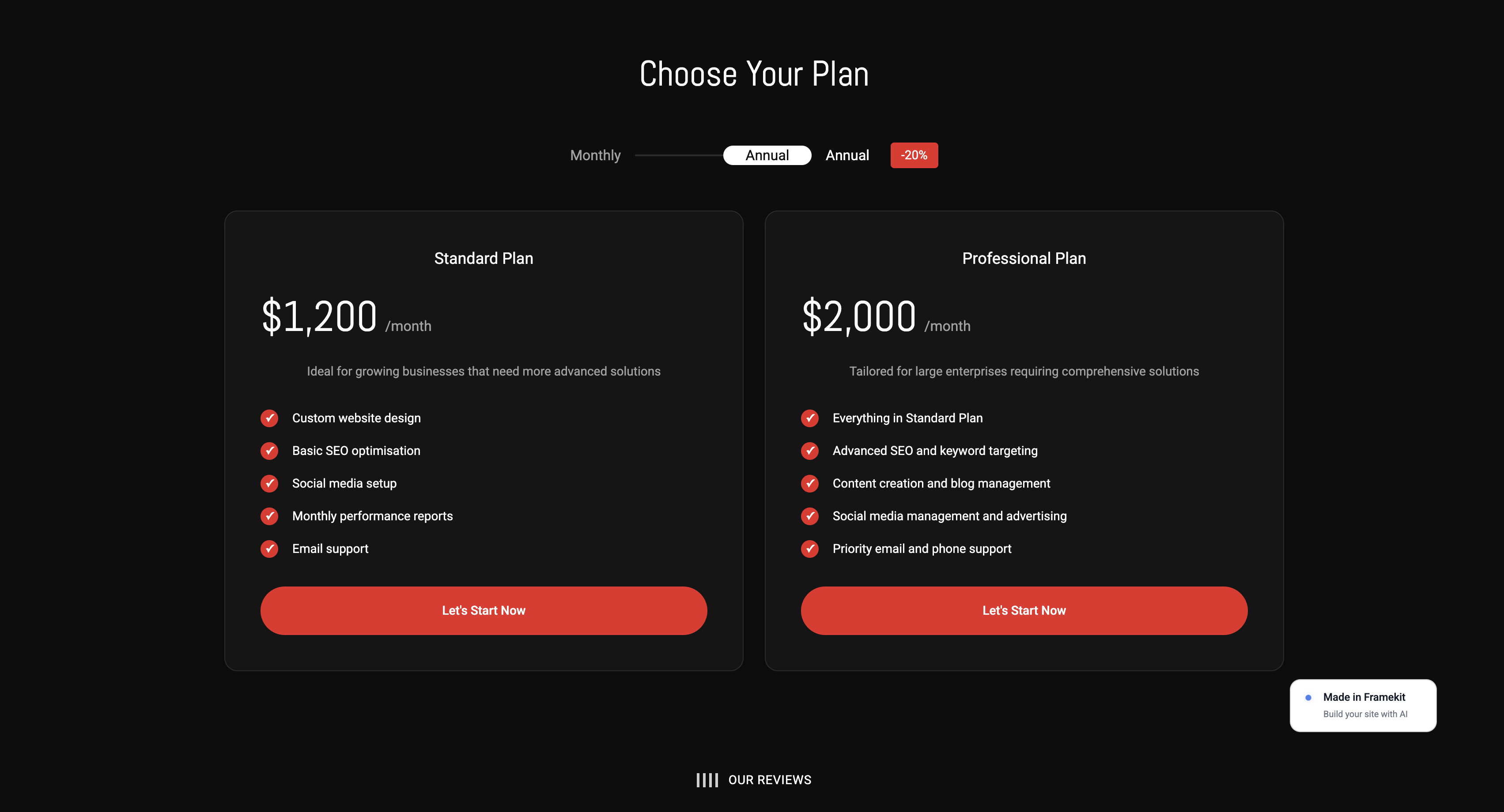
Slidebean gives founders structure and takes away control, then jumps from $7 a month to $99. We tested 9 alternatives on the two things a fundraising deck actually needs.
A pitch deck is read without you in the room, forwarded to people you never met, and judged in about three minutes. We built the same seed deck in 12 tools, scored a 13th, and priced a six-month raise.

A treatment argues about how a film will move, and most treatments are sent as a PDF, which cannot move. We built the same 12-page commercial treatment in 10 tools and priced every one.
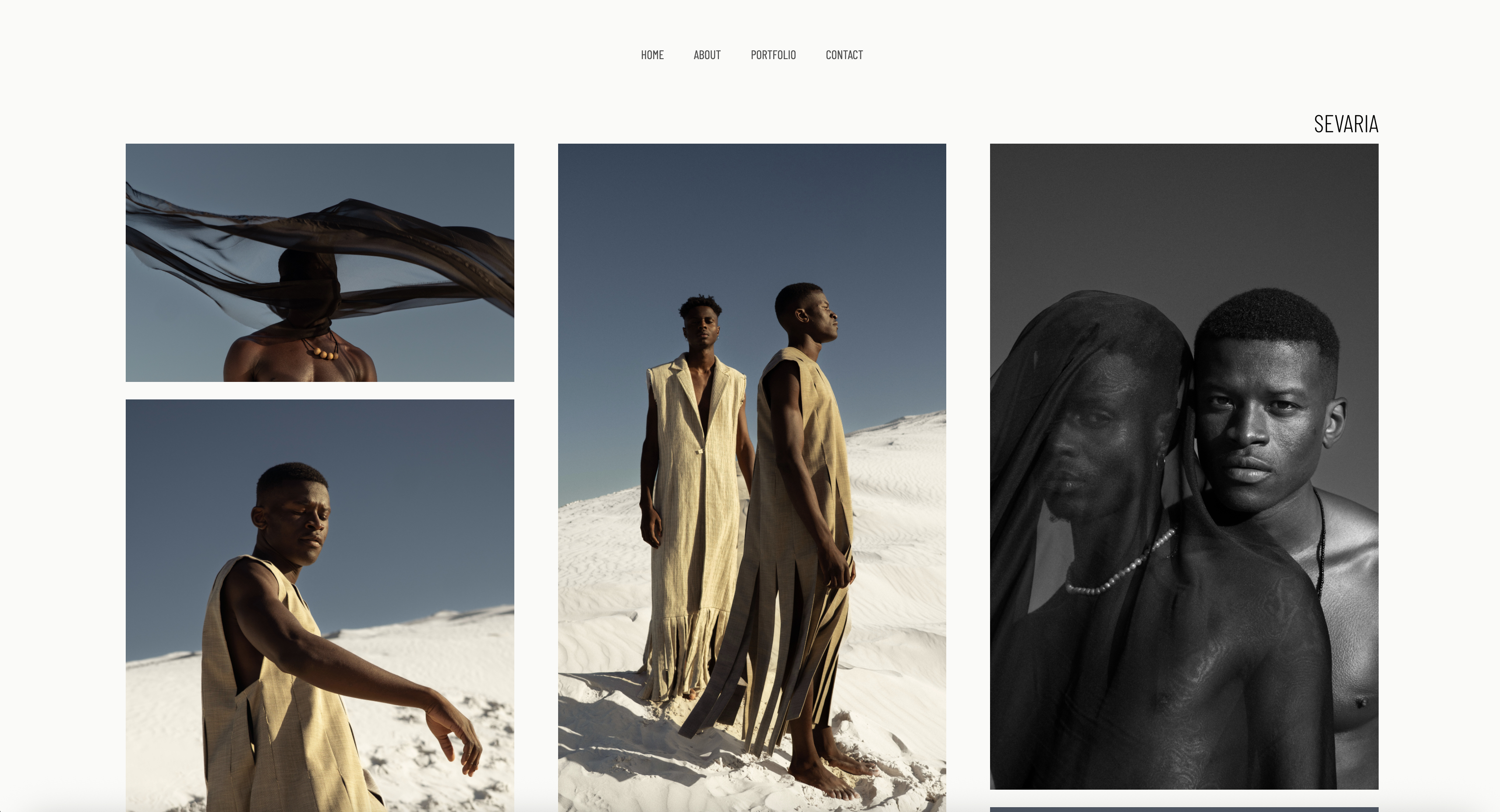
A brand guideline dies the moment it becomes a PDF nobody opens. We built the same guideline in 9 tools and priced what each costs a studio delivering four brands a year.
A proposal that cannot be signed and paid in the same session loses days. We sent the same $8,500 identity proposal through 10 tools, scored an eleventh, and priced a full year of them.
Most sales decks are read after the meeting, by someone who was not in it. We built the same 16-slide deck in 9 tools, scored a tenth, and compared what each one tells you afterwards.
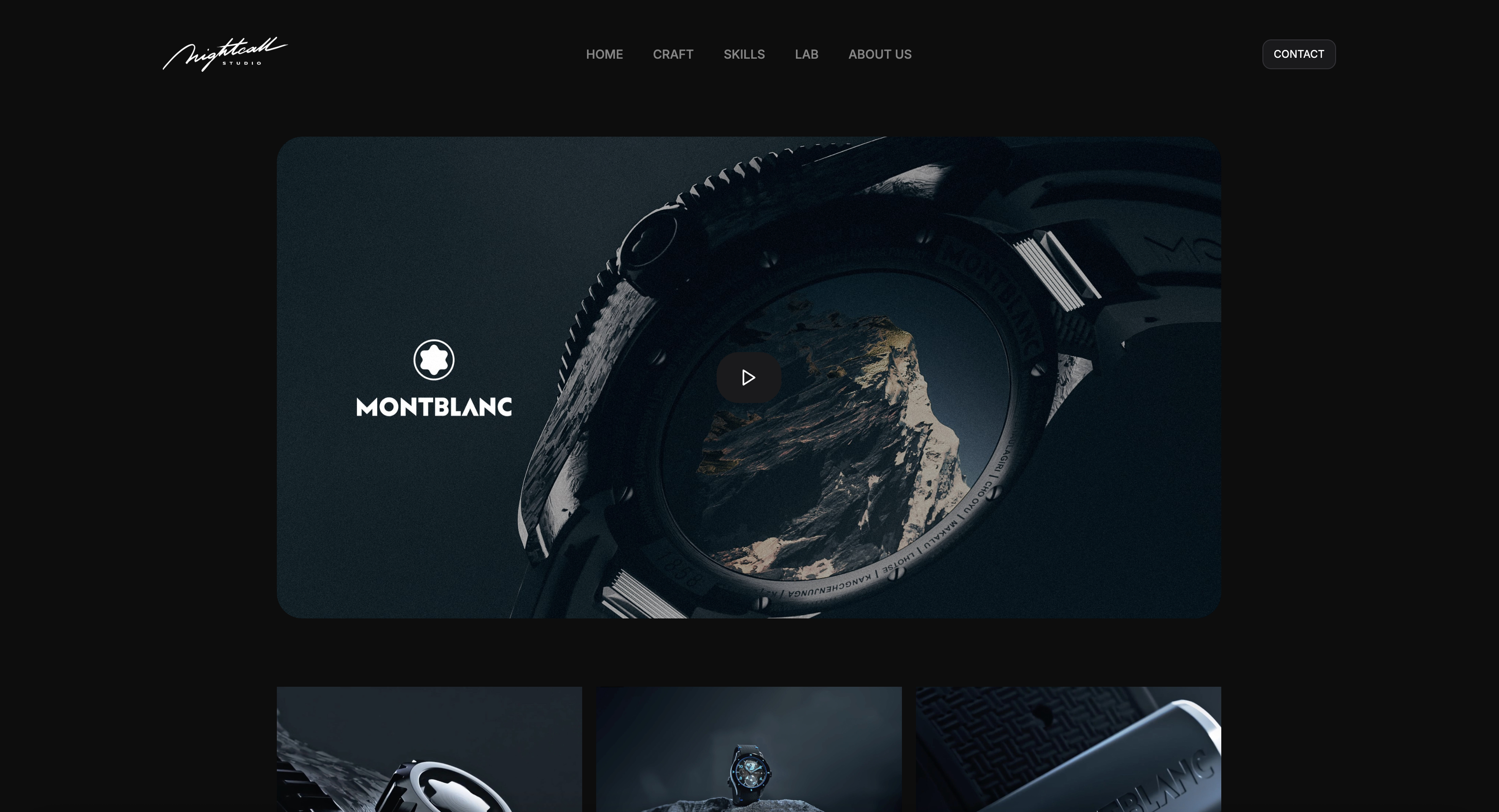
We boarded the same 32-panel commercial in 10 tools to find which ones make an animatic in minutes, which need drawing skill, and what each actually costs.
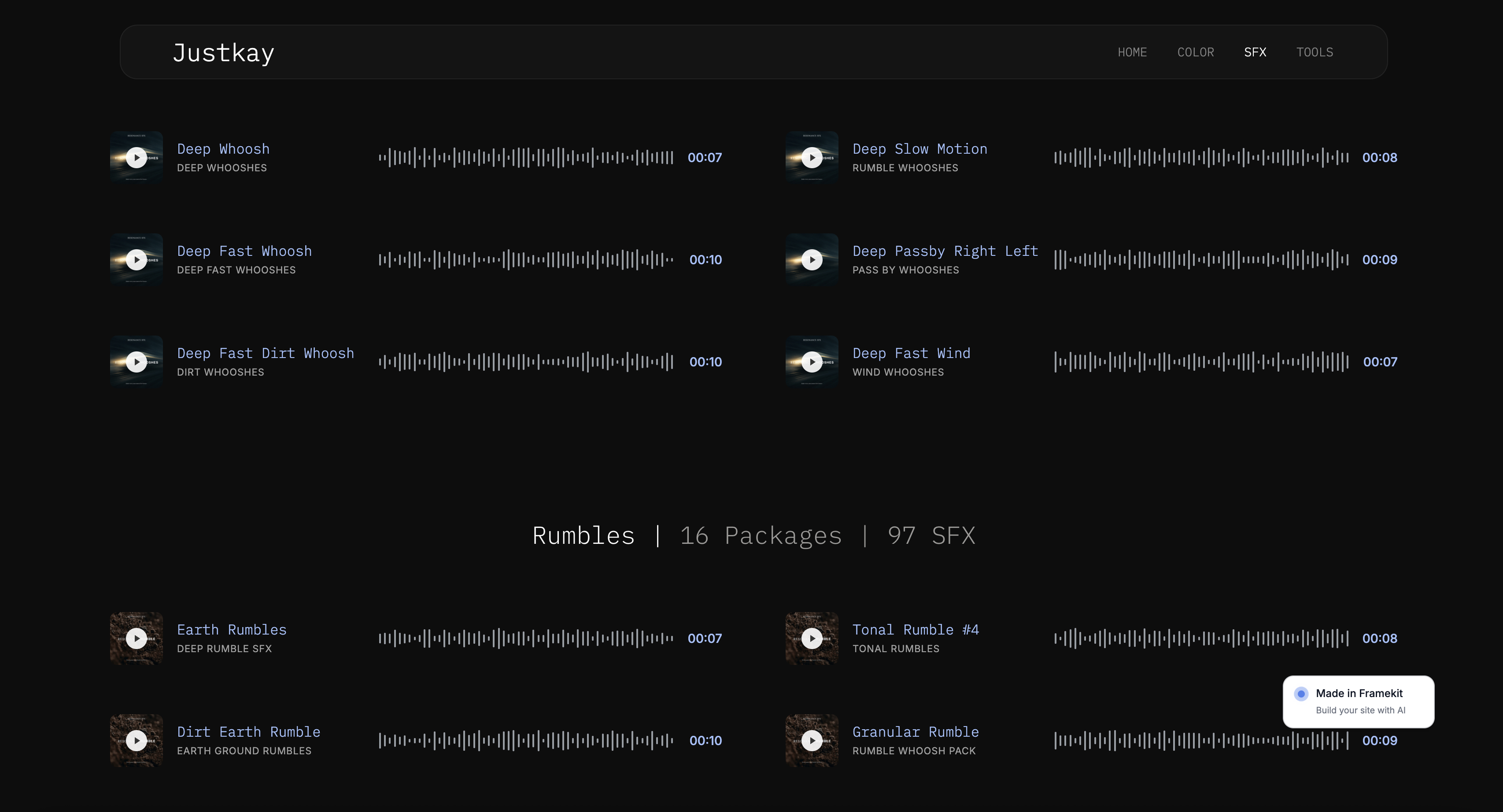
Canva makes the better-looking deck and Google Slides makes the better-behaved one. We built the same 18-slide deck in both and compared what each costs you.
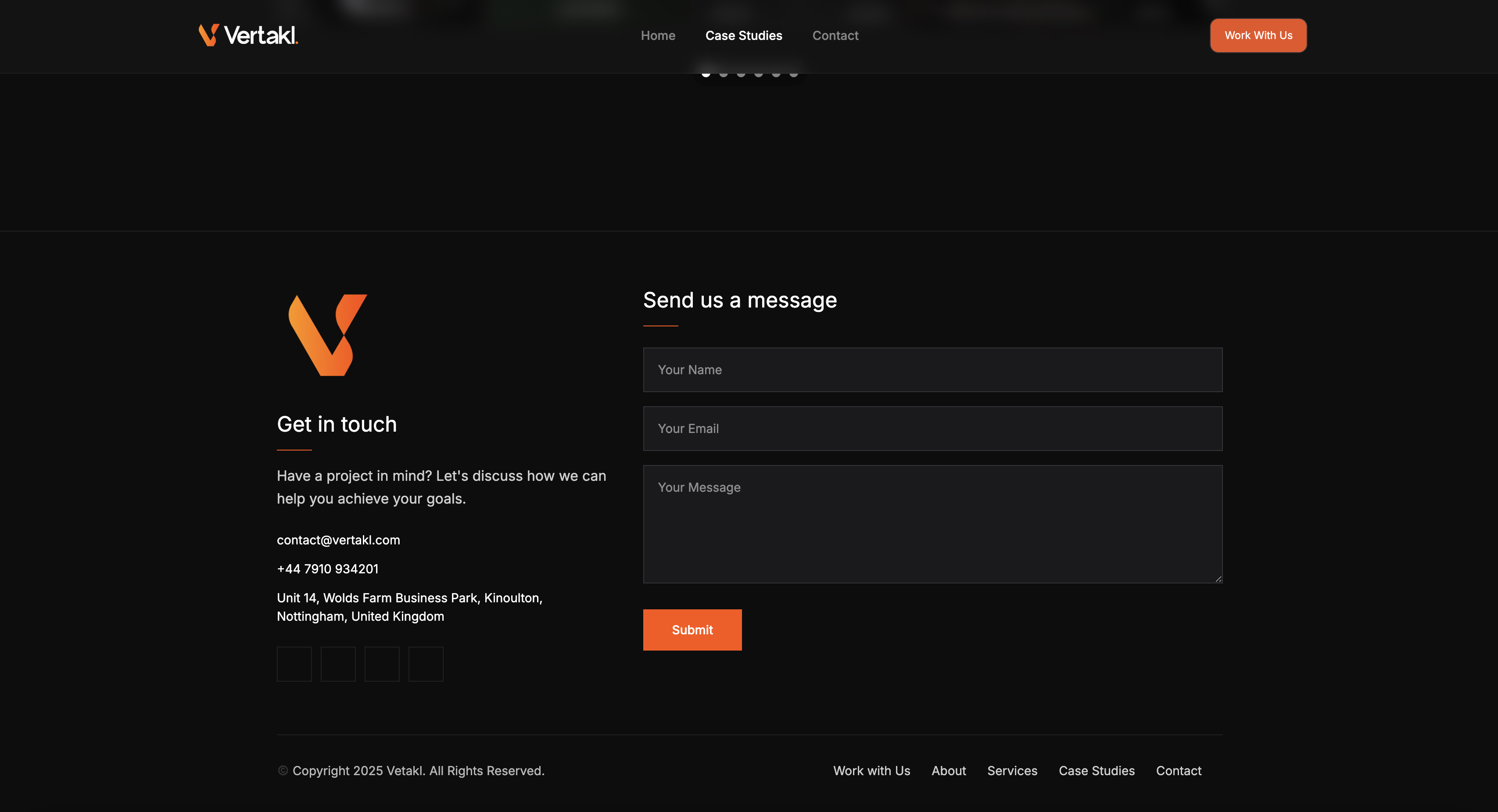
Most rejected decks fail on the same four slides. Here is the 11-slide structure investors expect, what belongs on each one, and how long the whole thing should take.
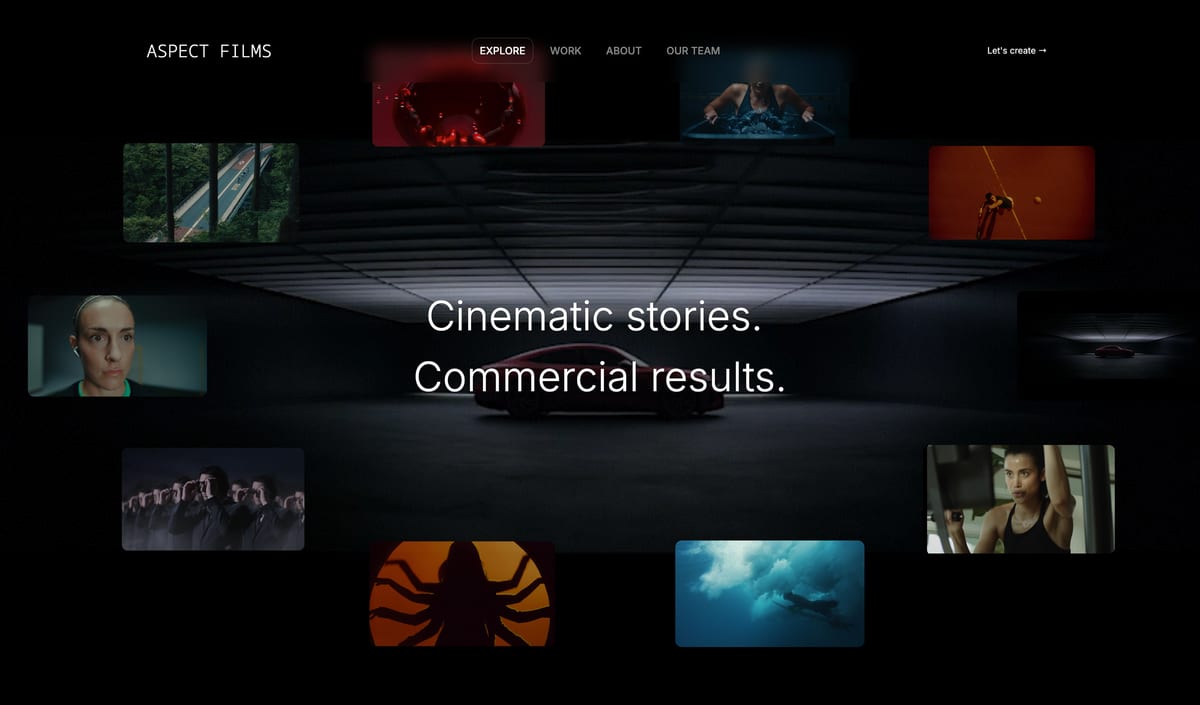
A treatment wins the job before anything is shot. Here are the eight sections it needs, how long each should be, and why the format you send it in decides half of it.
Agencies do not have a slide problem, they have a consistency problem across eight people. We tested 7 presentation tools, scored an eighth, and compared brand control, review and seat cost.
A template saves you a weekend and can cost you the room if an investor has seen it forty times. Here are 11 sources, what each costs, and when to skip templates.
Interactive presentation tools split into two kinds: live audience polling and documents that respond when read alone. We tested 8 and priced every one.
Most presentation comparisons price tools for teams. We priced 9 of them for exactly one person and found the cheapest credible stack costs about $108 a year.
Canva makes the better-looking deck and Pitch tells you what happened after you sent it. We built the same 16-slide deck in both and priced a team of five.

Most design work is rejected in the presentation rather than in the design. Here is a structure that holds up, and why sending three options is usually a mistake.
Gumroad charges nothing monthly and takes roughly 12.9 percent plus 80 cents once card processing is included. Shopify charges a flat plan and 1.9 percent. On a 59-unit digital product the crossover arrives at about three sales a month, which is far sooner than almost anyone expects.
Both platforms sell community, courses and memberships on one bill. They meter completely different things, and on price alone one of them wins at every revenue level we tested.
Both platforms sell digital products, courses and memberships. One has a free plan and one does not, and the point where the paid platform becomes the cheaper platform is further away than either pricing page suggests.
These two platforms charge for opposite things. One taxes your sales and then stops, the other never touches your sales but taxes your branding. Which is cheaper depends on a number you can calculate in a minute.
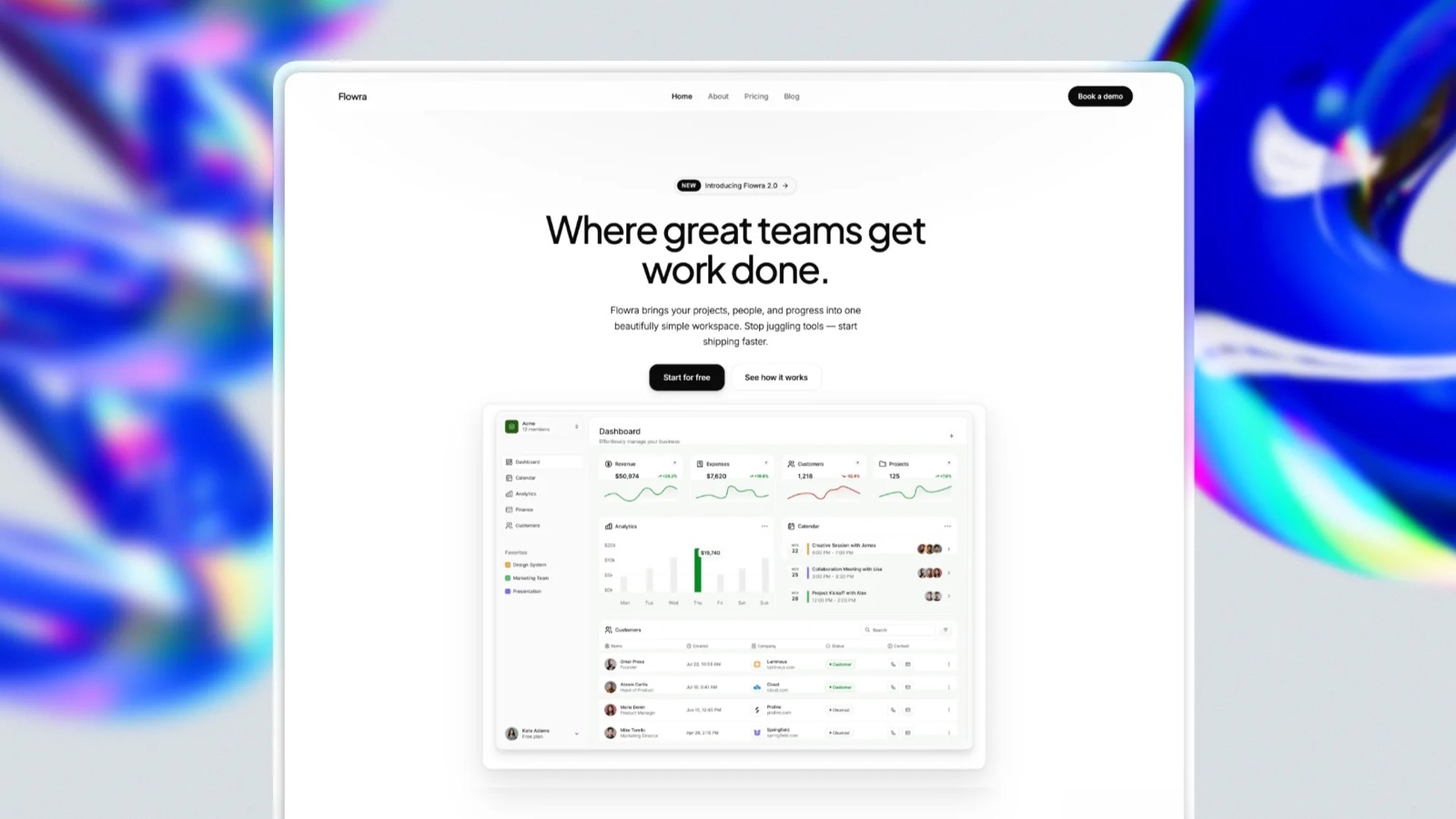
Both platforms look like a 5% tip jar with a shop attached. They are not the same deal, and which one takes less of your money changes twice as your income grows.
Teachable looks four times cheaper than Kajabi until you read the transaction fee. We priced the same $249 course at four monthly volumes across every tier of both platforms to find where each one actually wins, and where the entry plans quietly stop being the cheap option.
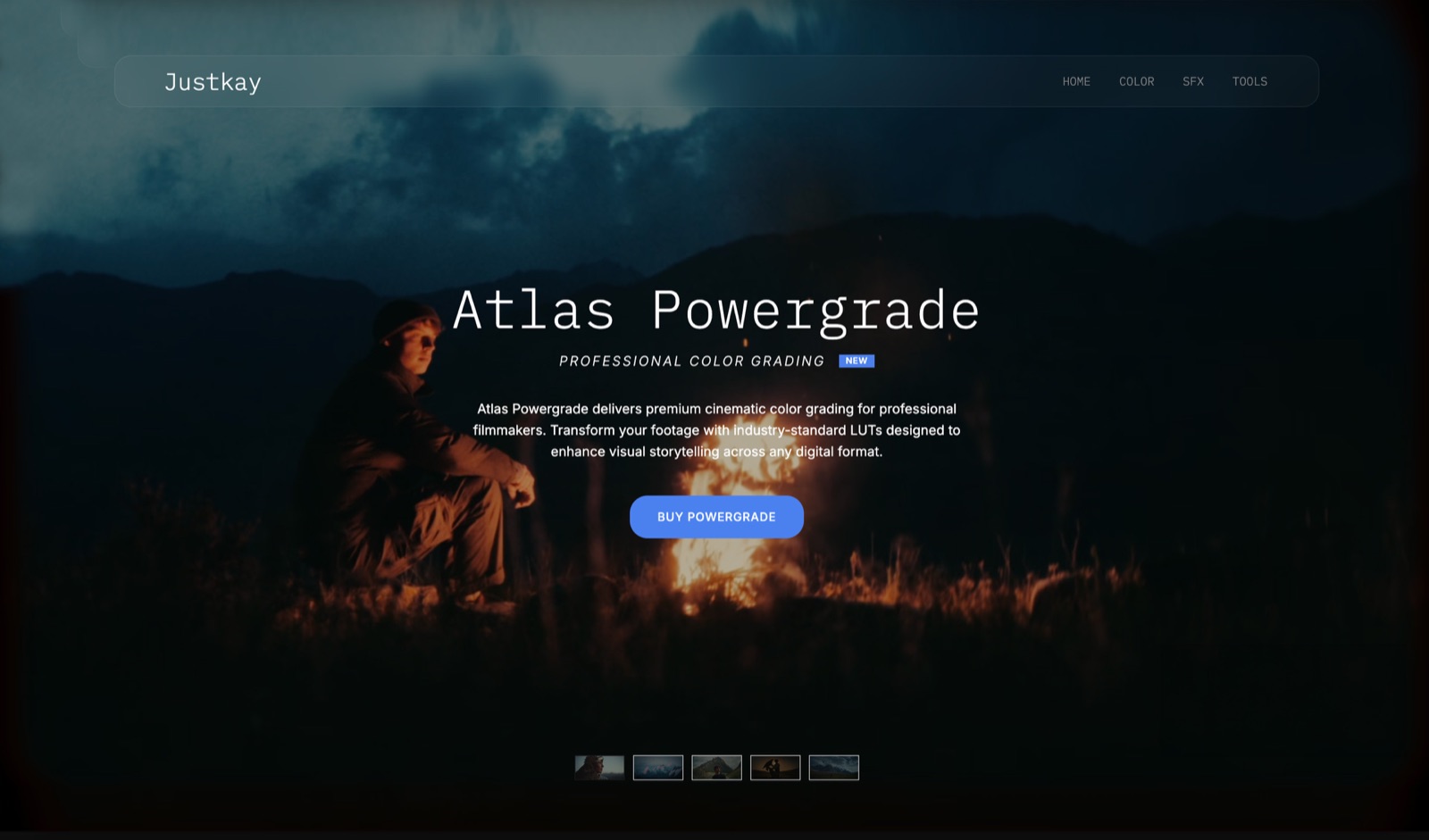
We compared 11 platforms against Ko-fi on the three things creators actually earn from: one-off tips, recurring memberships, and digital product sales. The right answer changes depending on which of the three pays your rent.
Gumroad charges 10 percent plus 50 cents and then adds card processing on top. Lemon Squeezy charges 5 percent plus 50 cents with processing and tax already inside it. We ran one $29 product through both, plus the payout schedules, the surcharges, and the refund rules neither homepage mentions.
They wake up having raised a round, hired a marketing lead or set a launch date. The budget appears two to six weeks later and goes to whoever is in front of them.
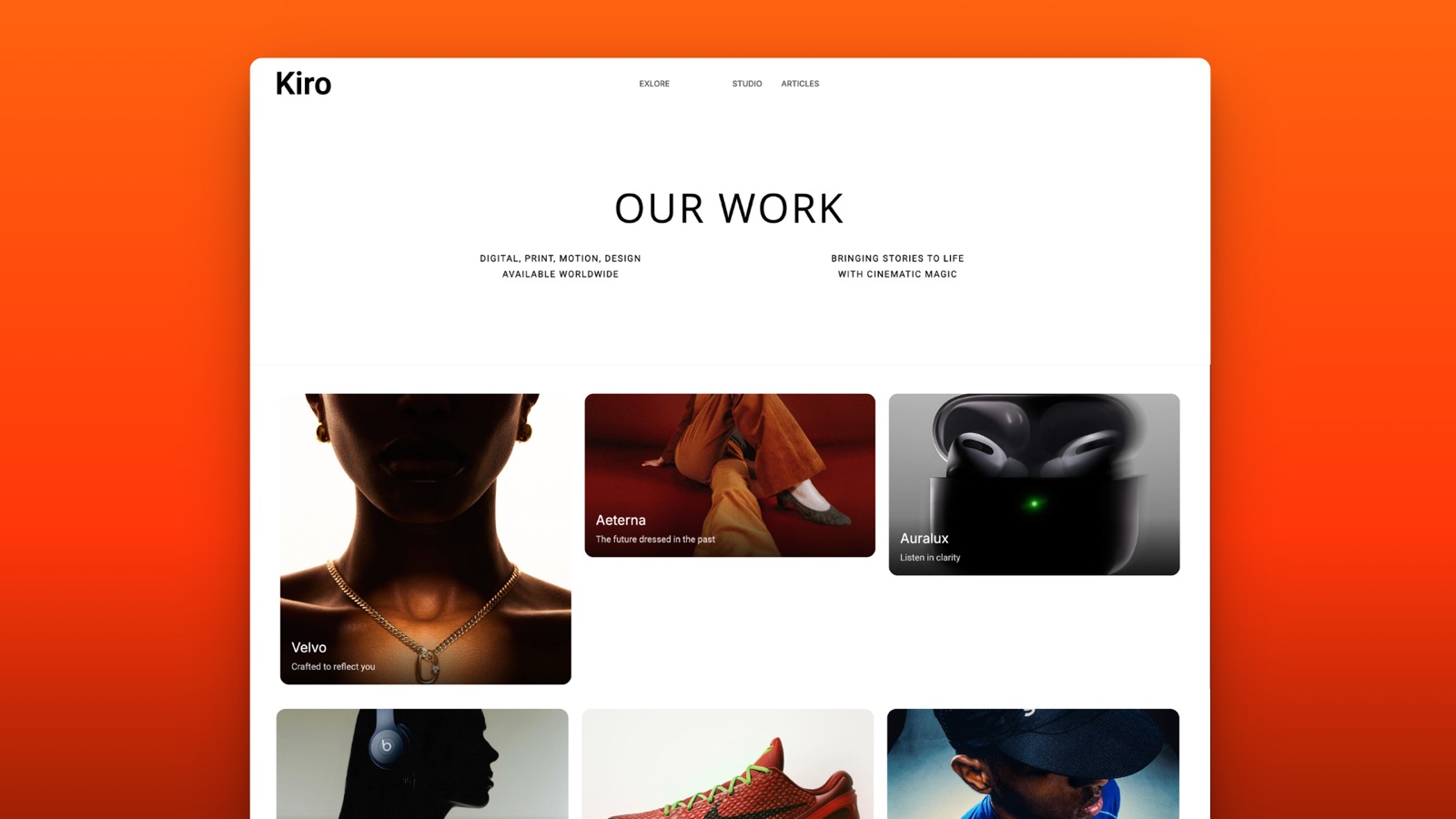
Who is this for, what does it cost, and what happens after they say yes. Almost every problem a new designer has traces back to one of those three going unanswered.
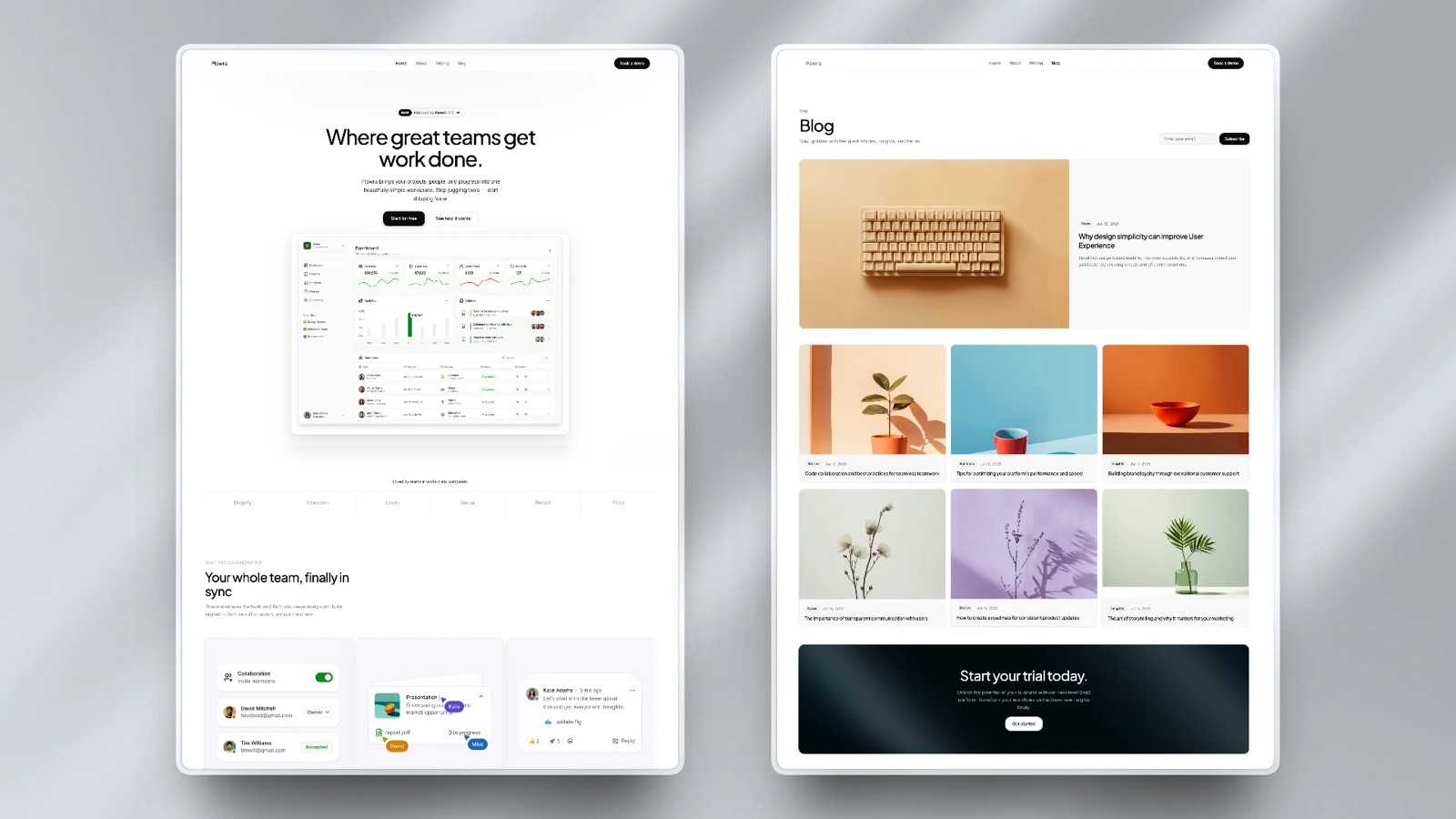
We took one creator selling a $249 course at $4,000 a month and ran the real monthly cost across ten Kajabi alternatives. The surprise is that several cheaper-looking platforms cost two to three times more than Kajabi at that volume, because a percentage never stops growing.
An editor subcontracting for an editor who works for a production company who works for an agency is four layers from the money. Each layer costs roughly a third of the fee.
We listed the same illustrated 96-page guide, priced at $29, on eleven platforms to sell ebooks and tracked what actually reached the author on each sale. The answer splits cleanly by whether you need readers you do not have or margin on readers you already do.
Pins peak months after publication and every pin is a separate door. That makes selling on Pinterest a landing-page problem, not a checkout problem.

The risk in this genre is not a bad template, it is a policy decision or a gallery that was public by default. We tested seven builders on privacy and payment risk.
The typical first year is $6,000 on a camera and nothing on what produces bookings. The order that works is close to the reverse, because clients do not hire equipment, they hire evidence.
Two editors quote $500 for a two-minute video. One gets 20 minutes of footage, the other gets six hours. Same deliverable, same price, and one is about to work for $12 an hour.
Substack's page says two things and only one gets quoted. Writers keep 90%, and they own the subscriber list. The second sentence is worth more than the first.
Client acquisition is not a marketing problem, it is an explaining problem. Rank the four channels by how much explaining each requires and the order of what to do this month becomes obvious.
A video published in 2022 is making sales this afternoon. That long tail is why the decisive question is not the fee but whether the link in 200 descriptions belongs to you or the platform.
A number copied from a rate table is a number you cannot defend. Here are the three you actually need: your floor, the market range, and the value of the job, with the arithmetic for each.
beehiiv holds 2,500 subscribers free, Kit holds 1,000, MailerLite holds 250. Same PDF, same form, three very different dates on which you start paying. The ceiling table, verified at source.
A client asks for a drawing of a fox. You quote $600 for a day and a half. They were budgeting $4,000 for packaging usage. Nothing about the drawing changed. Here are 12 streams, priced the way the industry actually prices them.
On a $29 download Gumroad leaves you $25.60 and Etsy leaves you $25.79, so the fee comparison everyone writes is irrelevant. The real decision is who owns demand, and Etsy's Offsite Ads threshold decides it.
Canva's own documentation says the per-use royalty rate is confidential business information. That sentence explains more about designer income than any rate guide. Here are 13 streams, ranked by pricing basis.
A free design tier no longer limits what you can draw. It limits how much you can keep: Figma Starter holds 3 files. Twelve tools ranked by where the free plan stops and what passing it costs.
Couples spend $3,000 on a photographer and $2,300 on a videographer for the same wedding, and the film takes three times the post hours. Here is what all 17 videography income streams really pay per hour.
Client work has a hard hourly ceiling. Assets pay in the months you do not shoot. Here is what all 14 photography income streams actually pay, costed on published rates and two fixed examples.
Drawing on a frame fixes where a note applies. We tested 9 video annotation tools on how easily a client can draw, whether the markup survives a new version, and whether it reaches your edit.
Approval is not a button, it is evidence. We tested 10 client approval tools on whether they can prove who signed off on which version, and only two produce something you could show a lawyer.
Shared storage, project locking, asset management and client review are four separate problems sold under one banner. We tested 13 post-production collaboration tools to show which does which.
Transfer tools charge by the gigabyte, review tools by the seat. We tested 12 ways to send video to clients and ranked the one account that sends the cut, collects the notes and delivers the final film.
Vimeo bundles review into a hosting subscription, which is wasteful if your cuts never go public. We tested 9 alternatives sold as review products and ranked the one that also gives you the portfolio Vimeo was standing in for.
Wipster costs 9.95 dollars a month for one person and triples the moment you become a team. We tested 8 alternatives on what a single editor pays, which of Wipster's three best features survive, and which one does not.
Filestage is priced for a marketing department: 199 dollars a month, ten seats, seats sold in blocks of five. We tested 11 alternatives on what the workflow costs when there are three of you.
Print proofing needs colour separation, barcode checks and measurement. Video review needs timecodes. We tested 9 Ziflow alternatives, sorted them by which side of that line they sit on, and priced each for a 15-person team.
The Replay included in your Dropbox plan is four file uploads. We tested 10 alternatives on what standalone review costs, which ones keep drawing on the frame, and what nothing replaces.
Freelance editors do not lose money on software, they lose it on revision rounds nobody agreed to. We tested 12 review tools on solo pricing, concurrent projects and which of the three costly ambiguities each one removes.
Your reviewers are a couple and their parents, not a producer. We tested 9 video review tools on guest access, privacy, project count and whether they can hold a full ceremony film.
Every agency runs an internal review and a client review. The tools that cannot separate them will eventually show a client your creative director's honest opinion. We tested 11.
A documentary rough cut is 90 minutes long and the project lasts four years. Most review tools are built for a 60-second spot. We tested 8 on the limits that actually bind.
You are the client and the boss, your editor is in another timezone, and you ship 52 times a year. The whole review category is priced for agencies running four campaigns. We tested 10 tools.
A commercial gets reviewed twice. A shot gets reviewed forty times. Animation's unit of work is the shot, and most review tools model a timeline instead. We tested 9.
The corporate video problem is not feedback quality, it is feedback volume from people who disagree with each other. We tested 12 tools on which consolidate eleven opinions into one decision.
A listing video is worth a few hundred dollars and has to be approved by Friday. We tested 8 review tools on the only things that matter at that volume: cost per job and speed.

A production company bills per project and licenses software per seat. Between those two facts sits every freelancer who works three weeks a year. We tested 11 tools on churn.
The logo lands too hard is a note about an easing curve, and most review tools can only pin it to a single frame. We tested 9 on whether they can express a span.
Delivering a 6-minute cut to ten reviewers three times each costs 18 cents of actual hosting. Everything above that is the review layer. We tested 10 options on both halves.
A campaign is a film, a poster, a landing page and a set of ads. We tested 12 proofing tools to find whether one system beats three specialists, and where consolidation actually costs you.
Password, expiry, an email gate and a download toggle are the four controls an unreleased cut needs. We tested 8 tools on which give them away and which charge.
A designer's deliverables are a logo, a layout, a landing page and increasingly a motion piece. We tested 11 client feedback tools on which can actually take notes on all four.
Every review tool puts its name on the page you send a client. Removing it costs between 9 and 199 dollars a month, and there are two very different grades of white label.
A note pinned to frame 103 of version two refers to nothing in version three if the timing changed. We tested 12 tools on how they handle that, and the answers differ more than you would expect.
The constraint moved from acquisition to retrieval years ago, which is why a search tool beats libraries a hundred times its size.
Every other guide in this series treats the transaction fee as the whole cost. For business buyers it is a rounding error next to the deal you lose because procurement could not pay you.
TaxAct's own page lists freelance and self-employed income among the things that fall outside free federal filing. Two products decline to play that game entirely.
This category sells against a number nobody can measure. So instead of estimating losses, we priced each protection layer and separated what it definitely does from what it cannot.
The useful number for a TikTok seller is not the platform fee, it is revenue per thousand views - and at that scale the fee structure that works is the opposite of the one everyone recommends.

Instagram cannot sell digital products natively, so every tool here is a workaround for two constraints: one link, and an in-app browser that behaves unlike any other.
Going website-free is genuinely the right call at the start, and it has a precise expiry date. We calculated where each method crosses over.
Two things decide a European seller's margin and neither appears in a normal platform comparison: which payment button the buyer clicks, and which country they click it from.
Most lists of digital product ideas rank things by how exciting they sound. This one ranks them by what an hour of your work is likely to return, and says plainly where those estimates come from.
Every guide in this category says to move off the marketplace once you have an audience. For digital planners specifically, the arithmetic does not support that, and it is worth understanding why.
A prompt pack stops working when the model changes, which is roughly three times a year. That makes update delivery worth more than commission, and almost nothing in this category is built for it.

More than half of overlay revenue arrives in a single quarter. That changes which fee model wins, and every comparison of these venues assumes a steady month.

Mockups are the heaviest thing most designers sell, and file size rules out more venues than price does. We started from the gigabytes and worked backwards.
You are not buying a photograph, you are buying a legal promise, and the price tracks the size of that promise rather than the quality of the image.
Half this category sells your work for a price you set and half pays you a fraction of a pool nobody discloses. Those two things cannot be compared, so we stopped pretending they can.
Template buyers ask questions, and on most marketplaces answering them is an obligation rather than a courtesy. That labour is the largest cost in this category and it appears on no pricing page.
Brush packs are the cheapest thing creators sell, which makes them the most expensive thing to process. The fix is not a better platform - it is a bigger bundle.
Actions are cheap, easy to copy and bought by people who will ask whether they work in their version. Those three facts decide where you should sell them more than any fee table does.

A family reported at $460 for 30 desktop users is reported to cost $1,650 for the same 30 users now. Then the website, the newsletter and the paid video are three more licences.
Shopify apps for digital downloads are priced on storage, bandwidth, orders or annual sales, and almost never on the same one. We put all eight against a single 500MB product.
The plugin licence is the smallest number in a WordPress store. The renewal, the hosting and the transaction fee on the cheap tier are the ones that decide what this actually costs.
Shopify's card processing is cheaper than most of its alternatives, which means the case for leaving is not really about money. It is about a checkout built for parcels.
Every Paddle alternative splits into two groups that are almost never compared honestly: the ones that take the tax liability off you, and the cheaper ones that quietly leave it where it was.
Every tool charges against something, and what it charges against tells you who it was built for. Four charge against something you control and three do not.
Skool sells simplicity, and simplicity is a real feature. What it does not sell is a way to see the moment its cheap plan becomes its expensive one, which for most communities arrives inside the first quarter.
The most expensive platform in this comparison is Teachable's own entry plan, and the cheapest fix for most people on it is an upgrade rather than a migration. We priced both against the same fifty students.
Tax software and a merchant of record solve the same problem and are priced on entirely different axes, which makes them almost impossible to compare. We put both against the same year of sales.
Most guides to leaving Whop lead with the fees, which turns out to be the weakest argument available. We read Whop's own fee documentation and priced ten alternatives against it.

Every guide to selling digital products stops at the platform fee. We followed the money the rest of the way - through conversion, payout rails and an inactivity charge almost nobody knows about.
Most video review tools charge per member, so a three-person edit pays three times for one project. We tested 12 of them on the same 6-minute brand film, priced every one for a real team, and re-verified the field in September 2026.
The features this category is sold on - order bumps, one-click upsells, cart recovery - are frequently not on the plan you are quoted. We priced what it costs to actually get them.
Percentage pricing and flat pricing cross over at a specific member count, and every platform in this category knows where its own crossover sits. We calculated all nine.
A membership priced at ten dollars is the worst case for every fee structure in this category, because the fixed per-transaction charge alone is three percent. We priced eleven platforms against exactly that.
Every comparison of affiliate software ranks it on the monthly fee, which is the smallest number in the equation. We priced the software and the commission together, because that is what an affiliate program actually costs you.
Almost every guide to these tools compares feature lists. We compared the only thing that breaks first: what happens when a thousand people download two gigabytes each in the same month.
Every processor quotes a headline rate and then charges you four more times: cross-border, conversion, disputes, payouts. We priced twelve options against one $29 pack, in dollars and in euros, and the spread on take-home was wider than the headline rates suggest.
Subscription template licences attach to projects, not to downloads, so cancelling without registering leaves you with files you may not legally use. We priced every marketplace and read the terms.

One tool in this category prices itself by your production budget, starting at $1,500 a project. Another gives away call sheets, scheduling and breakdown for nothing. Both produce the same document.
FilmFreeway costs filmmakers nothing, and so do most of its rivals, so the platform comparison is not where your money goes. We priced a thirty-festival campaign against published 2026 fees instead.
A consumer photo book lists at $36.49 and routinely sells for $7.80, while professional labs will not quote you at all without an account. We priced the same 40-page hardcover everywhere it was possible.
Free video review tiers are not more or less generous than one another, they are generous in different directions, and the one that suits you is decided by which limit you hit first. We ran the same review round through eight of them, added our own from its published limits, and mapped exactly where each one stops: two projects, five files a month, two or three gigabytes, two users, or sixty days of history.
Video review tools are priced from nothing to nearly eight hundred dollars a month, and they all describe themselves the same way. That spread is not a quality gradient: it is different buyers being sold different products under one label. We compared eleven of them, ran the same review round through the ten competitors, and added our own from its published features, to work out which one you are.
The person who has to use a website feedback tool is your client, and half the vendors in this category charge for that person while half include them for nothing. We ran the same round of client comments through six tools on the same staging site, then priced each one for a freelancer and for a five-project agency, and the seat model turned out to matter more than any feature.
We took one workload, ten hours of video and ten thousand views a month, and priced it on eight hosting platforms using their own published rates, then added a ninth built for delivering video to clients rather than audiences. The answer runs from about three dollars a month to seventy-nine for delivery a viewer could not tell apart, because what the expensive platforms sell is the player, the analytics, and the seat rather than the bandwidth.

The category quietly changed its unit of account: the leading storyboarding tools now meter AI image generation per month rather than charging per seat. We boarded the same twenty-four frame commercial sequence in seven tools, took each one through a client revision round, added Framekit Slides for boards that live inside a treatment, and found that the software you should buy depends almost entirely on whether you can draw.
The industry standard costs 249.99 dollars, a program that opens and writes the same files costs 79.95 dollars, and two of the best options cost nothing at all. We wrote and revised the same eight-page scene in eight screenwriting programs, then tested what production actually needs from the file you hand over, because compatibility rather than features is what you are really paying for.
We animated the same six-second walk-and-turn in twelve 2D animation programs, then priced each one over three years. Two of the twelve became free during the past twelve months, one of the most famous names in the category stopped getting new features in February 2026, and the gap between the cheapest professional setup and the most expensive is larger than most guides admit.
We priced three real creative business stacks, a solo photographer, a two-person studio, and a filmmaker, using figures read on vendor pricing pages in August 2026. The cheapest complete stack costs nothing, the default one costs thousands, and the difference is not capability.
We priced every creative tool we could still buy outright against the subscription that replaced it, over five years. Nine survive, one went free, and two of the best-known names quietly stopped selling perpetual licences in the last eighteen months.
We edited the same fifty-two-minute remote interview episode, one clean room and one with fridge hum, in eight podcast editing tools. The comparison covers text-based editing against waveforms, one-time purchases against subscriptions, and what each free tier actually exports.
We ran the same seventy-minute live product launch, two cameras, a screen share, two remote guests and a simulcast, through eight live streaming tools. The comparison covers what free tiers really allow, subscriptions against perpetual licences, and which ones lose the recording.
We ran the same paid newsletter, 4,000 readers and 180 members at $8 a month, through seven platforms to see what each one actually keeps. The comparison covers percentage cuts against flat fees, the exact revenue where they cross over, and what happens to your list if you leave.
We loaded the same 4,200-file studio archive into eight digital asset management tools and found that half of them refuse to publish a price at all. The comparison covers what a quote-only vendor actually costs, which tools charge per seat, and when a small studio does not need a DAM.
We cut the same four-minute wedding highlight film, 62 clips from two cameras with LOG footage and a 9:16 social version, in 10 video editing tools. The comparison covers one-time purchases against subscriptions, what free tiers really export, and the app that doubled its annual price.
We built the same fourteen-field booking enquiry, with conditional logic, file uploads and a deposit payment, in nine form builders. The comparison covers what free response caps really cost, which tools charge per submission, and which ones take payments without a second subscription.
We rebuilt the same three-month documentary notebook, 61 notes with images and handwriting, in 10 note taking apps to see which survive real creative work. The comparison covers free tier limits, export, handwriting, and the app that cut its free plan to 50 notes.
We logged the same two-week freelance sprint, three clients and 47.5 hours, in nine time tracking apps to find which ones survive contact with real client work. The comparison covers free tier limits, the renewal price jumps nobody warns you about, automatic tracking, and invoicing.
Photographers lose money twice in the booking flow: once to no-shows, once to the email thread that eats a week per booking. We compared 9 booking tools on deposits at booking, mini-session support, contracts, calendar-sync limits, and what each really costs at three team sizes.
The edit is not what costs you money. The round-trip is: notes in three places, a client who cannot open the link, and a fourth revision nobody agreed to. We compared 9 video review and approval tools on timecoded comments, guest access, file caps, and what a freelancer with three clients actually pays.
The 3-2-1 rule sounds free until the first archive drive clicks and you find out what a second and third copy actually cost. We compared 13 photo backup solutions on cost per TB per year, restore and egress fees, retention windows, and RAW handling.
Freelance creatives pick an invoicing tool by its monthly price, then lose ten times that amount to payment processing without ever seeing the line item. We compared 11 tools on card and bank-debit rates, platform fees, payout timing, chargebacks, and what happens to your invoice history when you stop paying.
Every scheduler is priced per social account, which is how a photographer with Instagram, a Facebook page, Pinterest, TikTok and YouTube ends up on an agency plan. We compared 10 tools on channel maths, post caps, auto-publish coverage by format, and what happens to your queue when you stop paying.
Every email platform charges you per subscriber, but a photography list only converts twice a year. We priced 11 tools at 1,000, 5,000 and 25,000 subscribers against published August 2026 pricing, and checked which ones bill you for unsubscribes.
Sending a proposal is free everywhere. Getting it signed and taking the deposit is the part routinely paywalled a tier above the headline price. We compared 8 contract and proposal tools on cost at 1, 2, and 5 seats, send limits, audit trails, and what happens to your signed documents if you leave.
Per-seat pricing was built for software teams with stable headcount, not studios that bring in three freelancers a project and pay for eight seats. We compared 11 project management tools on seat minimums, guest and client access, file caps, proofing, automation limits, and real annual cost at three studio sizes.
Culling is the largest unpaid job in wedding photography, and it is sold three incompatible ways: per image, per month, and once forever. We compared 12 culling tools on real cost per wedding, whether your RAW files leave your machine, and whether your picks survive the software.
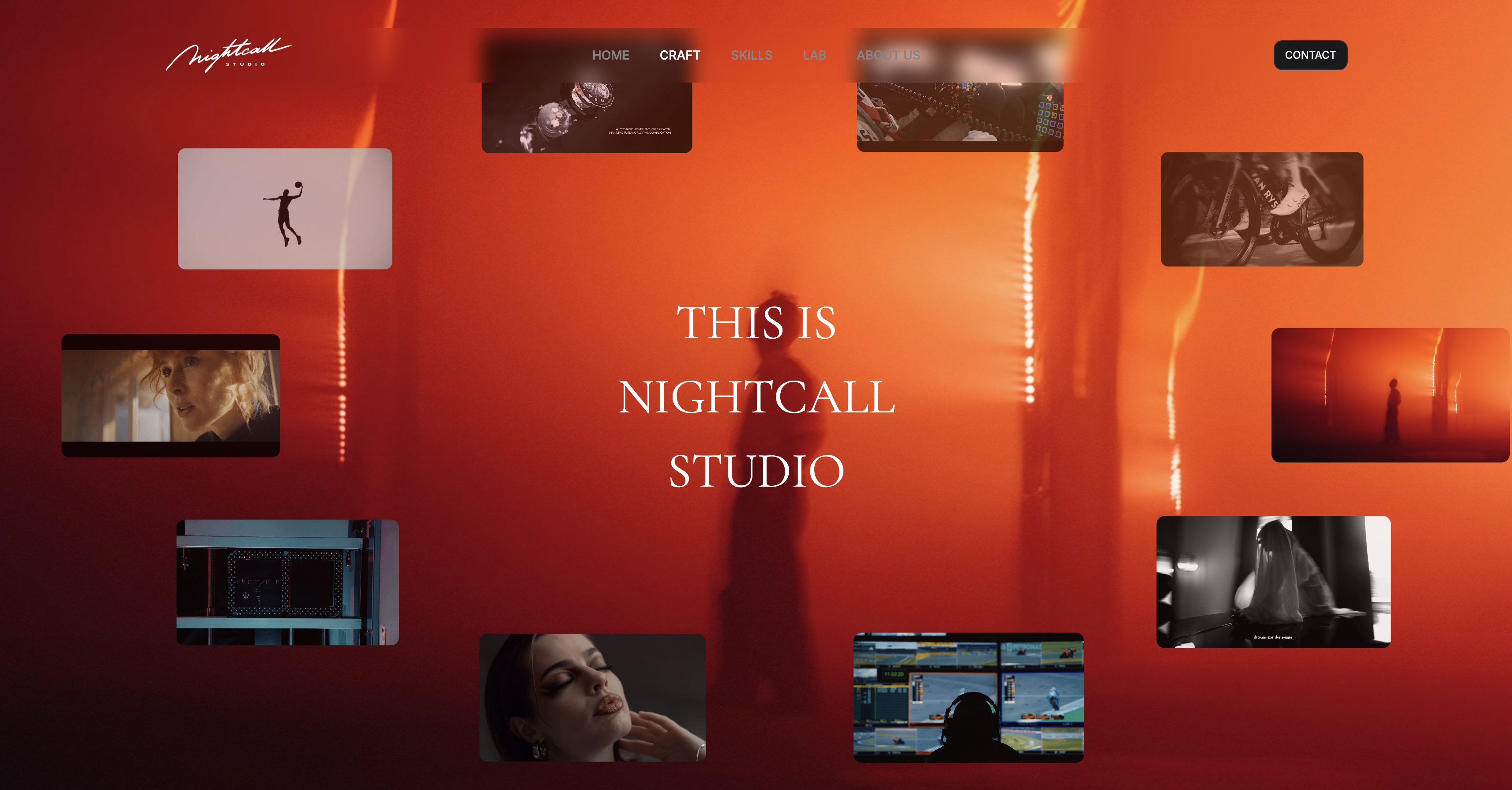
Most stock music sites gate client work behind a tier two to five times the headline price, and the gap usually surfaces as a Content ID claim on your client's channel a year later. We compared 9 sites on licence coverage, annual cost, and post-cancellation rights.
The monthly price of a photo editor is the least interesting number attached to it. We compared 13 editors on what ten years really costs, where your edits are stored, whether you can take them elsewhere, and what happens to your library the month you stop paying.
Outsourced editing is sold per image, per shoot, or per month, and almost nobody compares it against the hourly cost of editing yourself. We priced 10 photo retouching services on the same 600-frame wedding delivery and against 25 weddings a year of your own time.
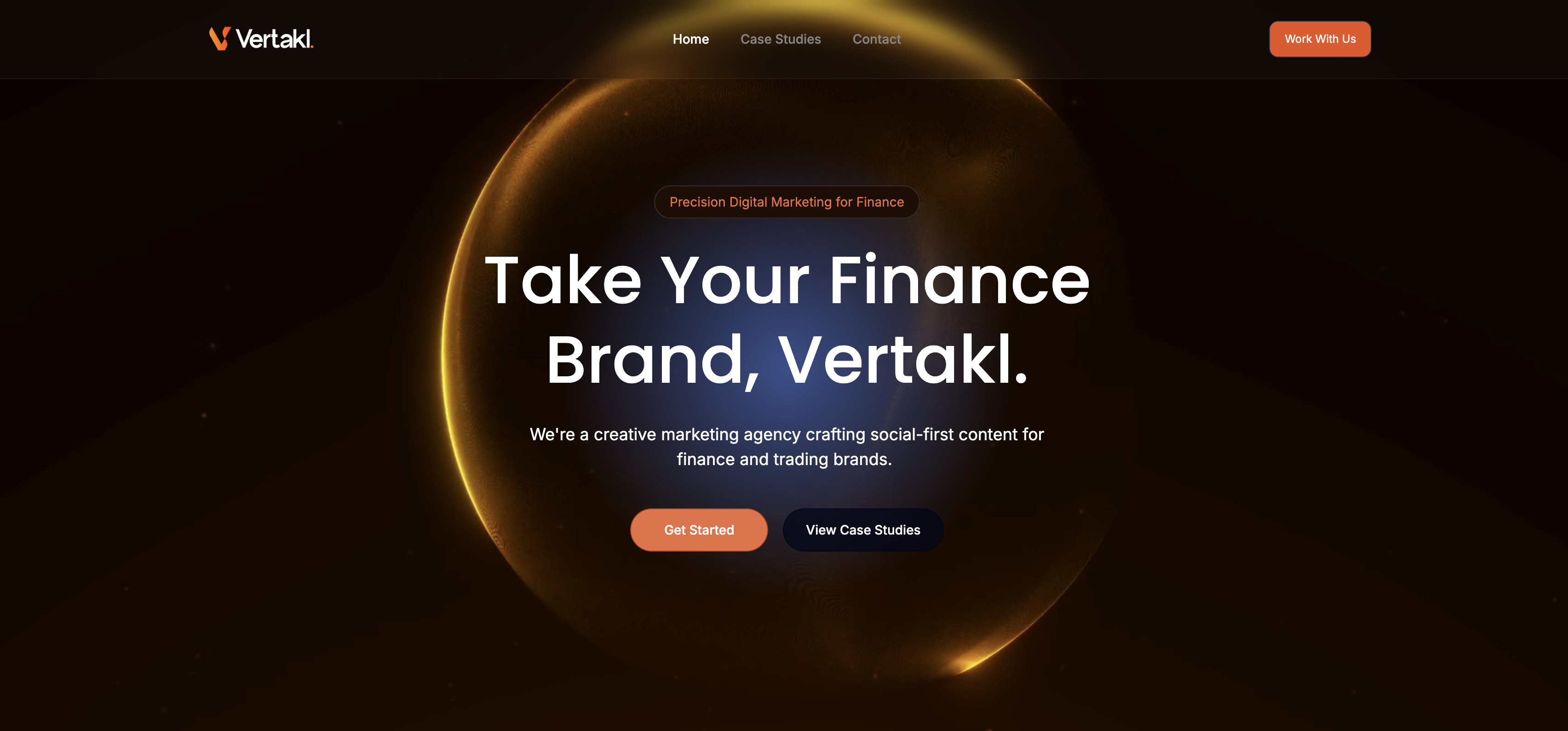
Every podcast host sells you storage, but the thing you are actually renting is the RSS feed URL that Apple and Spotify point at. We compared 8 platforms on how uploads and downloads are metered, what monetisation costs you, and whether your 301 redirect outlives your subscription.
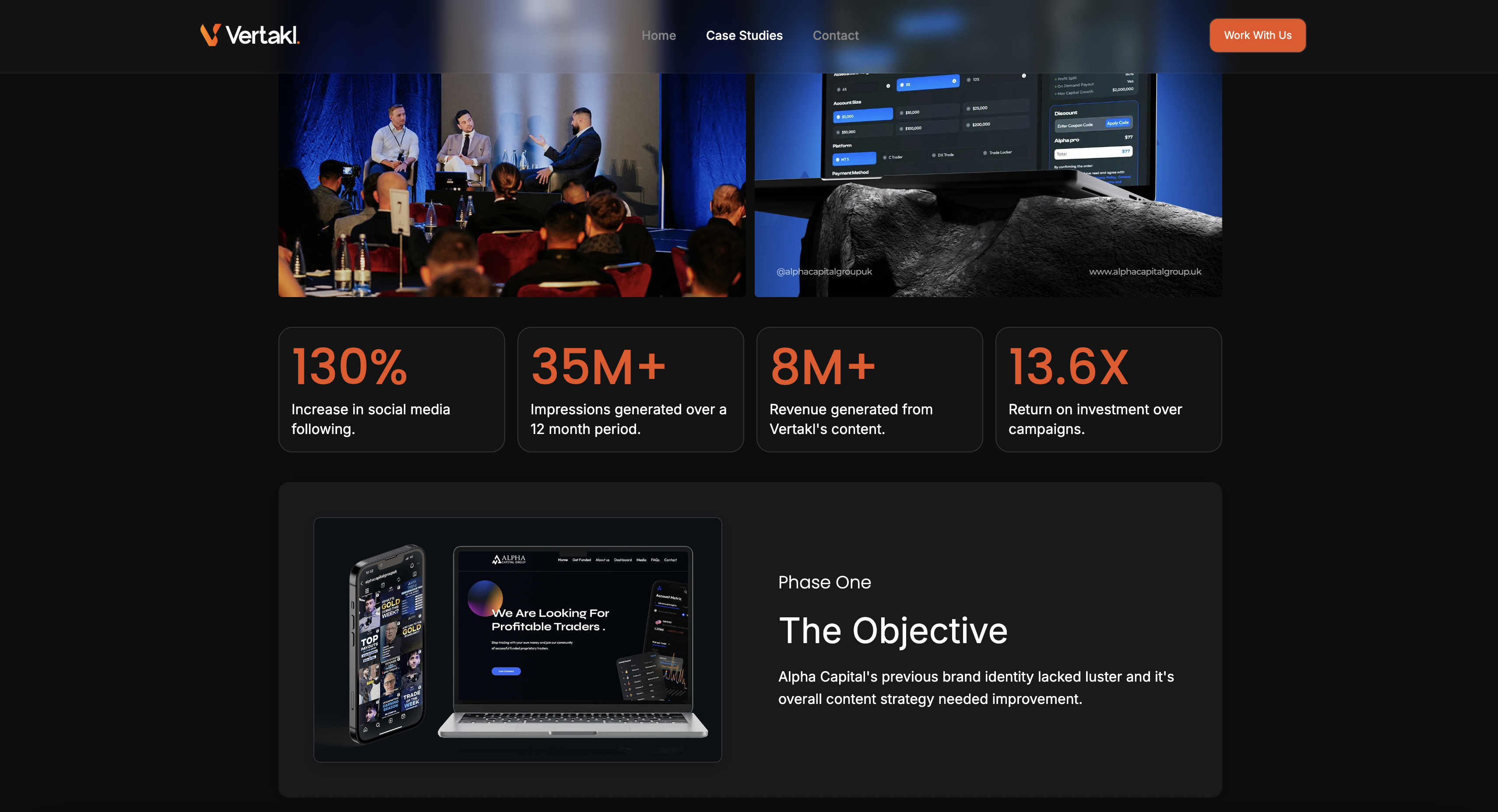
Creative income is lumpy and the deductions are gear, mileage, and a home studio, which is exactly where generic bookkeeping software falls over. We compared 12 accounting tools on entry-tier paywalls, bank feeds, depreciation handling, multi-currency, and export.
Every stock footage site sells you the same thing: permission, written down. We compared 13 of them on cost per 4K clip, broadcast and paid-advertising rights, indemnity ceilings, and the question almost nobody checks - whether the clips you already downloaded stay licensed after you cancel.
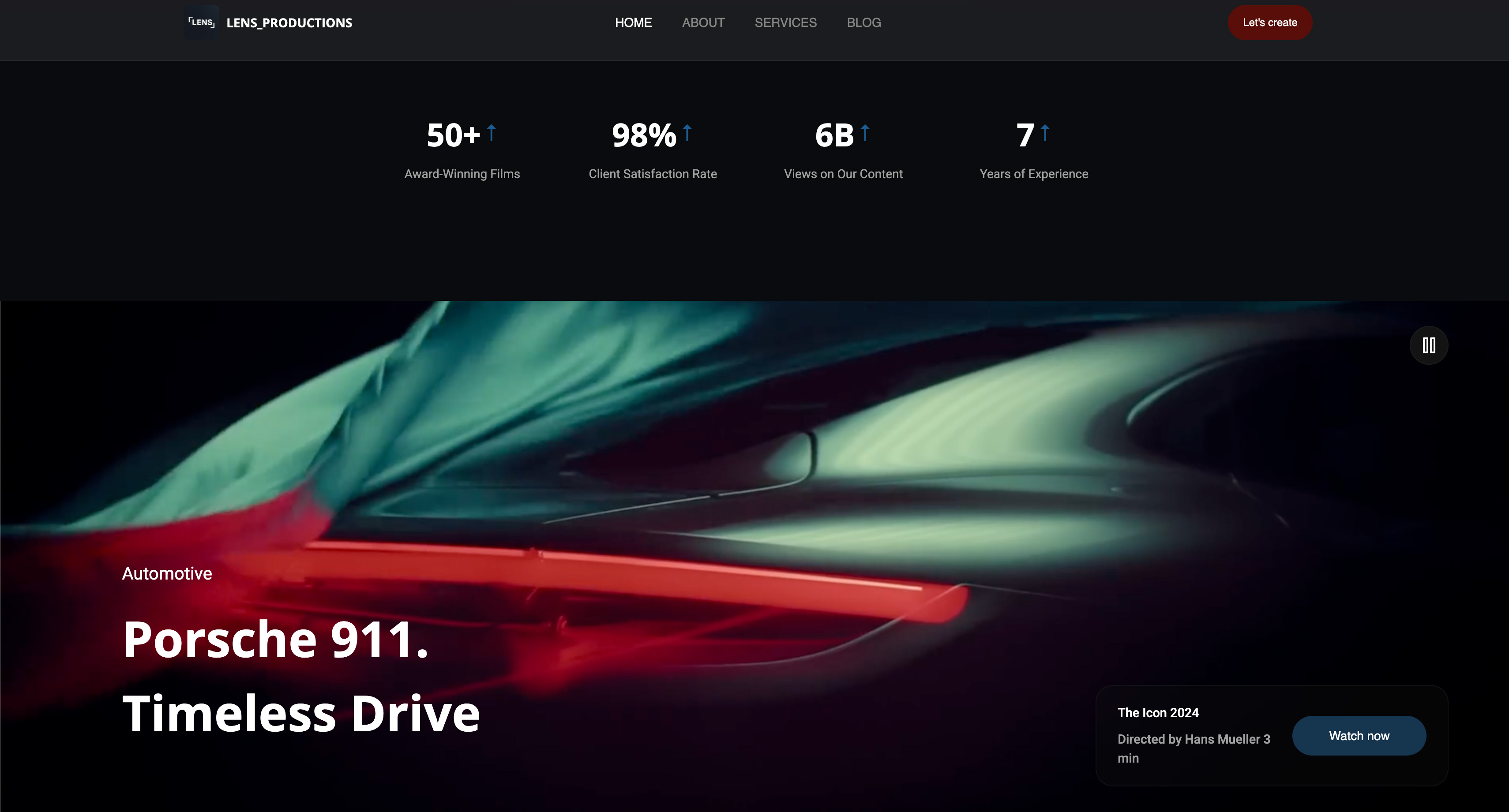
Color grading has the widest price spread in post production: a genuinely professional grade is free, and the panel under a feature colorist's hands costs $34,665. We compared 9 tools on licence model, ACES, HDR and Dolby Vision, node versus layer grading, hardware, and round-tripping to explain exactly what the money buys.
You bought the domain for $14 and the mailbox quote came back at $84 a year. We compared 10 email hosting services for custom domains on per-mailbox price, alias limits, storage, deliverability, and whether you can actually export years of client mail if you leave.
A 20% commission on a $6,000 brand identity is $1,200, and that is before connects, withdrawal fees, and the currency spread. We compared 12 freelance marketplaces for creatives on what each one actually takes, how long the fee follows a client, and what it costs to leave.
Screen recording splits into two jobs that pull apart: a client walkthrough that needs a link, and a tutorial that needs an editor. We compared 11 tools on five-year cost, free-tier caps, hosting, captions, 4K export, and what happens when you stop paying.
A wedding photographer collecting $87,500 a year pays more in processing fees than for the CRM itself: $2,550 on cards inside HoneyBook, or $250 by ACH through Dubsado's capped Stripe rate. We verified every price in July 2026 and ranked 6 alternatives.
Big Cartel's free plan stops at 5 products and Platinum stops at 50. We priced a 30-product print shop doing $800 a month on 7 alternatives: monthly totals run from $44.20 to $109, and Shopify's $29 Basic plan now undercuts Big Cartel's own Diamond tier by a dollar.
Substack keeps 10% of every paid subscription, forever. On a newsletter with 5,000 free readers and 200 paying $8 a month, the right alternative nets you up to $150 more every month - and two of them can move your Stripe billing without a single re-subscribe.
Gumroad keeps $2.90 of every $24 sale, plus about $1.00 in card processing. Shopify Basic keeps about $1.00 plus $29 a month. That flat fee flips the ranking at roughly $240 a month - about 10 sales - and most sellers on both platforms have never run the math.
The EU taxes your first sale to an EU consumer - there is no threshold for foreign sellers. Germany wants 19%, Sweden 25%. Here is the math on a $24 preset pack, and when paying a merchant of record to make it all disappear is the smart trade.
A $24 preset pack nets $22.67 through a PayPal button and $23.00 through Stripe. The 33 cents is the boring part. The real differences are a 21-day hold, a 3% to 4% currency spread against 1%, and which checkout your buyers already trust.
Stripe charges 2.9% plus 30 cents per US card charge, which is $1.00 on a $24 preset pack and an effective 8.9% on a $5 one. The surprises live elsewhere: refunds that keep the fee, $15 disputes, and the tax work no processor does for you.
On a direct $24 sale Etsy keeps $2.73 in fees and Gumroad $3.90 once its separate card processing is counted. Let the marketplace claim credit for the order and Etsy takes $6.33, Gumroad $7.20. The real comparison is not the headline rate, it is whose traffic you sell on.
Most photography portfolios rank for exactly one thing: the photographer's own name. Here is the specific work that changes that, in the order it pays off.
Both take 15% on their free plans. Pic-Time's paid tier costs about $180 a year more than Pixieset's and sells for you while you sleep. Whether that pays is a number you can calculate.
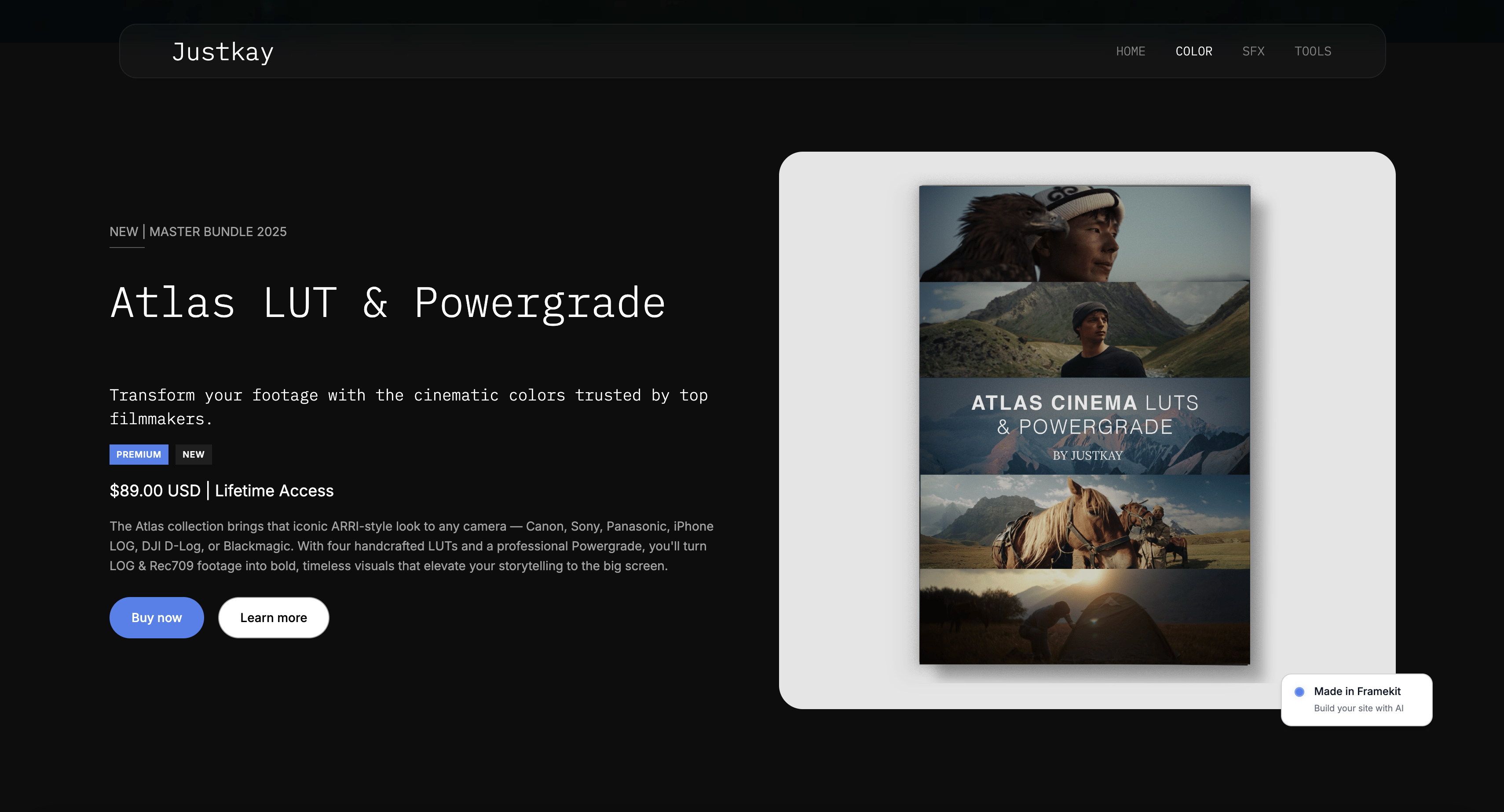
Gumroad's fee is 10% plus 50 cents per transaction plus card processing, and 30% when a buyer finds you through Discover. On a $5 product that flat 50 cents alone is 10%. Here is every line of the stack.
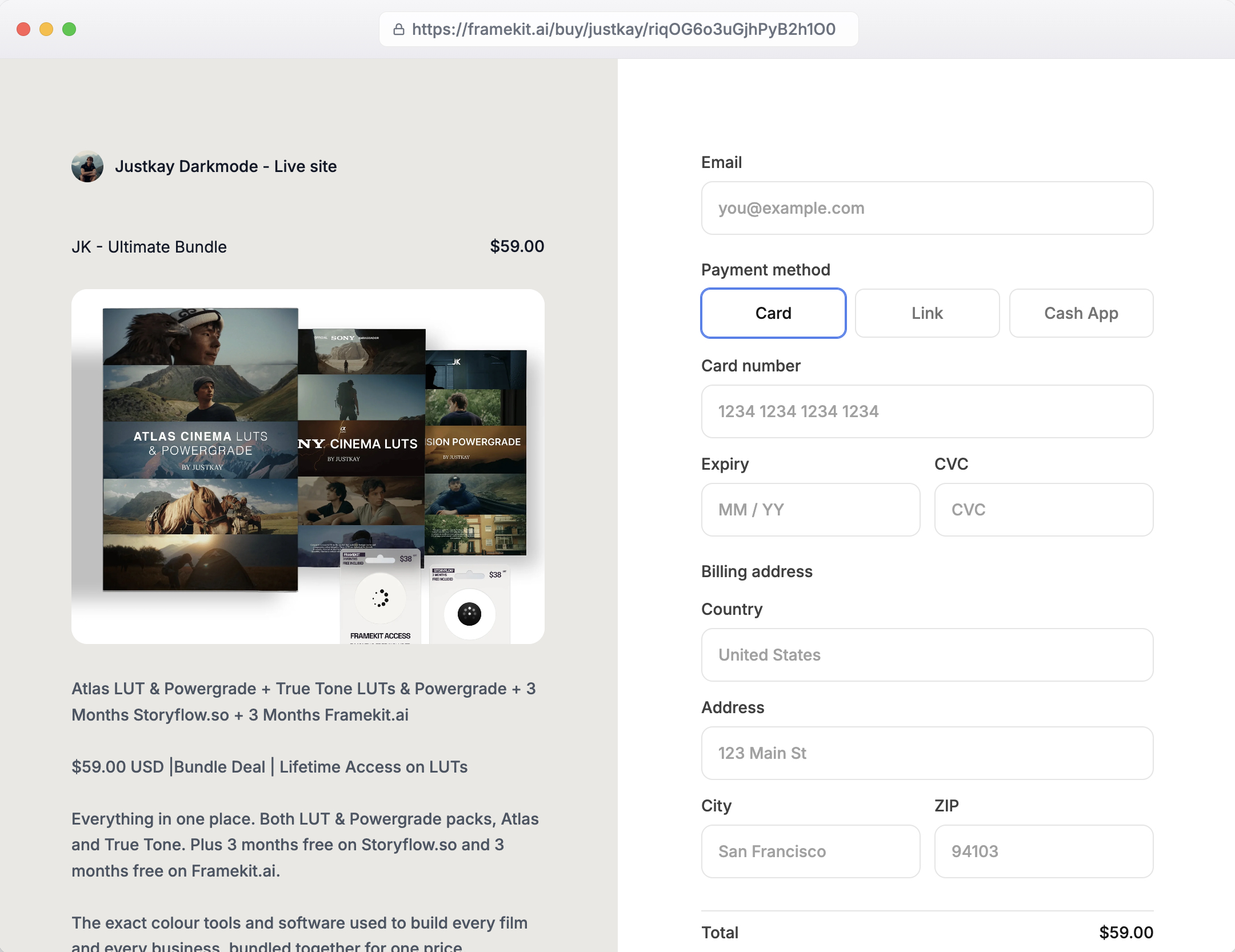
On a $19 product, Gumroad's 10% plus 50 cents is a 12.6% cut before processing. Payhip's free plan takes about 5%. Over 200 sales a year that gap is $290, and the fee is only the third most important difference.
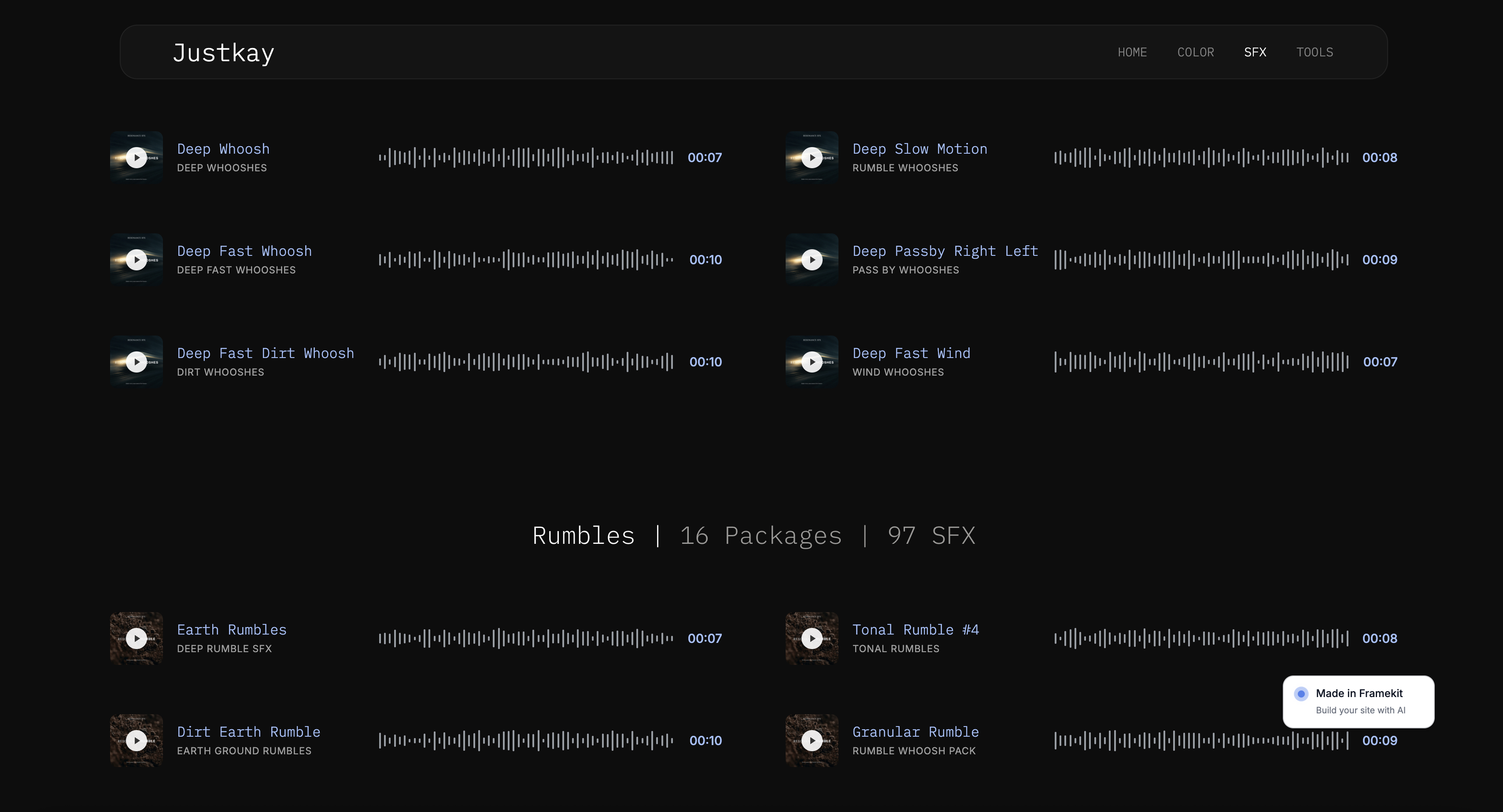
Pixieset charges 15% on free-plan print sales; ShootProof charges 0% on every plan. That single difference is worth $720 a year on a modest print business, and it is not the only place these two split.
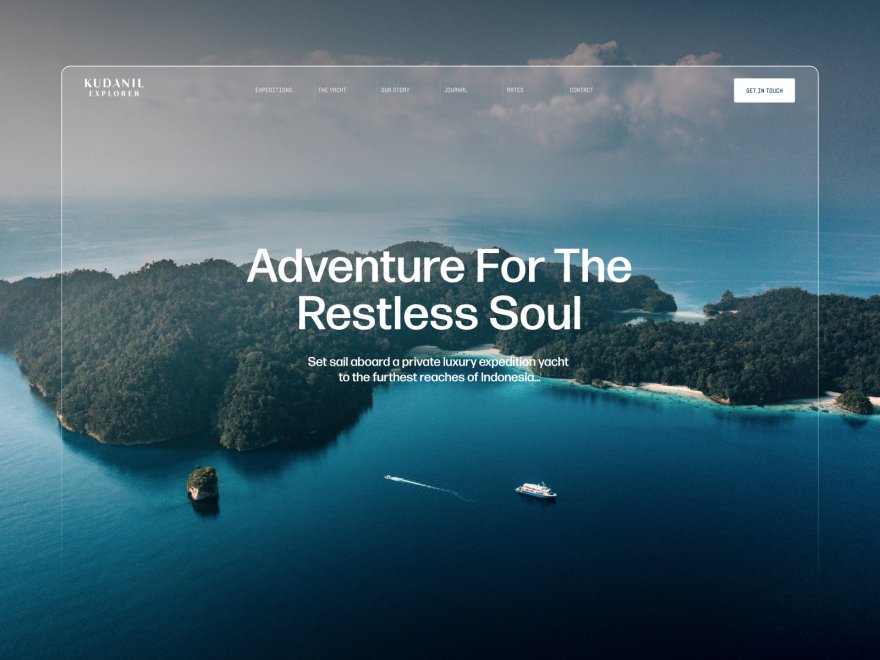
On 1 July 2026 Envato cut its top authors from 87.5% to a flat 50%. We compared 11 places to sell digital templates on what each one actually leaves you on a $29 sale, who owns the buyer, and how fast you get paid.
The same $79 model pays you $31.60 on one marketplace and $76.41 from your own store. We compared 12 places to sell 3D models on royalty rate, exclusivity terms, audience, and what each one actually leaves in your account.
A $29 sample pack pays you $23.20 on Bandcamp and $27.86 from your own store. We compared 12 places to sell sample packs on fees, reach, payout speed, and who owns the customer when the download finishes.
Shutterstock pays 15% at the entry level. Your own site pays about 92%. We compared 11 places to sell stock footage on royalty rate, exclusivity, buyer volume, and what each one actually leaves in your account.
At $1,000 a month of digital sales, Bandcamp's revenue share costs about $1,800 a year and a commission-free site costs about $180. We compared six website builders for musicians on the cut they take, the music-specific features they include, and what a working artist actually pays.
A $40 print returns about $4 on a marketplace royalty and about $22 through a fulfilment service behind your own store. We compared 10 print on demand options for artists, split by the question that actually decides it: who finds the buyer.
An agency's platform choice is an operations decision dressed as a design one. We priced seven builders at ten client sites, including the workspace and seat fees most agencies forget, and compared staging, client billing transfer and white-label.
Patreon advertises 10% and takes about 19% on $5 pledges once processing lands. We modelled the same $24,000-a-year membership on 12 alternatives, published the crossover point for every flat-fee platform, and ranked our own product tenth because it does not do memberships.
WeTransfer's free tier now caps you at 2GB and expires in 7 days, and the 2025 terms-of-service scare sent creatives looking. We compared 11 alternatives on free limits, expiry, cost, security, and whether the client ever sees your name.
Your lettering sells as brushes, practice sheets, and printables - and Etsy takes a cut of every one while keeping your customer. We tested 5 website builders for calligraphers on portfolio, selling, and fees.
Pixieset delivers galleries and sells prints from its subdomain; Framekit delivers galleries from a website you own and sells digital. We compare Framekit and Pixieset on delivery, selling, ownership, and cost.
Stock agencies pay photographers 15 to 45%, and Shutterstock resets everyone to 15% each year. Here is how to sell your images and keep far more of each sale.
Type foundries take about half of every font sale. Here is how to prepare files, set licenses, price your type, and sell it from a foundry store you own.
A merchant of record takes your VAT and sales tax off your plate, for a bigger cut. Here is what it means, who actually needs one, and which platforms are one.
Most creators underprice. Here is how to price digital products on value instead of cost, avoid the fee trap on cheap prices, and set ranges that actually sell.
Canva templates sell for years once built, but the license rules trip up new sellers. Here is how to design, deliver, price, and sell them from a store you own.
Etsy brings shoppers but keeps your customer and stacks fees; Framekit is a store you own. We compare fees, ownership, tax, and discovery to see which fits.
Creative Market takes roughly 50% and keeps your customer's email. We tested 7 alternatives - owned stores and higher-paying marketplaces - on what you actually keep.
A Notion template you built once can sell for years. Here is how to package the duplicate link, price it, deliver it instantly, and sell from a store you own.
Amazon pays 35% on a $19 ebook. Sell direct and you keep most of it. Here is how to format, price, deliver, and market an ebook from a store you own.
Gumroad is a fast hosted seller page with tax handled; Framekit is a store on a site you own. We compare fees, ownership, payouts, and who each really fits.
Etsy's fee stack and Offsite Ads lock-in eat into every download, and the buyer stays Etsy's. We tested 11 alternatives on fees, tax, and customer ownership.

A folder of color grades can earn between jobs. Here is how to package LUTs as .cube packs, price them, and sell from a store you own without losing a cut to a marketplace.
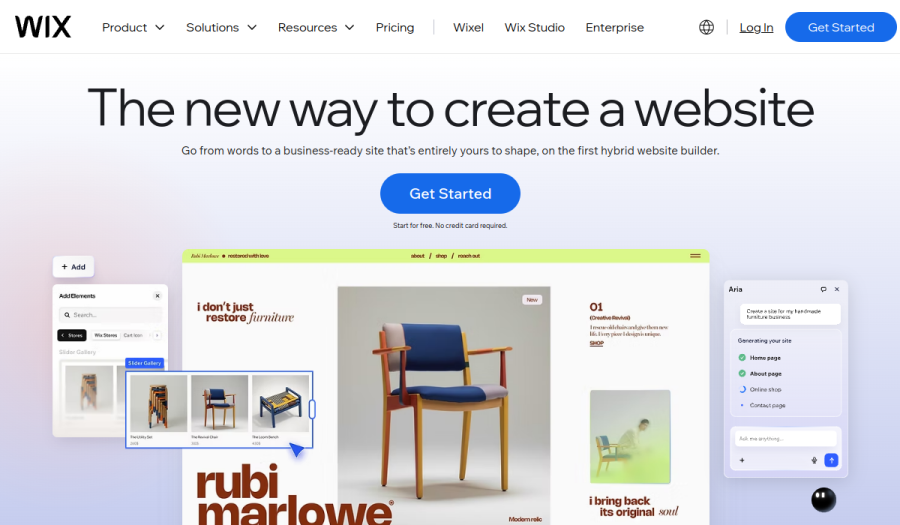
Real estate delivery is a race: the agent needs MLS-ready photos today. We compared 12 client galleries for real estate photographers on turnaround, agent access, bulk downloads, and cost per listing.
Event work means thousands of photos and hundreds of guests all wanting theirs now. We compared 14 client galleries for event photographers on upload speed, guest access, storage, and per-sale fees.
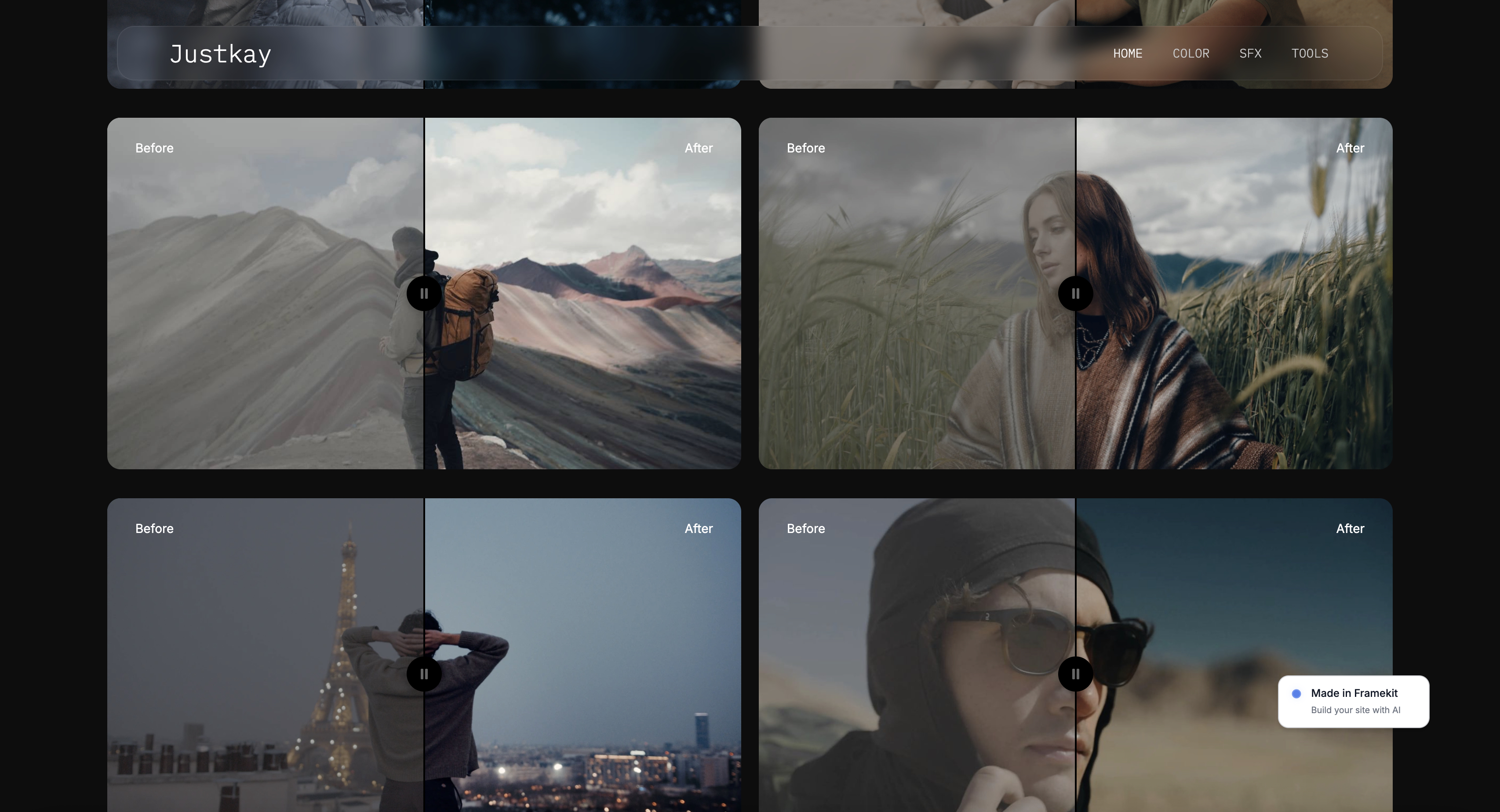
The barrier to selling a digital product is not the technology - it is knowing the steps. This guide walks you through all six, from picking a product to your first sale, using a real $24 preset pack as the example.
Newborn income lives in the prints and albums, not just the session fee, so the gallery that sells them beautifully matters. We compared 11 client galleries for newborn photographers on delivery, print sales, and presentation.
In boudoir, privacy is not a feature - it is the whole business. We compared 10 client galleries for boudoir photographers on privacy controls, discreet delivery, and album sales.
For portraits, the gallery is where the print sale happens - or does not. We compared 11 client galleries for portrait photographers on proofing, wall-art upsells, favoriting, and repeat bookings.
The platform's fee decides your margin more than your price does. We break down what it really costs to sell digital products online in 2026 - from 0% to 26% per sale - across 9 platforms.
Senior work sells prints to whole families and markets itself when seniors share - so the gallery is a print store and a referral engine. We compared 11 client galleries for senior photographers.
AI's real gift to photographers is not generating images - it is giving back the hours lost to culling and editing. We compared 9 AI tools for photographers by the job each one does, from Aftershoot to Framekit.
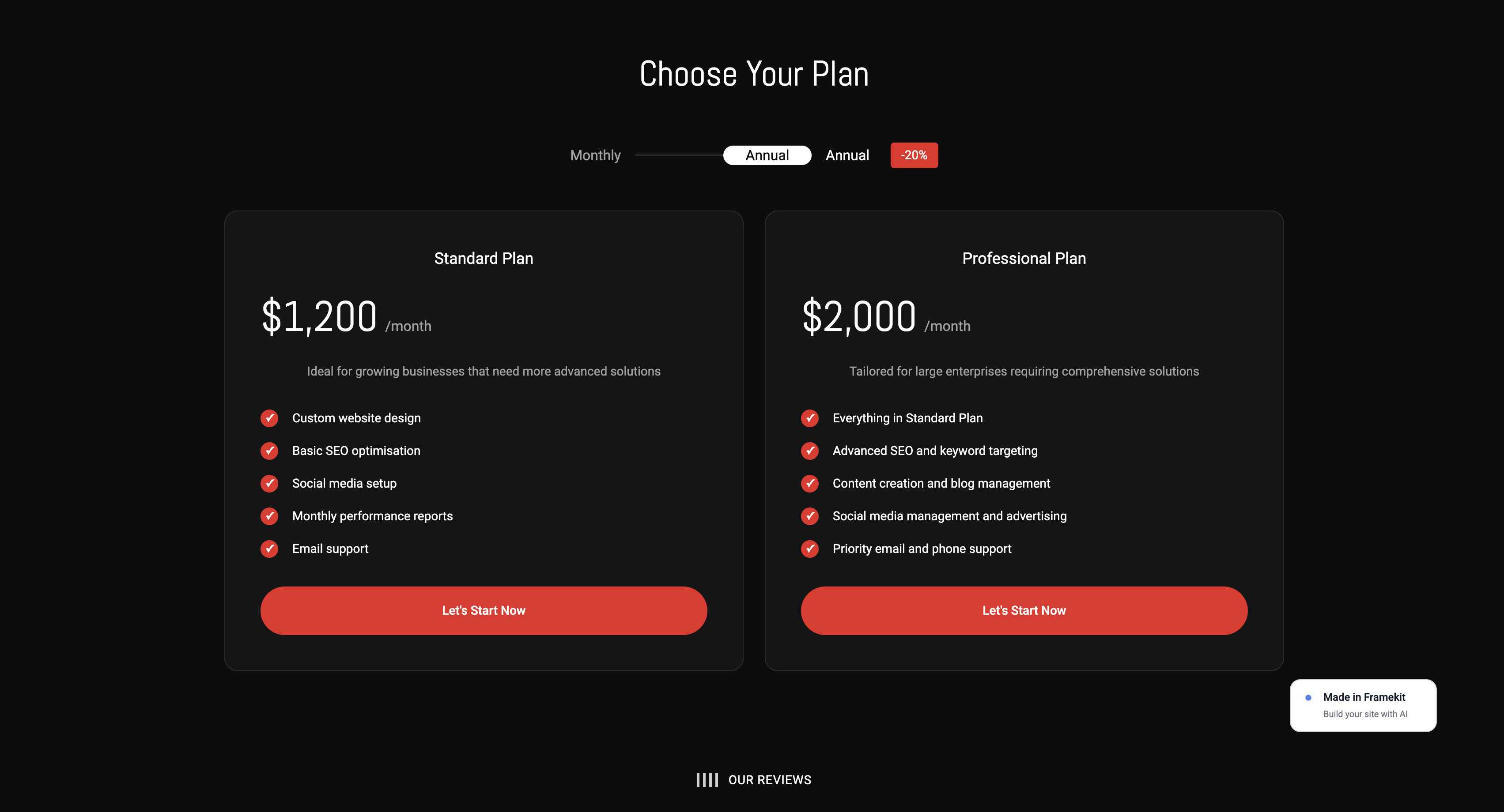
How you deliver the photos is the last thing a client experiences of working with you - and a chance to sell prints. This step-by-step guide covers delivering photos to clients professionally in 2026.
Family photography is a repeat business - the fall session rebooks next year, and grandparents buy the prints. We compared 12 client galleries for family photographers on delivery, print and card sales, and retention.
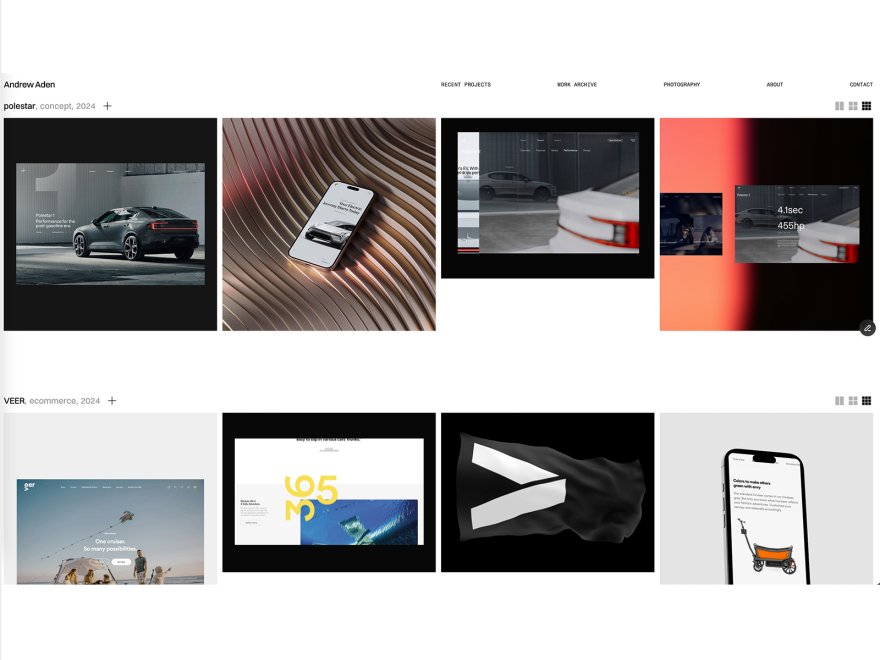
A photography website is your storefront and the thing that turns a referral into a booking. This step-by-step guide covers building one in 2026 - no code required - from planning pages to launch.
A wedding gallery is shared with a hundred guests - your biggest referral moment. We compared 12 client galleries for wedding photographers on turnaround, album sales, guest sharing, and cost per wedding.
The sticker price is not the real cost - domain, galleries, storage, and selling fees decide it. We break down what a photography website actually costs in 2026, from $0 to $300+ a year.
Most people who want to start a photography business already have the hard part - the skill - and stall on everything else. This step-by-step guide covers the business side, from niche to first clients.
The difference between a struggling photographer and a booked one is rarely skill - it is a system for getting clients. This guide covers the channels that actually book work in 2026.
Squarespace is a fine general builder, but photographers hit its gaps - no native client galleries, a fee on the cheap plan, familiar templates. We compared 9 alternatives built for photographers.
Most photographers underprice by copying a competitor, and it is the costliest mistake in the business. This guide covers pricing photography properly - from cost of doing business to value-based rates.
A maternity session is the first chapter of a client relationship, not a one-off - the newborn and family sessions follow. We compared 12 client galleries for maternity photographers on delivery, wall-art sales, and retention.
Podia bundles courses, products, and email - but if you sell products more than you teach, you pay for course tools you never use. We tested 13 alternatives on fees, delivery, and design.
Selling a real video course needs lessons, student logins, and progress tracking - not just a checkout. We compared 9 tools to sell online courses on features, transaction fees, and who each one fits.
Art is judged on sight and sold on margin, yet most platforms show your work in a grid and keep most of the price. We tested 14 platforms for selling digital art on commission, presentation, and reaching buyers who actually pay.
A client portal is where the work is handed over, so it is where you look professional or scattered. We compared 10 client portal tools for creatives across visual delivery and full client management.
Etsy brings buyers, then keeps them, and stacks fees that can take a quarter of a cheap digital sale. We tested 13 alternatives on fees, discovery, and branding to find which let you own the customer.
A stock download nets you 33 cents; the same effort sold as a preset pack from your own store nets you $23. We compared 11 ways to sell photos online on margin and who owns the customer.
Sellfy charges about $29 a month before your first sale. We tested 12 alternatives on subscription cost, per-sale fees, anti-piracy, and marketing to find which justify the monthly cost and which let you start free.
You can run most of a photography business on $0 of software. We tested 10 genuinely free tools - editing, a website, galleries, invoicing, and video - and mapped exactly where free stops and you have to pay.
Contracts, invoices, and booking follow-ups eat the evenings a photographer should spend shooting or living. We ranked 9 studio management tools on the full client journey - inquiry to paid - and named where each one fits.
Payhip is cheap and easy, but every Payhip store looks like a Payhip store. We tested 14 alternatives on fees, design control, VAT, and whether you can build a real website around the store.

No single app runs a photography business - you run a stack, and it adds up fast. We compared 11 photography business tools across website, galleries, CRM, editing, accounting, and email, and mapped where each one earns its place.
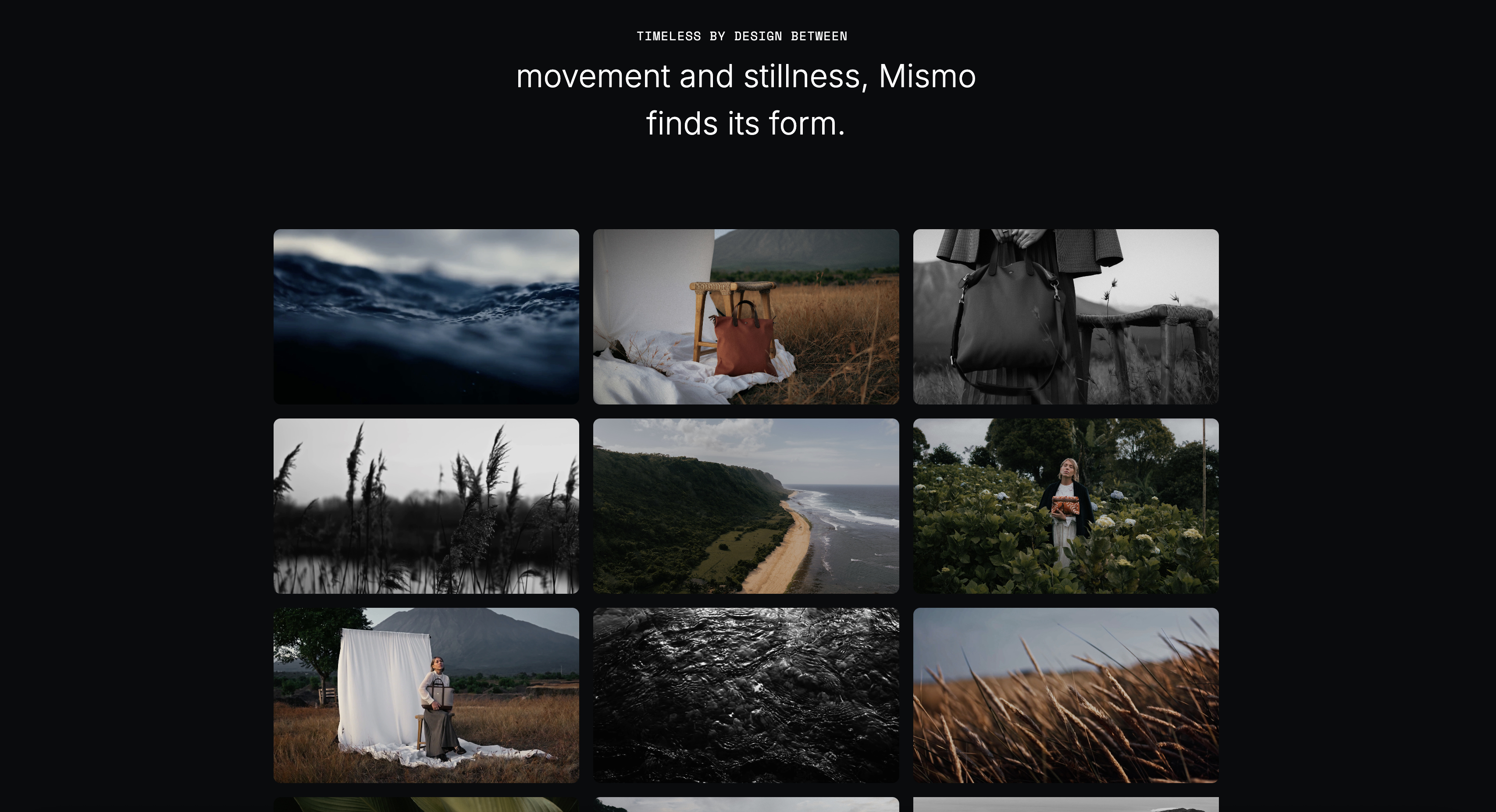
LUTs sell on a look, so presentation matters as much as fees - and they are cheap, so flat per-sale fees bite. We tested 12 platforms on fees, .cube delivery, previews, and reaching your video audience.
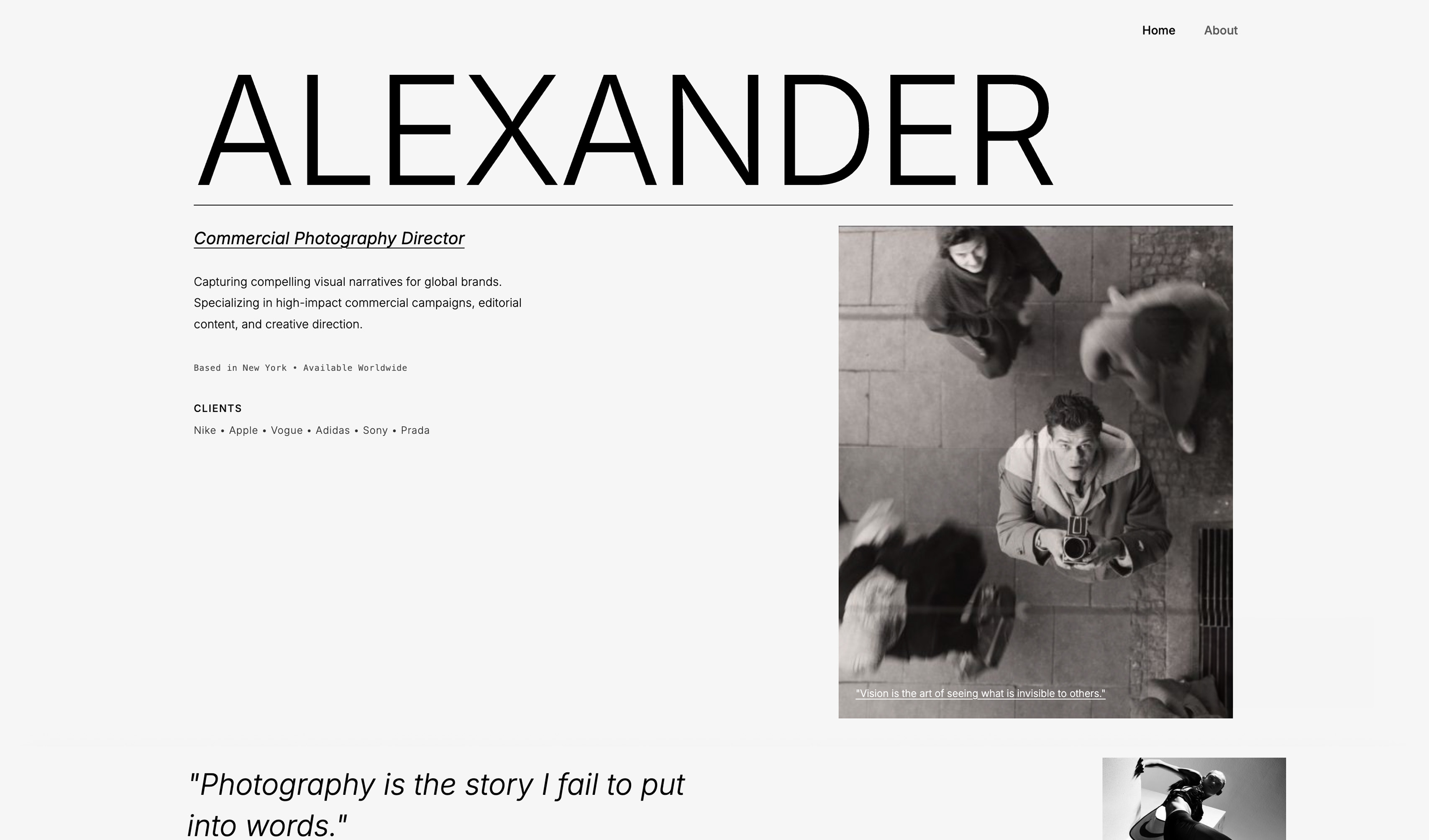
Zero-commission usually means zero platform fee, not zero cost - you still pay processing, and often a subscription to reach 0%. We tested 13 platforms on the real fee math to find which genuinely let you keep 100%.

Most website builders treat digital downloads as an afterthought bolted onto a physical store. We tested 12 builders on transaction fees, automatic delivery, checkout, and whether the store looks like yours or theirs.
Gumroad takes 10% plus 50 cents of every sale, plus processing, on a page that carries its brand. We tested 13 alternatives on fees, payouts, and ownership to find which let you keep more of what you earn.
Presets are cheap, so flat per-sale fees quietly eat a fifth of every order. We tested 14 platforms to sell presets and LUTs on fees, payout speed, and delivery to find which keeps the most money in your pocket.
Print sales should be passive income, not another job packing boxes. We compared 13 print fulfilment options for photographers on margins, lab quality, shipping, and how well each plugs into your galleries.
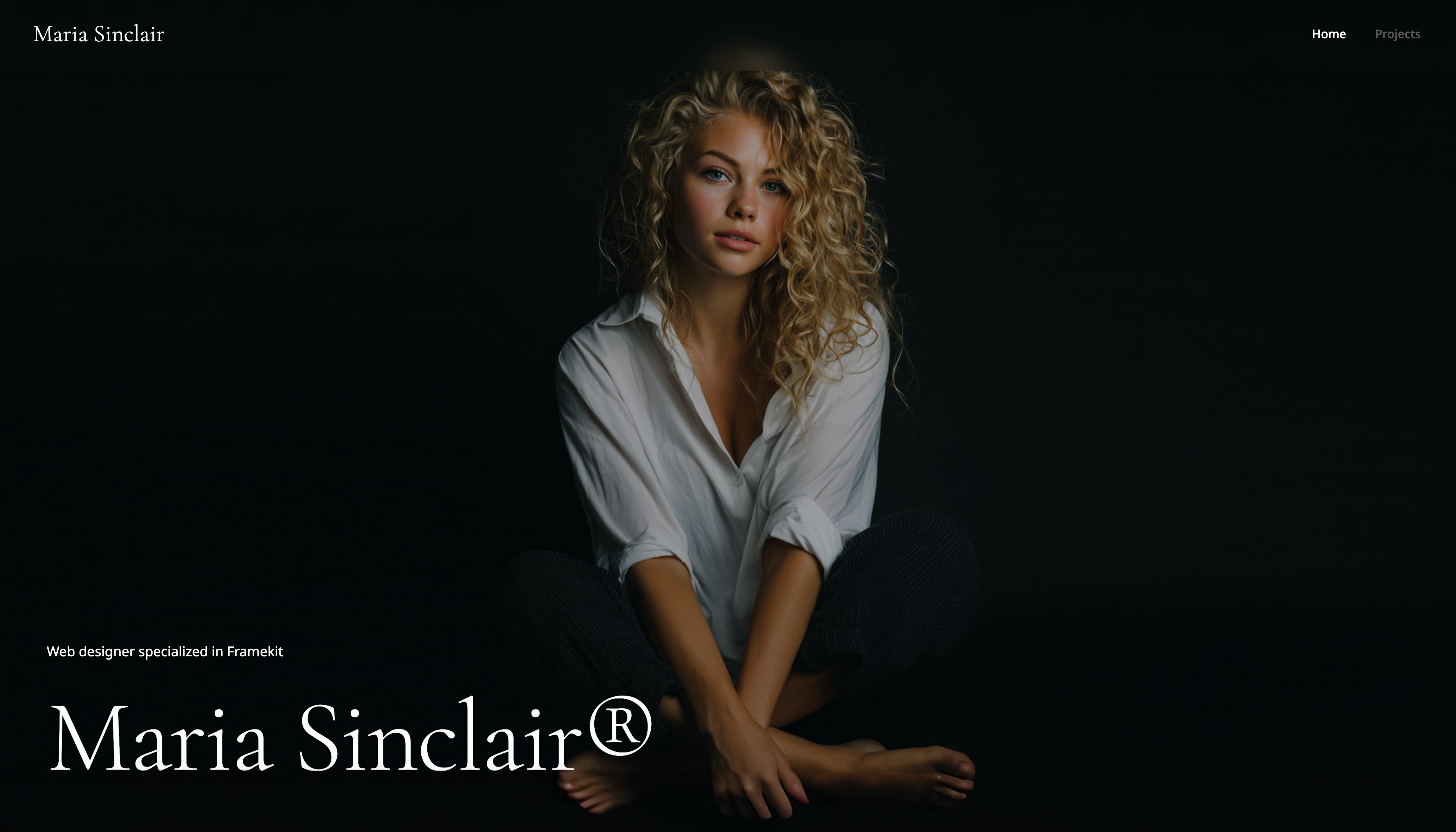
How you hand over photos is part of what you deliver. We compared 12 ways to deliver client photos on professionalism, speed, cost, and whether the method wins you repeat work.
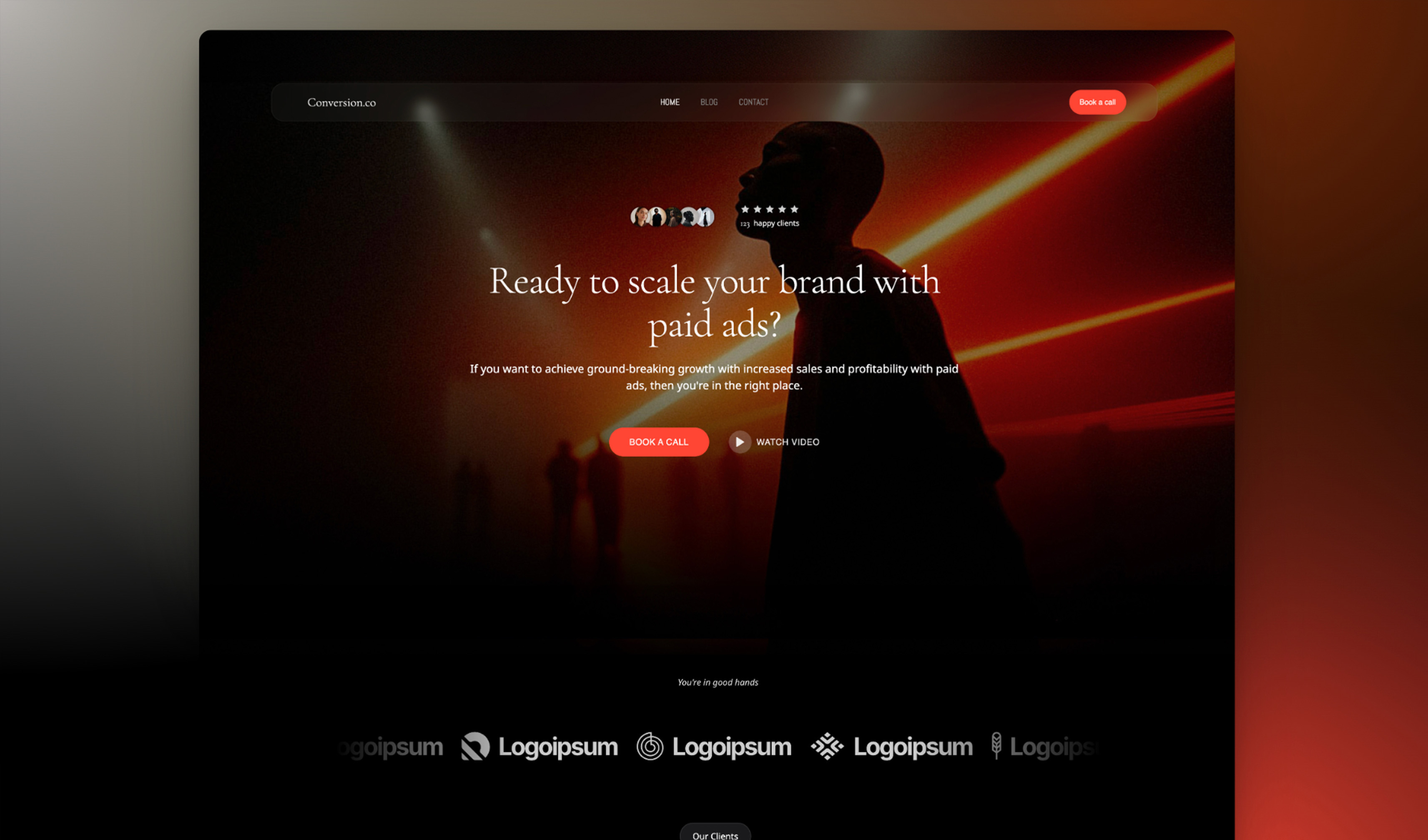
SmugMug gives you unlimited storage and a client experience that feels a decade old. We compared 13 alternatives on storage, galleries, selling fees, and website capability.
Zenfolio works, but it feels dated and takes a permanent 7% of every order. We compared 12 alternatives on design, selling fees, and how painful the migration actually is.
A gallery lets a client browse; a proofing tool makes them choose. We compared 13 photo proofing tools on favoriting, comments, and approval flows for portrait and commercial shooters.
A gallery with a store should let you profit from delivery, not just survive it. We compared 11 client galleries on commission, print fulfilment, digital downloads, and checkout quality, and ranked them honestly.
A raw file link moves your photos but wastes the moment. We compared 13 photo delivery tools on branding, download experience, and what happens after the client downloads, so your handoff looks as professional as the work.
Pic-Time is beautiful, but its store automation has a learning curve and a premium price. We compared 11 alternatives on setup effort, fees, and automation for photographers who just want galleries out the door.
ShootProof never takes a commission, but its plans price by photo count and the galleries feel dated. We compared 12 alternatives on fees, gallery design, print fulfilment, and what you get beyond delivery.
Most client gallery platforms take up to 15% of every print you sell or park your work on their subdomain. We compared 14 platforms on commission, delivery, storage, and who owns the client, so you can deliver photos and keep your money.
A renewal email arrives, and the number is bigger than the one you signed up for. That is not an accident. Here is why website builders get expensive after year one, and how to avoid it.

Your podcast lives on Spotify and Apple, but it has no home you actually own. Here is how to build a website for your podcast: what pages it needs, and why it is not the same as podcast hosting.
People keep saying your photos are good. Nobody has paid you for them yet. That gap is not a skill problem, it is a marketing one, and this is the step-by-step way to close it.
A brand replies to your pitch asking for your media kit, and you have a Canva PDF that is already out of date. Here is how to build a content creator media kit website that is always current and lands deals.

You built a website and nothing happened. That is the most common creative-business story there is, and it is fixable. Here is how to turn a quiet portfolio site into one that gets clients.
If your whole business runs through Instagram DMs and a booking app, a website can feel optional. The honest answer depends on three things, and this guide walks through each one for makeup artists, tattoo artists, and stylists.
The cheapest website builder is rarely the one with the lowest monthly price. We compared 8 builders on real 3-year cost to find the true value pick for creatives.
Linktree is a link list, not a website. We tested 9 Linktree alternatives, from better link in bio tools to full website builders, to find what to use when a single page of links stops doing the job.
Photographers leave Pixieset for two reasons: the 15% commission on the free plan and a website builder that feels like an afterthought. We compared 13 alternatives on fees, storage, galleries, and whether each can replace more than just Pixieset.
A link-in-bio is not a media kit. We tested 6 website builders to find the best UGC creator portfolio website for showcasing reels, rate cards, and brand results that actually close deals.
Instagram can carry a photographer surprisingly far in 2026, which makes the website question genuinely hard. The honest answer is that it depends, and this guide lays out exactly what it depends on.
Marketplaces feel safe, but they take a cut of every sale and own your buyer. This step-by-step guide walks you from nothing to a live art store on your own website, where you keep the full price and the customer relationship.
Looking for a Lemon Squeezy alternative? We tested 8 platforms for selling digital products - from full website builders to pure checkout tools - so you can pick the one that fits how you sell.
Lemon Squeezy gives you a checkout. Framekit gives you a website with selling built in. We compare both on design, fees, taxes, and storefront ownership so you can pick the right one.

Most free product-selling tools take 5-10% of every sale and host your store on their domain. We tested 12 platforms to find the ones that let you actually sell, keep your earnings, and own your storefront.
Freelancers can spend over $1,000 across five years on website subscriptions. We ranked the most affordable website builders for freelancers on true 5-year cost, not monthly price.
Join thousands of creative professionals using Framekit to create stunning portfolios in minutes.
EXPLORE TEMPLATES