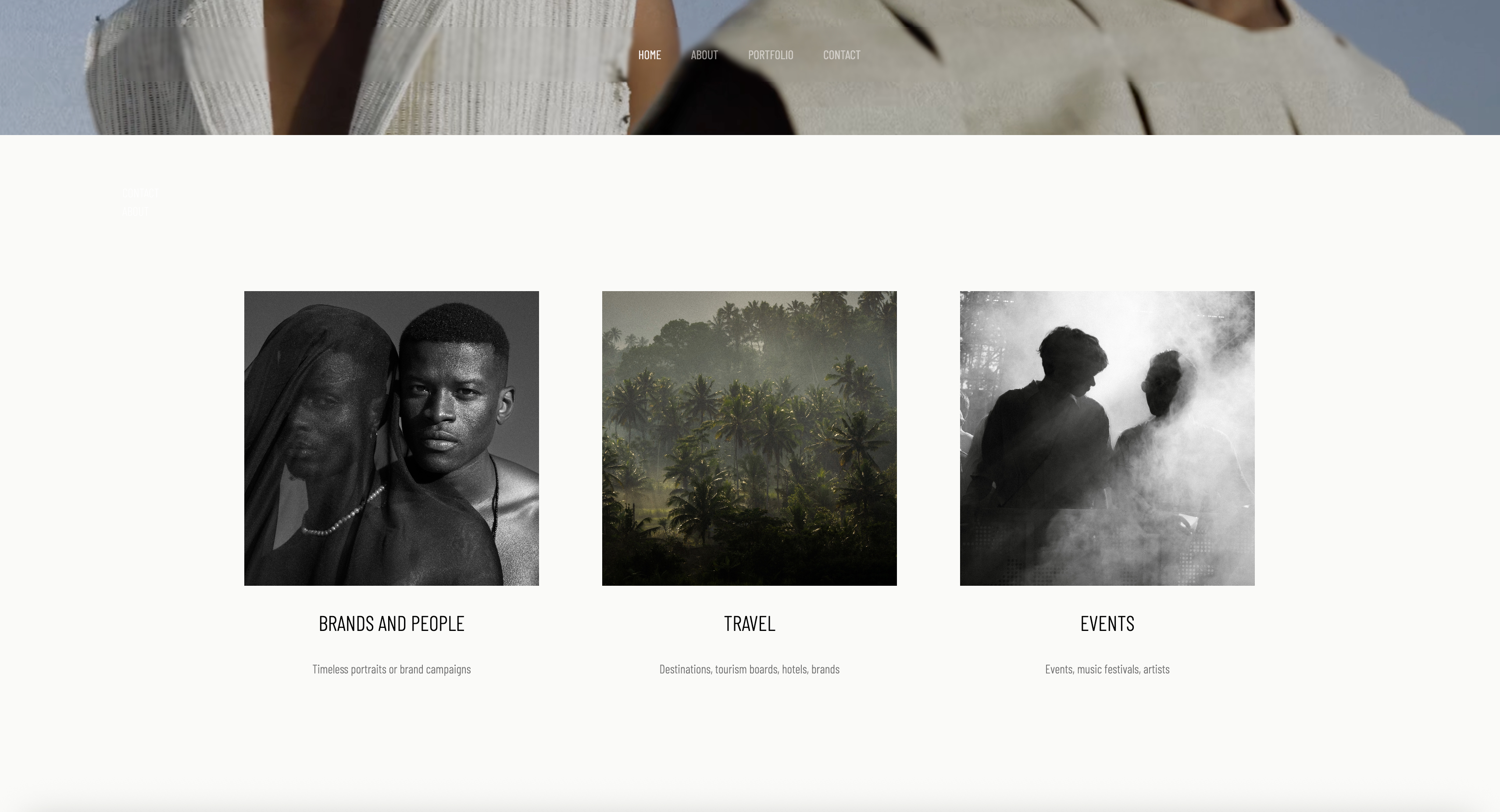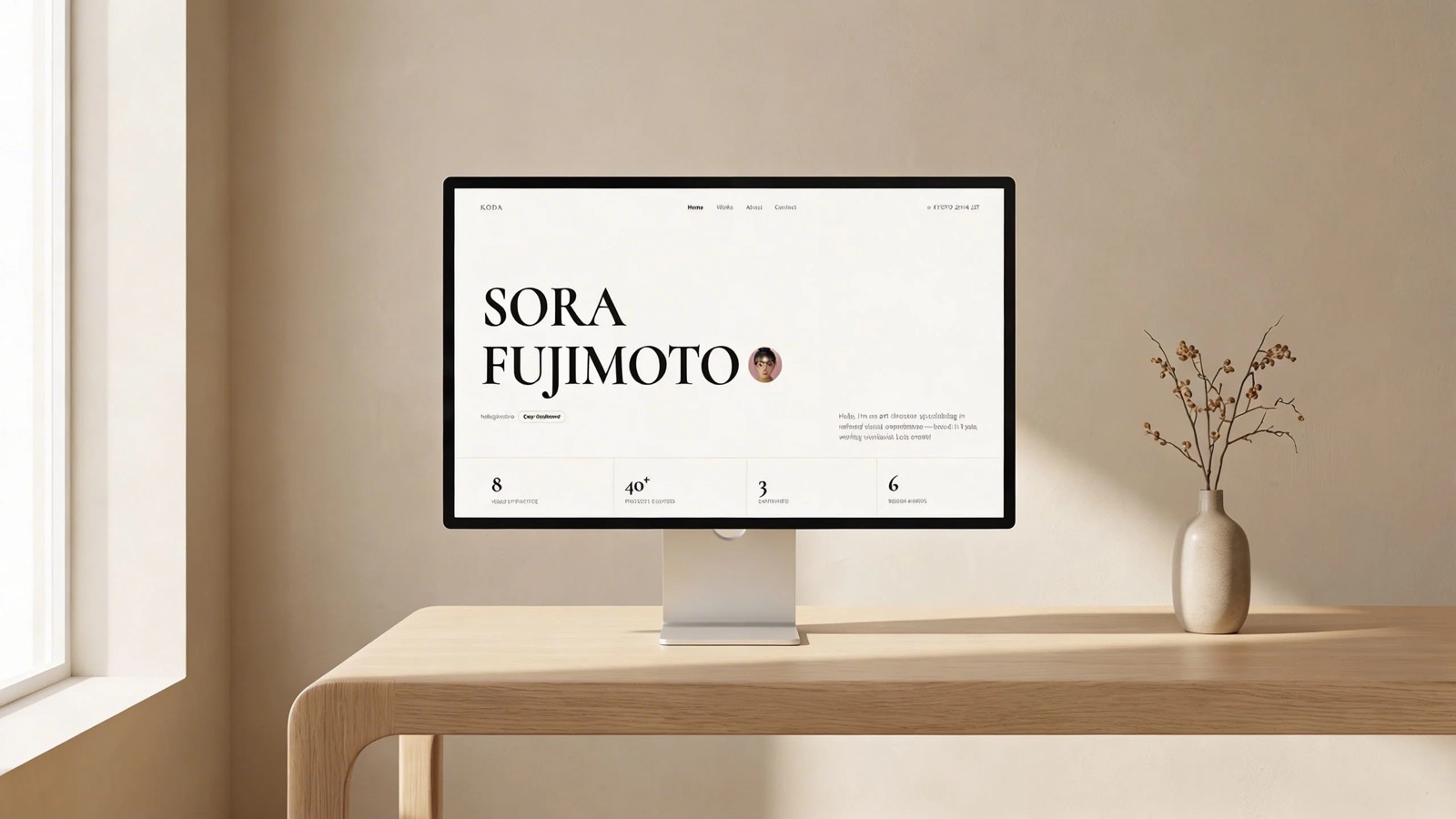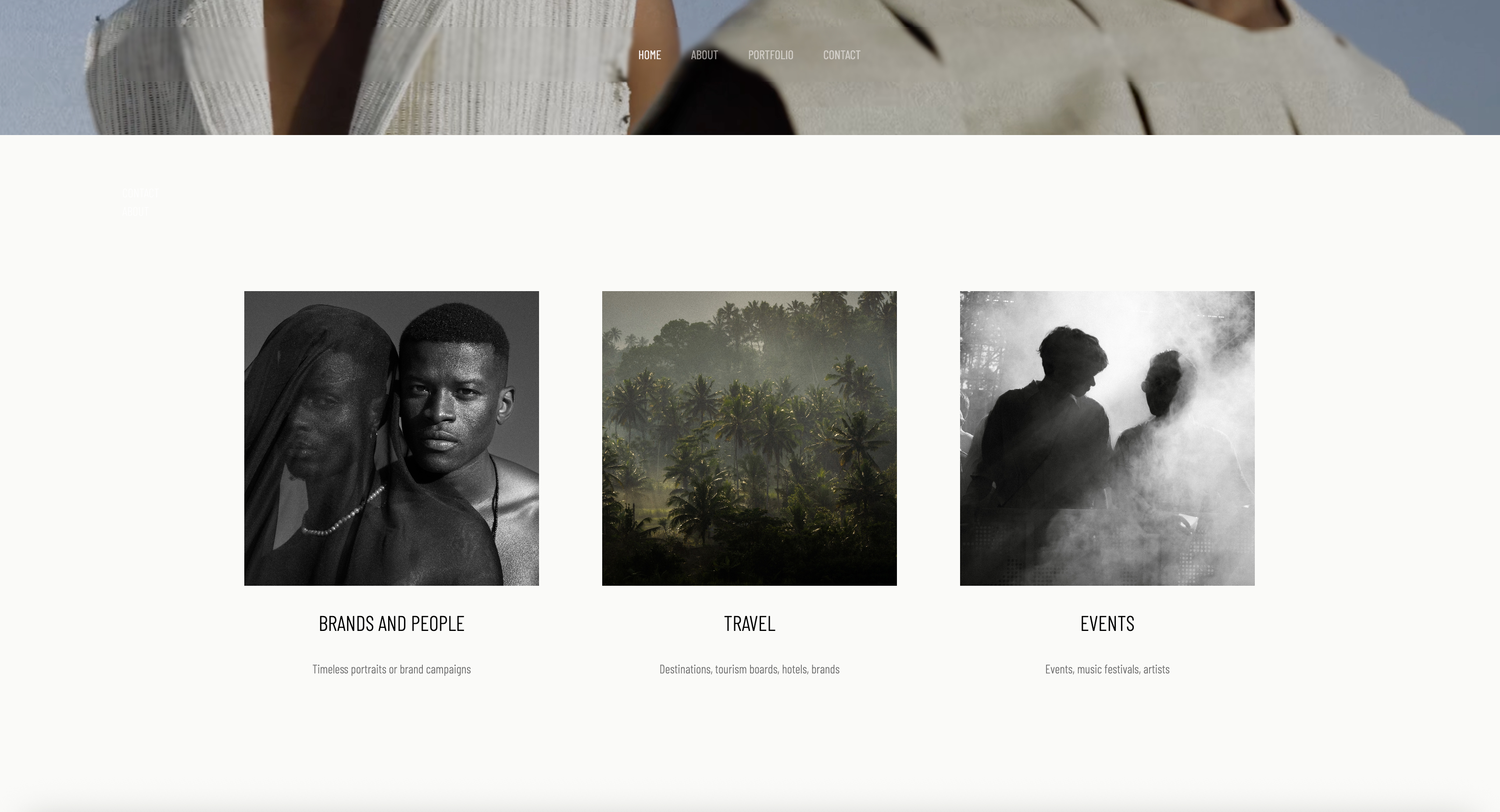
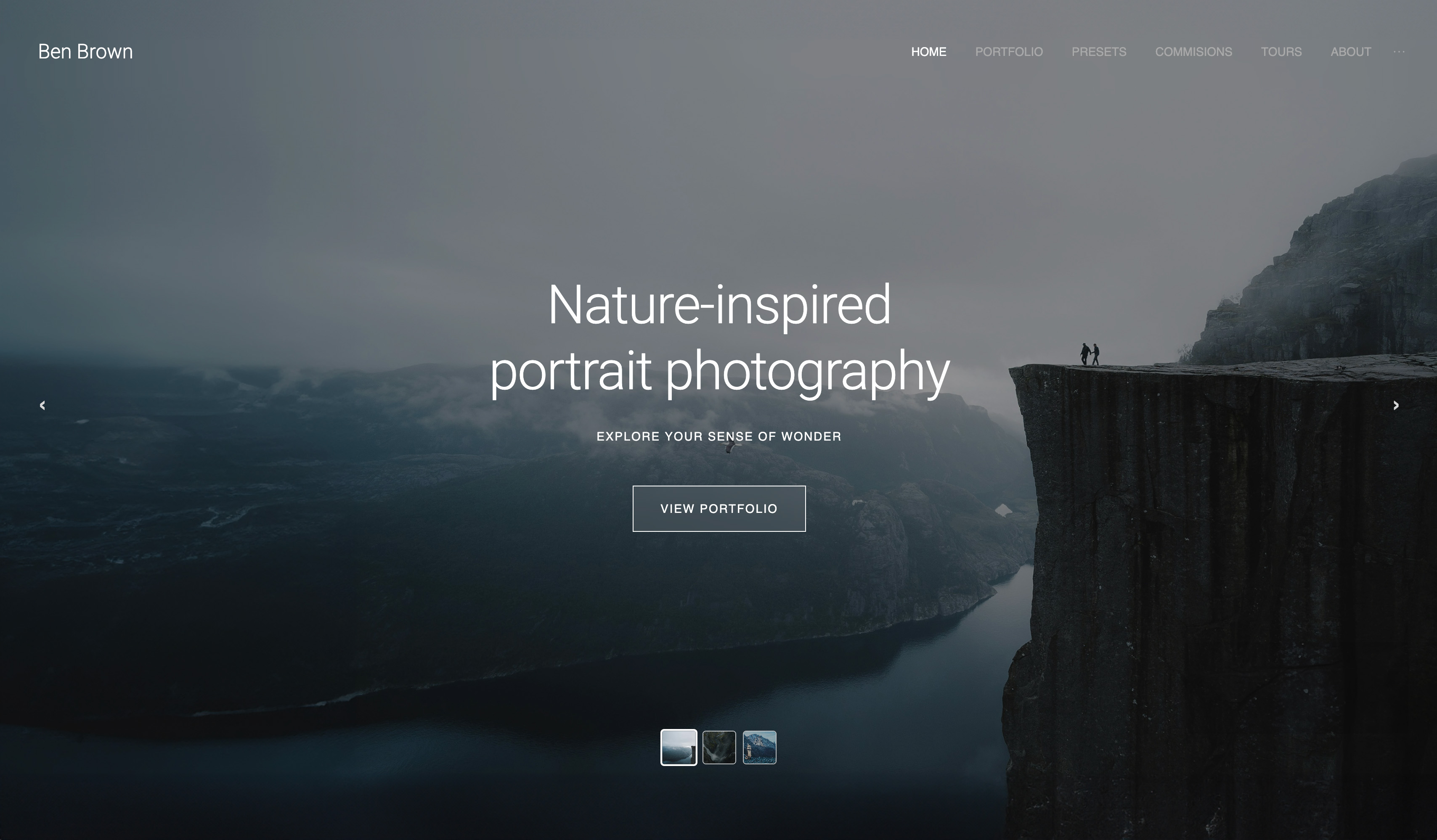
Framekit templates
Start from a designer-made template
 Use template
 Use template
 Use template
 Use template
 Use template
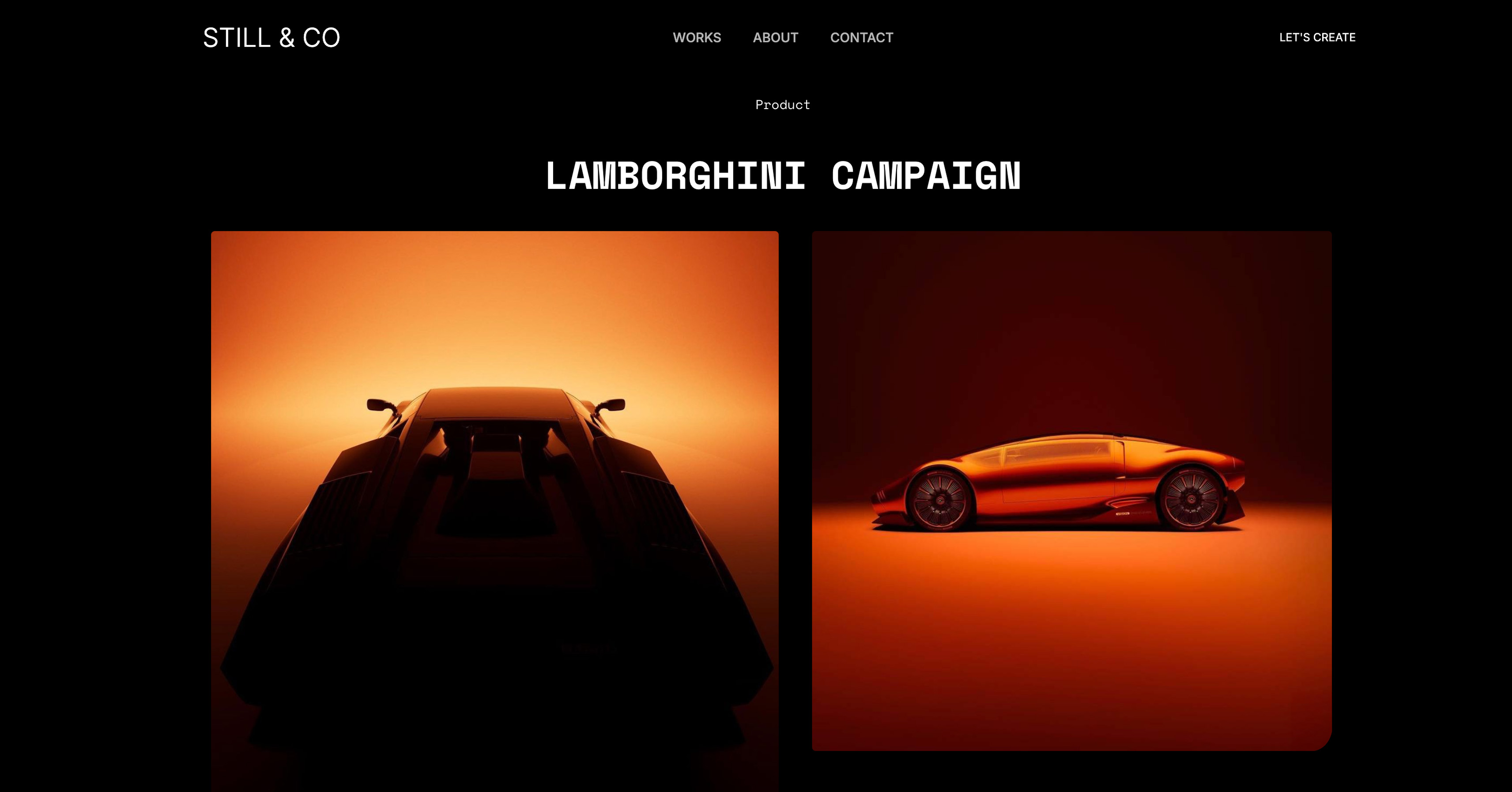 Use template
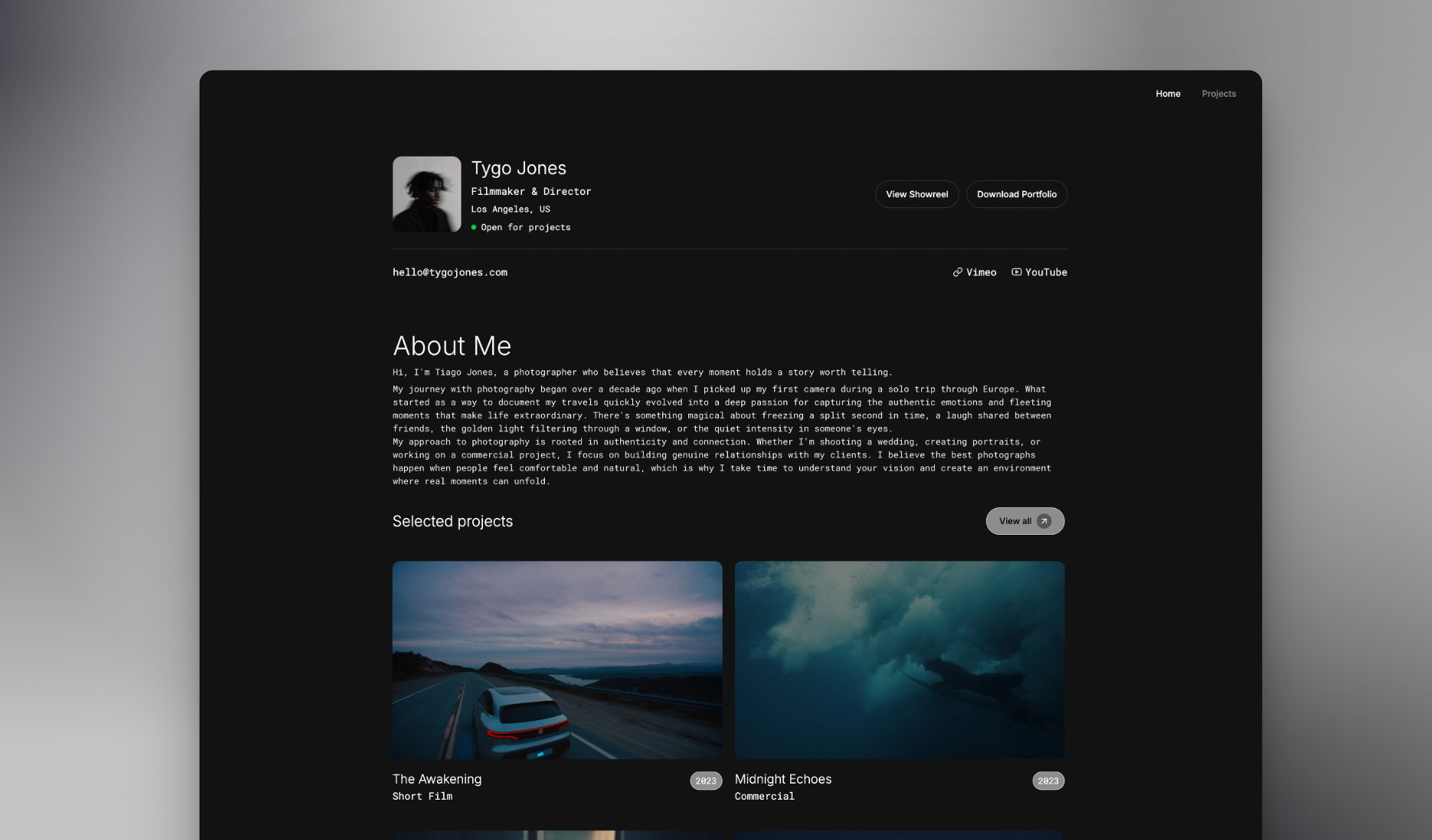 Use template
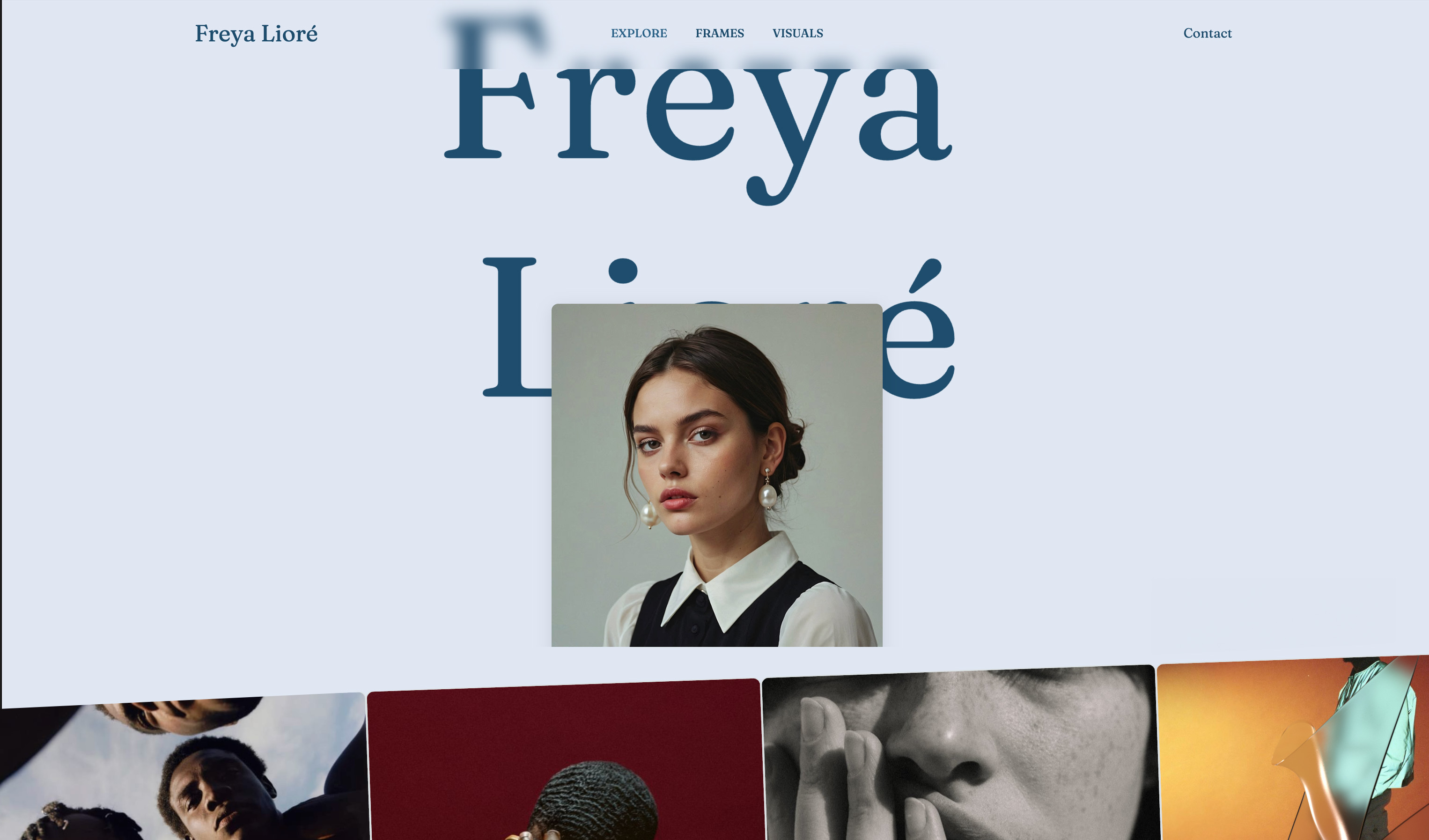 Use template
Saturday morning, four fields, 240 kids in three age groups, and every parent expecting to find their own child in a client gallery by Wednesday.
Choosing between client galleries for sports photographers is not a design decision, it is an operations decision.
Then Sunday you shoot the varsity final for the athletic department, who want 60 edited frames with the school's crest on the delivery page and no store attached at all.
Both of those are sports photography, and no single gallery platform is best at both. Volume days need roster matching, access codes, package ordering, and a checkout a parent can finish on a phone at a kitchen table.
Action and editorial work needs fast delivery, clean presentation, and a link that makes the athletic director remember your name rather than the software vendor's.
Pick the wrong side of that split and you will either pay a subscription for a store you never open, or spend picture-day evening manually matching 240 faces to 240 names.
A client gallery for sports photography is software that hosts a shoot, connects each athlete or family to the right images, and either sells packages to parents or delivers finished files to a team, club, or publication.
For volume picture days, the best client gallery in 2026 is PhotoDay, because it has no subscription, unlimited storage, and an access-code and matching flow built for getting hundreds of families into the right gallery, in exchange for a flat 10% transaction fee on each order plus card processing.
For action, team, and athletic-department work, Framekit is the better pick, because stills and highlight clips share one gallery on your own domain, next to the portfolio a program checks before renewing your contract, with unlimited galleries and no delivery commission on any plan.
The trade-off is plain: Framekit has no roster matching, no parent package ordering and no print lab.
GotPhoto is the strongest option for large operations that need staff seats, and ShootProof is the pick if you want 0% commission with real print fulfilment.
In September 2026 we re-verified every subscription, service fee and storage figure below against each vendor's own pricing page, and corrected PhotoDay's fee, which older guides (including an earlier version of this one) described as card processing only.
Framekit hands athletic departments a gallery on your own domain, and the free plan needs no card.
Full disclosure: Framekit is our product and it does not win this category outright, so we have ranked it second and said why. We ran a 240-athlete league day and a 60-frame action delivery through the eight competing platforms, describe Framekit from its documented features rather than as a test result, and state clearly that PhotoDay and GotPhoto beat us on volume workflow, that ShootProof and Pixieset sell prints through labs and we do not, and that we have no roster-matching or access-code system at all.
How We Tested These Sports Photography Galleries
Two jobs, run identically on the eight competing platforms (Framekit, as our own product, is described from its documented features), because a single test would have flattered whichever business model it happened to match, and sports photographers split almost evenly between selling packages to families and delivering finished files to organisations.
The volume job240 athletes across 12 teams, delivered as individual galleries with parent ordering, timed from upload to first parent purchase.
The action job60 edited frames and a 90-second highlight clip delivered to an athletic department contact with no store, no watermark on the final files, and a password.
What we scored. Roster and athlete matching 20%, parent ordering experience 20%, delivery and presentation 20%, ownership of the gallery link 20%, and real cost including fees 20%.
Nothing is weighted above 20% here because sports photographers genuinely split between the two jobs, and a lopsided weighting would have decided the answer before we started.
Claims are separated by how we know them. Hands-on: uploading, matching, publishing, and buying through the client-facing flow.
Verified from primary sources: subscription prices, service fees, and commission rates, first checked in August 2026, re-verified in September 2026, and linked where they carry argumentative weight.
Community sentiment, labelled as such: recurring complaints in public reviews, never presented as our own finding.
What the League-Day Test Actually Revealed
The numbers below are the ones that changed our ranking, and most of them are about fee structure rather than features, because in volume sports work the percentage a platform keeps is a bigger line item than the subscription it charges.
- Fee models split three ways: a flat subscription with 0% commission (ShootProof, Framekit on delivery), a flat percentage with no subscription (PhotoDay, 10% of each order subtotal), and a subscription plus percentage that falls as you pay more (GotPhoto, 12% free, 9% at $9.90 a month, 7% at $49.90).
- On a $12,000 picture-day season, a 12% service fee costs $1,440, PhotoDay's 10% costs $1,200, and a 7% fee costs $840. GotPhoto's $49.90 Pro plan saves $600 against its free tier at that volume, which barely covers its $599 in monthly billing; Growth at 9% is the better step at this size.
- Card processing of about 2.9% plus $0.30 sits on top of all of those percentages, on PhotoDay and GotPhoto alike, so it cancels out of the comparison.
- Only 3 of the 9 have a genuine athlete-matching workflow rather than manual folder sorting.
- Most of these platforms hand the athletic director a link with a software company's name in it; Framekit galleries can run on your own domain from the $9 Starter plan up.
- Free tiers range from 100 photos (ShootProof) to unlimited-but-fee-bearing (PhotoDay), and a single league day can produce 2,000 frames.
Run the fee math on your own season before you choose. Take last year's picture-day revenue, multiply by each platform's percentage, and compare that to twelve months of the subscription that lowers it.
For most youth-sports shooters the crossover point arrives faster than they expect.
The 9 Best Client Galleries for Sports Photographers, Compared
| Platform | Best for | Subscription | Fee on sales | Our rating |
|---|---|---|---|---|
| PhotoDay | Volume picture days | None | 10% transaction fee | 9.1/10 |
| Framekit | Team, action and department work | Free, paid from $9/mo | 0% on delivery | 9.0/10 |
| GotPhoto | Large volume operations with staff | $0 to $49.90/mo | 12% to 7% service fee | 8.7/10 |
| ShootProof | Print sales at 0% commission | From $9.99/mo | 0% on every plan | 8.5/10 |
| Pixieset | Mixed sports and portrait studios | From $10/mo | 15% free, 0% paid | 8.2/10 |
| Pic-Time | Automated store campaigns | From $8/mo | 15% free, 0% self-collected | 8.0/10 |
| CloudSpot | Studio admin in the same tool | From $7/mo | 15% free, 2.5% on paid | 7.7/10 |
| SmugMug | Unlimited archive of every season | From $20/mo annual | ~15% on markup | 7.3/10 |
| Zenfolio | One bill for site and galleries | From $9/mo | 7% flat per order | 7.0/10 |
Ratings above are ours, and the figures beside them were re-read from each vendor's published pricing in September 2026, with card processing of about 2.9% plus $0.30 applying on top wherever a parent actually pays for something.
The two-business test. Count last season's revenue split between picture-day packages and team or department deliveries. Whichever side is larger should pick your platform, and the smaller side can live on a free tier of something else.
1. PhotoDay: Best for Volume Picture Days
Our rating: 9.1/10
PhotoDay is the platform built for the specific misery of picture day, and it earns the top spot here by removing the two things that make volume sports photography unprofitable: matching hundreds of athletes to hundreds of galleries, and chasing parents who never saw the flyer.
The commercial model is the headline.
There is no subscription and no minimum order; you sign up free, and per PhotoDay's pricing page it takes a 10% transaction fee on each order's subtotal plus card processing of 2.9% and $0.30, with lab costs deducted from the order so you never receive a lab bill.
For a photographer whose season revenue swings wildly between autumn and spring, paying nothing in the quiet months is worth more than a slightly better gallery design.
Best forYouth, league, school and dance photographers running high-volume days with parent ordering.
Key features:
- Access-code and matching workflow designed for getting families into the right gallery without manual sorting
- Free to join with no subscription, no minimum orders and unlimited storage
- Marketing automation aimed at parents, which is where volume revenue is actually won or lost
- Lab integration so orders print and ship without you handling fulfilment
- Built specifically for sports, school, dance and event volume markets
The real numberon a $12,000 picture-day season, PhotoDay's 10% comes to $1,200, against $1,440 on GotPhoto's free 12% tier, with card processing charged on top by both.
The saving is modest; the real argument is that $1,200 buys matching, parent marketing, lab handling and unlimited storage with nothing owed in a month when nobody orders.
Pros:
- No subscription means no cost in the off-season
- The matching and access-code flow is the least painful in this comparison
- Parent-facing marketing is a real revenue tool, not a checkbox
Cons:
- The 10% never falls with a subscription, so a busy operator on GotPhoto Growth or Pro eventually pays less
- The gallery lives on PhotoDay's platform, so athletic departments see their branding rather than yours
- It is built for selling packages, so it is poor at plain delivery with no store
- Little use for action or editorial sports work
Skip it ifyour sports income comes from teams, athletic departments or publications rather than parents. There is no store to run, and PhotoDay's strengths never switch on.
Verdict: PhotoDay is the correct answer for volume picture days and we rank it above our own product without hesitation, because the matching workflow and the pay-only-when-you-sell model fit that business better than anything else here. Visit PhotoDay
2. Framekit: Best for Team, Action and Department Work

Our rating: 9.0/10
Framekit is an AI website builder that also runs client galleries, video review and a digital-download store from the same account, and for sports photographers it answers a different question than PhotoDay does.
Not "how do 240 families find their child", but "what does the athletic department see when your delivery lands".
On Framekit the answer is a page on your own domain, next to the portfolio a sports information director opens when contracts come up for renewal.
A delivery like the action job is one gallery: the edited frames and the highlight clip go in together, you pick a cover layout, set a gallery password for the department and a separate download PIN, and send it by email from inside Framekit.
Videos are transcoded for smooth playback and sit beside the stills, so the coach gets the reel and the frames behind one link instead of a gallery plus an unlisted video URL. Photos can carry a watermark; video never does.
Best forPhotographers paid by teams, clubs, athletic departments, athletes and publications rather than by parents.
Key features:
- Unlimited galleries on every plan including free, with storage as the only ceiling
- Photos and video in the same gallery, with per-file video caps of 500MB on Free, 1GB on Starter, 2GB on Pro and 3GB on Business
- Gallery password, download PIN, auto-expiry with a reminder email, photo watermarks, favourites and slideshow
- Full-set or favourites-only downloads, with no account needed on the client side
- Timestamped video review in the same account, for when the club wants notes on the season reel before it goes public
- A digital store for season packs or file bundles, at 5% on Free and Starter, 3% on Pro and 0% on Business
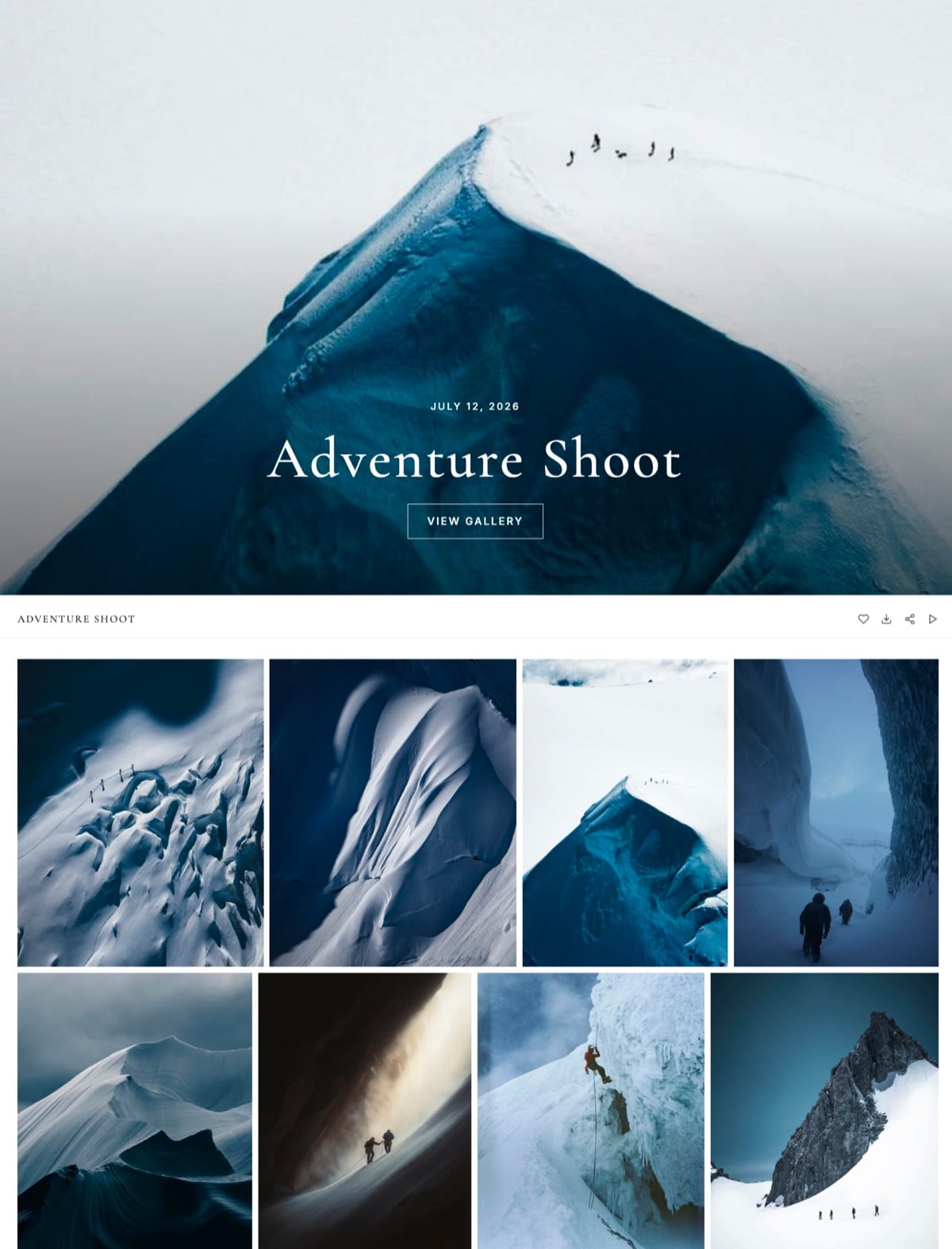
The real numberPro at $19 a month, or $15 on annual billing, gives a 300GB pool, up to 150GB of it video, shared by your site, galleries and reviews.
A 1GB highlight clip for each of 40 team deliveries is 40GB of video, comfortably inside that, and the gallery count costs nothing. Free starts at 10GB, Starter at $9 holds 50GB and adds your own domain, and Business at $39 holds 2TB.
Pros:
- The delivery URL is yours, so every forward inside a club or department markets your studio
- Stills and highlight video in one gallery, with unwatermarked video and no per-gallery fees
- The portfolio that wins the contract and the gallery that services it are one site
Cons:
- No roster matching, access codes or athlete-to-gallery automation, so picture day is genuinely painful
- No parent package ordering, no print price sheets and no lab fulfilment
- No parent-facing marketing automation of the kind PhotoDay and GotPhoto build their business on
- No native mobile app, and clients cannot upload their own files into a gallery
Skip it ifparents paying for packages is where your season revenue comes from. We cannot match 240 athletes to 240 galleries and we will not pretend otherwise.
Verdict: Framekit is the pick for the organisation-facing half of sports photography, because the highlight reel and the frames arrive together on your own domain. It ranks second rather than first because this guide weighs athlete matching and parent ordering at 40% combined, and on those two we score close to nothing. See the wider category in our client gallery platforms guide.
3. GotPhoto: Best for Large Volume Operations
Our rating: 8.7/10
GotPhoto is built for operations rather than individuals: multiple staff seats, job management, and a workflow designed around schools, sports, dance and events at scale. If picture day means a crew rather than you and an assistant, this is the tier of tool you are looking at.
The pricing is a sliding service fee.
Per GotPhoto's pricing page, Free carries a 12% fee with 5GB and two users, Growth is $9.90 a month ($8.50 billed annually) at 9% with 50GB, and Pro is $49.90 a month ($41.90 billed annually) at 7% with 1TB and five users, with enterprise pricing above that and a 2.9% plus $0.30 payment fee on every tier.
The structure rewards volume, which is exactly who it is for.
Best forMulti-photographer volume operations shooting schools, leagues and dance across a season.
The real numberat $30,000 of season revenue, the 12% free tier costs $3,600 and the 7% Pro tier costs $2,100 plus $599 in subscription, a $901 saving that grows with every job.
Growth pays for itself above about $4,000 a season, but Pro only beats the free tier above about $12,000 on monthly billing, and that crossover is worth calculating rather than guessing.
Prosgenuine multi-user support, job and workflow management built for crews, a fee that falls as you grow.
Consthe percentage never reaches zero, the platform is heavy for a solo shooter, and the gallery is GotPhoto branded.
Skip it ifyou are one photographer with a handful of teams. The overhead outweighs the workflow gain.
Verdict: GotPhoto is the operations pick and the right call once you have staff. For a solo sports shooter the tooling is more than you need, although Growth's 9% undercuts PhotoDay's 10% once a season clears about $12,000.
4. ShootProof: Best for 0% Commission With Real Prints
Our rating: 8.5/10
ShootProof's single strongest claim is that it takes no commission on sales on any plan, including the cheapest, and pairs that with pro-lab fulfilment, contracts and invoicing.
For a sports photographer selling team package prints at a decent markup, keeping every dollar of that markup is a serious argument.
Plans are priced by photo count rather than storage, which suits sports awkwardly: a single league day can burn through a 1,500-photo tier.
Free covers 100 photos, 1,500 photos runs $9.99 a month, 5,000 costs $19.99, 25,000 costs $31.99, and unlimited is $60, or $50 a month billed annually, per ShootProof's published plans.
It holds a 4.9 out of 5 rating across 92 G2 reviews.
Skip it ifyou shoot high frame counts and want a low subscription. The photo-count model punishes exactly that.
Verdict: ShootProof is the money pick for print-heavy team package sales, and the 0% commission is real on every tier. Budget for a higher photo-count plan than you think. Considering a move? See our ShootProof alternatives guide.
5. Pixieset: Best for Mixed Sports and Portrait Studios
Our rating: 8.2/10
Plenty of sports photographers also shoot seniors, families and headshots, and Pixieset is the tool that handles all of it acceptably.
The gallery is clean, the mobile experience is strong, and families recognise it because they have received photos through it before, which measurably reduces support emails.
Free gives 3GB and takes 15% commission on store sales; Basic at about $10 a month raises that to 10GB with 0% commission, and Plus at about $20 gives 100GB. Video upload minutes are included on paid tiers, useful for highlight clips.
Pixieset carries a 4.7 out of 5 across 207 Capterra reviews, the deepest review base in this comparison.
Skip it ifathlete matching is your bottleneck. Pixieset has no volume workflow.
Verdict: Pixieset is the sensible default for a studio whose sports work is one line of business among several. It will not save you on picture day. Our Pixieset alternatives guide covers where photographers go next.
6. Pic-Time: Best for Automated Store Campaigns
Our rating: 8.0/10
Pic-Time's automation is the reason to consider it for sports: timed sale campaigns, reminder emails and gifting flows that keep selling to families after the gallery goes quiet. For a season with a long tail of orders, that automation is real money.
The free plan takes 15% commission. Beginner is $8 a month with 10GB, Professional $25 with 100GB, and Advanced $50 with unlimited storage, and paid tiers charge 0% when you collect payment yourself through your own processor.
Pic-Time also charges commission only on your markup rather than production cost, which softens the maths on lab orders.
Skip it ifyou need athlete matching or a crew workflow. Pic-Time is a beautifully designed single-shooter tool.
Verdict: Pic-Time sells better than it matches. Bring it in if your problem is parents who did not order, not parents who could not find their child.
7. CloudSpot: Best Bundled Studio Admin
Our rating: 7.7/10
CloudSpot bundles contracts, invoicing and scheduling with the gallery, and prices it legibly.
Free gives 5GB across up to 3 galleries at 15% commission, Entry is $7 a month for 15GB and up to 15 galleries, Lite is $17 for 100GB with unlimited galleries and the full studio suite, Pro is $34 for 500GB, and Unlimited is $50, according to CloudSpot's pricing page.
Paid tiers replace commission with a 2.5% transaction fee, and deposits land in two days rather than four.
The gallery cap is the sports problem: 15 live galleries is one weekend of teams.
Skip it ifyou keep a season of team galleries online. You will hit the cap before October.
Verdict: CloudSpot is good value at Lite and clearer about pricing than most, but its cheap tiers are sized for a portrait photographer, not a league.
8. SmugMug: Best Season Archive
Our rating: 7.3/10
Unlimited storage on every plan makes SmugMug the cheapest way to keep every season you have ever shot online, which matters when a parent asks for a photo from three years ago.
Annual pricing is $20 a month for Direct, $23.50 for Portfolio and $37 for Pro, with monthly billing at $29, $35.50 and $52. Print sales carry a commission on your markup, commonly around 15%.
The client experience is dated by comparison and its Capterra score sits at 3.5 from a small sample of 11 reviews, with value for money rated lowest.
Skip it ifthe buying experience matters. This is an archive with a shop attached, not a sales tool.
Verdict: SmugMug is the right place to keep the archive and the wrong place to run picture day. Our SmugMug alternatives roundup covers the alternatives.
9. Zenfolio: One Bill for Site and Galleries
Our rating: 7.0/10
Zenfolio puts a template website, galleries and print sales on one subscription at around $9 a month for Basic, $23 for Professional and $40 for Advanced, with a flat 7% per order rather than the all-or-nothing commission model most rivals use.
For a photographer who wants a single bill, that predictability has value.
The ceiling is design. A Zenfolio site looks like a Zenfolio site, which is survivable for parent-facing sales and a liability when you are pitching an athletic department against two other studios.
Skip it ifyou are competing for institutional contracts on presentation.
Verdict: Zenfolio is the fine-not-great option: nothing breaks, nothing impresses. Photographers usually leave for design, as our Zenfolio alternatives guide shows.
What a Sports Season Actually Costs
Fees dominate volume work and subscriptions dominate delivery work, so an honest comparison has to say which business it is pricing. Here is one season at $12,000 of parent orders and 40 team or department deliveries, costed against every model in this ranking.
| Setup | Subscription for the year | Fees on $12,000 | Total |
|---|---|---|---|
| GotPhoto free (12%) | $0 | $1,440 | $1,440 |
| PhotoDay (10%) | $0 | $1,200 | $1,200 |
| GotPhoto Growth (9%) | $119 | $1,080 | $1,199 |
| GotPhoto Pro (7%) | $599 | $840 | $1,439 |
| ShootProof 25,000 photos | $384 | $0 commission | $384 |
| Pixieset Plus | $240 | $0 on paid tier | $240 |
| Framekit Pro (delivery only) | $228 | $0 | $228 |
Card processing of roughly 2.9% plus $0.30 per order, about $350 on this season, applies on top of every row where a parent pays, so it is left out to keep the comparison clean.
Framekit's line looks cheapest because it is not doing the same job: there is no parent store in that column, only the 40 deliveries and their highlight clips.
Compare like with like, and at $12,000 PhotoDay and GotPhoto Growth cost the same to within a dollar, ShootProof is far cheaper if you can live without matching, and GotPhoto Pro only earns its fee once you have staff or a much bigger season.
In one lineif parents pay you, buy on fee model; if organisations pay you, buy on ownership.
How to Choose Your Sports Gallery
Work down these five questions in order and stop at the first one you can answer with a confident yes, because the sports gallery decision is genuinely determined by who pays you rather than by which product demo looked best.
1. Do parents buy packages from you? If yes, go to question 2. If no, jump to question 4.
2. Is picture-day volume a crew operation? If yes, GotPhoto for the staff seats and job management. If no, PhotoDay, because nothing is owed in a month when nobody orders.
3. Do you sell high-margin team prints and want to keep all of it? ShootProof, because 0% commission on every plan is the only offer of its kind here.
4. Do teams, clubs, athletic departments or publications pay you directly? Framekit, because the gallery and the highlight reel become part of the portfolio those buyers judge you on, at no per-gallery cost.
5. Do you need a season archive going back years? SmugMug alongside whichever tool above, because unlimited storage is cheaper than any per-gigabyte plan here.
Frequently Asked Questions
What is the best client gallery for sports photographers in 2026?
For volume picture days the best client gallery in 2026 is PhotoDay, because it automates athlete matching and charges no subscription, taking a 10% transaction fee plus card processing only when a parent orders.
For action, team and athletic-department delivery the best pick is Framekit, because stills and video share a gallery on your own domain beside your portfolio, with no delivery commission on any plan.
Sports photography is two businesses and the honest answer depends on which one pays you.
How do sports photographers match hundreds of athletes to galleries?
Volume platforms solve this with access codes and matching workflows rather than manual sorting, which is why PhotoDay and GotPhoto dominate picture-day work.
You capture an identifier at the shoot, the platform links images to that athlete, and families use a code to reach only their own gallery.
General gallery tools including Framekit, Pixieset and Pic-Time have no equivalent, so matching becomes an evening of folder work.
Is PhotoDay really free for photographers?
PhotoDay is free to join, with no subscription and no minimum orders, but it is not free per sale: it takes a 10% transaction fee on each order's subtotal plus card processing of 2.9% and $0.30, and deducts lab costs from the order.
A photographer with no sales in a month pays nothing, which suits the seasonal cash flow of youth sports work. On a big season, GotPhoto's 9% or 7% tiers can cost less.
Framekit vs PhotoDay for sports photography: which is better?
PhotoDay is better if parents buy packages from you, because it has the matching workflow and the sales automation that volume work depends on.
Framekit is better if teams, clubs, schools or publications pay you directly, because the gallery lives on your own domain and doubles as the portfolio that wins the next contract.
They solve different halves of the same industry, and plenty of photographers run both.
Do I need a website as well as a sports gallery platform?
Yes, if organisations rather than parents hire you, because athletic directors and club boards evaluate photographers on a portfolio before they ever see a gallery. Volume platforms do not give you one.
Framekit merges the two so the delivery link and the portfolio are the same site, which is the main reason it appears high in a sports ranking despite having no picture-day tooling.
What does a 12% service fee actually cost over a season?
A 12% service fee costs $1,440 on $12,000 of picture-day revenue, against $1,080 at 9% and $840 at 7%.
At that volume GotPhoto's $9.90 Growth plan saves about $241 a year after its subscription, while the $49.90 Pro plan saves $600 in fees and costs $599, so it only pays once a season clears roughly $12,000.
At $30,000 the Pro upgrade is worth about $901. Run the calculation on your own numbers rather than accepting the default tier.
Can I deliver video highlights through a client gallery?
Some can. Framekit puts photos and video in the same gallery on every plan, transcodes clips for smooth playback, never watermarks video, and caps each video file at 500MB on Free up to 3GB on Business.
Pixieset includes video upload minutes on paid tiers, Pic-Time sells video storage separately, and PicDrop converts video with unlimited playback on Pro.
Most volume sports platforms are still image-first, so check the per-plan video limits before promising a club a season reel inside the same gallery.
How long should a sports gallery stay online?
Volume galleries usually close after a defined ordering window, commonly two to four weeks, because scarcity drives parent orders and open-ended galleries suppress them.
Team and department deliveries should stay live indefinitely, since organisations come back for assets months later.
Most paid platforms let you set expiry per gallery, and Framekit adds an optional reminder email before a gallery closes, which is the setting to check before you publish a season.
Which sports gallery keeps the most of my print revenue?
ShootProof keeps the most, because it charges 0% commission on every plan including the cheapest, so your entire markup above lab cost is yours.
PhotoDay's 10% and GotPhoto's 7% to 12% sit in the middle, and the 15% commissions on the Pixieset, Pic-Time and CloudSpot free tiers are where sports print revenue quietly disappears fastest.
Framekit does not sell prints at all, so it is not an option for this question.
Is a free gallery plan enough for a league season?
No. A single league day can produce 2,000 frames, and free tiers here range from 100 photos on ShootProof to 3GB on Pixieset, 5GB on CloudSpot and 10GB on Framekit, whose free plan also has no cap on gallery count.
Free plans are useful for testing the client experience and for one-off team deliveries. PhotoDay is the exception, since its free account is the real product and the cost arrives per order instead.
Final Verdict
Sports photography does not have one best gallery, and any guide that gives you one is selling something.
If parents pay you, PhotoDay is the answer, and its no-subscription model plus athlete matching is worth more than any design advantage another platform can offer, even at 10% an order.
If organisations pay you, Framekit is the answer, because the frames and the highlight reel arrive on a page that is part of the portfolio renewing your contract instead of an advert for a vendor.
Where Framekit loses. We have no roster matching, no access codes, no parent-facing sales automation, and no print lab, which means we are the wrong pick for picture day and we will not be a good experience if you try to force it.
PhotoDay and GotPhoto beat us there outright, ShootProof beats us on print revenue with its 0% commission, and Pic-Time's campaign automation sells more than anything we offer.
We rank second here on purpose, and if your season is mostly league days, Framekit is not for you.
One check worth running this week: open the last gallery you sent an athletic director and ask whether that page would win the contract on its own. If it would not, the problem is not your photography.
Related readingclient gallery platforms compared, client galleries for event photographers, the best website builder for sports photographers, and how to deliver photos to clients.
All prices, service fees and commission rates were read from the vendors' published pricing pages in August 2026 and re-verified in September 2026, and both the 240-athlete volume test and the 60-frame department delivery were run on every competing platform, because sports work only reveals which tool fits once both halves of the job are on the table.