Framekit templates
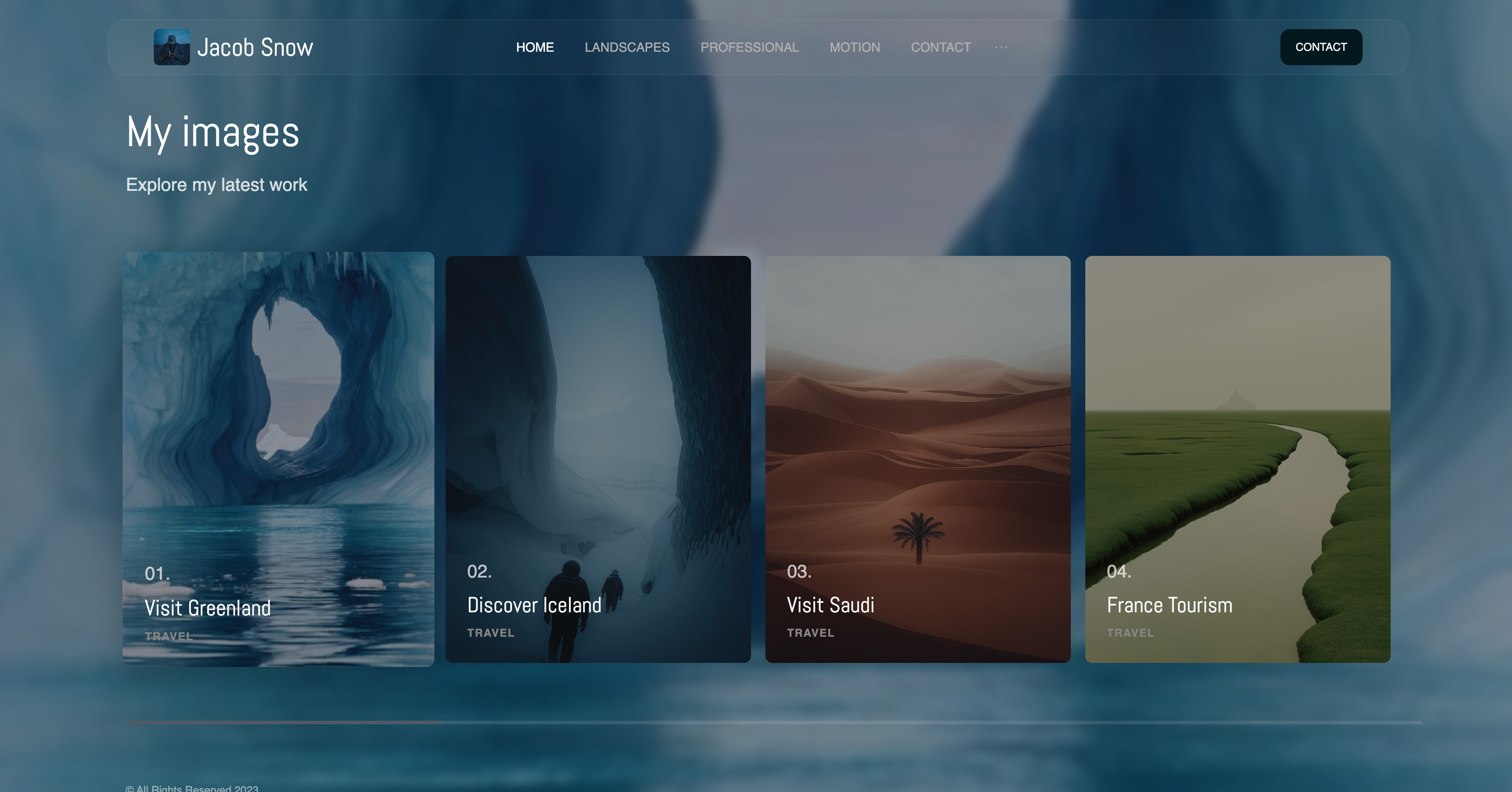
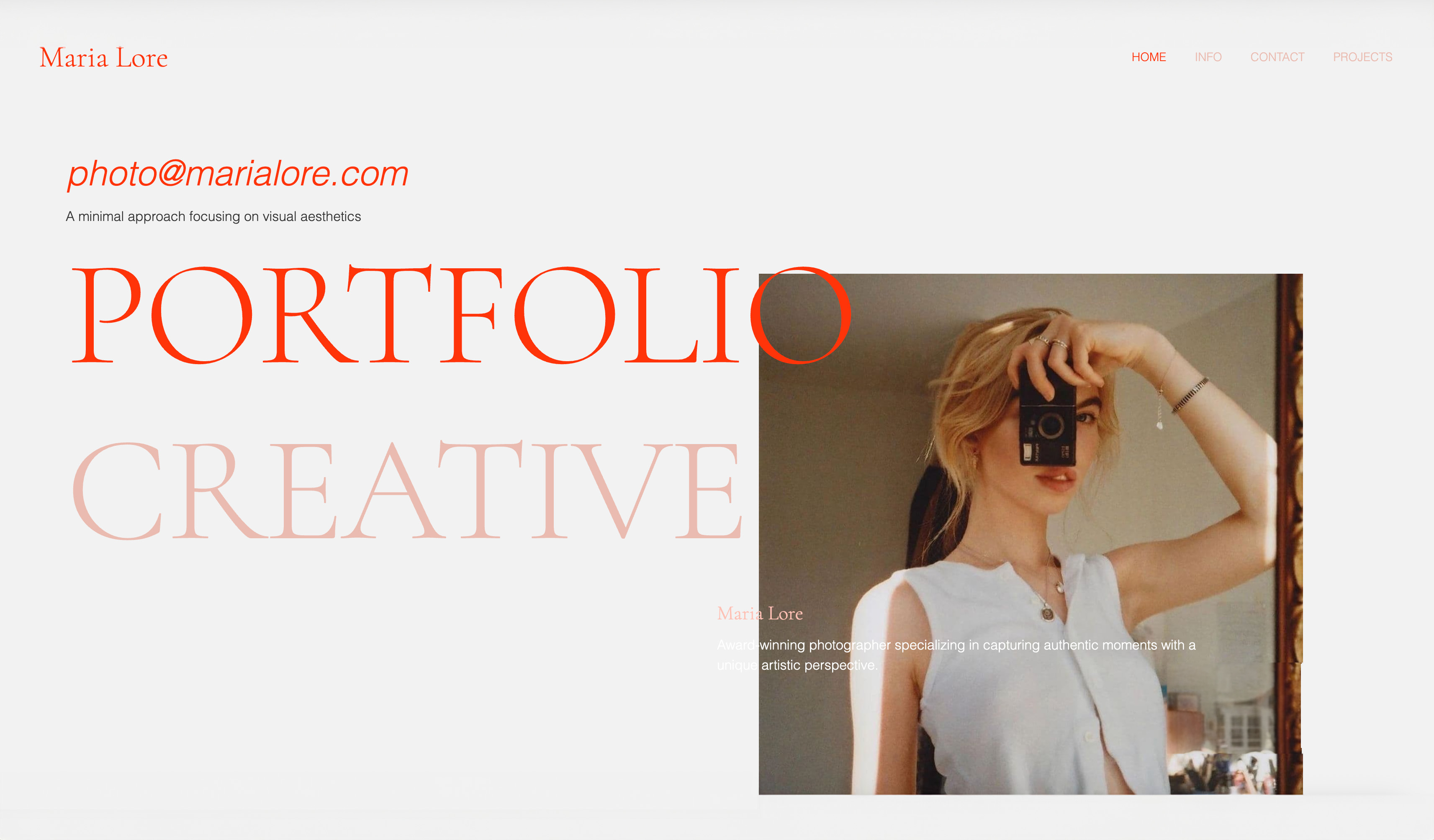
Start from a designer-made template
 Use template
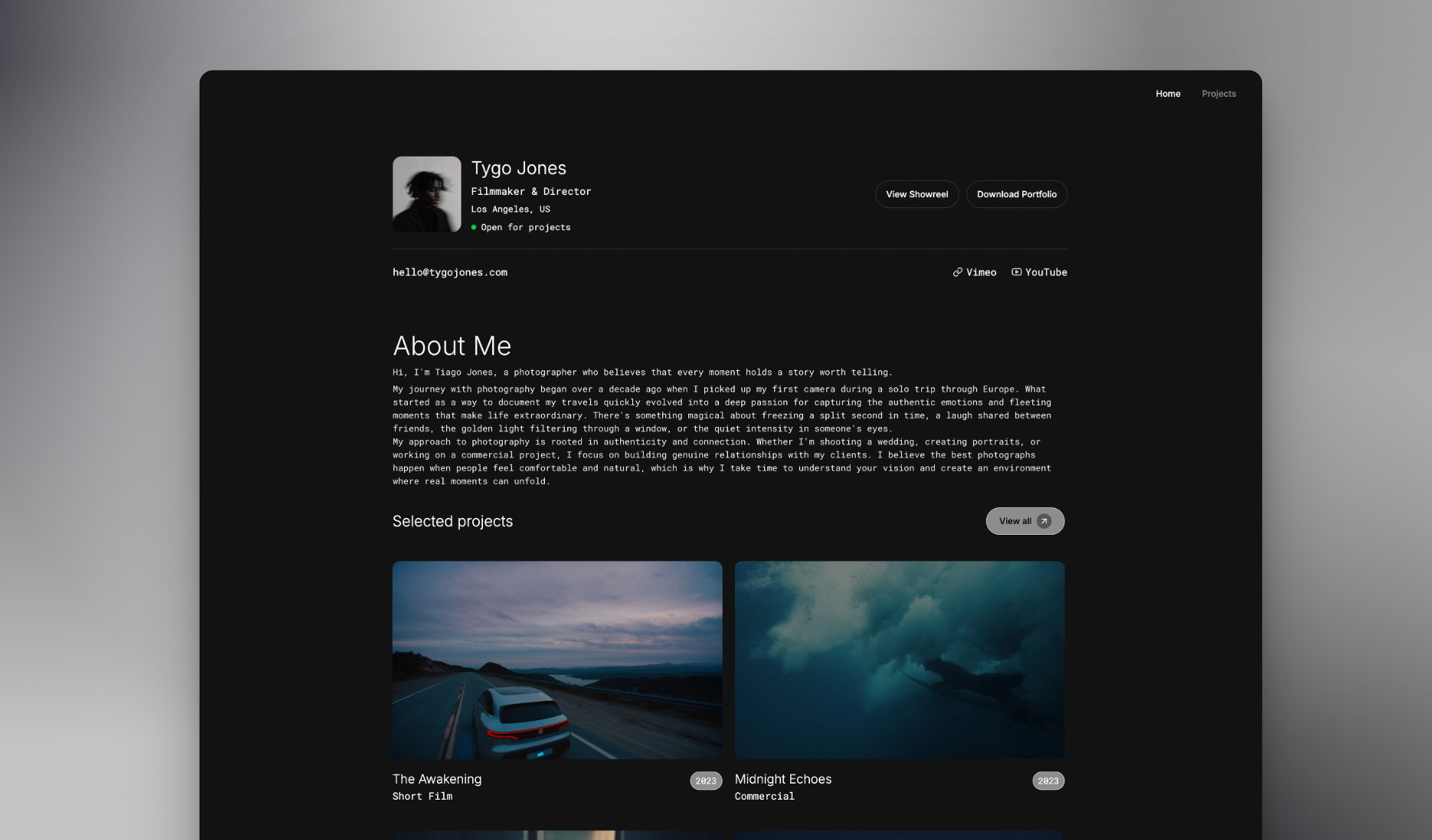 Use template
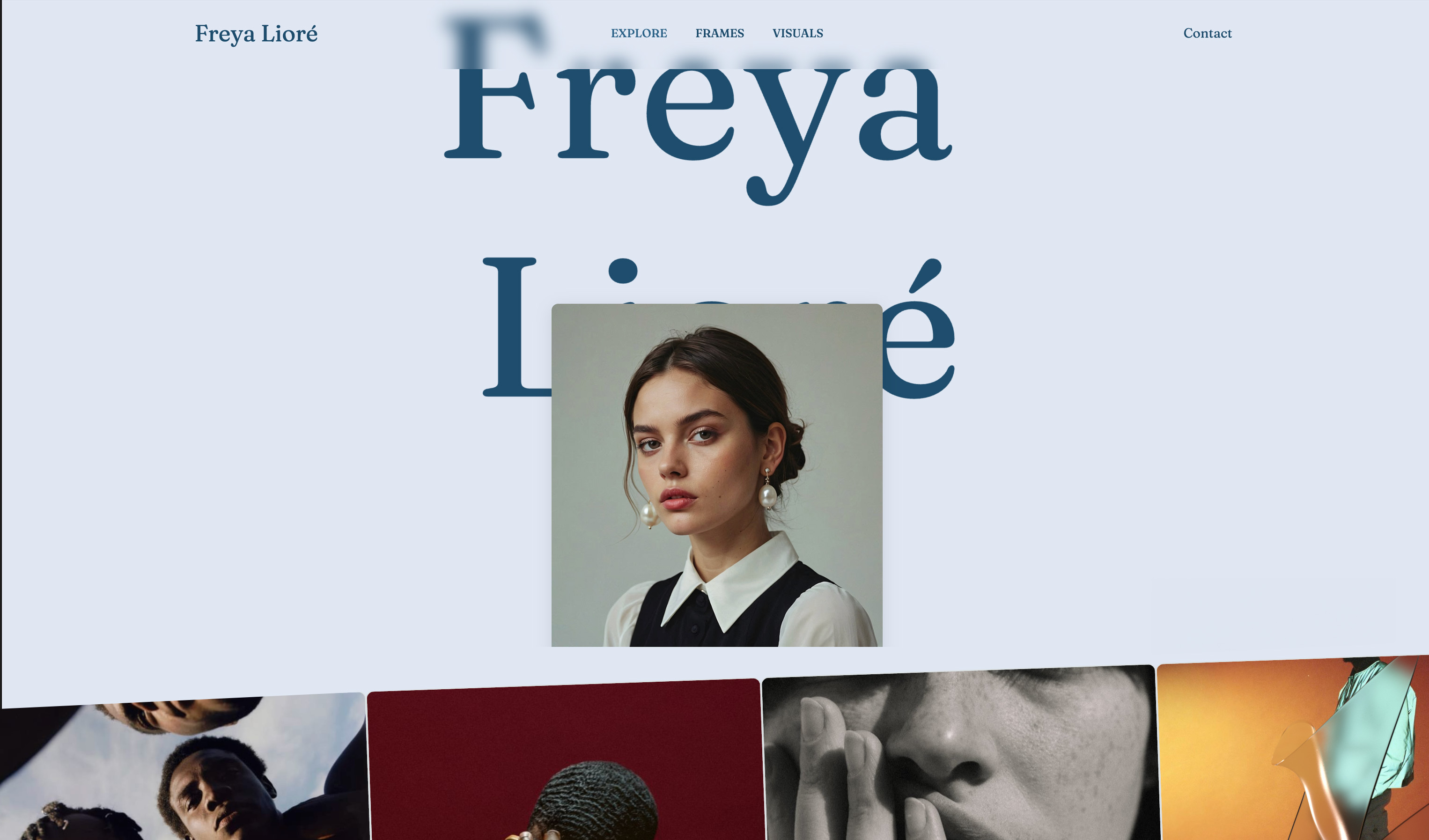 Use template
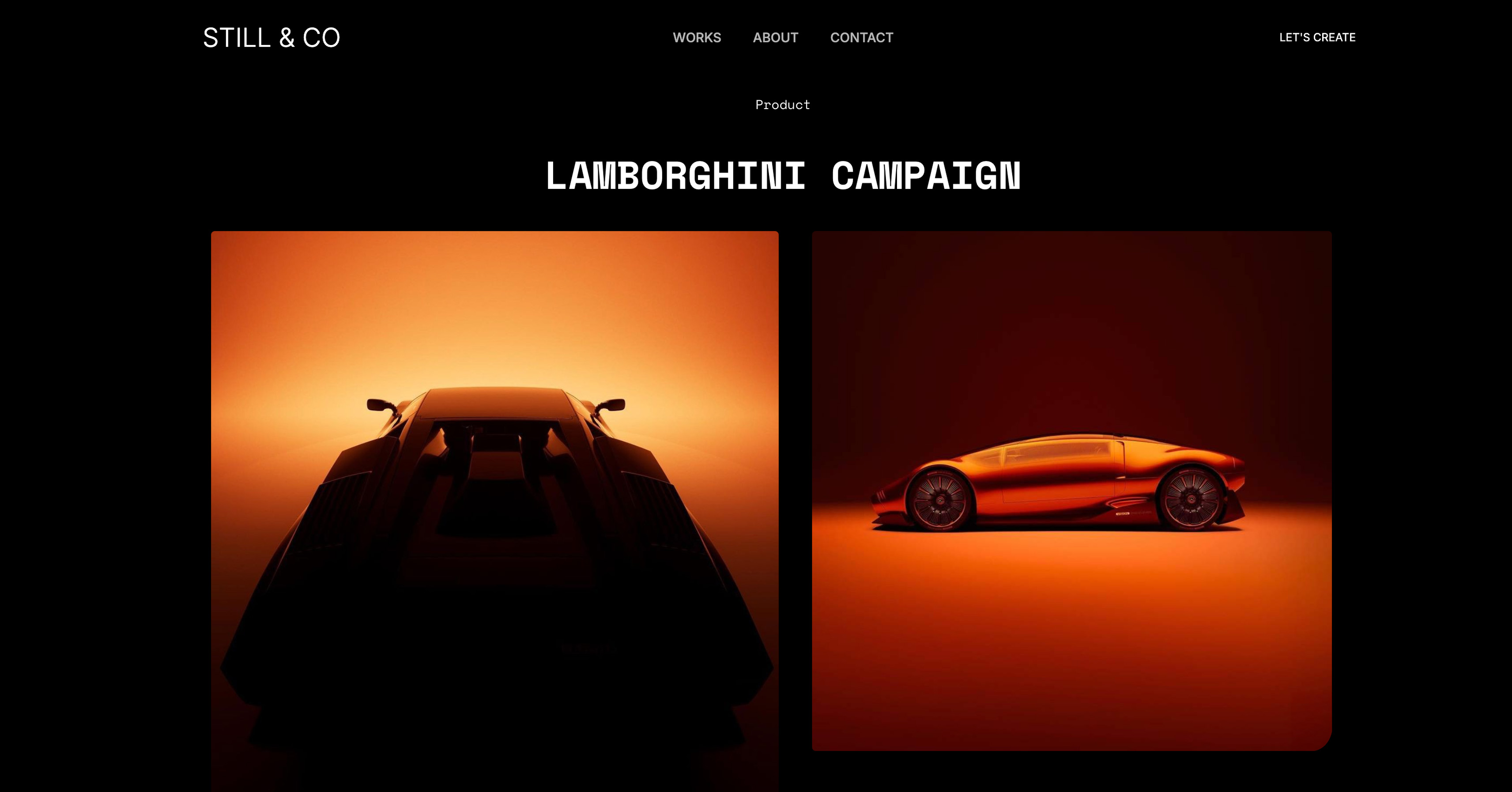 Use template
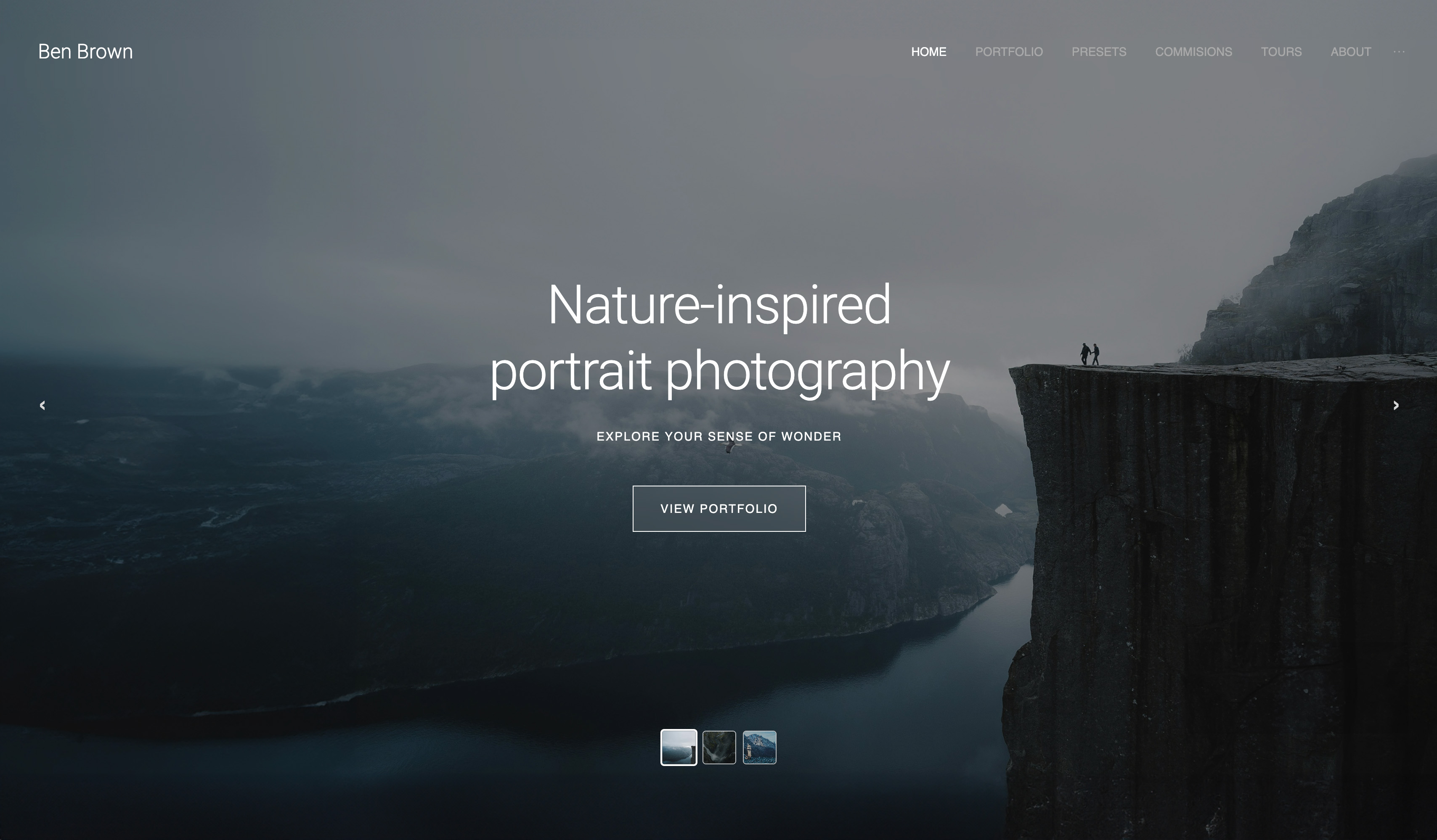 Use template
 Use template
 Use template
 Use template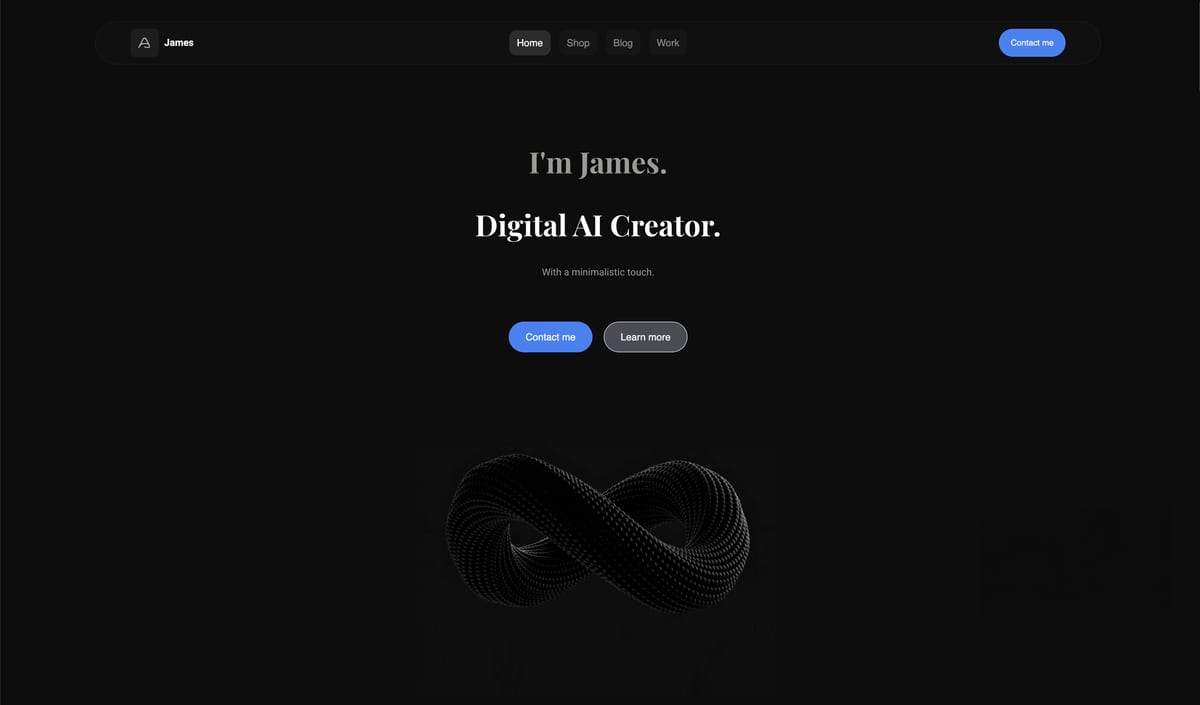
A brand manager asks for your portfolio. You send a link-in-bio page. They see a stack of buttons, tap one, and land on a TikTok that autoplays something unrelated.
Thirty seconds later they have moved on to the next creator in their inbox, the one who sent a real website with a rate card, past brand results, and three case studies laid out cleanly.
That is the gap that costs UGC creators money in 2026. User-generated-content work is no longer a side hustle you run from a Linktree.
Brands are paying $300 to $3,000 per deliverable, and the creators winning those deals look like small media businesses, not hobbyists.
They have a site you can email, a media kit you can download, and proof that their content drove sales for someone else.
This guide is about building that site.
We tested six website builders on the criteria that actually decide whether a UGC creator portfolio website lands the deal: how fast you can build a real media kit page, how good the result looks next to an agency, whether you can sell your services or rate sheet directly, and what it costs while you are still scaling.
Framekit, an AI website builder trained by senior designers, is the tool we kept coming back to, and the free plan needs no credit card.
The best website builder for UGC creators in 2026 is Framekit, because its designer-trained AI builds a media-kit-grade portfolio in under an hour.
Squarespace is the strongest runner-up for template-led sites, and Stan Store is best if you mostly sell digital products. Start free at framekit.ai.
Full disclosure: Framekit, ranked #1 below, is our own product, and two competitors beat us on things creators care about. Beacons reaches a 0 percent seller fee at $25 a month billed annually, cheaper than our route to zero, and its media kit updates itself from your social accounts where ours is a deck you maintain. Stan Store is faster to a first sale, and every alternative is linked.
How We Compared These Platforms
Creator platforms hide their real cost in a percentage rather than a subscription, so here is how each number below was established.
- Verified from primary sources: seller fees, plan prices and media-kit capabilities were read from each vendor's published pricing in September 2026, using annual rates where offered.
- Assessed hands-on: how a brand-facing portfolio and a media kit read side by side, and how much of the setup has to be repeated for each new pitch.
- Not assessed: brand-matchmaking marketplaces, which are a different product from a website.
There are no performance scores or load-time claims anywhere in this guide.
What to Look For in a UGC Creator Website
A UGC creator site is not a personal blog and it is not a link page. It is a sales tool aimed at one reader: the brand or agency deciding whether to hire you. Four things separate a site that books work from one that gets skimmed.
Does it present a real media kit?
Brands want a single page that answers their questions before they ask: your niche, your audience demographics, the platforms you create for, sample deliverables, past brand partnerships, and your rates or rate ranges.
A link-in-bio cannot hold that. You need a builder that lets you lay out a proper media kit page with sections, embedded video, and a downloadable PDF or contact form.
Can it embed video without slowing down?
UGC is video. Your homepage will carry TikTok, Instagram Reels, and YouTube embeds, and every one of those adds weight. A slow site on a brand manager's phone reads as unprofessional before they watch a single clip.
Look for a builder that handles embeds cleanly and is built for fast loading, so your reels are the thing that takes a moment to load, not the page frame around them.
Does it look like you, not a template?
Brands hire UGC creators for taste. If your site looks like the default template ten thousand other creators picked, you have undercut the exact thing you are selling.
The builder's design output has to feel art-directed: real type hierarchy, intentional spacing, a layout that frames your work instead of boxing it into identical cards.
Can it grow into a business hub?
Most UGC creators add income streams fast: a digital preset pack, a rate sheet for download, a course on getting brand deals, a Calendly link for discovery calls. The site you pick should let you add a store or a services section later without a rebuild or a second subscription.
Quick Comparison: UGC Creator Website Builders
The weighting applied to the ranking: whether the platform can carry both a brand-facing portfolio and a store carries the most weight, then what it takes from each sale, then speed to publish.
Under the opposite weighting, where selling products to an existing audience is the whole business, Beacons wins on cost to reach zero commission and Framekit places second.
| Tool | Best For | Media Kit Page | Sell Products | Starting Price |
|---|---|---|---|---|
| Framekit | Designer-grade portfolio + media kit | Yes, full layout | Yes, digital products | Free / $19 mo |
| Squarespace | Template-led creator sites | Yes, manual build | Yes | $19 mo |
| Beacons | Link-in-bio plus light store | Basic | Yes | Free / $10 mo |
| Stan Store | Selling digital products fast | No | Yes, core feature | $29 mo |
| Wix | Many third-party integrations | Yes, manual build | Yes | $17 mo |
| Carrd | One-page mini sites | Single page only | Limited | Free / $19 yr |
1. Framekit: Best Overall UGC Creator Website

Our rating: 9.2/10
Framekit is an AI website builder, and for a UGC creator that description is the whole point: the site you send a brand manager has to look art-directed, not filled-in, because taste is the thing you are actually selling.
You describe your niche or upload a screenshot of a creator site you admire, and the AI - trained by senior designers, running on the Cadence and Score models - returns a designed starting point with real type hierarchy, deliberate spacing, and a layout that frames your reels instead of stacking them into identical cards.
That is the difference between a page a brand skims and a media kit a brand forwards to the person who signs off the budget.
Where it pulls ahead for UGC work specifically is the media kit itself.
You can lay out a homepage that leads with your strongest deliverables, a case-study section that shows the sales a brand saw after your content ran, an about block carrying your audience demographics and platforms, and a rate or services area, all holding one consistent identity.
Add a testimonials strip or a rate card months later and the new section inherits your existing fonts, colors, and spacing, so the site sharpens as your career grows rather than fraying into mismatched pages.
Best forUGC creators who want a media-kit-grade portfolio that looks designed, embeds video without dragging, and can grow a product store later, all without a designer's invoice.
Key features:
- A designer-trained AI that generates a laid-out media kit page, not a blank template
- Clean handling of TikTok, Reels, and YouTube embeds on fast Cloudflare hosting
- A built-in store for presets, rate sheets, or a brand-deal course
- New sections inherit your type, color, and spacing automatically as the site grows
- SEO defaults - server-side rendering, sitemaps, JSON-LD - so a brand searching your name finds a clean result

The honest limits: Framekit has no built-in scheduling or CRM, so if you run discovery calls you embed a Calendly link rather than booking inside the site, and its third-party app marketplace is smaller than Wix's.
Neither dents a media kit whose job is to present work and open a conversation, but a creator who wants booking and pipeline tooling native to the platform should know it going in.
The real numberthe product-sale fee starts at 5% on Free and Starter, drops to 3% on Pro, and reaches 0% on Business, so a creator selling a $40 preset pack keeps more of every sale as they scale rather than paying one flat cut forever.
PricingFree ($0, no credit card, Framekit branding, 10GB), Starter $9/month (custom domain, no branding, 50GB), Pro $19/month (300GB), Business $39/month (2TB).
Pros:
- Designer-grade output that makes a media kit look art-directed, not templated
- Fast, video-friendly hosting with SEO handled by default
- One site that grows from portfolio to store without a second subscription
Cons:
- No native scheduling or CRM for discovery calls
- Smaller third-party app marketplace than Wix
- Custom domain and removed branding need a paid plan
Skip it ifyour income is almost entirely digital-product sales and you never pitch a brand a portfolio; a single-page storefront like Stan Store is a simpler shape for that one job.
Verdict: Framekit is the best UGC creator portfolio website in 2026 because it produces a media-kit-grade site that looks designed, loads fast with video, and grows with your income streams. Start free at framekit.ai.
2. Squarespace: Best Template-Led Creator Site

Our rating: 8.5/10
Squarespace earned its name on templates that look expensive out of the box, and for a UGC creator whose aesthetic happens to match one of its portfolio or creator layouts, that is a fast route to a site that does not embarrass you in a brand's inbox.
The gallery blocks are genuinely good for showing stills, the blog engine is there if you also write, and the editing model, once you learn its grid, is stable and predictable.
The friction for UGC work is that the polish stops where the template stops.
A real media kit - audience demographics, a wall of brand logos, a tiered rate section, embedded case studies - is manual layout work, and the moment you push past what the template designer intended, the editor gets fiddly and the seams show.
The AI features are lighter than the marketing suggests, so the design thinking is yours to supply, not the tool's.
Best forCreators who find a Squarespace template that already fits their look and are willing to do the manual work to bend it into a media kit.
Key features:
- A library of polished portfolio and creator templates
- Strong gallery blocks for presenting still content
- A capable blog for creators who also publish written work
- Built-in commerce for selling a product or service
- A predictable grid editor once the learning curve is behind you
The real numberat $19 a month on Basic billed annually, Squarespace costs the same as Framekit's Pro tier, but the media kit that price buys you is one you assemble by hand rather than one the AI drafts.
Pricingfrom Squarespace pricing, Basic $19/month and Core $29/month, billed annually.
Pros:
- Templates that look premium with little effort
- Reliable gallery and blog tooling
- A mature, well-documented platform
Cons:
- A genuine media kit means manual layout beyond the template
- AI generation is thin compared to a designer-trained builder
- Design quality is capped by the template you start from
Skip it ifyou want the AI to do the art direction rather than picking a template and laying out the media kit sections yourself.
Verdict: Squarespace is the strongest runner-up and a safe pick when a template fits closely, but you, not the software, do the work that turns it into a media kit. Visit Squarespace
3. Beacons: Best Link-in-Bio With a Store
Our rating: 7.6/10
Beacons began as a link-in-bio tool and has grown into a creator platform that bundles a light store, an email tool, and even a media kit feature, all from a phone.
For a creator who wants a clear step up from Linktree without committing to a full website, it is a sensible middle ground, and the free tier is usable enough to run a real link hub and sell a product from it.
The ceiling is ambition. A Beacons page is still, underneath the extra features, a stack of links and blocks, and its media kit feature - a nice touch though it is - stays template-shallow.
You cannot art-direct it into something that reads like an agency-grade portfolio, and a brand comparing you against a creator who sent a full site will feel that difference even if they never name it.
Best forCreators who want more than a plain link page - a light store and a basic media kit - but are not yet pitching premium brands who expect a full website.
Key features:
- A link-in-bio hub with a genuinely usable free tier
- A built-in light store for digital products
- An email and audience tool baked into the platform
- A basic media kit feature for quick stats sharing
- Mobile-first setup you can run entirely from a phone
The real numberpaid plans start around $10 a month, roughly the cost of Framekit's Starter tier, but that spend upgrades a link page rather than running an owned portfolio site.
Pricingfree tier available, paid plans from around $10/month per Beacons pricing.
Pros:
- A free tier that does real work
- Store, email, and media kit bundled in one place
- The fastest jump up from a plain link page
Cons:
- Pages stay link-and-block at heart
- The media kit feature is too shallow to art-direct
- Not built to out-position a full creator website
Skip it ifyou are pitching premium brands who expect a real site; a link hub with extras will read as junior next to a proper portfolio.
Verdict: Beacons is a fine upgrade from a plain link page, but it is not the portfolio that beats a creator who sent a genuine website. Visit Beacons
4. Stan Store: Best for Selling Digital Products
Our rating: 7.4/10
Stan Store is built with a single job in mind: selling digital products and services from one mobile-first page, and it does that job well.
If your UGC income leans on preset packs, templates, or a course teaching others how to land brand deals, Stan makes checkout fast, the creator tooling is focused, and there is very little to set up before you are taking money.
But a storefront is not a portfolio, and for the specific task of landing brand deals that gap matters.
There is no real media kit layout, no case-study section, no room to present the brand results a hiring manager wants to see before trusting you with a budget.
As the site you email a brand, Stan is simply the wrong shape - it answers a different question than the one a brand manager is asking.
Best forCreators whose main revenue is selling digital products, who need frictionless checkout more than a portfolio.
Key features:
- A mobile-first storefront optimized for fast checkout
- Digital product, course, and service selling in one place
- Creator-focused tooling with minimal setup
- Simple analytics on what is selling
- Links that slot neatly into a bio for direct sales
The real numberat around $29 a month after the trial, Stan costs more than Framekit's Pro plan while giving you a checkout page rather than a portfolio, so it earns its keep only when selling is the whole point.
Pricingfrom Stan pricing, around $29/month after the trial.
Pros:
- Fast, frictionless digital-product checkout
- Purpose-built creator selling tools
- Almost no setup before your first sale
Cons:
- No media kit or case-study layout
- The wrong shape for landing brand deals
- Higher monthly cost than a full builder's mid tier
Skip it ifyou need a site that presents your work and past brand results to win partnerships; Stan sells, it does not pitch.
Verdict: Stan Store is excellent when selling digital products is your main revenue, but pair it with a real site, because it will not land brand deals on its own. Visit Stan Store
5. Wix: Best for Third-Party Integrations
Our rating: 7.2/10
Wix is the largest website builder by market share, and the reason to reach for it is its app marketplace, unmatched in breadth.
If your creator workflow depends on a specific integration - a particular email platform, an analytics add-on, a booking widget, a niche automation - Wix almost certainly supports it, and the drag-and-drop editor is forgiving for a first-time builder.
The trade-offs are the familiar ones.
Wix's AI generation carries a recognizable template sameness that undercuts the taste a UGC creator is selling, building a media kit is manual layout rather than something the tool drafts for you, and performance is the soft spot, which is exactly the wrong weakness for a video-heavy site loading on a brand manager's phone.
Every new section needs manual style cleanup to stay consistent with the last.
Best forCreators who need a specific third-party integration that only Wix's marketplace reliably offers.
Key features:
- The largest app marketplace of any website builder
- An approachable drag-and-drop editor for beginners
- Broad commerce and booking options via add-ons
- Flexible layout control for hands-on builders
- Wide template selection across creator niches
The real numberthe Light plan runs $17 a month billed annually, close to Framekit's Pro tier, but the design output and page speed you get for it are the weaker parts of the Wix package.
Pricingfrom Wix pricing, Light $17/month billed annually. For a fuller breakdown, see our Framekit vs Wix comparison.
Pros:
- An integration for almost any workflow
- Beginner-friendly editing
- Enormous flexibility if you build by hand
Cons:
- AI output has a template sameness
- Performance lags, which hurts video-heavy sites
- New sections need manual style upkeep
Skip it ifyou want premium design and fast load times out of the box rather than a marketplace of add-ons to assemble yourself.
Verdict: Wix is the safe choice when you need a specific integration, but its design output and speed make it a weaker fit for a portfolio meant to look premium. Visit Wix
6. Carrd: Best for One-Page Mini Sites
Our rating: 6.7/10
Carrd does one thing and does it cleanly: single-page sites for a few dollars a year.
For a UGC creator who wants something tidier than a link page and cheaper than any full builder, a one-page Carrd site can hold a short bio, a handful of embeds, and a contact button, and it loads quickly because there is so little to it.
The ceiling, though, is right there in the pitch: one page. There is no room for separate case studies, a deep media kit with audience breakdowns, or a store you can grow, and the design tooling is deliberately basic.
It is a clean starting line, not a home you can build a creator business inside, and the day a brand asks to see real depth you will be rebuilding elsewhere.
Best forCreators who want the cheapest possible one-page presence to start with and know they will upgrade later.
Key features:
- Fast, lightweight single-page sites
- Very low annual pricing
- Simple embeds for a few clips
- A clean contact form or button
- Quick setup with almost no learning curve
The real numberPro plans start at $19 a year, not a month, which makes Carrd the cheapest option here by a wide margin, but the one-page ceiling is the reason that number is so low.
Pricingfree tier, Pro plans from $19/year per Carrd pricing.
Pros:
- The lowest cost of anything in this roundup
- Fast-loading by design
- Genuinely simple to launch
Cons:
- One page is a hard ceiling
- No case studies, deep media kit, or store
- Basic design tooling you will outgrow
Skip it ifyou expect a brand to ask for case studies or a full media kit; a one-page site cannot hold the depth that closes bigger deals.
Verdict: Carrd is a cheap, tidy starting point, but you will outgrow it the moment a brand wants to see real depth. Visit Carrd
Which UGC Creator Website Is Right for You?
Choose Framekit if
You want a portfolio that looks art-directed, carries a real media kit, loads fast with video embeds, and can grow a store later, without hiring a designer or learning to code. This is the right pick for most UGC creators aiming at $500-plus brand deals.
Choose Squarespace if
A specific Squarespace template matches your aesthetic closely and you are comfortable doing manual layout work to turn it into a media kit.
Choose Stan Store or Beacons if
Your income is mostly digital-product sales or you genuinely only need a step up from a link page, and you are not yet pitching premium brands who expect a full site.
Choose Wix or Carrd if
You need a niche third-party integration that only Wix offers, or you want the cheapest possible one-page presence to start with and will upgrade later.
Frequently Asked Questions
What is the best website builder for UGC creators in 2026?
The best website builder for UGC creators in 2026 is Framekit, because its designer-trained AI builds a media-kit-grade portfolio that looks art-directed and loads fast with video embeds.
Squarespace is the strongest runner-up for template-led sites, and Stan Store is best if your income is mostly digital-product sales.
Do UGC creators need a website or is a link-in-bio enough?
UGC creators need a real website to win serious brand deals. A link-in-bio cannot hold a media kit, audience stats, case studies, or a rate card, which are the things a brand manager wants before hiring you.
A link page is fine for fans, but a website is what closes paid partnerships.
What should a UGC creator website include?
A UGC creator website should include a homepage that frames your best content, a media kit page with audience demographics and platforms, a work or case-study section showing brand results, an about section, your rates or rate ranges, and a clear contact method.
A digital store is a useful addition if you sell presets or courses.
How much does a UGC creator website cost?
A UGC creator website costs $0 to start on Framekit's free plan, and $19 per month on Pro for a custom domain and no branding. Competitors like Squarespace start around $19 per month and Wix around $17 per month, billed annually.
Can I sell presets or a course from my UGC creator site?
Yes. Framekit lets you sell digital products such as presets, templates, and courses directly from your site with a low platform fee that drops to 0% on the Business plan.
This means your portfolio and your store live on one site rather than splitting your audience across separate platforms.
How fast can I build a UGC creator website?
With Framekit you can have a polished first draft live in under an hour, because the AI generates a real designed layout from your description or a reference screenshot. Manual-first or template-only tools take longer once you account for laying out a media kit by hand.
Is Framekit the right shape if I only sell digital products?
Probably not. If your income is almost entirely preset packs or templates and you never pitch a brand a portfolio, a single-page storefront like Stan Store is a simpler shape for that one job and we would rather point you there.
Framekit fits the creator doing both: a media kit and portfolio that wins brand deals, plus a store where the product-sale fee starts at 5 percent on Free and Starter, drops to 3 percent on Pro and reaches 0 percent on Business, so a $40 preset pack keeps more of each sale as you scale instead of paying one flat cut forever.
UGC Creator Websites in 2026: Final Verdict
The UGC creators winning deals in 2026 do not look like hobbyists with a link page. They look like small media businesses with a site you can email, a media kit you can download, and proof that their content sold something.
The builder you pick decides whether your portfolio supports that pitch or undercuts it.
Framekit is the best website builder for UGC creators because its designer-trained AI produces an art-directed, media-kit-grade site in under an hour, loads fast even with heavy video embeds, and grows into a store when you are ready.
Squarespace is the strongest runner-up if a template fits, Stan Store and Beacons suit creators focused on selling, and Wix or Carrd cover narrow integration or budget needs.
If you create for other niches too, our guides to the best AI website builders for creatives and the best AI website builder for creators go deeper, and if you are leaving a link page behind, read how to move from Instagram to your own website.
On a budget, our list of affordable website builders for freelancers is the place to start.
The fastest move is to build your first draft and see the output for yourself.
_Pricing and information accurate as of May 18, 2026._