Framekit templates
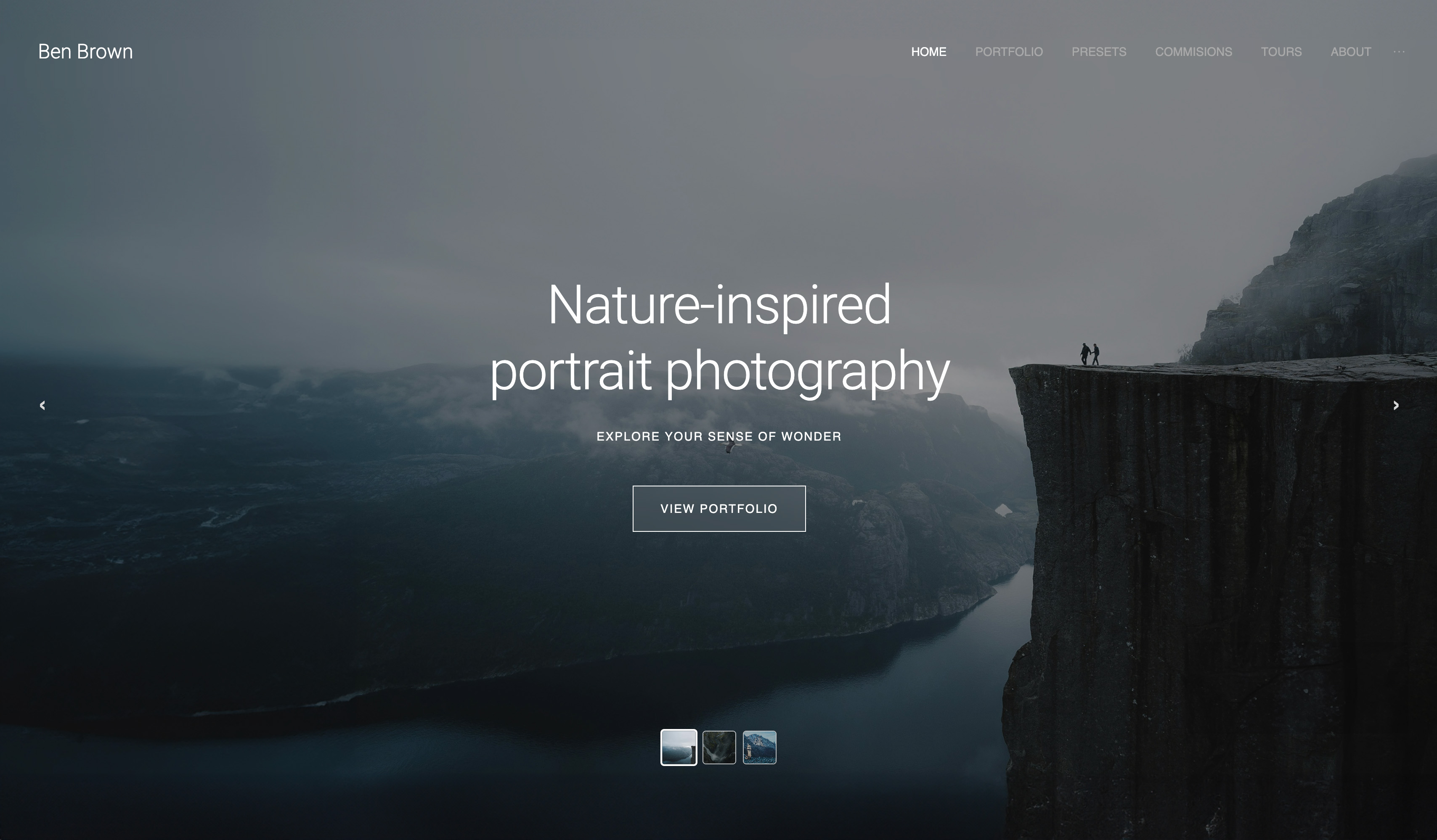
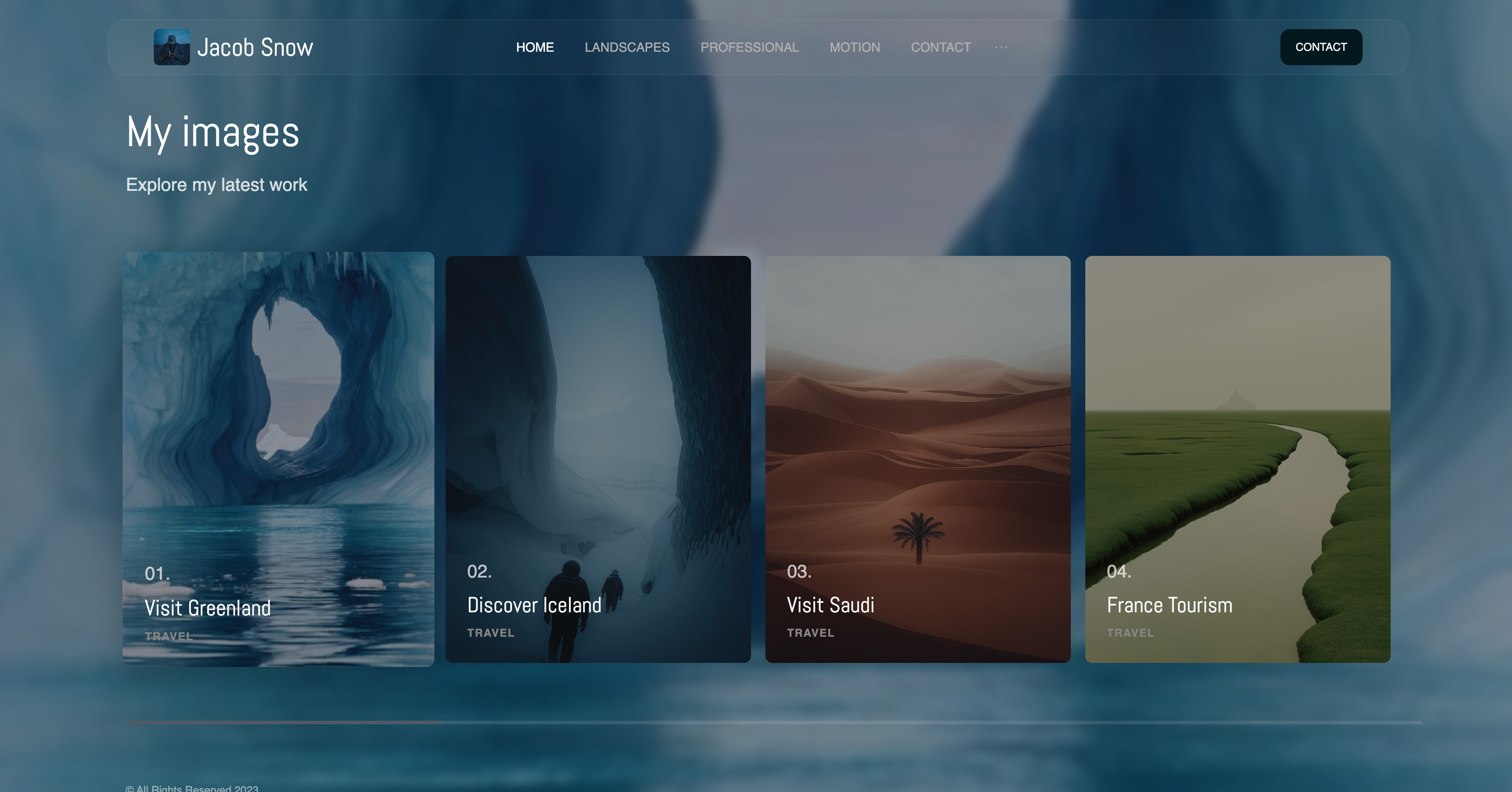
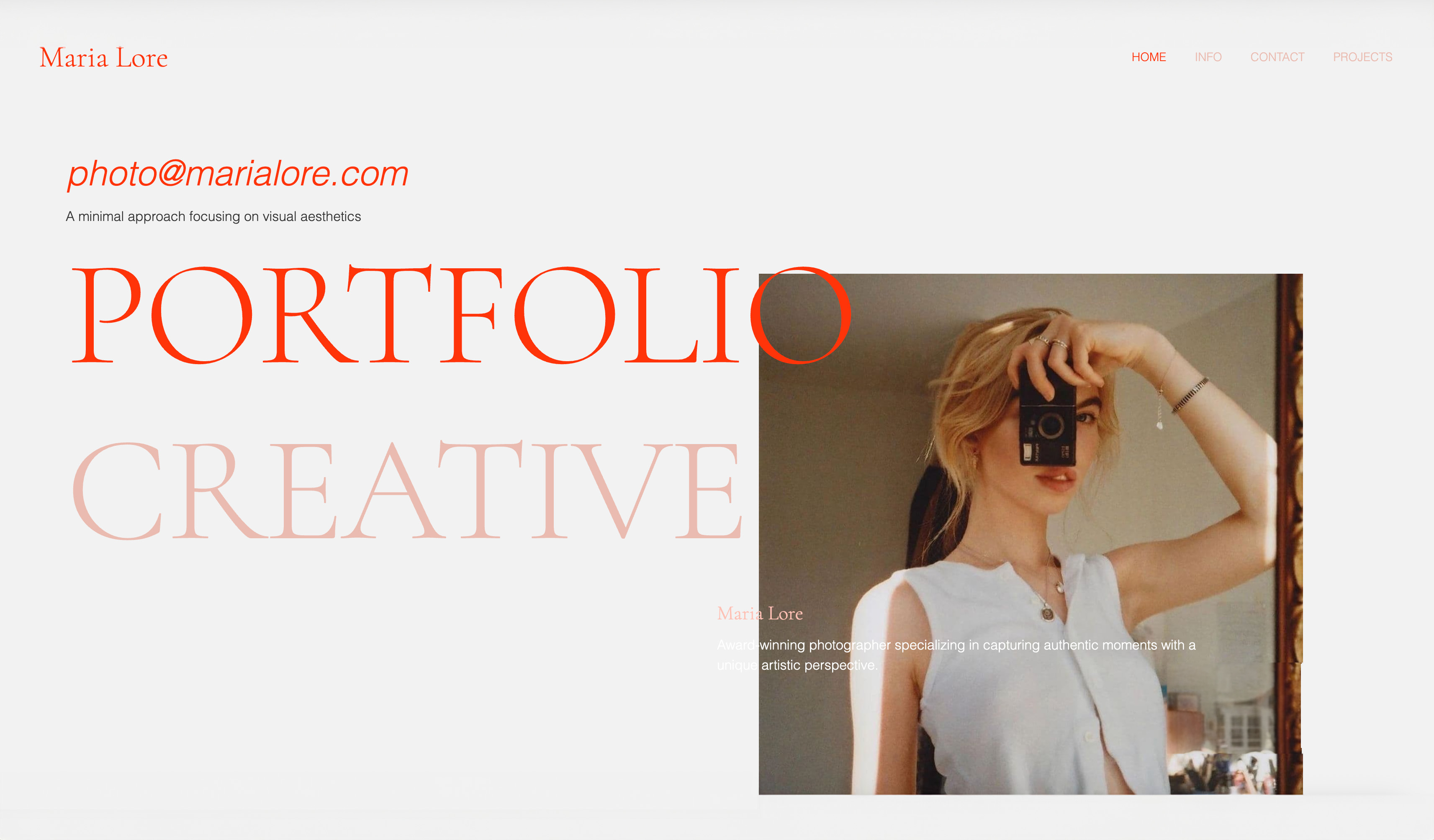
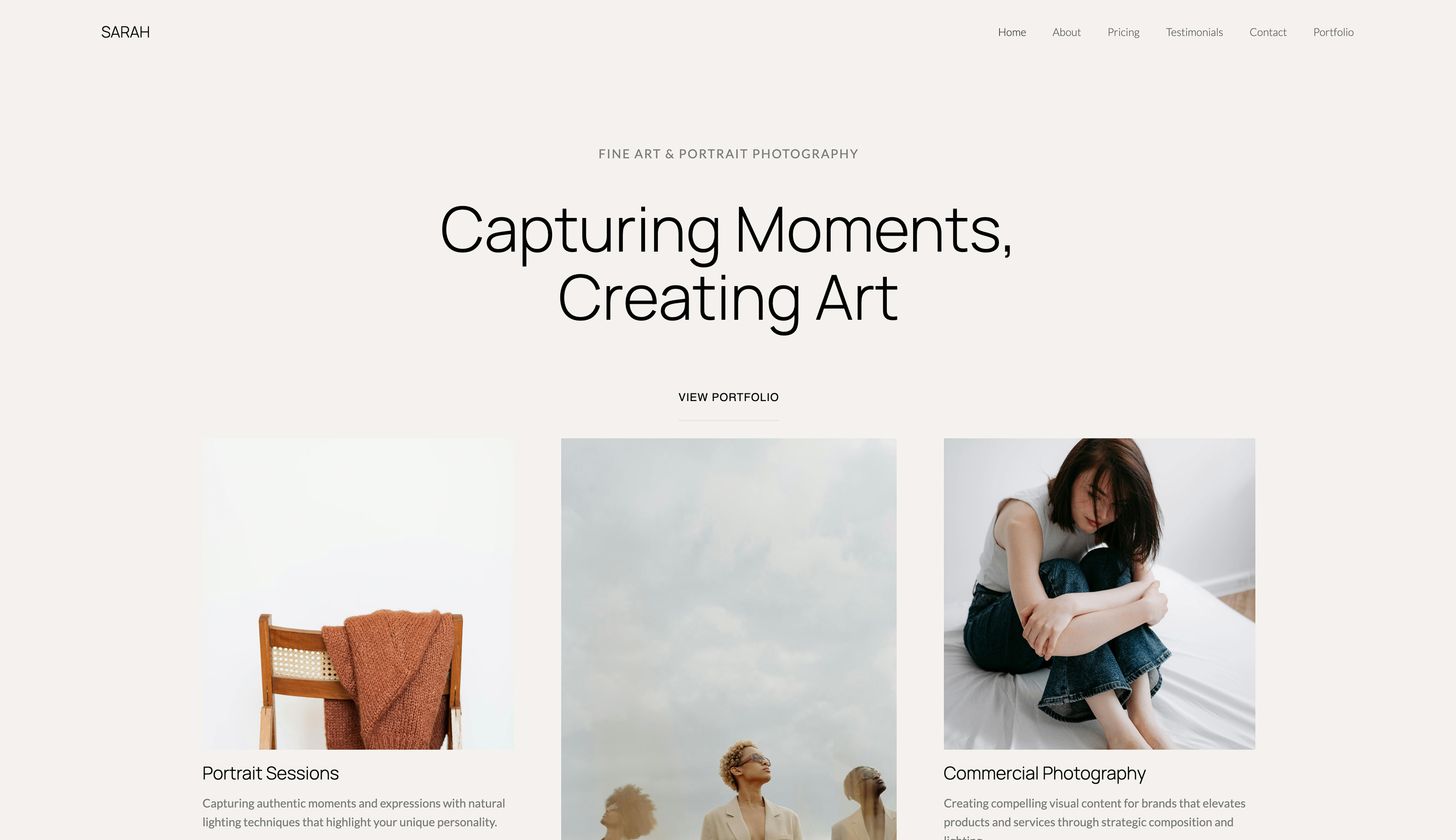
Start from a designer-made template
 Use template
 Use template
 Use template
 Use template
 Use template
 Use template
 Use template
 Use template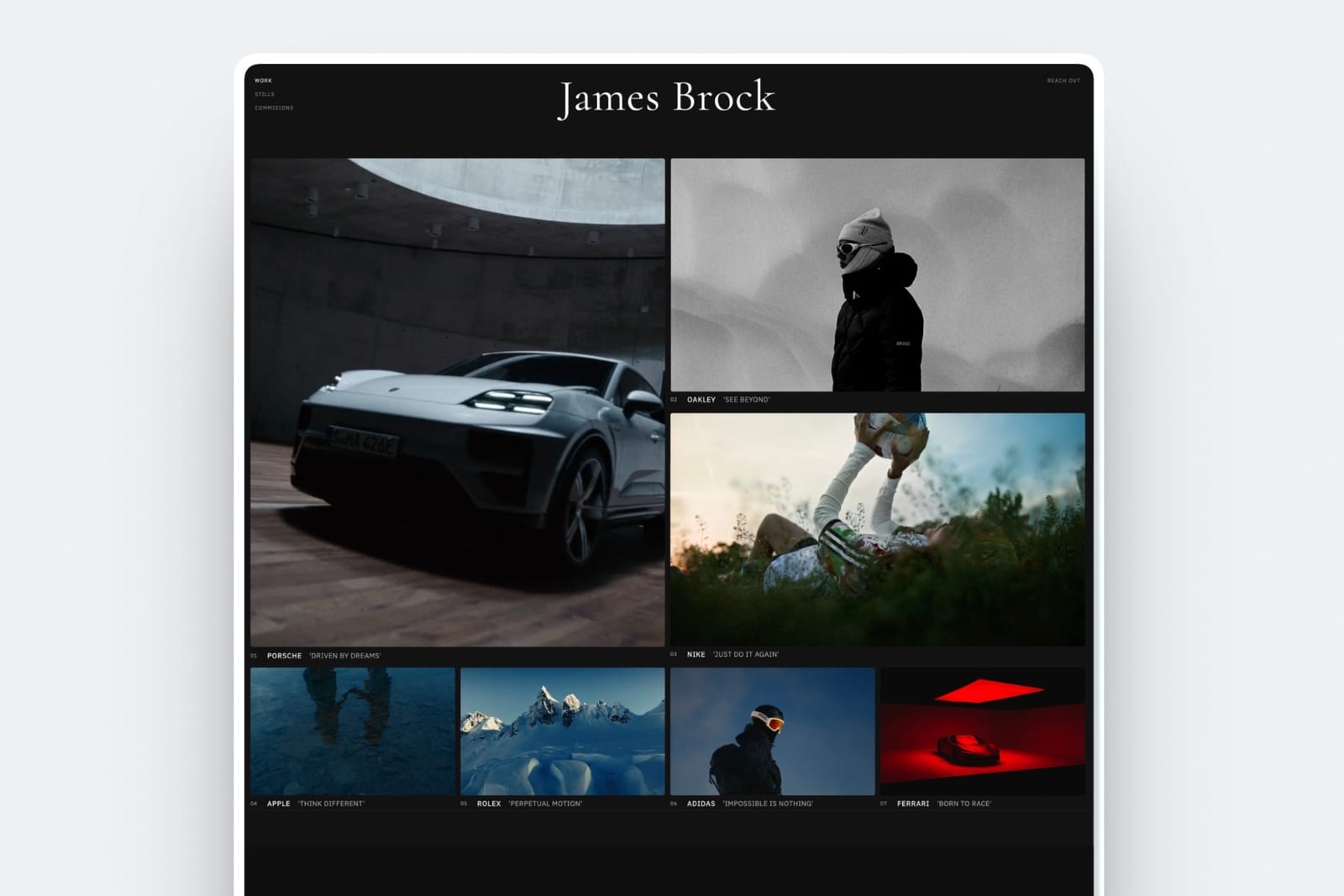
Qwilr does something most proposal tools do not.
The document is a web page rather than a PDF, the pricing block is interactive so a client can toggle options and watch the total move, and the signature and the deposit both happen without leaving it.
When it works, the proposal closes itself.
Two numbers send people looking for Qwilr alternatives. The first is $420 per user per year on Starter.
The second is quieter and worse: the Growth plan, which is where custom branding lives, carries a five-seat minimum at $55 each, so the upgrade from one seat is not $660, it is $3,300.
A proposal tool is software that turns a quote into a document a client can read, configure, sign, and pay from, tracking what they looked at along the way.
The best Qwilr alternative in 2026 is PandaDoc, because it covers the same close mechanics - interactive pricing, e-signature, payment collection, and per-recipient analytics - at roughly $228 per user a year against Qwilr's $420, without a seat minimum standing between you and custom branding.
The trade-off is that PandaDoc's documents look like contracts rather than like design work, which matters if your proposal is part of the pitch.
Better Proposals is the cheapest credible option at about $13 per user a month, Framekit is the pick for creative studios whose proposal is a designed deck sent as a link and whose signature happens elsewhere, Storydoc is the pick for the best-looking tracked web document, and HoneyBook is the answer for creative studios who want the whole client workflow rather than a proposal tool.
Framekit is an AI website builder that also includes Slides, a deck tool with client proposal templates, alongside client galleries, video review and a store.
In September 2026 we re-verified Framekit's plans and features and moved it from tenth to third, because it now ships a proposal deck tool it did not have when this guide was written; competitor prices are as checked in August 2026.
Full disclosure: Framekit is our own product and it is ranked third below, for creative studios only; it has no e-signature, payment collection, interactive pricing or open tracking, so PandaDoc and Better Proposals beat it on closing, and Storydoc beats it on analytics.
How We Compared These Qwilr Alternatives
We rebuilt the same document in all ten: a fourteen-section brand identity proposal with a cover, a problem framing, three case studies, an interactive scope table with two optional add-ons, a three-tier price block, a timeline, and an acceptance step.
The carried scenario is a two-person studio sending twelve proposals a month at an average project value of $8,000.
Close mechanics. Whether the client can select options, sign, and pay a deposit inside the document, which is Qwilr's whole argument.
Design ceiling. How close the finished proposal gets to looking like your studio's work rather than the vendor's template.
Seat rules. Minimums, caps, and what specifically sits behind the next tier, since that is what makes this category expensive.
Analytics. Whether you learn which section the prospect read before the follow-up call.
Cost for one and for two people, at published annual rates.
Three kinds of claim, kept apart.
Ours by hand in August 2026: the rebuilds, a test send to three recipients per tool, and the signature and payment flows where they exist; Framekit's Slides features, which shipped after that test, are described from the product rather than from a rebuild.
From published pricing: every figure below. From other people: recurring themes in public reviews, always labelled as sentiment.
What Rebuilding One Proposal Ten Times Showed
The category splits between tools that optimise the close and tools that optimise the document, and almost nothing does both well at a small-team price.
- 5 of 10 collect a signature and a payment inside the document. Four do not.
- 2 of 10 impose a seat minimum that more than doubles the real entry price of the tier most studios eventually want.
- 6 of 10 report which section a specific recipient read.
- Cost for two people ranged from $0 to $840 a year, with Qwilr at the top of that range.
- 4 of 10 have a genuinely free tier: Canva, Notion, Google Docs and Framekit. Qwilr has none, only a trial.
- The best-looking rebuild and the best-closing rebuild came from different tools, which is the central tension in this category.
Qwilr Alternatives Compared
The weighting: close mechanics 25%, cost and seat rules 25%, design ceiling 20%, analytics 15%, ease of assembly 15%. Cost carries as much as capability because the stated reason people leave Qwilr is price rather than any missing feature.
Framekit scores zero on close mechanics and analytics, the two criteria where the top two lead; it ranks third on cost and design ceiling for creative work, and the row below shows the gap.
| Tool | Sign and pay inside | Free tier | Seat minimum | Cost, 1 person / year |
|---|---|---|---|---|
| Qwilr | Yes | No, trial only | Yes, 5 on Growth | $420 |
| PandaDoc | Yes | No, trial only | No | ~$228 |
| Better Proposals | Yes | No, trial only | No | ~$156 |
| Framekit | No | Yes | No | $0 to $228 |
| Storydoc | No | No, trial only | No | $237.60 |
| HoneyBook | Yes | No, trial only | No | $588 (Essentials) |
| Dubsado | Yes | No, trial only | No | $35/mo monthly (Starter) |
| Canva | No | Yes | No | $144 (Pro) |
| Notion | No | Yes | No | $120 (Plus) |
| Google Docs | No | Yes | No | $0 |
| Moxie | Yes | No, trial only | No | $120 (Starter) |
1. PandaDoc: The Best Qwilr Alternative Overall
Best forstudios whose proposal has to become a signed agreement without a second tool.
PandaDoc matches Qwilr on the mechanics that matter and undercuts it substantially.
Our rebuild had a working option-selection block, a legally binding signature with an audit trail, payment collection, and conditional content that changed the scope section based on which package the client chose.
The real numberPandaDoc Essentials runs about $19 per user a month billed annually, roughly $228 a year, against Qwilr Starter's $420. Essentials caps at two seats and excludes CRM integrations, which for a two-person studio is exactly the right shape.
The gotchathe document reads as paperwork. Video embeds work and do not feel native, the mobile rendering is plainer than Qwilr's or Storydoc's, and for a design studio being judged on presentation that is a real cost rather than a quibble.
Skip it ifthe proposal is a creative artefact that forms part of the pitch.
Verdict: the best value in this comparison for the closing half of a proposal, at roughly half Qwilr's price, and visibly less designed.
2. Better Proposals: The Cheapest Credible Option
Best forfreelancers and small studios who want signing and payments without a per-seat problem.
Better Proposals does about eighty percent of what Qwilr does for about a third of the money. Signature, payment, tracking, and a library of proposal templates aimed at agencies and studios, in a tool that takes an afternoon to learn.
The real numberStarter is about $13 per user a month billed annually, roughly $156 a year. The important limit is that Starter caps you at ten documents a month, which for our twelve-proposal scenario means the next tier.
The gotchathat ten-document cap is the thing to check against your actual volume before subscribing, because it is a monthly reset rather than a total.
Skip it ifyou send more than ten proposals a month and want to stay on the entry plan.
Verdict: the best price-to-capability ratio here, with a document allowance that decides whether the entry tier is real for you.
3. Framekit: Best for Creative Studios Whose Proposal Is the Pitch

Best fordesign, photography and film studios whose proposal is judged as creative work, and who are happy to collect the signature and deposit with a separate contract or invoicing tool.
Qwilr's appeal to a studio is that the proposal is a designed web document rather than a PDF.
Framekit Slides gives you that format for a fraction of the price, built for creative work: client proposal templates in its library, a "client proposal" starting prompt where you describe the job and the AI writes and lays out each slide, and everything editable by hand afterwards.
Charts, timelines and phone or web mockups are ready-made elements, and your own fonts and colours carry across every slide, so the proposal looks like the studio rather than like a proposal tool.
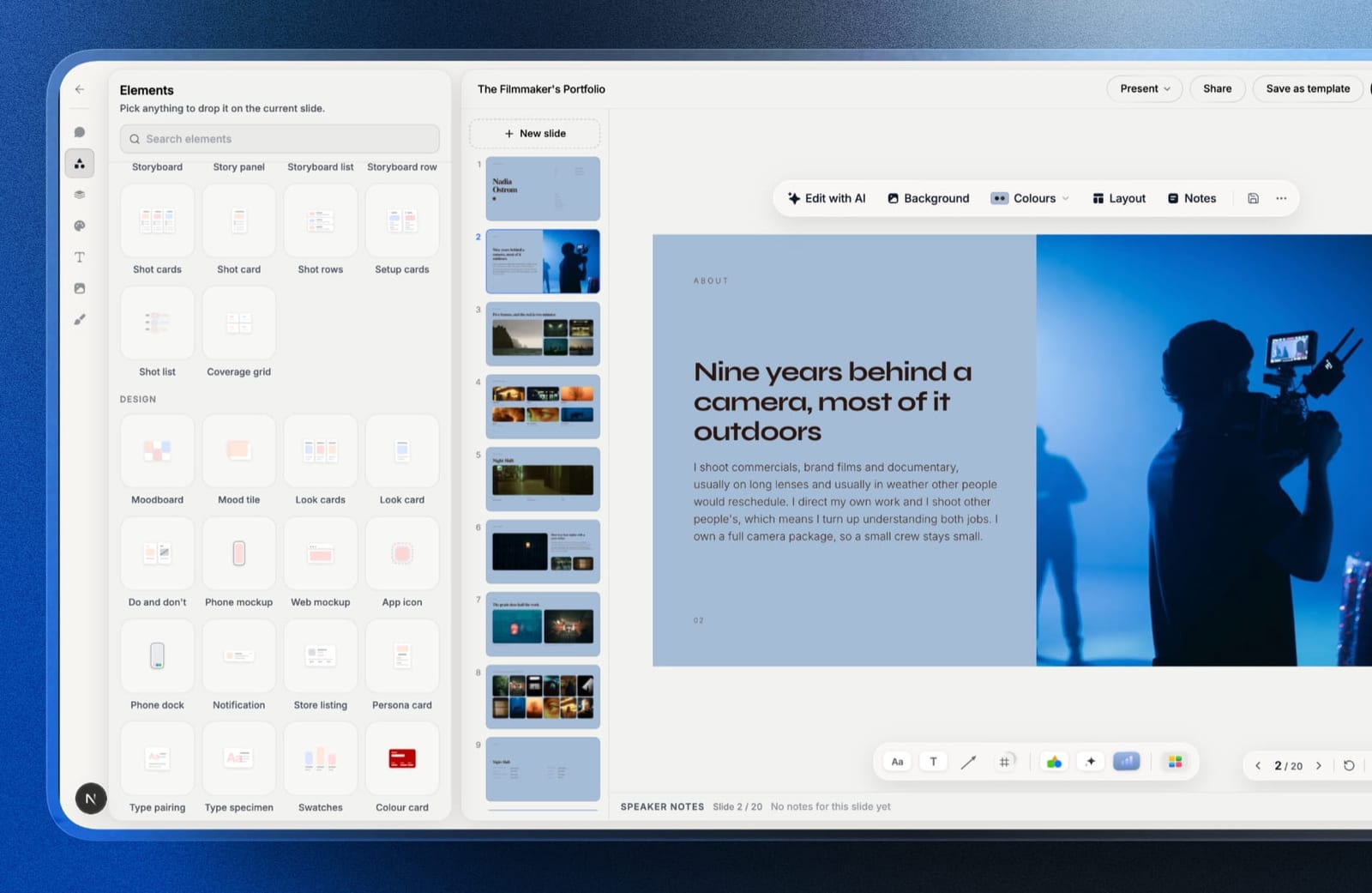
It goes to the client as a link. Publishing a change updates the proposal at the same address, which suits the revise-after-the-call reality of studio work, and a PDF export is there for procurement.
The real numberdecks, the AI writer, the share link and PDF export are free. Starter at $9 a month, or $84 a year billed annually, adds the template library, your own fonts and removes the Framekit byline; that is one fifth of Qwilr Starter's $420, and one seat covers it with no minimum.
The standout detailthe rest of the pitch is already in the same account. The case studies a proposal usually repeats can live on your Framekit portfolio site, and the proposal links to them rather than copying them in.
The gotchait does none of the closing. There is no e-signature, no deposit or payment collection, no interactive pricing a client can toggle, no record of whether they opened it, and no password on the link. Every one of those is Qwilr's actual argument.
Skip it ifthe client must sign and pay inside the document. PandaDoc or Better Proposals, above, do that.
Verdict: the best Qwilr alternative for a creative studio whose proposal wins on design, at a price below every paid tool here, and the wrong one if the document has to close the deal on its own. Pair it with your contract tool.
4. Storydoc: Best-Looking Tracked Web Document
Best forstudios whose objection to Qwilr is the price rather than the format.
Storydoc produces the closest thing here to Qwilr's experience: a responsive web document that reflows properly on a phone, plays video inline, and reports section-level engagement.
Our rebuild was the best-looking of the nine on mobile, which matters because most first opens happen there.
The real numberStarter is $19 a month or $237.60 billed annually, so roughly 57% of Qwilr's Starter price for a comparable document.
The gotchano signature, no payment collection, and no slide or PDF export at any tier. It presents beautifully and does not close, so anything requiring a signature needs a second tool.
Skip it ifmoney changes hands at the end of your document.
Verdict: the right pick when Qwilr's format was the appeal and its close mechanics were not, at a meaningfully lower price.
5. HoneyBook: Best for Creative Studios
Best forphotographers, designers, and studios who want the proposal inside a whole client workflow.
HoneyBook is not a proposal tool, it is a client management system where the proposal is one step. Enquiry, proposal, contract, invoice, payment, and scheduling live together, so a signed proposal produces an invoice without anyone rekeying anything.
The real numberHoneyBook Essentials runs $588 a year, with a Starter tier at $29 a month. That is more than Qwilr Starter on the headline, and it replaces several tools rather than one.
The gotchathe proposal documents themselves are less designed than Qwilr's or Storydoc's. You are buying workflow, not presentation.
Skip it ifyou already have a CRM you like. You would be paying for the parts you will not use.
Verdict: the strongest fit for creative studios by workflow and the weakest by document design, which is the honest trade.
6. Dubsado: Best for Studios With Complex Workflows
Best forstudios whose client process has more branches than a proposal tool can model.
Dubsado's strength is automation depth: multi-step workflows, conditional forms, scheduling, and contracts that fire on triggers rather than on someone remembering. For a studio running several service lines, that is worth more than a prettier proposal.
The real numberDubsado Starter is $35 a month and Premier is $55 a month on monthly billing, with a discounted annual rate published on their site, plus a team add-on for additional users.
The gotchathe setup cost is real. Several reviewers describe the first two weeks as configuration rather than use, and our rebuild took the longest of the ten.
Skip it ifyour process is one proposal, one contract, one invoice.
Verdict: the most capable automation here, aimed at studios with a process rather than at studios with proposals.
7. Canva: Best Design Control
Best forstudios whose proposal is a portfolio piece and whose closing happens elsewhere.
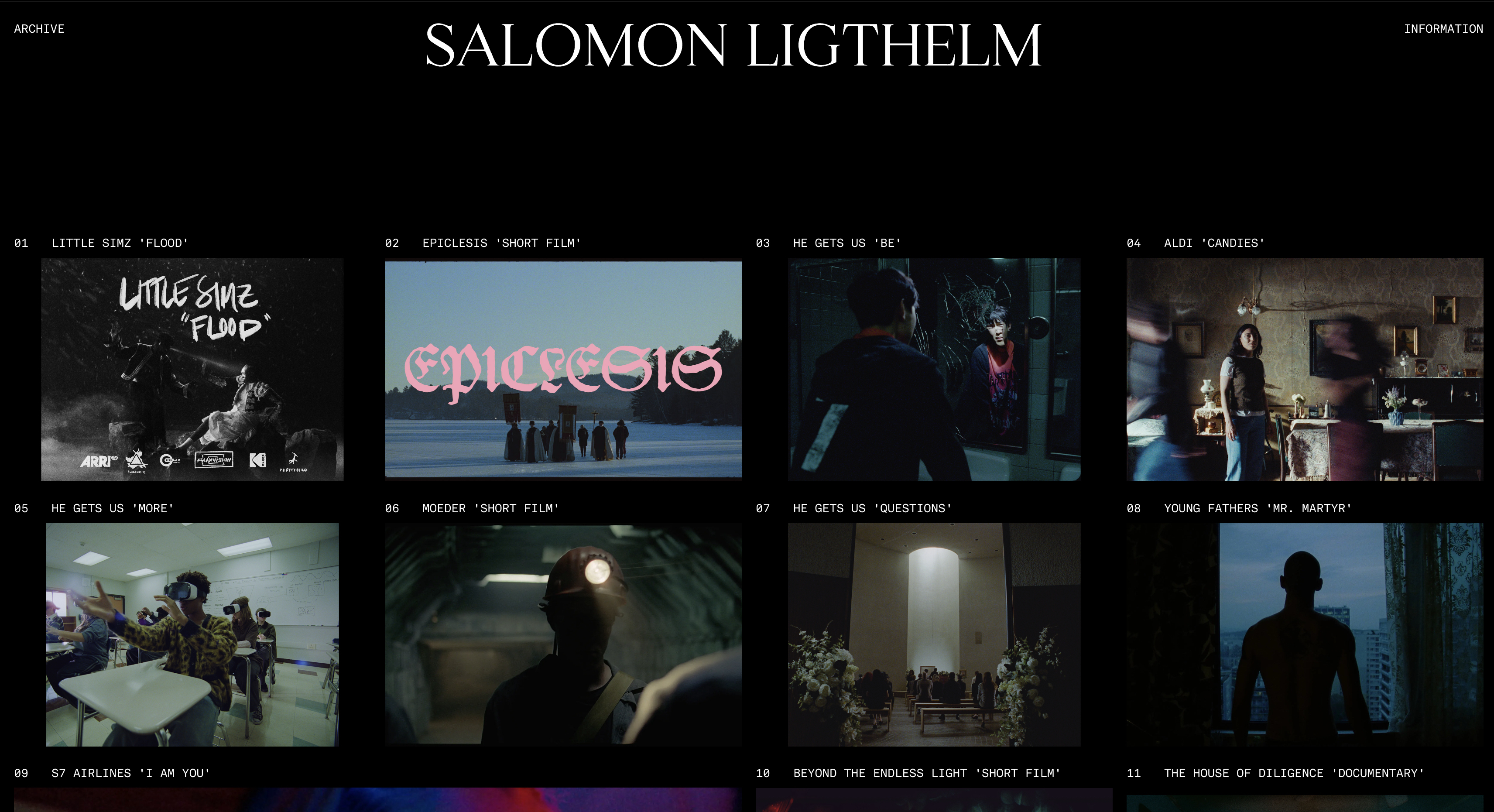
Our Canva rebuild looked more like our own studio than any other version, because it is a design tool rather than a proposal template with a colour picker. It exports cleanly to PDF, shares as a link, and costs less than every dedicated tool here.
The real numberCanva Pro is $144 a year, and the free tier exports without a watermark and handles this job.
The gotchano signature, no payment, no interactive pricing, and view-count analytics only. It makes the document and none of the commerce.
Skip it ifyou want the client to accept and pay in one place.
Verdict: the best-looking proposal at the lowest price, with the entire close left to you.
8. Notion: Best Free Web Proposal
Best forfreelancers sending a handful of proposals who refuse to pay proposal-tool prices.
A published Notion page is a clean, mobile-correct web proposal that costs nothing on a personal account and takes twenty minutes to build from a template you reuse.
The real numberfree for personal use, with Plus at $10 per user a month billed annually.
The gotchano analytics, no signature, no payment, and it looks like Notion, which some clients read as informal.
Skip it ifthe follow-up call depends on knowing what they read.
Verdict: the honest budget answer for low-volume, warm-relationship work.
9. Google Docs: The Zero-Cost Floor
Best foranyone who needs a proposal out today and is not being judged on its design.
Google Docs will produce a perfectly clear proposal, comment-enabled, shareable, and free at any team size. A great deal of professional work has been won on documents exactly this plain.
The gotchanothing else. No tracking, no signing, no payment, no design.
Verdict: free and functional, and visibly the cheapest option on the page.
10. Moxie: Best All-in-One for Solo Freelancers
Best forfreelancers who want proposals, contracts, invoicing, and time tracking on one cheap subscription.
Moxie bundles the whole freelance back office, and its proposal module signs and collects payment like the dedicated tools do. For a solo designer the appeal is that one $10-a-month subscription replaces a proposal tool, a contract tool, and an invoicing tool at once.
The real numberMoxie Starter is about $10 a month, roughly $120 a year, which is the cheapest tool here that both signs and collects payment.
The gotchathe proposal documents are functional rather than designed, closer to PandaDoc than to Qwilr, and the breadth means no single module is best in class.
Skip it ifthe proposal is the pitch.
Verdict: the best value on this page for a solo freelancer who needs the whole workflow rather than the best-looking document.
The Seat Rules That Decide the Price
Qwilr's headline price is not really the problem. The tier structure is, and it is worth seeing what each tool actually gates behind a minimum.
| Tool and tier | Price per user / year | Seat minimum | What the next tier unlocks |
|---|---|---|---|
| Framekit Starter, annual | $84 | None | .pptx export and 300GB on Pro |
| Better Proposals Starter | ~$156 | None | More documents per month |
| PandaDoc Essentials | ~$228 | None, caps at 2 seats | CRM integrations |
| Storydoc Starter | $237.60 | None | Deeper analytics, more docs |
| Qwilr Starter | $420 | None | Custom branding, on Growth |
| Qwilr Growth | $660 | 5 seats, so $3,300 | Automations, identity checks |
| HoneyBook Essentials | $588 | None | More users, deeper automation |
A test worth running before you renew. Open your last ten proposals and count how many sections were identical in all ten.
If it is more than half, the tool is not your cost, the rewriting is, and publishing the boilerplate as pages will save more time than any subscription change.
In one lineQwilr is fairly priced for what it does and structurally priced for teams, so a one or two-person studio is paying a team rate for a single-user workflow.
Which Qwilr Alternative Should You Choose?
The right answer depends on whether the document has to close the deal or only present it, so work down these questions in order and stop at the first yes.
1. Does the client sign and pay inside the document? PandaDoc for the best value, or Better Proposals if you send ten or fewer a month.
2. Is the proposal a designed deck for a creative studio, with signing handled elsewhere? Framekit, free to start or $84 a year for the template library.
3. Was the web-document format the appeal, and do you need to know what they read? Storydoc, at roughly 57% of Qwilr's price.
4. Do you want the proposal inside a whole client workflow? HoneyBook for creatives, Dubsado if your process has real branching.
5. Is the proposal a one-off design piece exported as a PDF? Canva, and handle signing separately.
6. Do you send fewer than five proposals a month? Notion or Google Docs, free.
7. Are more than half your proposal sections identical every time? Publish those as pages and shorten the document.
Frequently Asked Questions
How much does Qwilr cost?
Qwilr Starter is $35 per user per month billed annually, which is $420 a year, or $49 billed monthly. The Growth plan is $55 per user per year with a five-seat minimum, making its real entry cost $3,300 a year, and Scale carries a ten-seat minimum.
What is the cheapest Qwilr alternative?
Google Docs and Notion are free and will send a clear proposal without analytics, signatures, or payments. Among tools that actually close, Better Proposals is the cheapest at about $13 per user a month, roughly $156 a year, with a ten-document monthly cap on its entry plan.
Which proposal tools let clients sign and pay in the document?
PandaDoc, Better Proposals, HoneyBook, Dubsado, and Qwilr itself all support signature and payment collection inside the proposal. Storydoc, Canva, Notion, and Google Docs present the document well and leave the signing and payment to a separate tool.
Is PandaDoc better than Qwilr?
PandaDoc is better than Qwilr on price and on contract mechanics, at roughly $228 per user a year against $420, with conditional content and audit trails Qwilr does not match.
Qwilr is better on presentation, producing a more designed web document, which matters when the proposal is part of a creative pitch.
Does Qwilr have a free plan?
Qwilr has no free plan, only a trial. Canva, Notion, and Google Docs all have free tiers capable of producing a professional proposal, though none of them collect signatures or payments.
What is the best proposal tool for a creative studio?
HoneyBook suits creative studios that want the proposal inside a full client workflow with contracts, invoices, and scheduling, at $588 a year for Essentials.
Studios who want the proposal to look like their own work are better served by a design-led deck: Framekit Slides has client proposal templates and shares the deck as a link that updates in place from $84 a year, and Canva suits a one-off PDF, with signature handled separately in both cases.
Framekit vs Qwilr: which is better for a creative studio?
Qwilr is better when the proposal has to close the deal on its own, because the client can toggle pricing options, sign and pay a deposit inside the document, and you see what they read.
Framekit is better when the proposal is judged as creative work and the contract is signed elsewhere, because its Slides proposal templates carry your own fonts and design, the deck shares as a link that updates in place, and it costs $0 to $84 a year against Qwilr Starter's $420 per seat.
Do proposal tools tell you when a client opens the document?
Qwilr, PandaDoc, Better Proposals, Storydoc, HoneyBook, and Dubsado all report opens and section-level engagement. Canva reports view counts only, and Notion and Google Docs report nothing per recipient, which is the main thing you give up by using a free tool.
Should a proposal be a web page or a PDF?
A proposal works better as a web page when it contains video, needs to reflow on a phone, or may be revised after sending, and better as a PDF when the client's procurement process requires a filed document.
Sending a link as the live version with a PDF attached for their records covers both.
How do you reduce the time spent writing proposals?
Publish the sections that are identical in every proposal, meaning your process, case studies, team, and terms, as pages you link to, so each document only contains the part that is genuinely about this client. Most studios find more than half of a proposal is repeated content.
Is Better Proposals good enough to replace Qwilr?
Better Proposals covers roughly eighty percent of Qwilr's capability, including signatures, payments, and tracking, at about a third of the price. The main constraint is the ten-document monthly cap on its entry plan, which matters if you send proposals at volume.
Final Verdict
PandaDoc is the Qwilr alternative most studios should move to, because it matches the close mechanics at roughly half the price and imposes no seat minimum between you and the features you will eventually want.
Better Proposals is the better answer below ten proposals a month.
For a creative studio whose proposal is a designed deck and whose contract is signed elsewhere, Framekit is the third pick, at $0 to $84 a year, and Storydoc is the right call if you liked Qwilr's document and need to know what the client read.
The structural point is that Qwilr's Growth plan is where custom branding lives and where the five-seat minimum bites, which turns a $660 upgrade into a $3,300 one. Check that before building a workflow on the Starter tier.
Where Framekit losesFramekit is not a closing tool.
It has no e-signature, no payment or deposit collection, no interactive pricing, no open or section analytics and no password on a proposal link, so a studio that needs the client to accept and pay inside the document is a better fit for PandaDoc, Better Proposals or Qwilr itself.
If you do one thing, count the repeated sections in your last ten proposals. That number decides more than the subscription does.
Related reading: our comparisons of the best client proposal software, the best contract and proposal tools for creatives, and the best HoneyBook alternatives.
Every figure here comes from the vendor's own published pricing as read in August 2026. Seat minimums in this category are listed separately from headline rates, so check the tier you intend to grow into rather than the one you start on.