Framekit templates
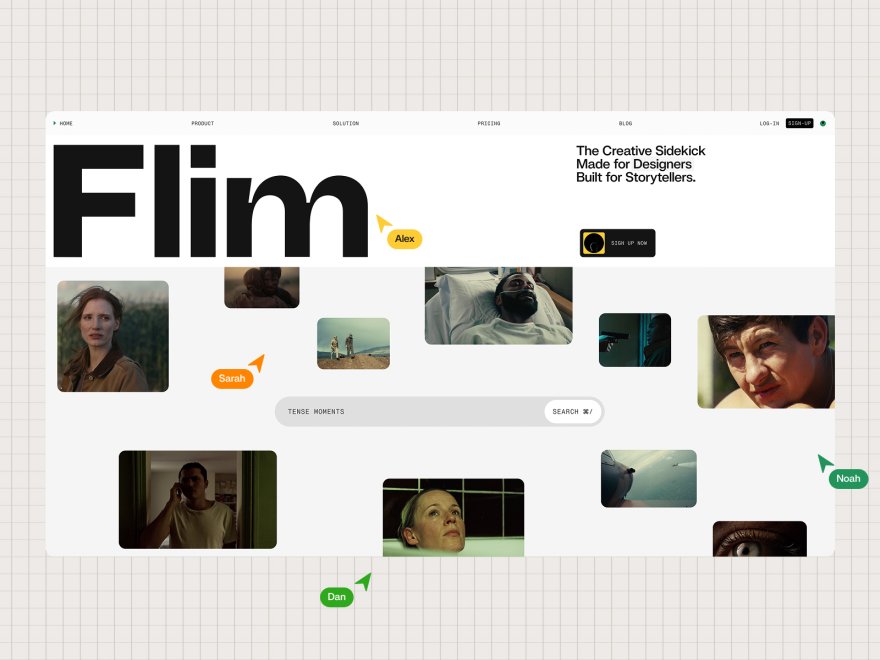
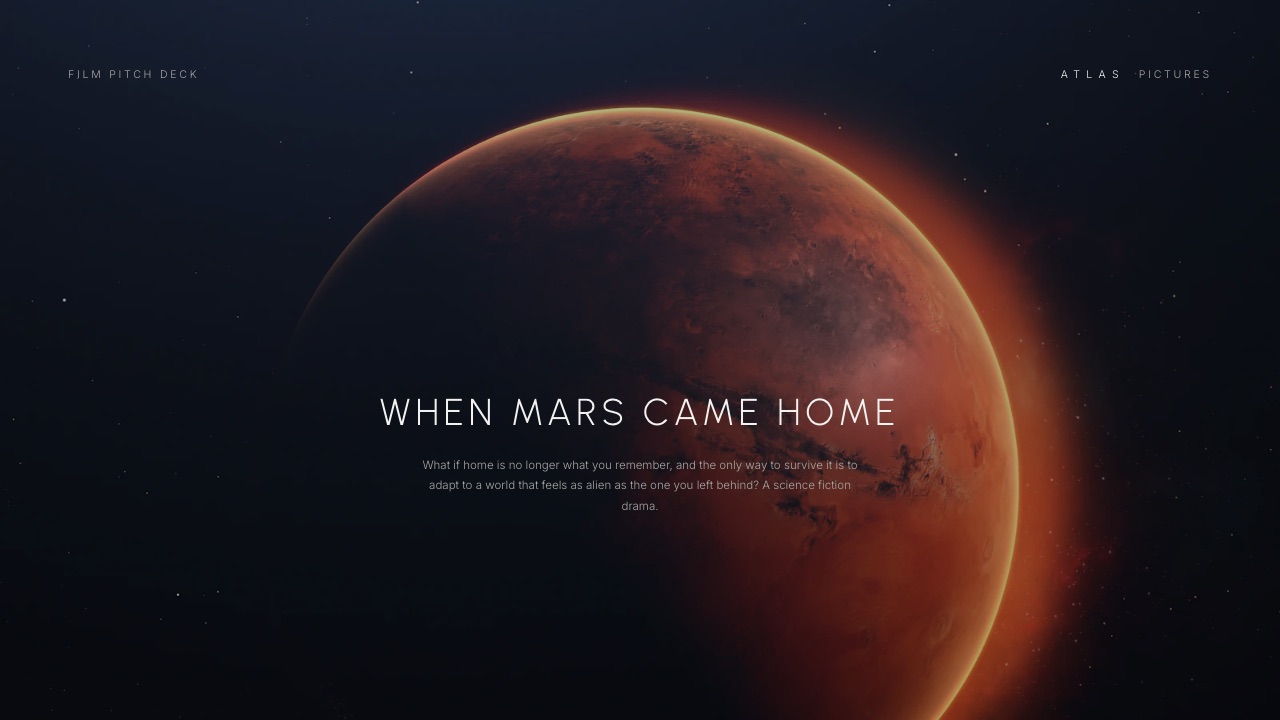
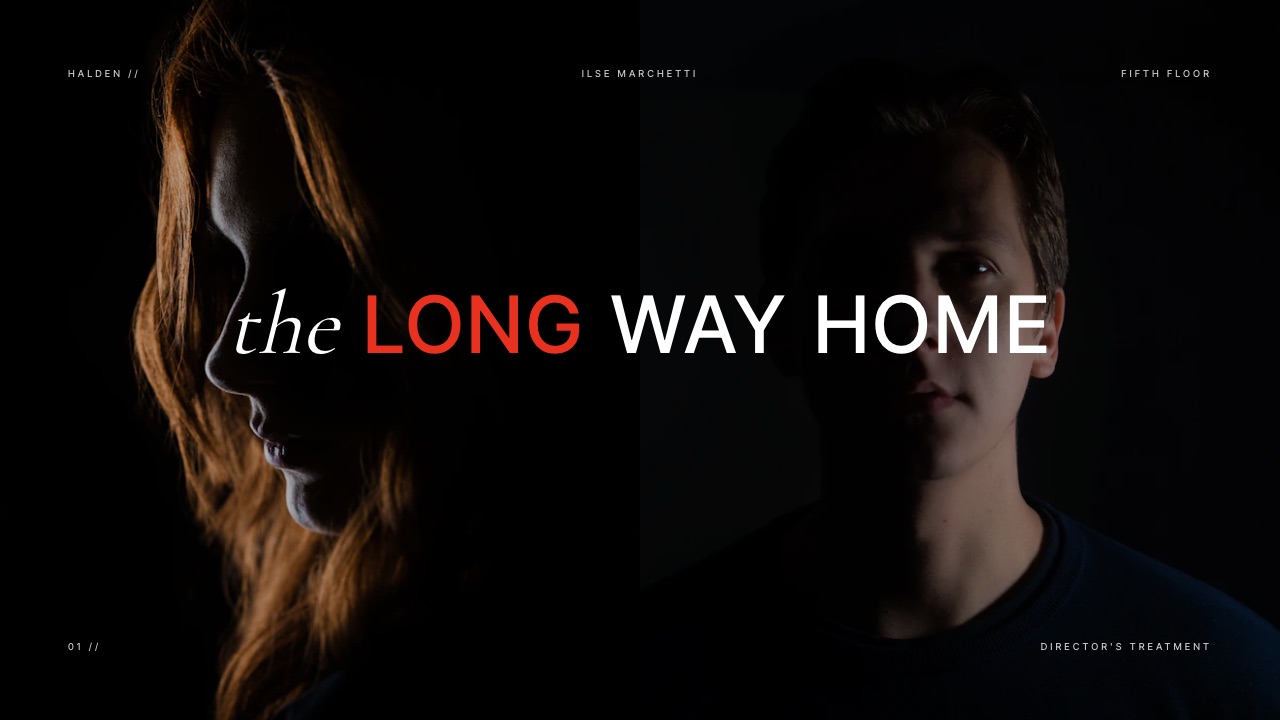
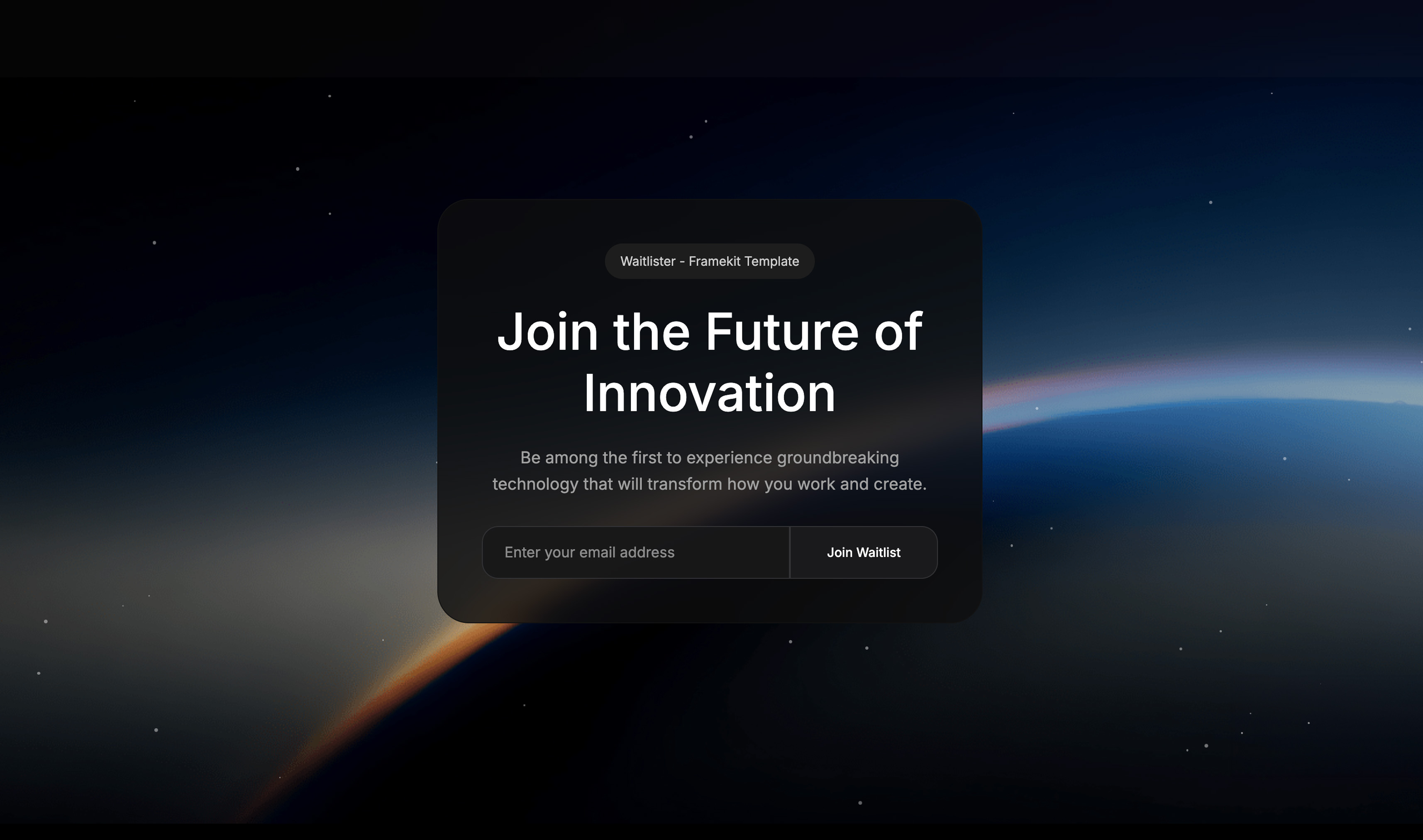
Start from a designer-made template
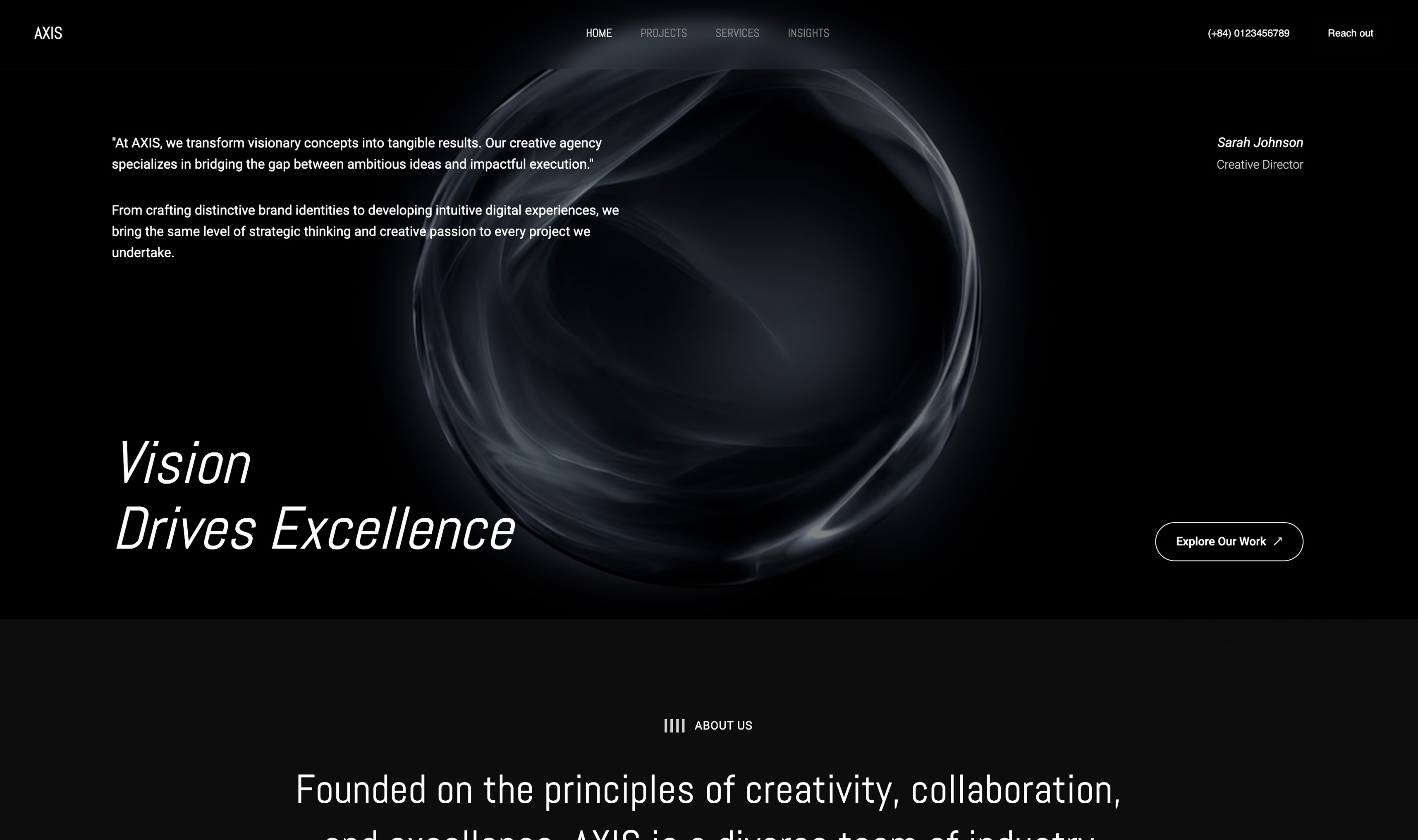 Use template
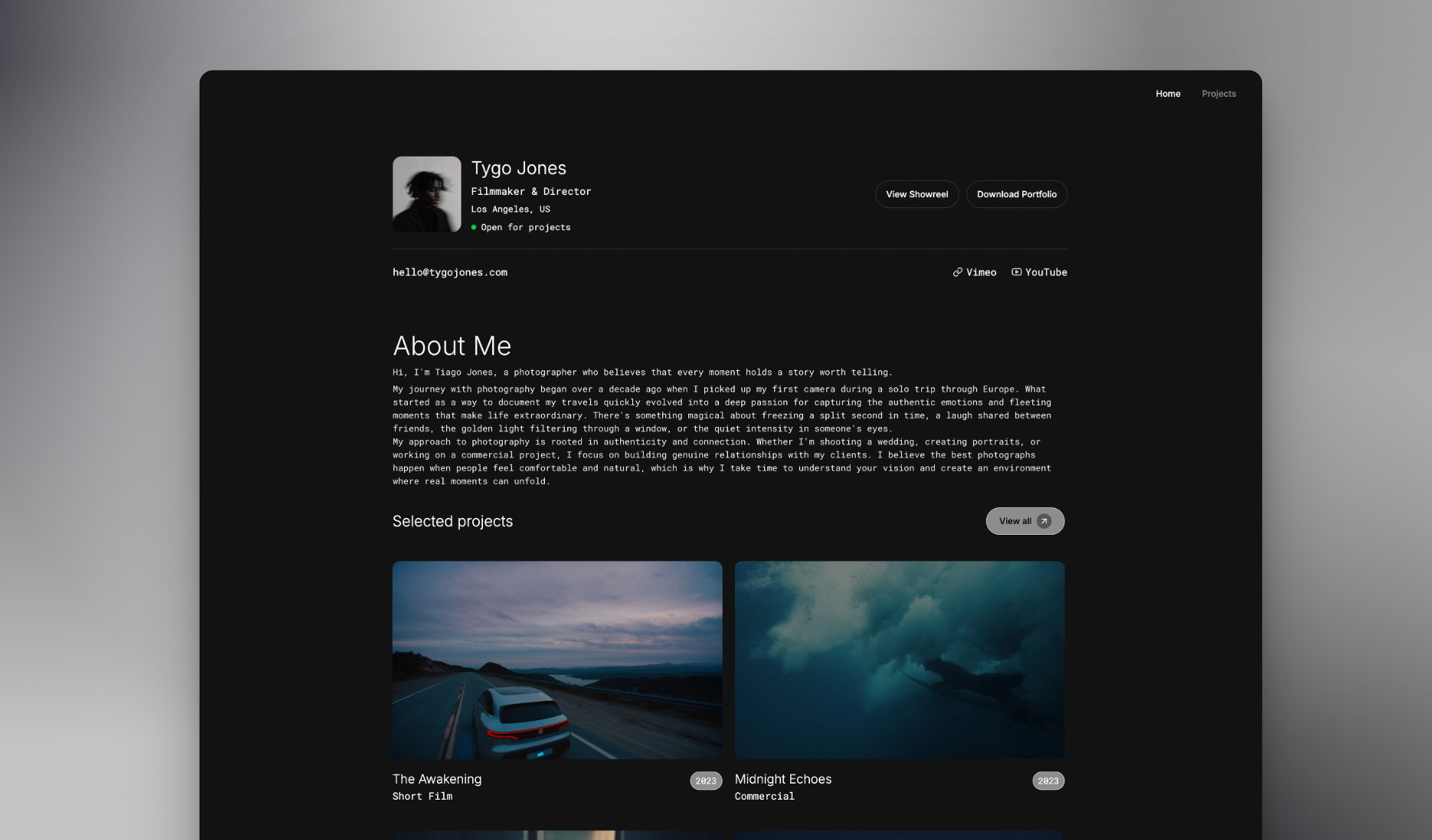 Use template
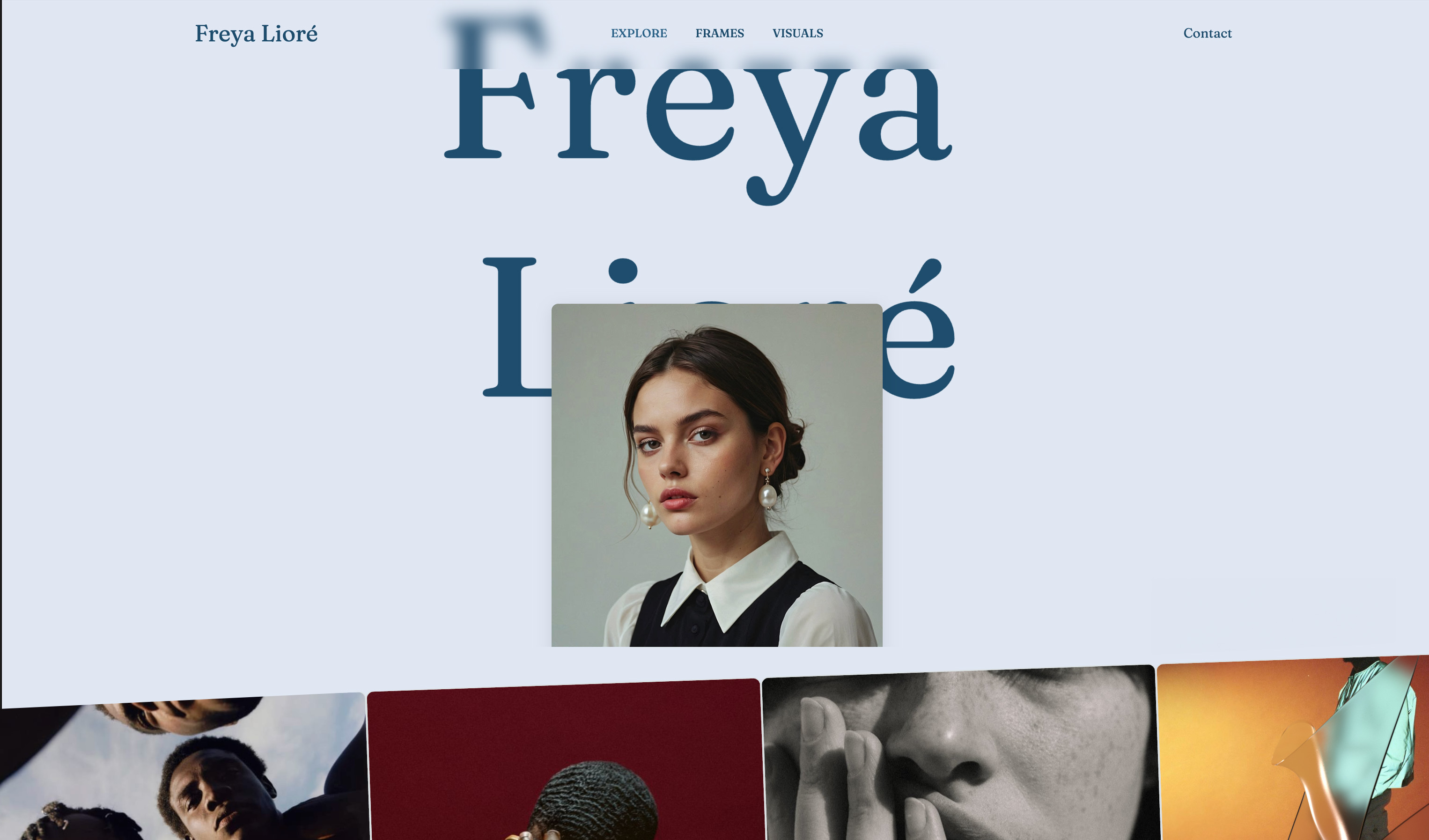 Use template
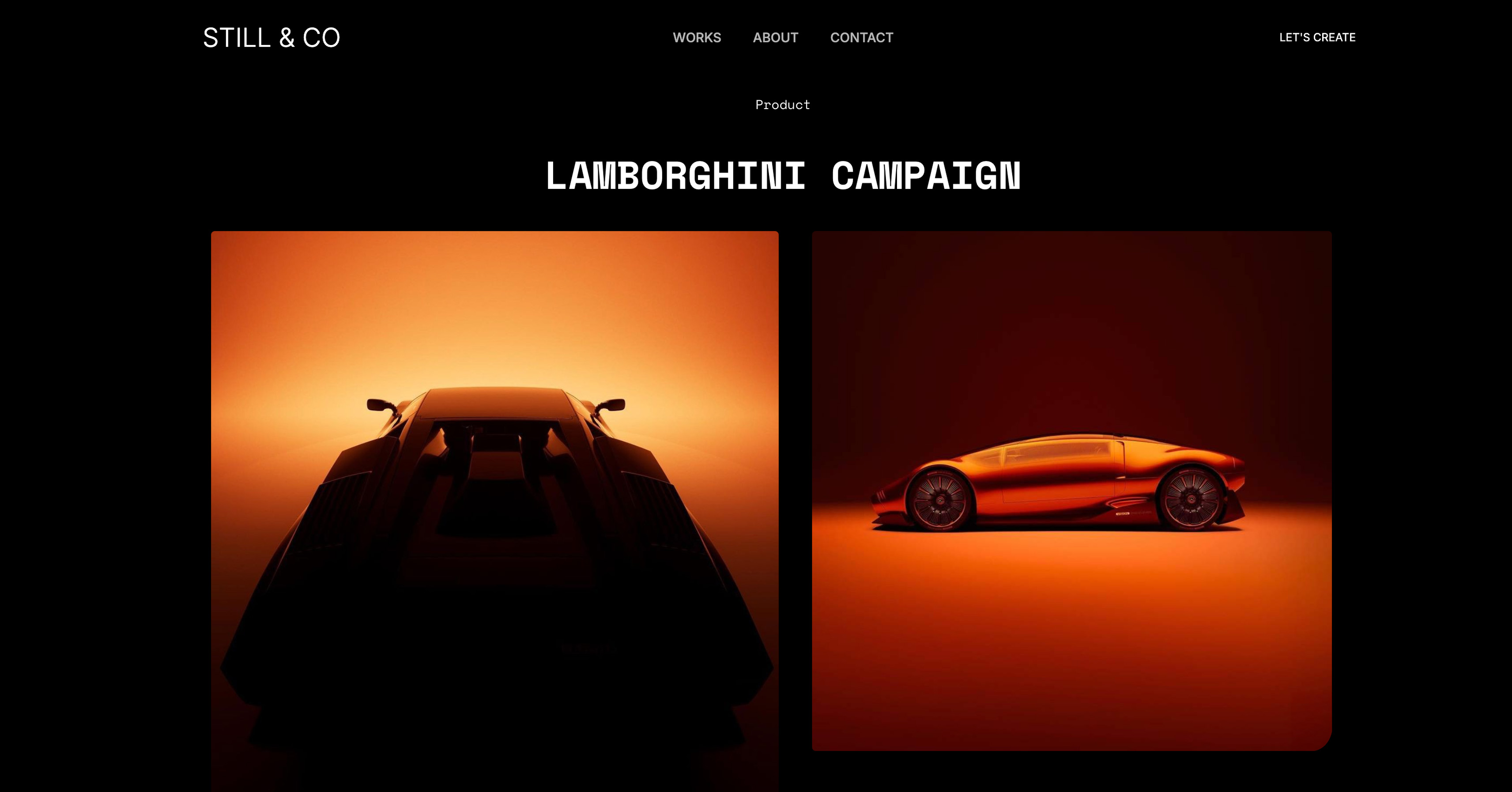 Use template
 Use template
 Use template
 Use template
 Use template
"I built a website and nothing happened." It is one of the most repeated sentences among creatives online, and it usually comes with a quiet sense of having been promised something. You did the thing everyone said to do. You made the site. The inquiries did not come.
Here is the reframe that fixes it. A website is not a lead generator that works the moment it exists. Most creatives build a website the way they would print a business card: a static object that proves you exist.
A business card is passive. It sits in a drawer. A website that gets clients is not passive at all. It is a path, deliberately built to get found, earn trust, and make the next step obvious.
The reason your site is quiet is almost never the quality of your work. It is that the site was built to exist, not to convert.
This guide is the fix, step by step.
It covers how to get clients from your website: how to be found, how to turn a gallery into a path, how to make the next step impossible to miss, and how to build trust fast enough that a stranger will message you.
None of it requires more talent. It requires a few deliberate changes.
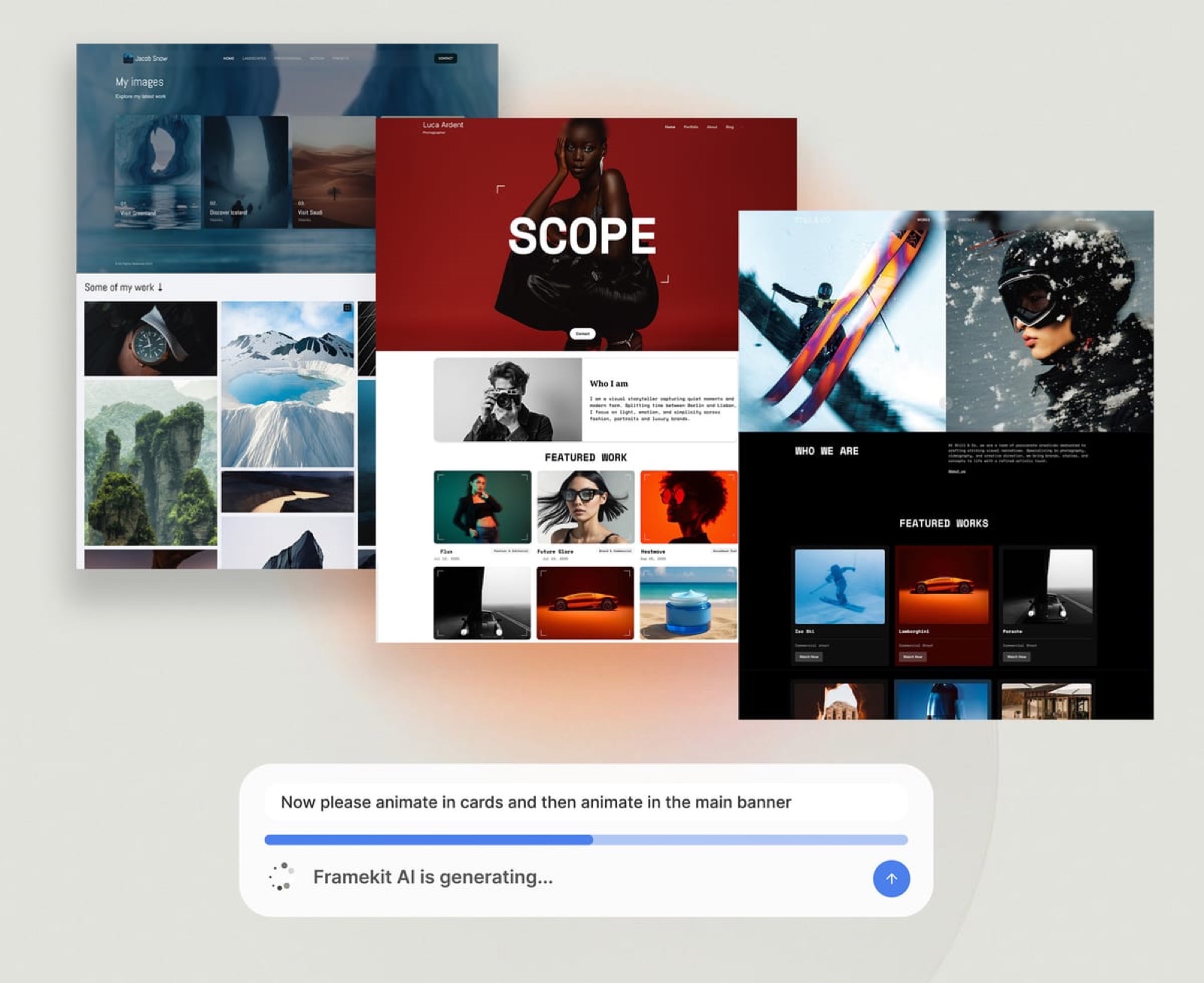
Framekit is an AI website builder that generates the structure described below, so the enquiry route, the services page, and the project captions arrive already built rather than sitting on a list of things to add later.
To get clients from your website, not just visits, make it instantly clear what you do and who for, get found by people already searching, turn the homepage into a guided path with one obvious next step, and build trust fast with real proof.
Traffic without those is just a number on a chart. Conversion is the goal.
A website that gets clients is one built to convert, not just to be online. Most creatives make a website as a digital business card and then wonder why it is silent.
The difference is structural: a client-getting website is found by the right people, it makes a stranger trust you within a minute, and it gives that person one obvious way to start. This guide walks through building each of those.
Why Your Website Gets Visits but Not Clients
A quiet website usually fails at one of three points, and knowing which one saves you from fixing the wrong thing. It is not found, so the right people never arrive. Or it is found but unclear, so visitors arrive, feel lost, and leave.
Or it is found and clear but gives the visitor nowhere obvious to go, so interest fades with no action attached to it. Every step below targets one of those three failure points.
If you have ever decided you needed a website at all, our guide on whether your creative business needs one covers the why. This guide is the how.
What the Numbers Should Look Like
In one linethe reason most creative sites feel quiet is arithmetic rather than design, and until you know your own three numbers you cannot tell whether the site is broken or simply under-visited.
Three numbers decide whether a website produces clients, and almost nobody writing about this publishes what they should be.
Visitors. A new portfolio with no search presence and no promotion typically sees tens of visits a month, most of them people who already know you.
A site getting 30 visits a month is not underperforming, it is under-visited, and every design change you make will be invisible against that. Fix traffic before you rewrite headlines.
Enquiry rate. A well-built creative site converts a low single-digit percentage of visitors into an enquiry.
That means a site with 200 monthly visitors and a clear contact route produces a handful of enquiries a month, not dozens. If you are getting 500 visits and zero enquiries, the problem is the page.
If you are getting 40 visits and zero enquiries, the problem is that 40 people is not a sample.
Close rate. Creatives who quote well convert a meaningful share of qualified enquiries into paid work, and the biggest single lever on that is not your portfolio, it is how fast you reply. More on that below.
Run it on your own site this week. Find your monthly visitors, count the enquiries you received in the last 90 days, and divide. If you cannot find your visitor count, that is the first thing to fix, because everything else in this guide is guesswork without it.
The uncomfortable implication. If your site gets 40 visits a month, no amount of redesigning will produce clients, and the honest advice is to spend the next month on step six rather than steps one to five. Most creatives do the opposite.
1. Make It Instantly Clear What You Do and Who For
A visitor decides whether to stay within about five seconds, and a vague homepage spends those five seconds on a mood instead of a message.
If a stranger cannot tell what you do, who you do it for, and roughly where, they leave, and a visitor who leaves is not a client. Put a plain, specific line near the top of the homepage: the service, the audience, the place.
"Wedding photography for couples across the Pacific Northwest" beats a one-word studio name over a slideshow every time. Specific is not limiting.
It is the thing that makes the right visitor feel they have landed in exactly the right place.
2. Get Found by People Who Are Already Looking
A website nobody can find produces no clients, and most quiet websites are quiet because they are invisible on Google. The people most likely to hire you are the ones typing your service and their city into search right now.
Getting found by them is basic, learnable SEO: a clear title and description on every page, headings that use the words clients actually search, quick loading, and a site that works properly on a phone.
A builder that handles the technical side, with server-side rendering, automatic sitemaps, and per-page SEO controls, removes most of the work.
Framekit builds those in, so being found becomes mostly about writing clearly rather than configuring anything.
3. Turn the Homepage Into a Path, Not a Gallery
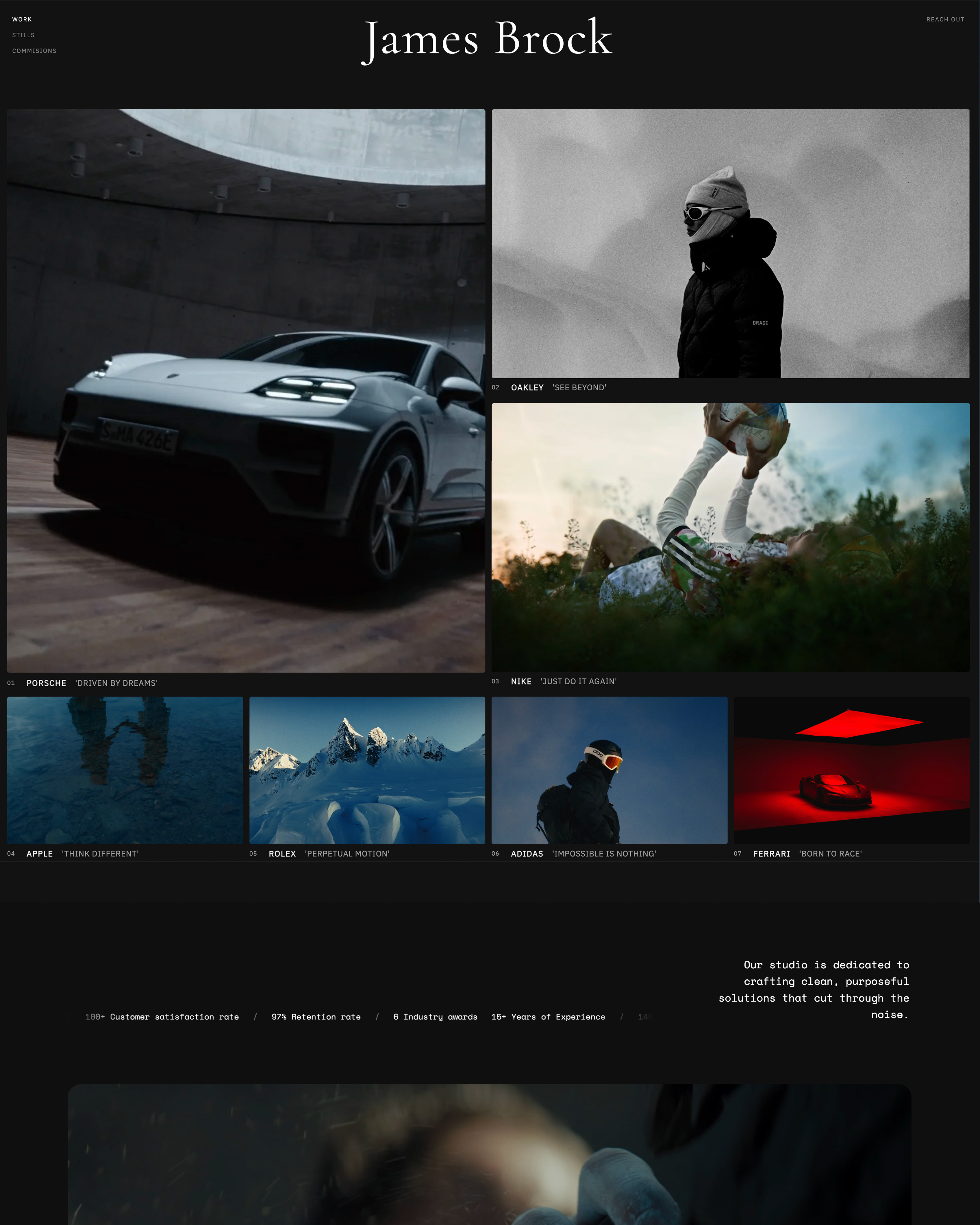
Most creative homepages are a gallery and nothing else: beautiful work, then a dead end. A gallery shows. It does not guide. A client-getting homepage is a path.
It opens with the clear line from step one, shows a tight selection of your strongest work, answers the obvious questions a buyer has (what you offer, roughly what it costs, what working with you is like), and ends with one clear action.
The visitor should never reach a point where they like your work but have no idea what to do next. Design the scroll deliberately, as a journey from curious to ready.
4. Make the Next Step Impossible to Miss
A client-getting website has one obvious next step, repeated.
Decide what that step is, an inquiry form, a consultation booking, a quote request, and then make it unmissable: in the navigation, after the work, on the about page, and at the foot of every page. Use plain, active words for it.
"Check your date" or "Start your project" pulls harder than a quiet "Contact" in a corner.
The single most common reason a website gets visits but not clients is simple: the visitor was genuinely interested, and then could not easily see how to act on it.
5. Build Trust Fast, Because Strangers Do Not Hire on Hope
A visitor who likes your work still has to trust you before they will message.
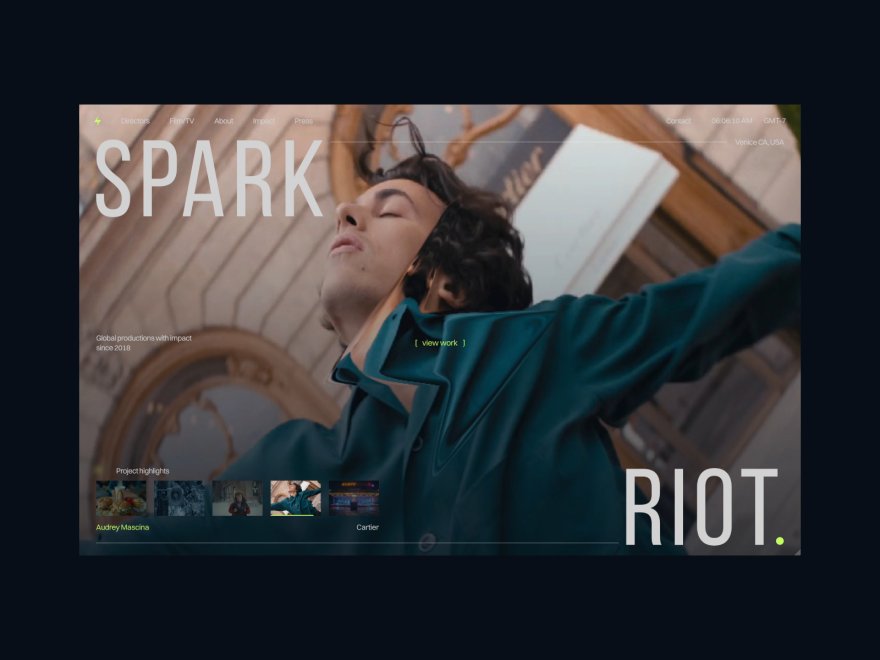
Trust is built with proof, and proof is concrete: real testimonials with names attached, recognizable client or publication names if you have them, a clear and genuinely human about page, honest pricing signals, and a few words on your process so working with you feels predictable.
A site that shows only polished images asks the visitor to take a leap of faith. A site that also shows results and reassurance lets them take a small, safe step instead. People do not hire talent they cannot verify. They hire trust.
6. Send the Right Traffic to It
A website does not generate its own audience. It converts the audience you point at it.
Once steps one to five are solid, drive traffic on purpose: link the site everywhere your name appears, in your social bios, your email signature, your directory profiles.
Move your existing social audience toward it deliberately, and ask past clients for referrals straight to it. The mistake is treating the website as the marketing. It is not.
It is the place your marketing leads, and the place that turns scattered attention into real inquiries.
If your audience currently lives on Instagram, our guide on moving from Instagram to your own website covers the handover.
Reply Speed Beats Almost Everything Else on This Page
In one linehow fast you answer an enquiry has a larger measured effect on whether it becomes work than anything about the website that produced it.
This is the most under-used advantage available to a solo creative, because you can act on it today and your competitors mostly do not.
Harvard Business Review audited 2,241 US companies and found an average first response time of 42 hours, with only 37% replying within an hour, in The Short Life of Online Sales Leads.
Firms that made contact within an hour were around seven times more likely to qualify the lead than those that waited longer.
The more dramatic figure people quote, that responding within five minutes makes you far likelier to connect, comes from a separate 2007 MIT and InsideSales study rather than from HBR, and it is worth attributing correctly because the two get conflated constantly.
What that means for a freelancer is unglamorous and specific. An enquiry that arrives at 9pm and gets answered at 9am the next day is still inside the useful window. The same enquiry answered on Thursday is competing against whoever replied on Tuesday.
What to do about it:
- Put enquiry notifications on your phone, not only in an inbox you check twice a day.
- Write a two-line holding reply you can send in thirty seconds: you have it, when you will respond properly, and one question that moves it forward.
- Ask that one question immediately, because a reply that asks something is a conversation and a reply that says thanks is a dead end.
- Check that your contact form actually delivers. Send yourself one today, from a phone, on mobile data. A meaningful share of the quiet sites we look at have a form that silently fails.
The Copy to Actually Write
In one linethree specific sentences do most of the conversion work on a creative site, and most sites are missing all three.
Advice about clarity is easy to agree with and hard to act on, so here are the artefacts rather than the principles.
The homepage line. One sentence naming what you make and who for, in the words a client would use rather than the words your industry uses. "Brand photography for independent skincare and wellness brands" works.
"Visual storyteller" does not, because nobody searches it and nobody briefs it. If a stranger cannot repeat what you do after four seconds, the line is wrong.
The services paragraph. Three to five sentences saying what a project involves, how long it takes, and what it starts at.
A starting price filters out the people who were never going to pay and reassures the ones who were, and both outcomes save you time. If you genuinely cannot publish a number, publish a range and a reason.
The enquiry prompt. Replace "Get in touch" with the actual next step: "Tell me about your project and I will reply within one working day with availability and a starting price." That sentence sets a scope, a timeframe, and an expectation, and it converts better than a button labelled Contact because it tells the visitor what happens after they click.
The about page opening. Not your CV. One sentence on who you help and what changes for them, then the credentials. A stranger reads the about page to check you are real and worth the risk, not to learn where you studied.
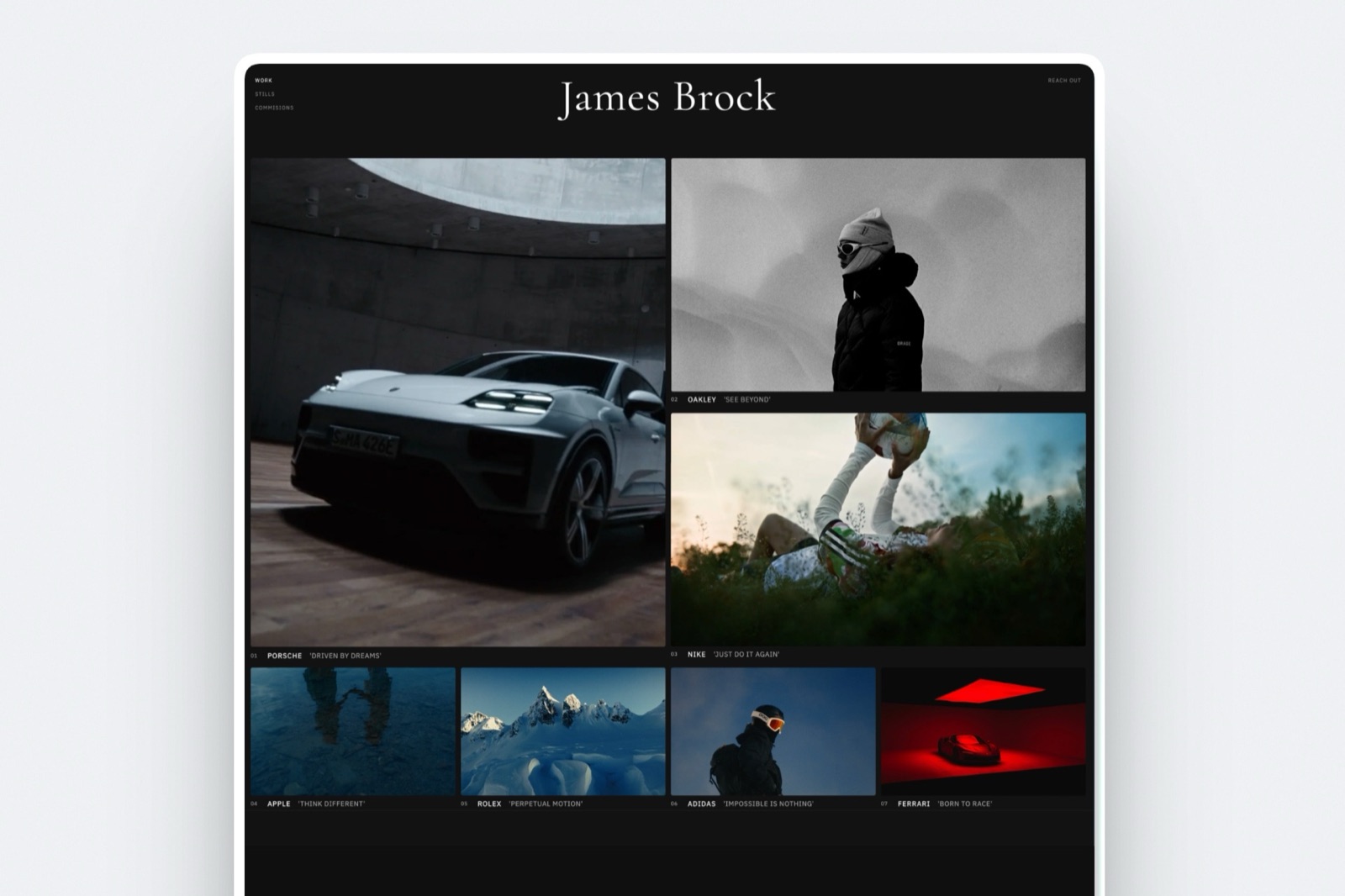
Project captions. Every piece of work gets one line naming the client, the problem, and your role. A gallery of beautiful images with no captions asks the visitor to guess whether you have done their kind of job, and most will not bother.
Diagnose Your Own Website
If you are not sure which step your site is failing on, match the symptom to the problem.
| What you see | The likely problem | Where to fix it |
|---|---|---|
| Almost no visitors at all | The site is not findable on Google | Step 2 |
| Visitors but no inquiries | The path or the call to action is unclear | Steps 3 and 4 |
| Inquiries, but the wrong-fit ones | The homepage does not say who it is for | Step 1 |
| Interest but no one commits | There is no proof, the about page is vague | Step 5 |
| A solid site that is simply quiet | Nothing is sending traffic to it | Step 6 |
Common Reasons a Good-Looking Website Still Does Not Convert
Sometimes the site looks fine and still does not work. The usual hidden reasons: it loads slowly on a phone, so impatient visitors leave before the work even appears.
It buries the contact details, so interested people give up looking for them. It shows too much work, so a visitor never reaches the strongest pieces.
Or it is honestly just out of date, and a copyright line reading 2023 quietly tells every visitor you may not be active anymore.
We cover these in depth in our guide to the portfolio mistakes that cost creatives clients.
Frequently Asked Questions
Why does my website get visits but no clients?
A website gets visits but no clients when it is built to be seen rather than built to convert.
The usual causes are a homepage that does not clearly say what you do, no obvious next step for an interested visitor, or not enough proof to make a stranger trust you. Visits measure attention.
Clients come from giving that attention a clear, trusted path to act on.
How long does it take for a website to start getting clients?
Direct traffic, from your social bio, email signature, and referrals, can produce inquiries within days of the site being clear and well structured.
Search traffic is slower and usually builds over a few months as Google indexes and ranks the pages. The fastest results come from fixing clarity and the call to action first, then letting search traffic compound on top.
Do I need to pay for ads to get clients from my website?
No. Most creatives get clients from a website without paid ads, through search traffic, social profiles that link to the site, email, and referrals. Ads can accelerate things, but they cannot fix a site that does not convert.
Spend the effort on clarity, trust, and the call to action first. Paid traffic sent to a weak site just loses money faster.
How do I get found on Google as a creative?
Give every page a clear title and description, use headings with the words clients actually search, including your location, keep the site fast and mobile-friendly, and publish a little useful content over time.
A builder with built-in SEO features handles the technical groundwork. After that, getting found is mostly about writing pages that plainly match what your future clients type into search.
What is the most important page for getting clients?
The homepage does the most work, because it has to communicate what you do, show proof, and point to the next step within seconds. The contact or inquiry page is a close second, since that is where interest becomes a client.
A strong about page supports both by building the trust that turns a hesitant visitor into someone willing to reach out.
Can a portfolio website really replace Instagram for getting clients?
A website does a different job than Instagram. Instagram is good for reach and discovery. A website is where that discovery converts, because you own it, it ranks on Google, and you control the path to an inquiry.
The strongest setup uses both, with the website as the place your social audience lands and becomes clients.
My website looks good but is still quiet. What am I missing?
A good-looking website that is quiet is usually failing at one of two things: it is not being found, or it is not being pointed at.
Check whether it appears on Google for your service and city, and check whether anything is actually sending visitors to it. A beautiful site with no traffic and no clear next step will stay quiet no matter how polished the design is.
How many visitors does a website need before it produces clients?
Enough that a low single-digit conversion rate produces a number greater than zero, which in practice means hundreds of visits a month rather than tens.
A site getting 40 visits a month and no enquiries is not broken, it is under-visited, and redesigning it will change nothing measurable.
Find your monthly visitor count first, because whether your problem is the page or the traffic is the single most useful thing to know and most creatives never check.
How fast should I reply to a website enquiry?
Within an hour if you can, and the same working day at the latest.
Harvard Business Review's audit of 2,241 companies found an average first response of 42 hours, with only 37% replying within an hour, and that firms responding inside an hour were around seven times more likely to qualify the lead.
For a solo creative that is an unusually cheap advantage: a two-line holding reply sent from your phone beats a considered response written three days later.
Should I put prices on my creative website?
Publish a starting figure or a range, even if you cannot publish a price list. A blank enquiry form filters nobody, so you spend unpaid hours discovering that a prospect had a tenth of your budget.
One line saying what a typical project starts at removes those conversations before they begin and reassures the clients who can afford you, and both effects save time. If your pricing genuinely varies, say what it depends on.
What is the most common reason a good-looking site gets no enquiries?
A contact route that does not work or does not exist in the visitor's line of sight.
In that order: forms that silently fail and were never tested, email addresses on domains the owner no longer controls, and contact links that appear only in a footer nobody scrolls to. Test your own form from a phone on mobile data today.
It takes two minutes and it is the highest-yield check on this page.
The Bottom Line
Getting clients from your website is not about a redesign or about producing more work. It is about converting: making the site findable, instantly clear, easy to act on, and trustworthy fast.
Most quiet creative websites fail on two or three of those points, and each one is fixable in an afternoon. Diagnose which step yours is failing, fix that one first, then point real traffic at it.
A website that gets clients is not a prettier business card. It is a path, and you can build the path.
For tools to build it on, see our roundup of the best website builders for creative professionals.
_Re-verified July 2026: the response-time research is cited to its original sources, and the benchmark ranges reflect what a creative site realistically produces._
For the search half of that specifically, our guide to how to SEO a photography website sets out the pages to build and a realistic 90-day order to build them in.
Increasingly the first place a client asks is an assistant rather than a search box, and how to get your website cited by AI explains what decides whether your site is quoted.