Framekit templates
Start from a designer-made template
 Use template
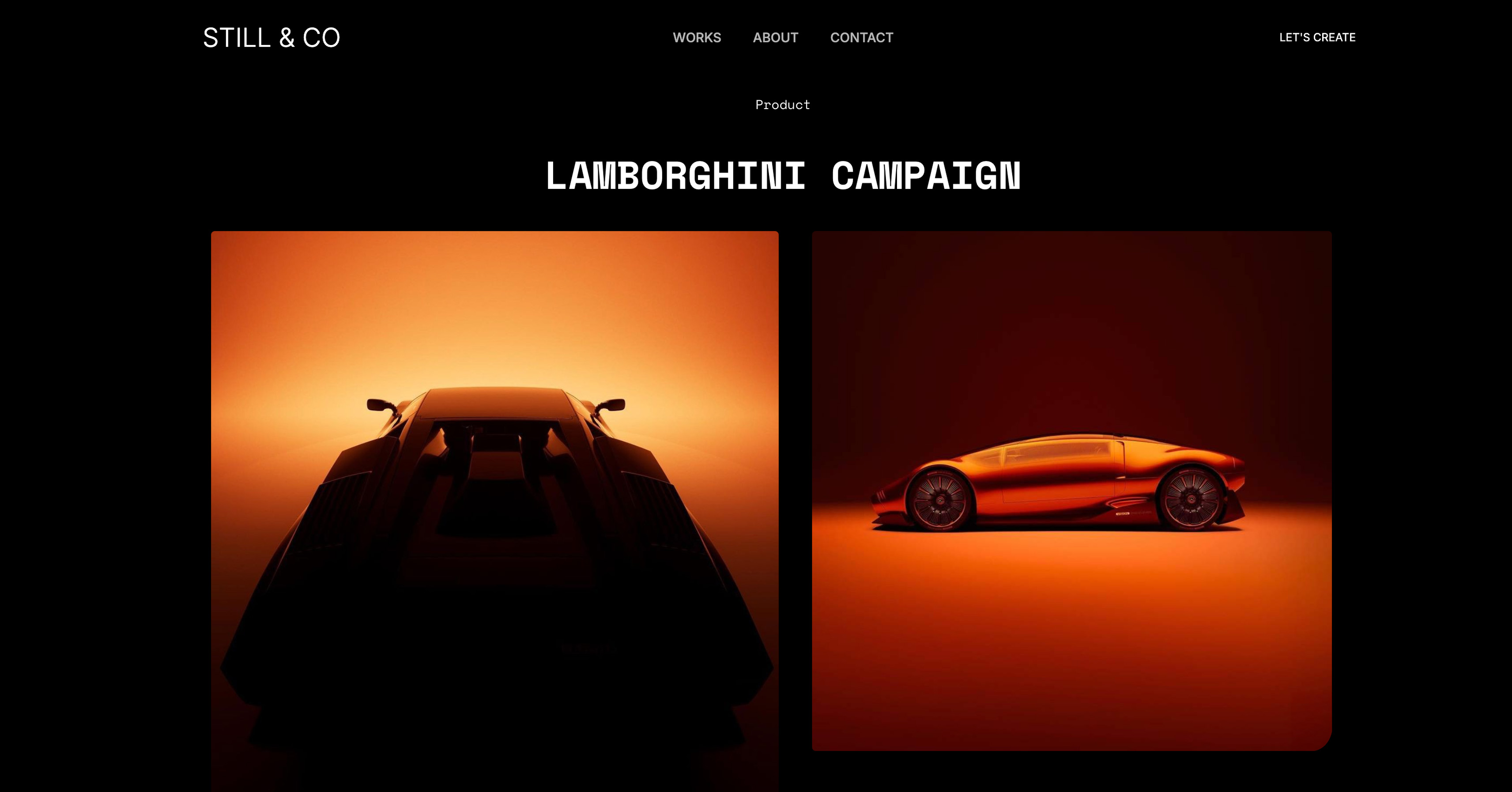 Use template
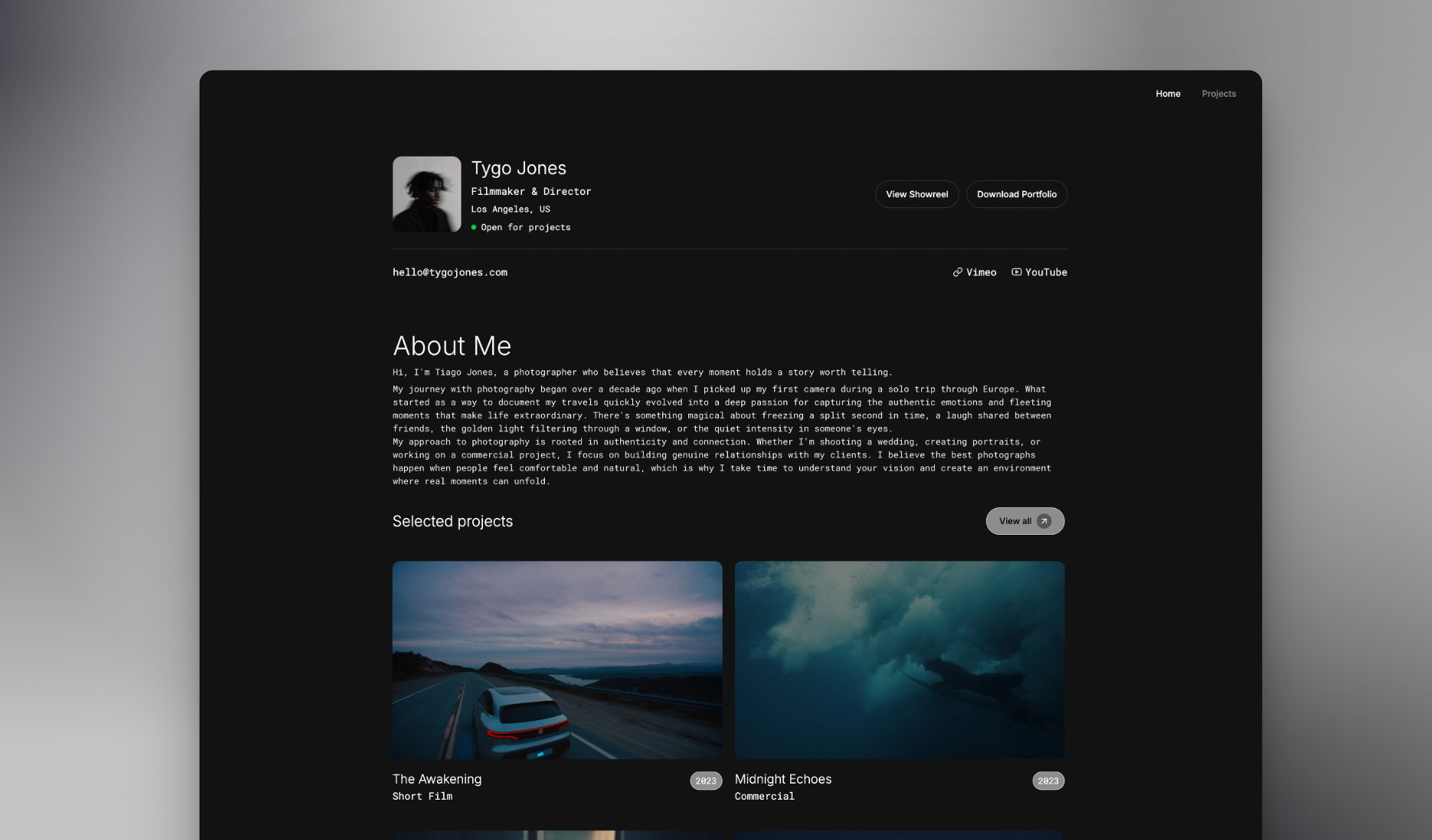 Use template
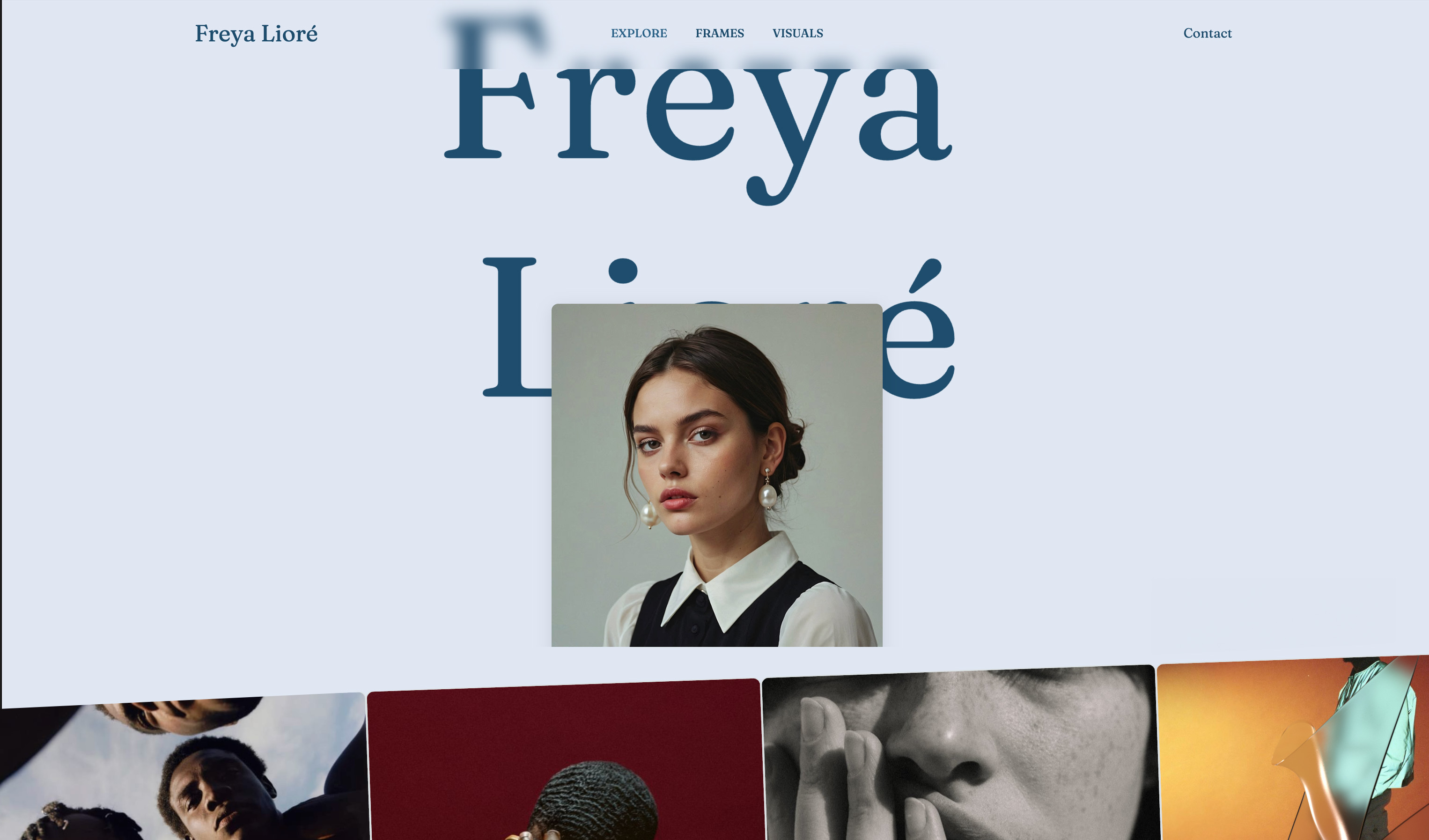 Use template
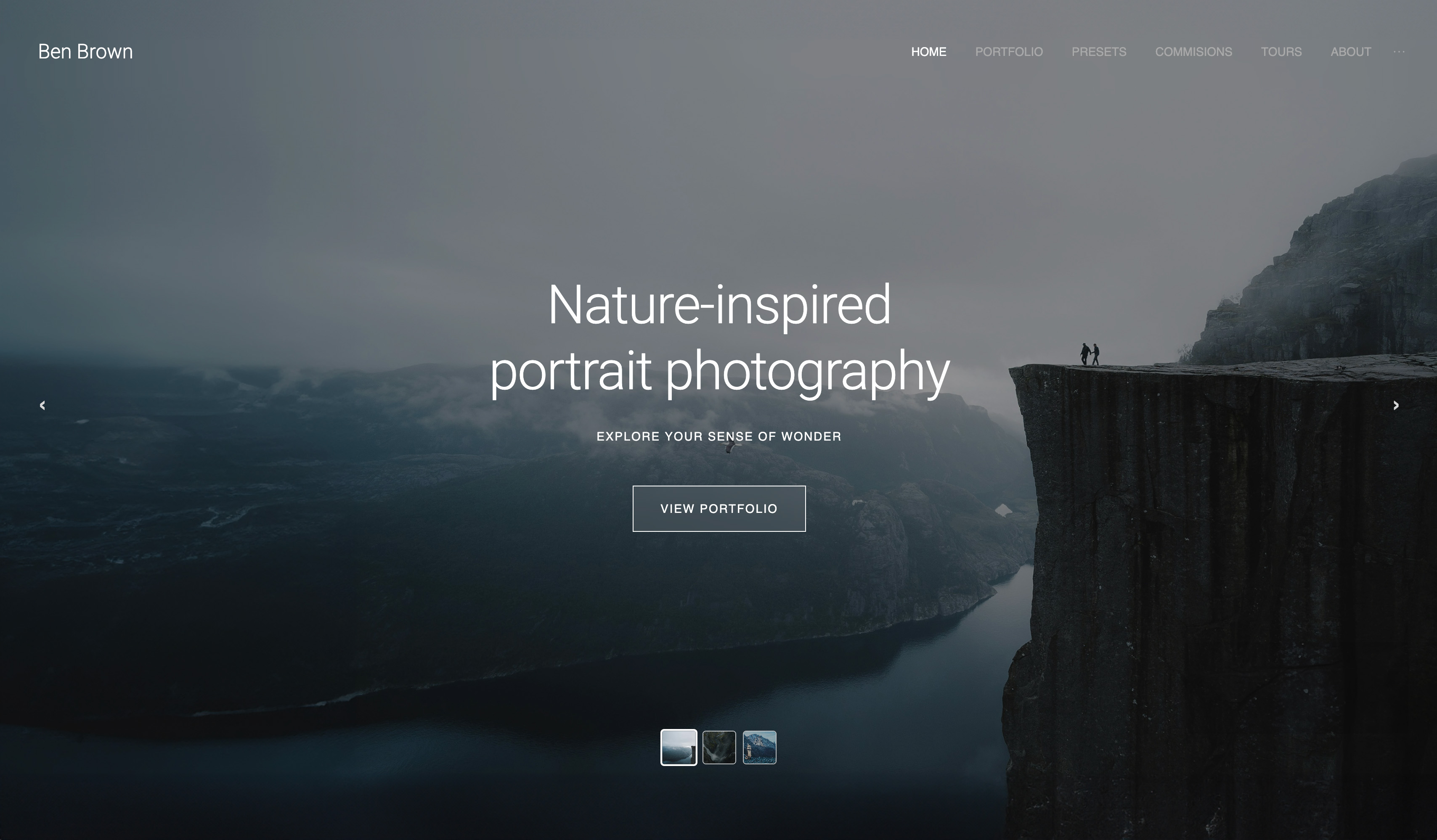 Use template
 Use template
 Use template
 Use template
It usually arrives without warning. One morning the reach on every post is a third of what it was, with no explanation. Or the account is locked for a review that takes two weeks. Or a niche you built for years quietly stops being shown.
And in that moment, every creative who relied on Instagram alone learns the same lesson: you were building on rented land, and the landlord just changed the rules.
That experience is why the question gets framed as website vs Instagram, as if you have to pick a side. You do not. The framing is wrong, and getting it right changes how you spend your effort. Instagram and a website are not competitors.
They do two different jobs, and a creative who understands the split stops wasting energy on the wrong one.
This guide lays out the real comparison: what Instagram is genuinely excellent at, what a website does that Instagram structurally cannot, why most working creatives need both, and the honest cases where one is enough for now.
Framekit is an AI website builder that turns a description of your practice into the destination half of that pairing, so the site exists in an afternoon rather than staying on the list, and the galleries and store you would eventually need sit in the same account.
Website vs Instagram is the wrong framing, because they do different jobs.
Instagram is built for reach and discovery and is rented from an algorithm. A website is built for credibility, search, and conversion, and you own it. Most creatives need both, with Instagram feeding an audience that the website turns into clients.
A website is a property you own and control, built to convert an audience into clients. Instagram is a platform you rent to reach that audience in the first place.
They are not competitors any more than a billboard and a shop are competitors. One brings people past. The other is where they actually become customers. The rest of this guide is how to use each for the job it is good at.
What Instagram Is Genuinely Good At
Instagram earns its place in a creative's toolkit, and pretending otherwise helps nobody.
It is one of the best discovery engines ever built: a stranger can find your work through a share, a hashtag, or the algorithm, with no ongoing effort from you.
It is fast, the feedback is immediate, and it carries social proof at a glance, since a follower count and an active comments section are visible trust signals.
For the top of the funnel, getting your work in front of people who have never heard of you, Instagram is genuinely hard to beat. The problem was never that Instagram is bad. It is that Instagram is not yours.
What a Website Does That Instagram Cannot
A website does four things Instagram structurally cannot. It is found on Google, so people actively searching for your service, not just idly scrolling, can reach you.
It is yours, so no algorithm change, shadowban, or locked account can take it from you overnight. It converts, because you control the whole path from interest to inquiry instead of hoping someone taps a link in a bio.
And it carries a kind of credibility a feed cannot: a real website signals a business, where a profile, however polished, signals an account. Instagram brings people to the edge of hiring you. A website is where the hiring actually happens.
The Ownership Audit: What You Rent and What You Own
In one lineon Instagram you own the files and nothing else, and the six things you do not own are exactly the six that decide whether a following becomes an income.
Run this on your own setup. For each item, ask who would still have it if your account disappeared tonight.
1. Your audience list
On Instagram you have followers, and you cannot export them, email them, or contact them outside the app. On a website you have email addresses that belong to you and work regardless of any platform's decisions.
This is the single largest difference and the one creatives discover last, usually at the worst possible moment.
2. Your address
Instagram gives you a handle inside somebody else's domain. A website gives you an address you control, which means the link on your business cards, your invoices, your email signature, and every application you ever sent keeps working even if you change everything behind it.
3. Your reach
Instagram decides how many of your followers see a post, and that decision changes with the product. A website has no algorithm between you and someone who typed your name into a search engine.
4. Your context
An Instagram post is an image and a caption. A project page holds the brief, the constraints, the rejected directions, and the outcome, which is the material that convinces a client you can solve their problem rather than that you can make one nice image.
5. Your commerce
Instagram sends people to a link. A website takes the money on the page they are already reading, which removes the step where most casual buyers quietly leave.
6. Your account itself
This is the one worth taking seriously. Accounts get disabled, sometimes in error, and the recourse is an appeal form rather than a phone call.
Instagram documents the process for disabled accounts and it is, by design, a queue rather than a support relationship.
A creative whose entire client pipeline runs through one account is one automated decision away from starting again, and that risk does not appear on any feature comparison.
Website vs Instagram: A Direct Comparison
| Website | ||
|---|---|---|
| Do you own it? | Yes | No, you rent it |
| Found on Google search | Yes | Barely |
| Discovery and reach | You drive it | Built-in, algorithm-led |
| Converts visitors to clients | Strong, you control the path | Weak, one bio link |
| Controls the design and order | Fully yours | Fixed by the platform |
| Survives an algorithm change | Yes | No |
| Professional credibility | Signals a business | Signals an account |
The table shows the split plainly. Instagram wins the row about discovery. The website wins almost everything about ownership, conversion, and credibility. Neither is better overall. They are better at different things.
Why Creatives Need Both
The strongest setup is not a choice between the two. It is a system.
Instagram does what it is best at, reaching new people and warming them up, and the website does what it is best at, converting that warmed-up audience into paying clients and holding your work somewhere permanent.
Instagram feeds the website. The website closes.
Treating them as rivals, and pouring everything into one, leaves the other job undone: all-Instagram creatives reach people they cannot convert, and all-website creatives build a great shop on a street with no foot traffic.
Link the two deliberately, with the website as the home base, and each one covers the other's weakness.
Our guide on moving from Instagram to your own website covers the handover, and how to get clients from your website covers the conversion half.
What a Following Is Actually Worth
In one linea follower count converts to website visits at a low single-digit percentage and to enquiries at a fraction of that, which is why a large following can coexist with a quiet inbox and why the two numbers should never be confused.
Creatives routinely mistake audience size for pipeline. The arithmetic is worth doing once.
Of the people who follow you, only a portion see any given post, and of those only a small share tap through to a link. That means a following in the thousands typically sends tens of visits to a website from a post, not hundreds.
Those visits are high quality, because the person already knows your work, but the volume is far smaller than the follower number implies.
The practical consequence is the thing to act on. If you are choosing between spending an evening making another post and spending it fixing the enquiry route on your site, the second one usually wins, because the traffic you already have is converting at zero.
The comparison worth running. Look at your last five posts and estimate how many people clicked through to your site. Then look at how many enquiries you received.
If the first number is reasonable and the second is zero, the platform is doing its job and the destination is not.
Where Instagram genuinely wins. Reaching people who have never heard of you. Nothing on a website does that, and no amount of ownership argument changes it.
A creative with no audience and no referrals should be posting, because a perfect website with no visitors produces exactly nothing.
Setting Up the Reach-to-Hire Funnel
Knowing the two play different roles is useful only if you connect them, so here is the practical setup. Treat your website as the home base, and the social side as one of several roads that lead to it.
Start by making the website link the single most prominent thing in your social bio, with active wording like "see my work and book a project" rather than a bare URL.
Every time you post something that performs, point the next step toward the site: a story that links a full project page, a caption that sends people to your services.
Queuing a fortnight of those posts in one sitting is what keeps the drip alive through a busy shoot week, which is the whole reason the social schedulers aimed at visual creatives exist.
The goal is a steady drip of warmed-up visitors arriving at a page that is built to convert them, instead of a crowd that admires a post and then scrolls on forever.
On the website side, give those arrivals what the feed could not. Show the full body of work in the order you chose, your prices or your process, real proof from past clients, and one obvious way to make contact.
A visitor who came from a social post is already interested. The site's only job is to remove every reason for them to drift away before they reach the inquiry form.
Then close the loop. Add your social handles to the website so a visitor who found you through Google search can also follow you, feeding the top of the funnel back upward.
An email capture on the site is the strongest link of all, because an email list is a third channel that no algorithm controls and no platform can take away.
Done well, this is not two competing presences fighting for your time. It is one system: reach flows in from the platforms, the website converts it into clients, and an owned email list quietly compounds underneath both.
When You Can Get Away With Just One
There are honest exceptions. If you are purely a hobbyist and not selling anything, Instagram alone is genuinely fine. If you are fully booked by referrals and not trying to grow, you can delay the website for now.
And very early on, when you have almost no work to show yet, growing a small audience first can make sense. But each of those is a temporary situation, not a permanent strategy.
The moment you want to be found by strangers, charge more, or stop depending on an algorithm's mood, the website stops being optional. For most working creatives, "just one" has a short shelf life.
Frequently Asked Questions
Is a website or Instagram better for creatives?
Neither is better overall, because they do different jobs. Instagram is better at discovery and reach, getting your work in front of new people.
A website is better at credibility, search visibility, and converting interest into paying clients. The question is not which to choose, it is how to use each for what it does well. Most creatives need both.
Do I still need a website if I have a big Instagram following?
Yes. A large following is reach, but it is reach you do not own and cannot fully convert. An algorithm change can cut it overnight, and a bio link is a weak way to turn followers into clients.
A website gives that audience somewhere you control to become customers, and it survives anything that happens to your Instagram account.
Can I get clients from Instagram alone?
Some creatives do, especially early on or in highly visual, referral-heavy niches. But Instagram alone makes it harder: there is one link to work with, no search visibility, and no controlled path from interest to inquiry.
You can get clients from Instagram, but you will convert far more of the same audience by sending them to a website built to close.
What can a website do that Instagram cannot?
A website can be found on Google by people searching for your service, it is owned by you so no platform can take it away, it lets you control the full path from visitor to client, and it signals an established business rather than a social account.
Instagram cannot do any of those things, by design. That is the gap a website fills.
What is Instagram better at than a website?
Instagram is better at discovery. Its algorithm and social features can put your work in front of strangers with no ongoing effort, which a website cannot do on its own. It also delivers fast feedback and visible social proof.
For reaching a new audience at the top of the funnel, Instagram is a genuinely strong tool, and worth keeping for that job.
If I can only do one, should I build a website or grow Instagram?
If you already have an audience but no way to convert it, build the website. If you have a polished website but no one knows you exist, focus on reach, which can include Instagram.
Most creatives starting out get more from a simple website than from chasing followers, because a website at least converts the people who do find them.
How do a website and Instagram work together?
Instagram reaches and warms up an audience, then sends them to your website, where the work, the proof, and a clear way to hire you turn interest into inquiries.
Put your website link prominently in your Instagram bio, point new content toward it, and treat the website as the home base. Instagram is the road in. The website is the destination.
What happens to a creative business if an Instagram account is disabled?
Everything that lived only there stops: the audience, the enquiry route, the portfolio, and the link people have been sharing.
Recovery runs through an appeal form rather than a support relationship, and Instagram documents that process for disabled accounts without promising an outcome or a timeframe.
The mitigation is not to leave the platform but to make sure it is not the only place your work and your contact details exist, which costs a domain and an afternoon.
Can you build a creative career on Instagram alone?
You can build an audience on it alone, and a career is harder, because the things that convert attention into paid work all sit outside the app: a project page with context, a contact route you control, an email list you can reach without an algorithm, and a way to take payment on the page.
Plenty of creatives get their first clients from Instagram. The ones who keep getting them tend to have somewhere to send those clients afterwards.
Does a website still matter if my clients all find me on Instagram?
Yes, for two reasons that only show up later. The first is that a client who found you on Instagram will still search your name before spending real money, and what ranks for it should be a page you control.
The second is that Instagram gives you no way to contact the people who followed you, so an audience built entirely there cannot be told about anything, including that you have moved.
Should I post my full portfolio on Instagram or keep it on my site?
Post the crop, keep the case study. A single strong image performs well in a feed and carries almost no information about how you work, which is what a paying client is assessing.
The arrangement that works is to publish the full project on your own site, post one image from it with a line of context, and point the bio link at the site so the platform sends people to you rather than the reverse.
The Bottom Line
Website vs Instagram is a question that dissolves once you see the jobs clearly. Instagram is a rented discovery engine, excellent at reach and useless at ownership.
A website is an owned conversion engine, excellent at credibility and search and the thing no algorithm can take away. The creatives who do best in 2026 do not pick one.
They use Instagram to be found and a website to get hired, and they link the two so each covers the other's gap. If you have the Instagram side and not the website side, that is the half to build next.
Our roundup of the best website builders for creative professionals is where to start.
_Re-verified July 2026: platform behaviour and account-recovery process re-checked against Instagram's own help documentation._
The middle ground most creators actually start with is a link page, and the best link in bio tools prices nine of them on one $39 product.