Framekit templates
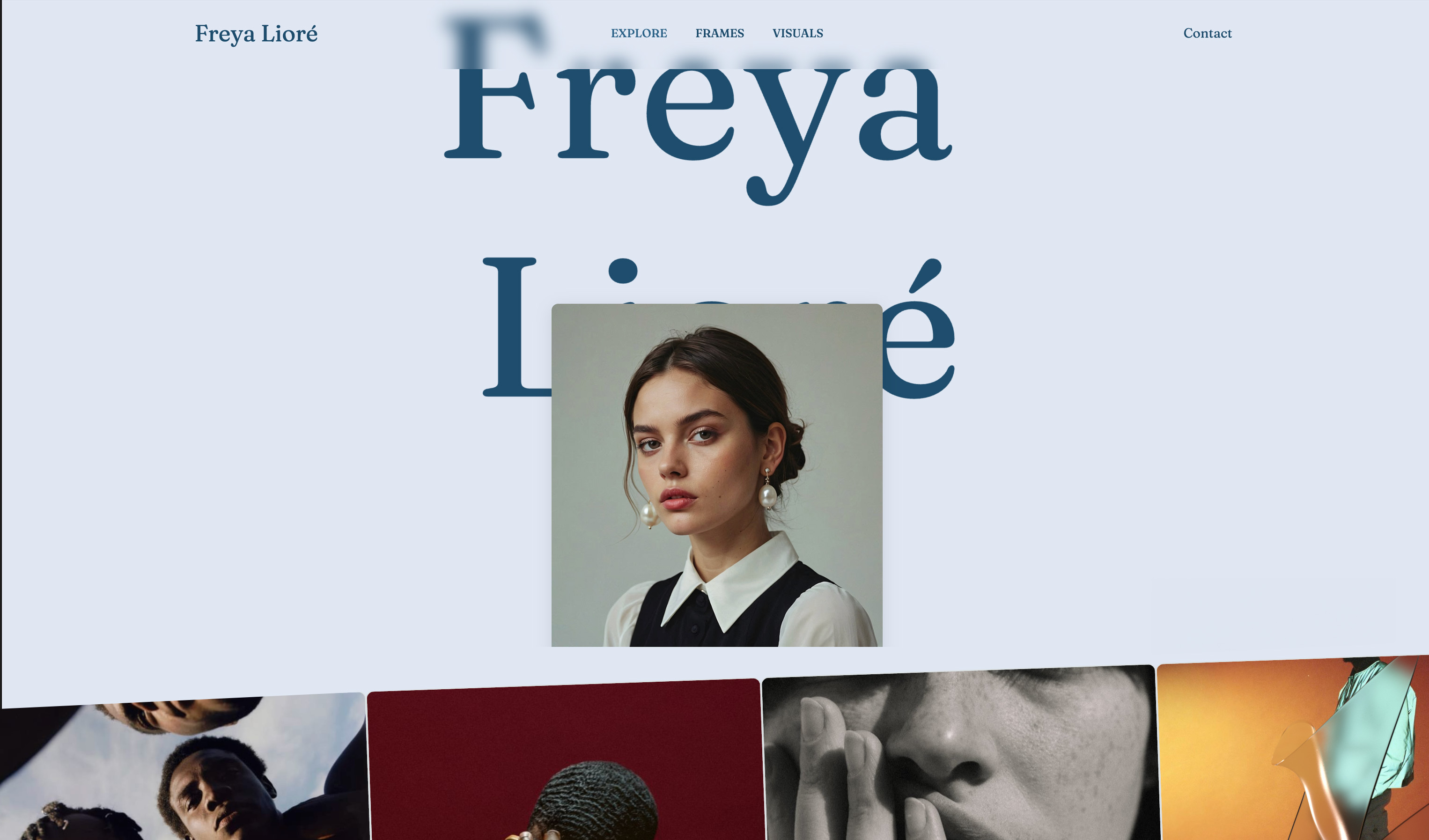
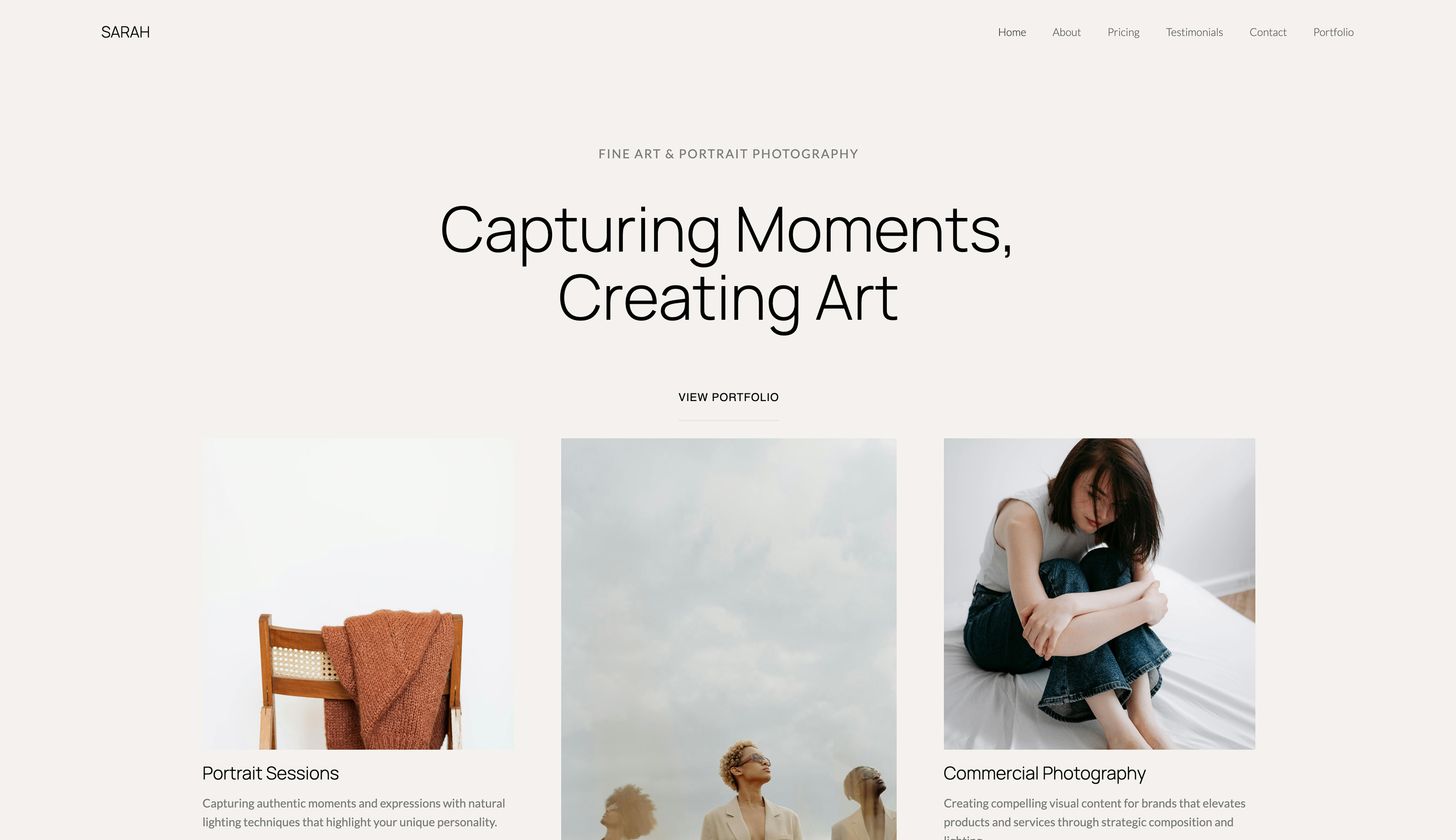
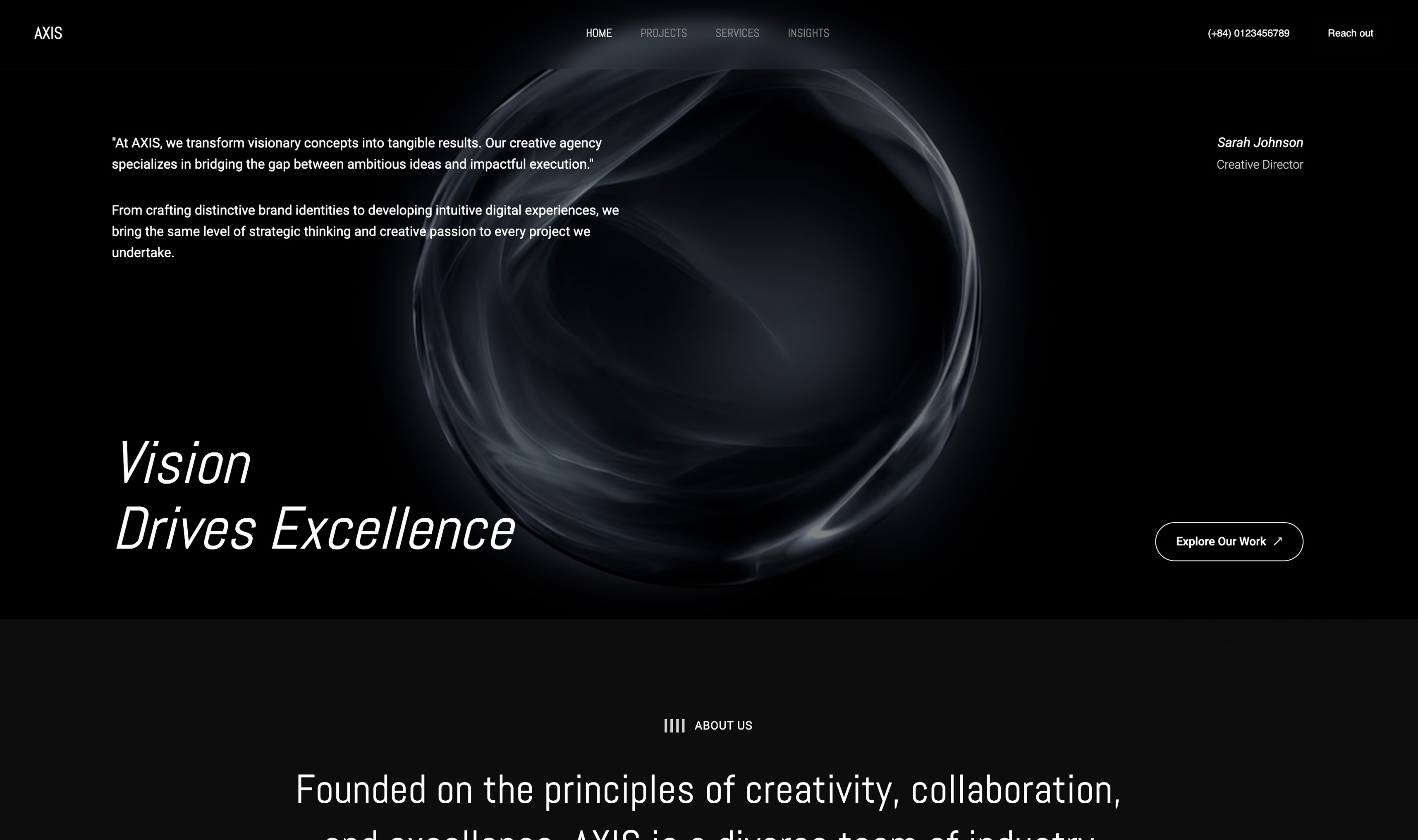
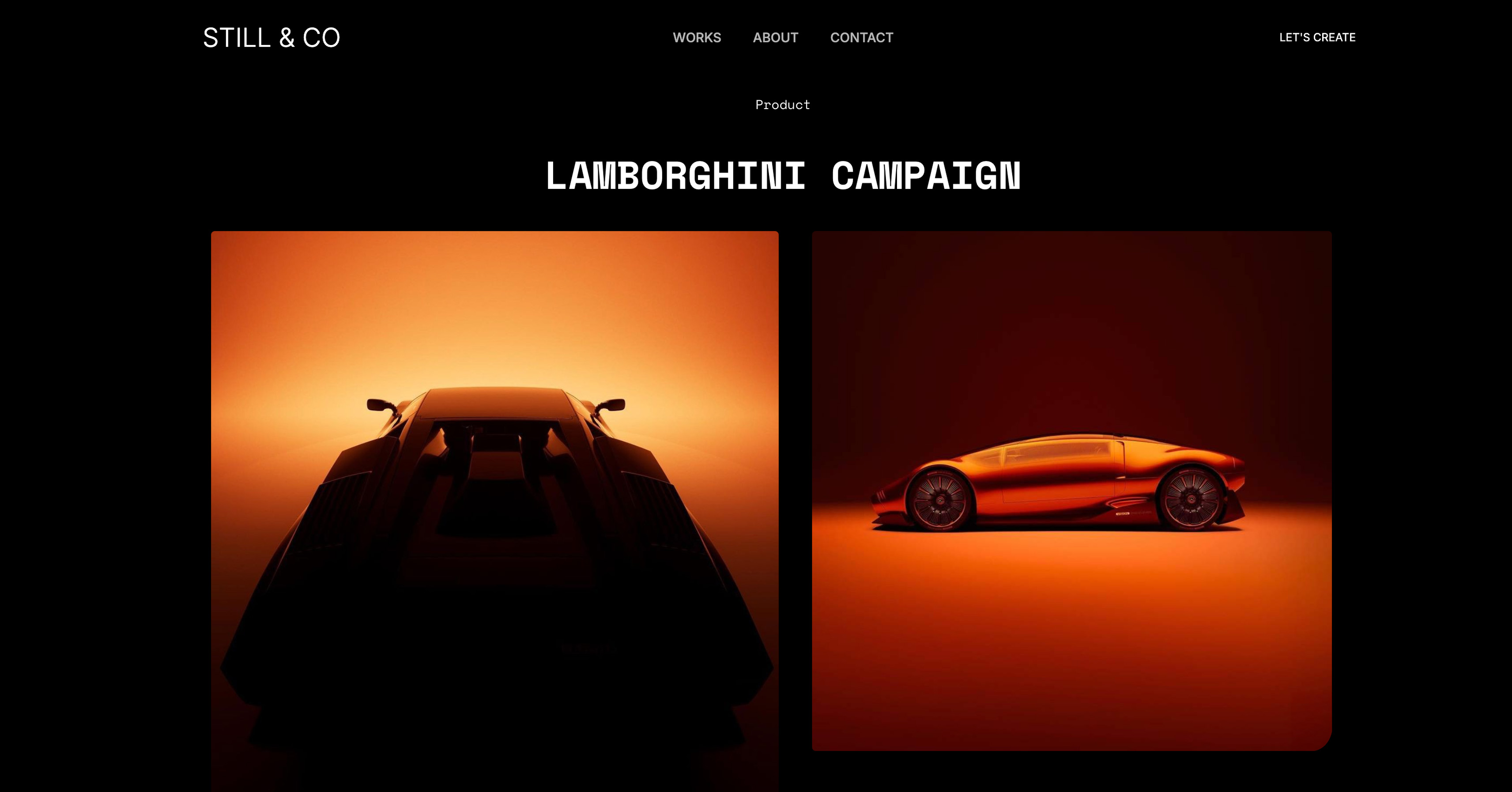
Start from a designer-made template
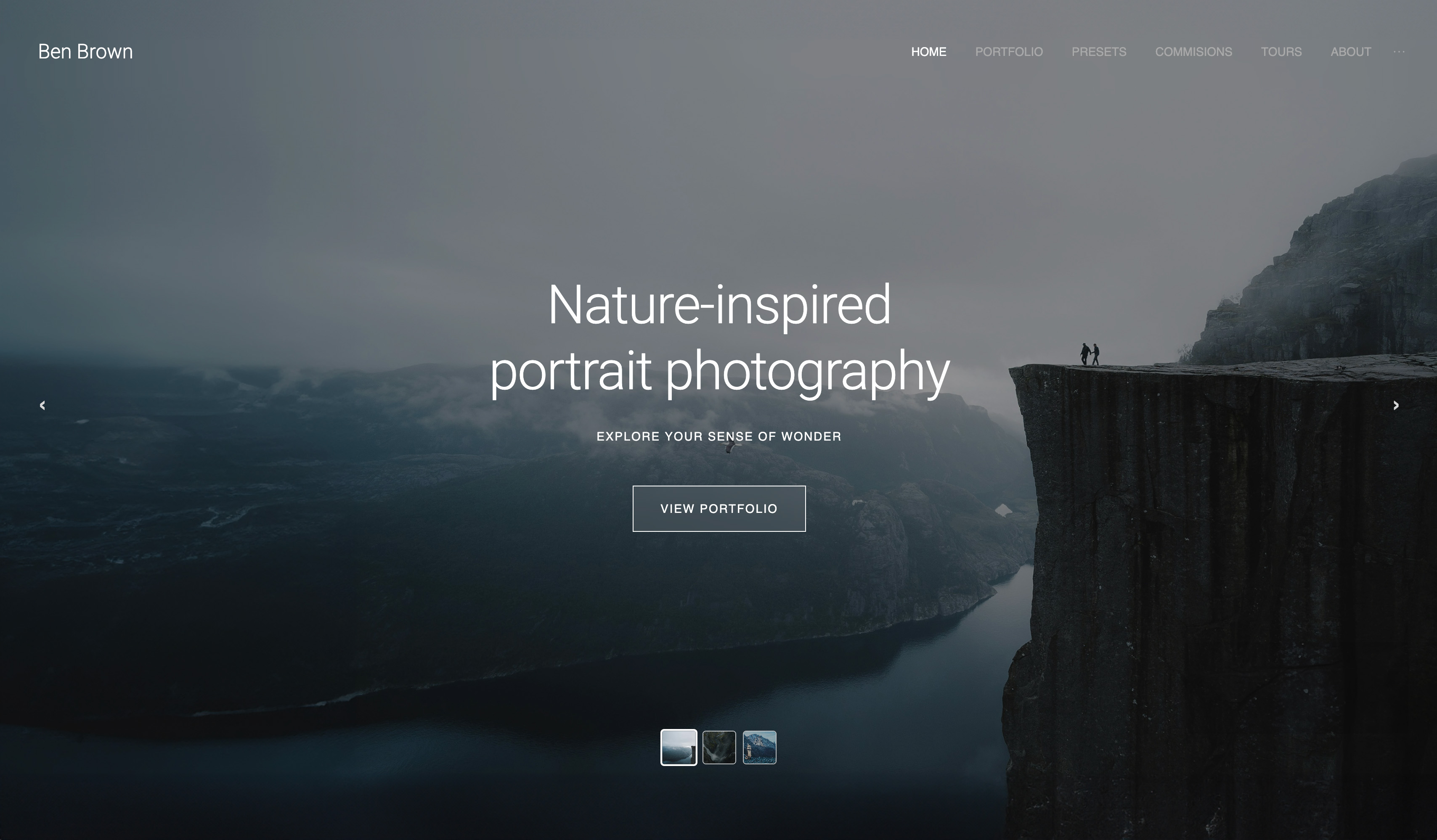 Use template
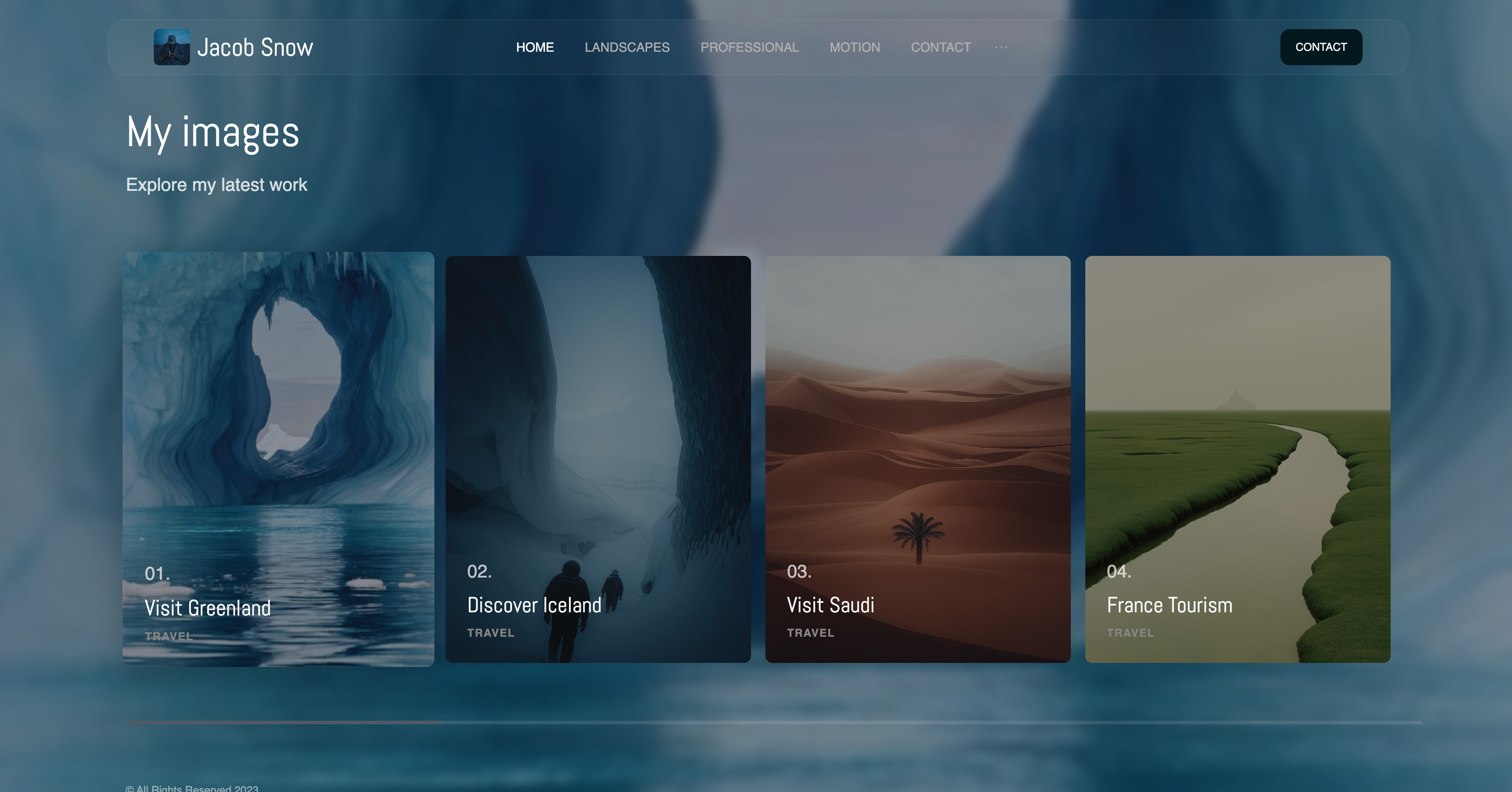 Use template
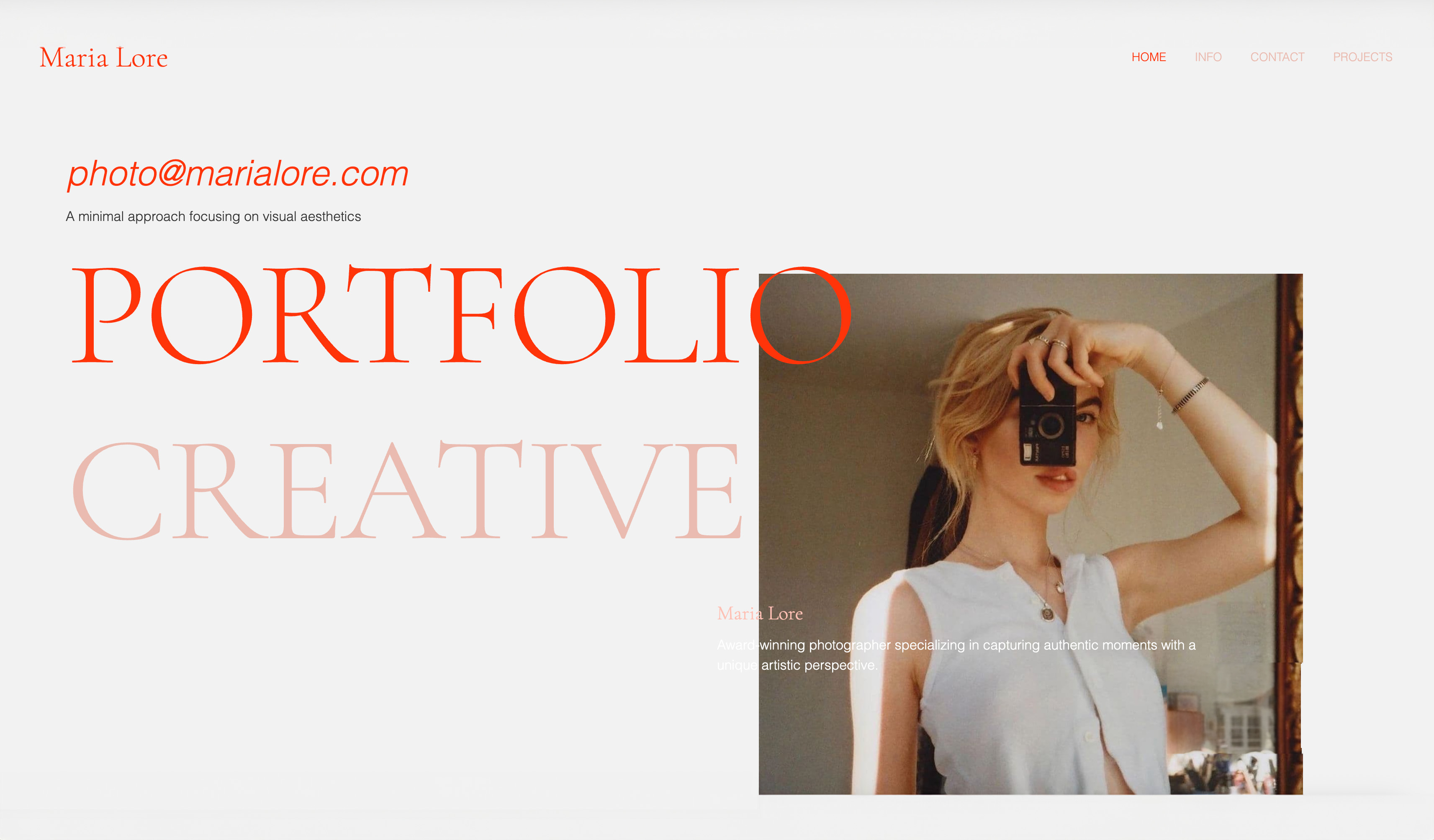 Use template
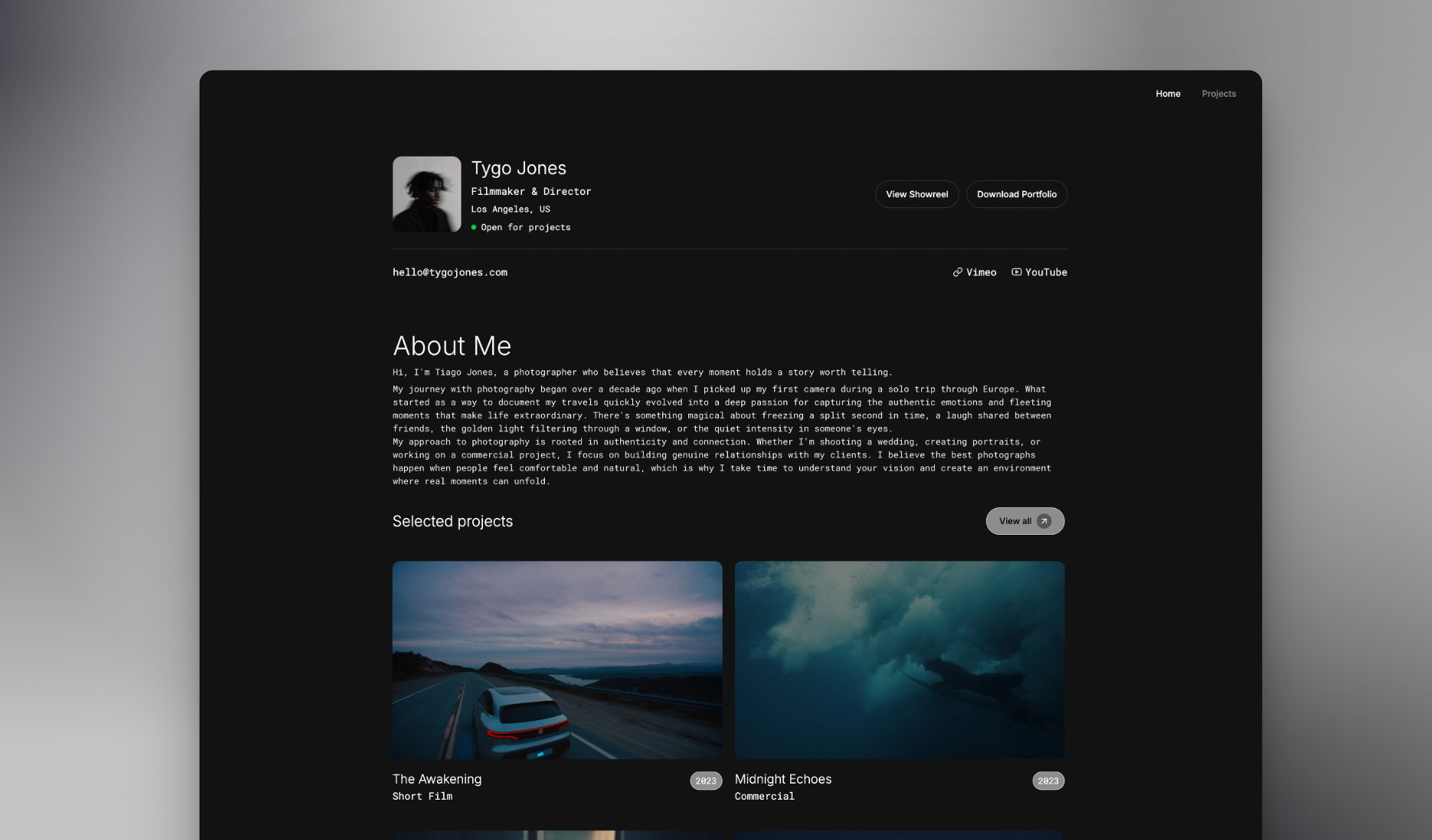 Use template
 Use template
 Use template
 Use template
 Use template
Every comparison of website builders for landscape photographers quotes print commission as a percentage of the sale price.
That number is close to meaningless, because a landscape photographer's product is a large print with a large cost of goods, and a percentage of revenue lands on a much smaller pile of profit.
Work it through on a real piece. A 40 by 60 inch fine art print sells for around $900. The lab, the paper, the packing and the shipping take about $250 of that, so your margin is roughly $650.
A platform taking 15% takes $135, which is not 15% of anything you keep. It is 21% of your profit.
The same 15% on a $40 digital download would be $6, and the two numbers should not be compared with each other, which is exactly what most guides do.
A website builder is a hosted tool that turns your portfolio, your print shop and your workshops into a site on your own domain without writing code.
For landscape photographers the two questions that matter are what a platform's cut does to your margin, and how large a print a stranger can make from the file your website hands them.
For landscape photographers selling large fine art prints, Zenfolio's flat 7% is the best economics of any platform here that actually prints for you, and SmugMug is the better product at 15% if you want the polish.
Framekit is our pick for the landscape photographer whose sales are digital, presets, e-books and wallpaper packs, and who delivers client and workshop galleries, because the portfolio, unlimited galleries and a store whose fee falls to 0% on the $39 Business plan all start free on a domain you own.
The honest limitation is large: Framekit sells digital downloads only, so it cannot sell a physical print or book a workshop place, and if either is your main income this guide will tell you who can.
Disclosure: Framekit is our product and we rank it fourth here. On print sales, which is what most of this audience is buying for, Zenfolio, SmugMug and Format beat us because they sell physical prints and we do not. We built the eight competitor sites with the same portfolio, the same $900 print listing and the same workshop page, we describe Framekit from its published product and pricing facts, we link to every competitor, and we say where each one wins.
How We Compared Nine Builders
Each site got the same contents: a 30-image portfolio in four regional collections, a print shop with one 40 by 60 inch piece at $900 and two smaller sizes, a workshop page, and a licensing enquiry route.
We also uploaded one 8,000 pixel master to each platform to see what resolution the live page actually served back.
Three kinds of statement appear below and we keep them apart. Things built and observed were done in the product.
Things read at source come from vendor pricing pages in August 2026 and are cited where the figure carries weight.
Things attributed to photographers' reports are labelled in the sentence, since a repeated complaint shows a pattern exists without measuring it.
Conditions: fresh accounts, USD where offered, annual pricing as presented, no professional-body or education discounts. Where selling required a paid tier we configured the shop and walked the buyer flow without completing a live order, and those entries say so.
No star ratings appear anywhere in this guide. G2, Capterra and Trustpilot all refuse automated requests, and quoting a score we could not open would undercut the point of testing anything ourselves.
By the numbers8 competitor builders built out, with Framekit described from its published facts. $900 carried print with a $250 cost of goods and a $650 margin. 15% is the highest print commission here, 7% the lowest among platforms with a lab, and 0% the lowest overall if you fulfil yourself. 4 of those 8 served images large enough to print at 13 inches or more without asking.
The Comparison Table
The rubric is weighted for a print-led business: commission measured against margin 30%, print quality and lab choice 20%, portfolio presentation 20%, control over served image size 15%, price 15%.
Commission leads for the reason set out above, and control over served resolution is here because it is the one technical setting that decides whether your website is also a free poster shop.
| Builder | Best for | Print lab | Cut of a $650 margin | Entry price | Our rating |
|---|---|---|---|---|---|
| Zenfolio | Best print economics with a lab | Yes | $63, or 9.7% | ~$9.20/mo Professional | 9.0/10 |
| SmugMug | The most polished print buying flow | Yes, approved labs only | $135, or 20.8% | $23.50/mo annual Portfolio | 8.8/10 |
| Format | Portfolio first, prints occasionally | Partner labs | Plan-based, 0% commission | $10/mo annual | 8.0/10 |
| Framekit | Digital products plus client and workshop galleries | None, digital only | Cannot sell a physical print | $0, $9/mo Starter | 7.9/10 |
| Squarespace | Prints plus workshops with booking | Third-party | Varies by integration | $19/mo annual | 7.8/10 |
| Pixpa | Cheapest way to have a shop at all | Limited | Plan-based | ~$4.80/mo Lite annual | 7.3/10 |
| Webflow | A designed shop you build yourself | Third-party | Build-dependent | $15/mo annual | 7.2/10 |
| Adobe Portfolio | Portfolio only, no selling | No | No store | Included with CC Photography $19.99/mo | 6.4/10 |
| Carrd | A single print release page | No | No store | $19/year | 5.9/10 |
This is one of the few guides in our persona series where Framekit is not first, and the reason is structural rather than modest: three of these products sell physical prints and Framekit sells digital downloads only.
It still scores above Squarespace on portfolio presentation and price, which is why it sits fourth rather than lower, and it scores lowest of the nine on the print criteria, which carry half the weight.
1. Zenfolio: Best Print Economics
Zenfolio is the platform whose numbers make the most sense for a landscape photographer selling large work, and the reason is that its commission is flat rather than aspirational.
The real numbera flat 7% commerce fee on every order, waived for the first 30 days on new Professional and Advanced accounts, plus processing.
Plans run about $7 a month for Basic without e-commerce, about $9.20 for Professional with e-commerce and 150GB, and about $16 for Advanced.
On the carried $900 print that is $63, which against a $650 margin is 9.7%, less than half what a 15% platform takes out of the same piece.
The standout detailbecause the fee is flat rather than tiered, your print economics do not change as you grow, which makes pricing a collection considerably easier than it is on platforms where the rate moves.
The gotchathe front end looks its age. Landscape photography is sold partly on presentation, and Zenfolio's galleries do less for a large piece than Format's do.
Skip it ifthe appearance of the site is part of the price you are asking, which for fine art work at $900 a piece it usually is.
Verdict: the best commission structure in the category, in a product that does not flatter the work. If margin is the deciding factor, this is your answer.
2. SmugMug: Best Buying Experience
SmugMug has spent two decades on the part of this business that photographers find least interesting, which is what happens after somebody clicks buy. The size and paper selection, the order confirmation, the fulfilment and the returns all work without you.
The real numberselling requires the Portfolio plan at about $23.50 a month on annual billing, with Pro around $37, and SmugMug takes 15% of print and download sales.
On the $900 print that is $135, which is 20.8% of your $650 margin, or put another way, roughly a fifth of your profit on every large piece you sell.
The standout detailunlimited storage, which for a landscape photographer keeping decades of large files is a genuine structural advantage rather than a marketing line.
The gotchayou must use SmugMug's approved labs. For a photographer who has spent years finding a printer whose blacks they trust, this is the constraint that stings, and it is the most common complaint we see from fine art sellers specifically.
Skip it ifyou have a lab relationship that is part of your product.
Verdict: the best experience for the buyer and the most expensive per large print. Worth it if volume is high enough that fulfilment labour is your bottleneck. Our SmugMug alternatives guide covers the comparisons people usually run next.
3. Format: Portfolio First
Format is what a landscape photographer chooses when the site is a portfolio that occasionally sells, rather than a shop that shows work.
The real numberBasic is $10 a month billed annually with a stated normal rate of $14, Pro $12 annually or $17 monthly, and Pro Plus $15 annually or $26 monthly. Store commission is 0% on all plans, with fulfilment through partner labs.
The standout detailthe presentation is the quietest here, and for large landscape work quiet is correct. Nothing in the template argues with the picture.
The gotchathe shop is modest, and managing a real print catalogue with multiple sizes, papers and editions is more work than it should be.
Skip it ifyou have more than a handful of pieces for sale.
Verdict: the best-looking portfolio at this price, with a store that suits a small edition rather than a catalogue.
4. Framekit: Best for Digital Sales and Client Galleries

Framekit is an AI website builder that generates a site from a description or a reference image, and the same account holds client galleries, a digital-download store and Slides decks.
For a landscape photographer it fits a specific shape: a portfolio that has to show large work well, galleries for commissions and workshop participants, and income from digital products such as Lightroom presets, e-books, location guides and phone wallpaper packs.
The real numberthe store fee is 5% on the free and $9 Starter plans, 3% on Pro at $19 and 0% on Business at $39 a month, with Stripe's processing on top. On a $29 preset pack that is $1.45, $0.87 or nothing.
The flat plan pays for itself at $780 a month in sales, so a photographer selling a few packs a month belongs on Starter and one with a steady catalogue belongs on Business.
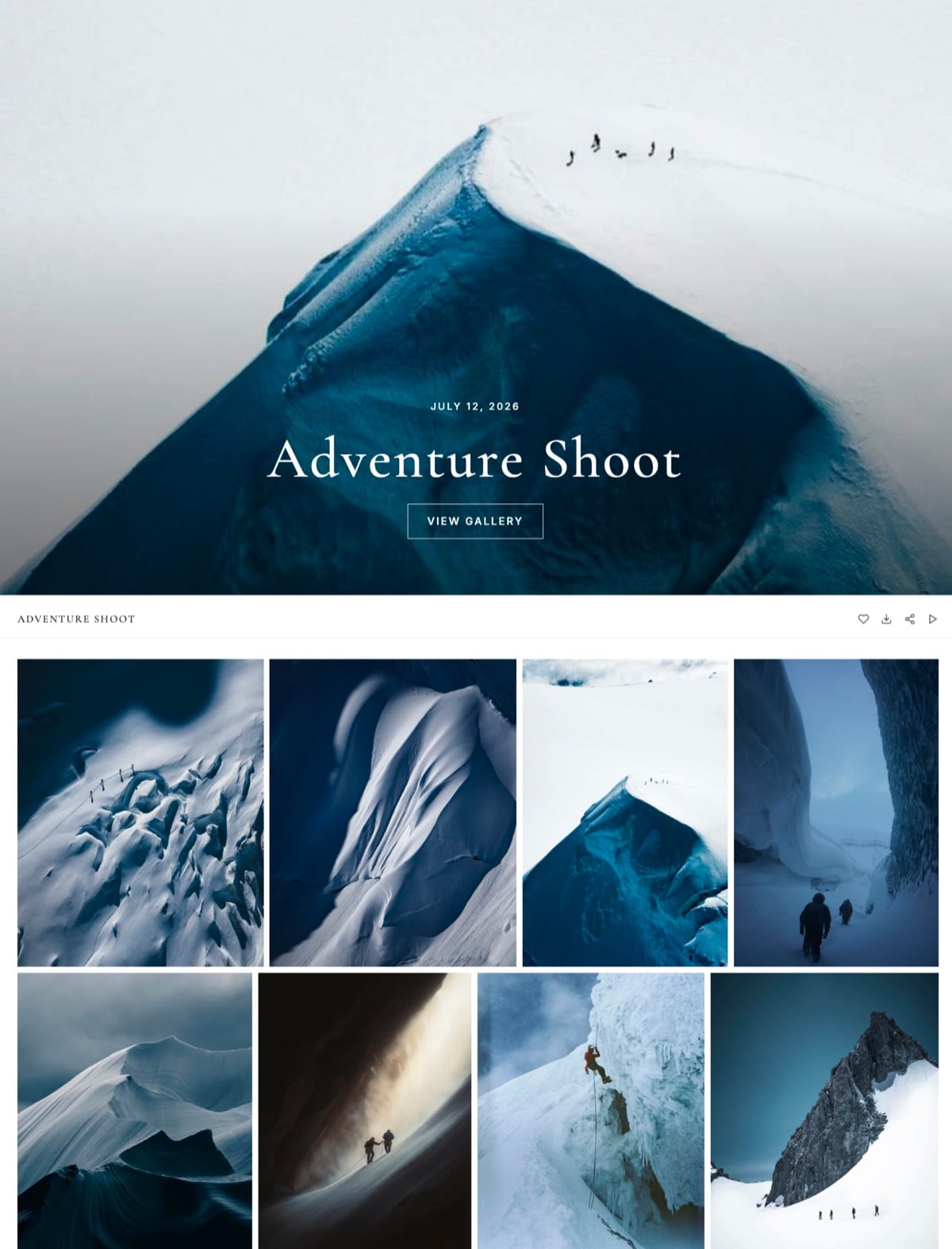
The standout detailclient galleries are unlimited on every plan including the free one, with watermarks on photos, PIN-protected downloads, favourites and email sharing, and a gallery can hold video as well as stills.
Sending forty frames to each workshop participant costs nothing extra, and a buyer of a preset pack can come back for their files.
The gotcha, which is why this is fourthFramekit sells digital downloads only. There is no print lab, no shipping and no physical products, so a $900 print cannot be sold through the site at all, and there is no booking calendar for workshop places.
Photographers who use Framekit for this work link out to a lab's storefront or a booking tool, which is a second system to run.
Storage is a 10GB pool on free and 50GB on Starter, not unlimited, so masters belong in a backup rather than on the site.
Skip it ifprints or workshop bookings are how you earn. Zenfolio, SmugMug and Format sell prints, and Squarespace takes bookings.
Verdict: the best value here for a landscape photographer whose revenue is digital and whose clients need galleries, and the wrong platform for a print-led business. See how the store works.
5. Squarespace: Prints Plus Workshops

Squarespace earns its place for photographers who run workshops, because scheduling, invoicing and a store are all in one subscription.
The real numberBasic is $19 a month billed annually. Physical products are handled properly, which matters here, though print fulfilment means a third-party integration rather than a lab relationship the platform manages.
The standout detailthe booking tooling is the best of any general-purpose builder on this list, which for a photographer running six workshops a year removes a separate product.
The gotchadigital goods carry the 7%, 5%, 1% and 0% content-fee ladder by plan, which makes selling an e-book or a preset pack unnecessarily expensive on the entry tier.
Skip it ifdigital products are a significant income line.
Verdict: the strongest all-rounder for a teaching-led landscape business, with the weakest digital economics.
6. Pixpa: Cheapest Real Shop
Pixpa is the cheapest way here to have a portfolio, galleries and a working shop at the same time, which matters more early on than most photographers admit.
The real numberLite is about $4.80 a month on annual billing with 20GB, Standard about $7.20 with 100GB. Over three years that is roughly $173 or $259 in total.
The standout detailat the bottom of the range it does more than the price implies, including a store that genuinely functions.
The gotcha20GB is not much when your masters are 200MB each, so the real plan for a landscape photographer is Standard rather than Lite.
Skip it ifyour archive is large or your print catalogue is complex.
Verdict: the best first website for a landscape photographer with no revenue yet.
7. Webflow: A Shop You Design
Webflow is the option for a photographer who wants the print shop to look exactly like the rest of the work, and who is willing to build it.
The real numbersite plans are Basic $15 a month annually with no CMS and Premium $25, the renamed CMS tier. The old $39 Business site plan is retired, and above Premium the next step is Team at $2,500 a month on an annual contract. Workspace seats are separate: Free, Core $19, Growth $49.
The standout detailyou control the served image size per element, which as the next section explains is the setting that decides how large a print a stranger can make from your website.
The gotchathe time. Photographers report the learning curve rather than the price as the reason they abandon Webflow, and a weekend is a realistic estimate for a shop rather than a portfolio.
Skip it ifyou would rather be printing than building.
Verdict: the most controllable option here and the most expensive in hours.
8. Adobe Portfolio: Free, No Shop
Adobe Portfolio is included with Creative Cloud, and the Adobe plans page lists the Photography plan at US$19.99 a month with 1TB, Lightroom alone at US$11.99 and Creative Cloud Pro at US$69.99.
The real numbernothing extra if you already pay Adobe, which is nearly everybody in this field.
The standout detailpublishing a new collection from Lightroom takes minutes.
The gotchathere is no store at all, so every print, workshop and download happens on another platform and the visitor leaves your site to buy.
Skip it ifyou sell anything from your website.
Verdict: a free portfolio for a business that earns elsewhere.
9. Carrd: One Page for a Release
Carrd is $19 a year and builds a single page, which has one real use here: a dedicated page for a new limited edition release, separate from your main site.
The real number$57 over three years, cheap enough to run several alongside whatever else you use.
The standout detailfast enough that a release page per edition is realistic.
The gotchano gallery, no shop, no collections.
Skip it ifthis is your website rather than a campaign page.
Verdict: a useful accessory, not a home.
Commission Against Margin, Not Revenue
In one linea platform's percentage is charged on the sale price and paid out of your profit, and for large prints those are two very different numbers.
Here is the same $900 print through each route, with a $250 cost of goods, so a $650 margin before any platform takes anything.
| Route | Platform cut | You keep | Cut as a share of margin |
|---|---|---|---|
| SmugMug Portfolio, 15% | $135 | $515 | 20.8% |
| Zenfolio Professional, 7% | $63 | $587 | 9.7% |
| Format or a 0%-commission plan | $0 | $650 | 0%, plus your own fulfilment work |
The honest reading is not that 0% wins. Fulfilment is real work: ordering, checking, packing a large print without creasing it, insuring it, and handling the one in twenty that arrives damaged.
If you value that at $50 a print, SmugMug's $135 buys you a service worth $50, and Zenfolio's $63 buys the same service for less.
The right question is not who takes the smallest percentage, it is whether the percentage is smaller than what doing it yourself costs you.
The test to run: take last year's print revenue, subtract your true cost of goods, and calculate each platform's fee as a share of what is left. Then estimate the hours you spent packing and shipping and price them at your day rate.
If the platform cut is smaller than your fulfilment cost, pay the platform. If it is larger, fulfil yourself through a 0%-commission platform such as Format.
Framekit is not on this table because it cannot sell a physical print; where it earns its place is the digital side of the same business.
How Big a Print Can Someone Make From Your Website
In one linethe resolution your site serves decides the largest print a stranger can make from your work, and most photographers publish files big enough to hang.
The arithmetic is simple and almost nobody runs it.
Divide the pixel width of the image your website serves by the dots per inch you consider acceptable, and that is the print size somebody can produce without asking. Dots per inch is the standard measure here, and the numbers that matter to a landscape photographer are these.
| Served image width | At 300 dpi | At 240 dpi | At 150 dpi |
|---|---|---|---|
| 4,000 px | 13.3 in | 16.7 in | 26.7 in |
| 2,560 px | 8.5 in | 10.7 in | 17.1 in |
| 2,048 px | 6.8 in | 8.5 in | 13.7 in |
| 1,600 px | 5.3 in | 6.7 in | 10.7 in |
At normal viewing distance a large landscape print at 150 dpi looks entirely acceptable on a wall, which means a site serving 4,000 pixel images is handing out a 27 inch poster to anyone who right-clicks.
Four of the eight platforms we built on served images at or above 4,000 pixels from our 8,000 pixel upload without being asked to.
What to do about it. Publish at 2,048 pixels on the long edge as a default.
It is more than enough for any screen, including a high-density display at full width, and it caps the casual thief at roughly a 13 inch print at reasonable quality. Keep the masters off the website entirely.
Where a platform lets you set the served size, set it, and where it does not, upload files already resized rather than trusting the platform's resizing.
On watermarks, honestly. They deter casual reposting and they do nothing against anyone determined.
Framekit's watermarking applies to client galleries rather than the public portfolio, which is worth knowing before you rely on it.
The stronger protection is publishing small and registering the work you care about, since registration is what gives a claim real teeth in the jurisdictions that offer it.
And accept the trade. A photographer who publishes at 1,200 pixels is safer and shows their work worse.
Landscape photography rewards scale, and a portfolio that looks small on a large monitor loses commissions that theft never would have cost you. Two thousand pixels is where most careful photographers settle.
What Goes on a Landscape Photographer's Site
In one linethe portfolio sells the workshops and the workshops pay for the trips, so the site's structure should follow the money rather than the geography.
Group by region or project, and give collections real names. Twelve well-sequenced images from Patagonia beat sixty from everywhere, and a named collection is something a buyer can want.
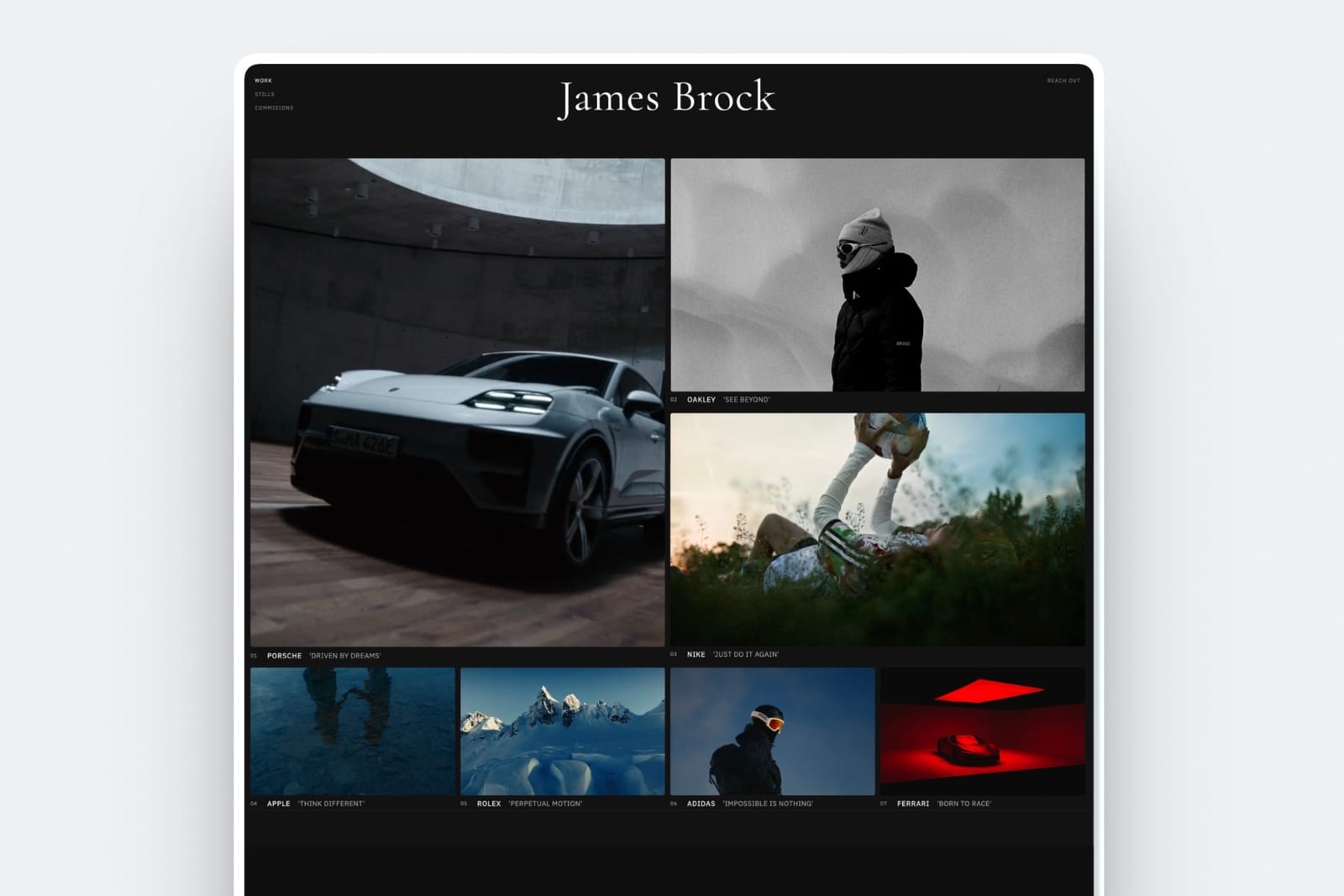
Put the print shop one click from the picture. The commonest structural mistake in this field is a beautiful portfolio and a shop buried in the navigation, so nobody ever discovers a print is available.
State the edition terms plainly. Size, paper, edition size, whether it is signed, what shipping costs and how long it takes. Uncertainty at the top of a $900 decision loses the sale.
Publish the workshop calendar early. Dates, group size, fitness level, what is included. People plan photography trips a year ahead.
Write about the conditions. How you got there, what the weather did, what you were waiting for. This is the text that makes your pages readable by a search engine and by an assistant, which a wall of images is not.
What to leave off. Long gear lists, sunrise timelapses of your car, and any image sequence where four frames differ only in cloud position.
How Landscape Photographers Get Found
In one linelocation plus intent is the search that converts, and it is winnable because you are not competing with stock libraries for it.
Somebody typing "Isle of Skye photography workshop 2027" or "Dolomites fine art print" is much closer to paying than someone browsing landscape photography generally.
Those specific phrases are what your collection and workshop pages should be written around, and they are within reach for an individual photographer in a way generic terms are not.
Google's SEO starter guide covers what you need.
The second channel is your images travelling without you.
Landscape work is the most reshared and most decontextualised category on the internet, and the only durable defence is that your name and domain are attached to the work everywhere you publish it, so that the person who finds a reposted version can trace it back.
The third is that assistants increasingly answer questions like "who runs photography workshops in Iceland" by reading text rather than looking at pictures. Sites that describe their collections and trips in words get named; sites that are an uncaptioned grid do not.
How to Choose in Four Questions
Answer these in order and stop at the first yes. Restating a list of picks at the end of a guide helps nobody, and the first constraint you hit is the one that actually chooses your tool.
- Do you want a platform to print, pack and ship for you? Zenfolio at a flat 7%, or SmugMug at 15% if the buying experience matters more than the margin.
- Do you sell signed editions yourself and want to keep the whole margin? Format at 0% commission, and budget your own fulfilment time honestly.
- Do workshops with real booking and capacity drive the business? Squarespace, and accept the digital-product fees.
- Is your income digital, presets, e-books and guides, with galleries for clients and workshop participants? Framekit, free to start and 0% on the $39 Business plan.
- Are you starting out with no revenue and a tight budget? Pixpa Standard at about $7.20 a month, and revisit when the print catalogue grows.
Frequently Asked Questions
What is the best website builder for landscape photographers in 2026?
It depends on who fulfils your prints. If you want a lab to handle printing and shipping, Zenfolio gives the best economics at a flat 7% per order, which on a $900 print with a $650 margin is 9.7% of your profit against SmugMug's 20.8%.
If you fulfil signed editions yourself, Format's 0% commission is the better fit.
If your sales are digital products and you deliver client galleries, Framekit is the best value because galleries are unlimited on every plan and its store fee drops to 0% on the $39 Business plan, though it cannot sell physical prints.
How much of my profit does a print platform actually take?
Far more than the headline percentage suggests, because the fee is charged on revenue and paid from margin.
On a $900 print with a $250 cost of goods, a 15% platform takes $135 of your $650 profit, which is 20.8%, and a 7% platform takes $63, which is 9.7%. Always recalculate the commission as a share of margin before comparing platforms.
What resolution should I publish landscape photos at?
About 2,048 pixels on the long edge. That is more than enough for any screen including high-density displays, and it caps what a stranger can print from your site at roughly 13 inches at 150 dpi.
A 4,000 pixel image, which four of the eight platforms we built on served by default, allows a 27 inch print at the same quality.
Do watermarks stop image theft?
They deter casual reposting and do essentially nothing against anyone determined, since removal is trivial.
The more effective controls are publishing at a modest resolution, keeping masters off the website entirely, and registering the work you care about so that a claim has legal weight.
Framekit's watermarking applies to client galleries rather than the public portfolio.
Can I use my own print lab?
Not on SmugMug, which restricts fulfilment to its approved labs, and that is the most common complaint from fine art sellers who have spent years finding a printer they trust.
Zenfolio and the 0%-commission platforms such as Format give you more freedom. Framekit does not sell physical prints at all, so a Framekit site would link out to your lab's own storefront for print orders.
Does Framekit sell prints?
No. Framekit's store sells digital downloads only, such as presets, e-books, guides and wallpaper packs, with no physical products, shipping or print lab.
That is why this guide ranks Zenfolio, SmugMug and Format above Framekit for print-led businesses, and why a Framekit site selling prints has to link out to a lab's storefront.
How should I price a large fine art print?
Work backwards from margin rather than forwards from cost. Establish your true cost of goods including paper, printing, packing, insurance and shipping, decide the profit you need per piece, then add whatever the platform will take on top.
A photographer who prices at cost plus a markup and then discovers a 15% commission has quietly given away a fifth of their profit.
Is unlimited storage worth paying for?
Rarely, because a website is a publishing tool and not a backup.
SmugMug's unlimited storage is genuinely useful if you intend to keep an entire archive online, but a proper backup strategy costs less and protects more, and most landscape photographers are better served publishing 2,048 pixel versions and keeping masters elsewhere.
What is the cheapest way to sell prints from my own website?
Pixpa Standard at about $7.20 a month on annual billing is the cheapest platform here with a working shop that can sell physical prints, assuming you handle fulfilment.
Framekit's free plan costs nothing with a 5% fee only when you sell, but only for digital products, not prints. If you want a lab in the price, Zenfolio Professional at about $9.20 a month plus 7% per order is the cheapest complete answer.
Do I need a separate site for workshops?
Not usually, but a dedicated page per departure converts better than a single page listing everything, especially if you advertise.
Some photographers run those on Carrd at $19 a year alongside their main site, which keeps campaign pages out of the portfolio's navigation without touching it.
The Verdict
For a landscape photographer whose income is mostly large prints fulfilled by a lab, Zenfolio is the recommendation, because a flat 7% takes 9.7% of your margin where a 15% platform takes 20.8%, and on $900 pieces that difference funds a trip.
SmugMug earns its higher cut if fulfilment labour is your real constraint and you want the buying experience to be effortless.
Framekit is the pick if your income is digital, presets, e-books and guides, and you deliver galleries to clients and workshop participants, because the galleries are unlimited on every tier, the store fee drops to 0% on the $39 Business plan, and the domain stays yours.
Where Framekit loses, plainly: it sells digital downloads only, with no print lab and no physical products, which for a print-led business is disqualifying and is why we placed three competitors above ourselves in this guide.
No booking calendar for workshops with capacity limits. Watermarking that applies to galleries rather than the public portfolio. Framekit is not for a photographer whose website has to take print orders.
Whatever you choose, publish at 2,048 pixels and keep the masters off the internet.
Related reading: best website builders for photographers, best website builder for travel photographers, best print on demand sites for artists, and how to price photography.
Also in this series: website Builders for Commercial Photographers, website Builders for Concert Photographers and client Galleries for Pet Photographers.
Prices were read at each vendor's own pricing page in August 2026, with Adobe and Webflow re-verified on 9 August 2026. Print commissions were checked against each platform's published seller terms.
Updated in September 2026: we re-verified Framekit's plans and store terms, corrected an earlier version of this guide that implied Framekit could sell self-fulfilled physical prints and workshop places (its store is digital downloads only), and moved it from third to fourth.