Framekit templates
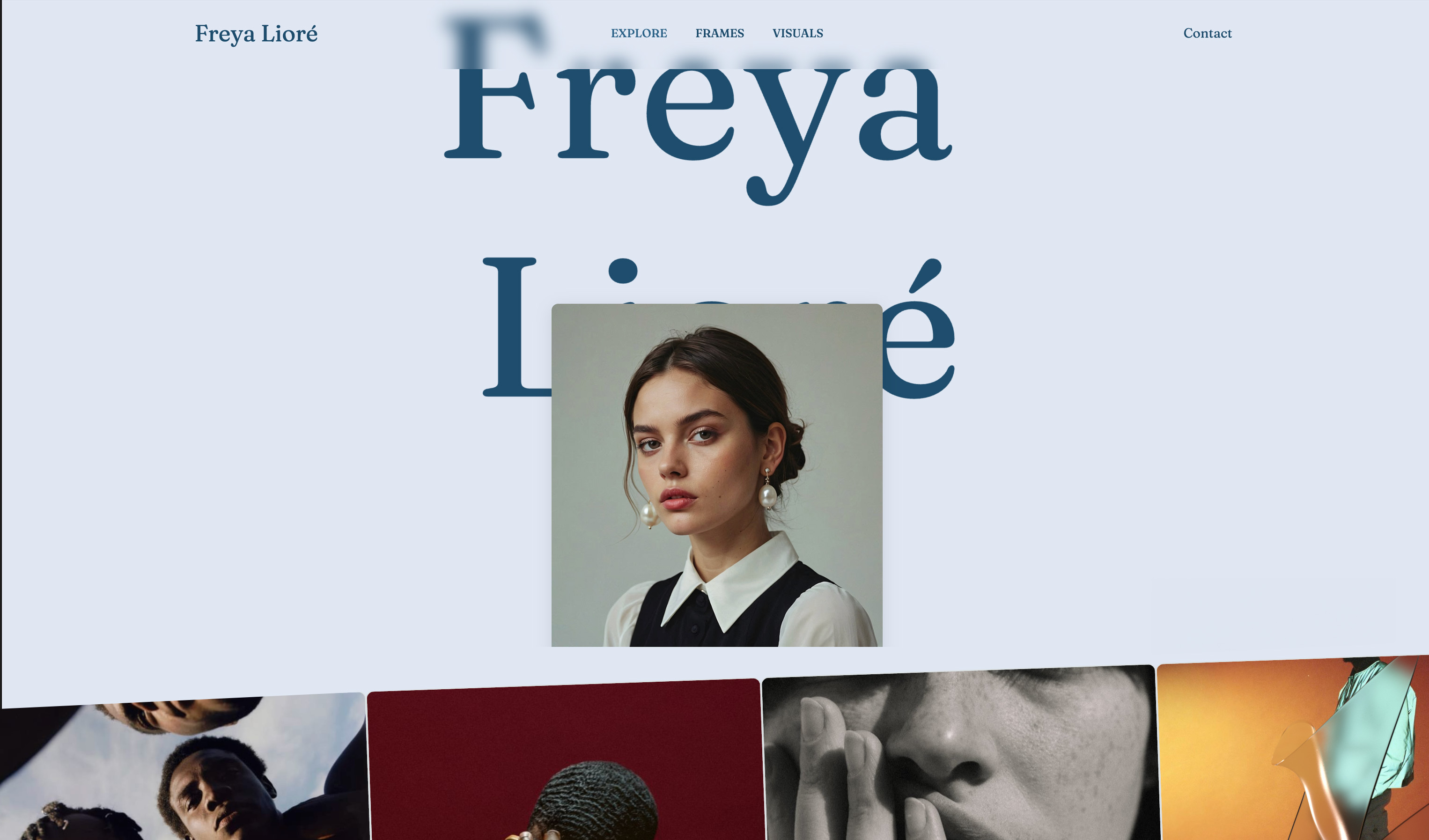
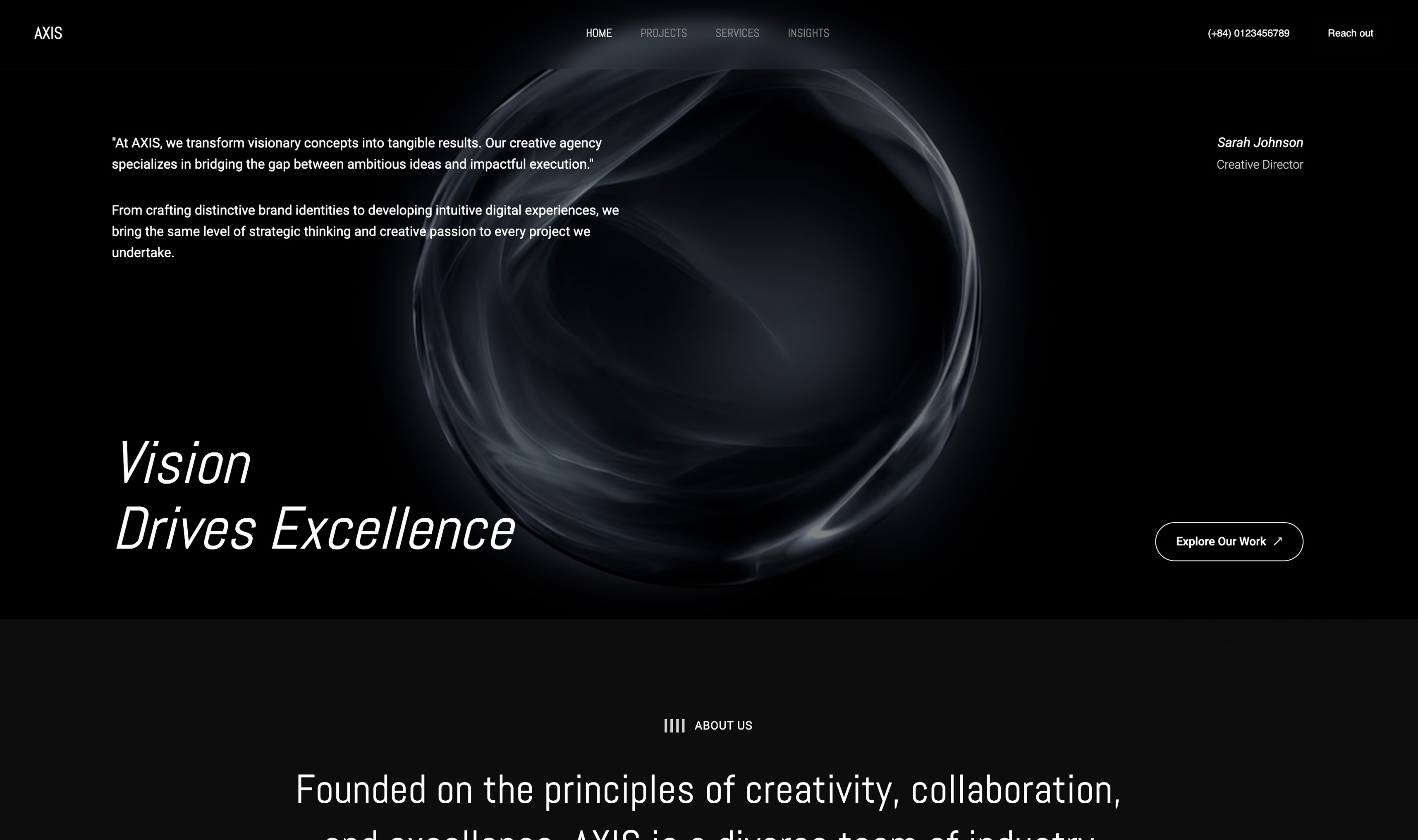
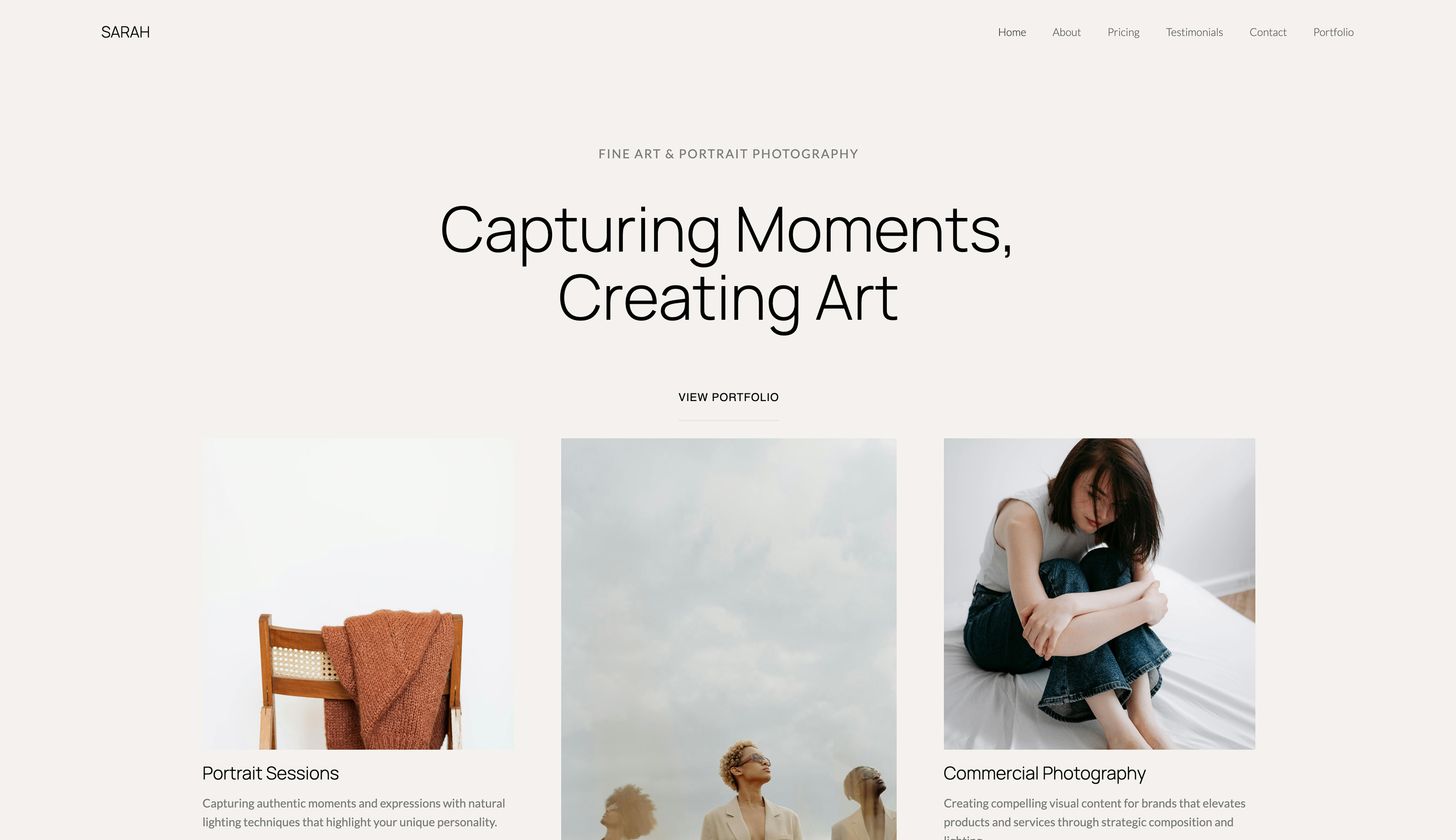
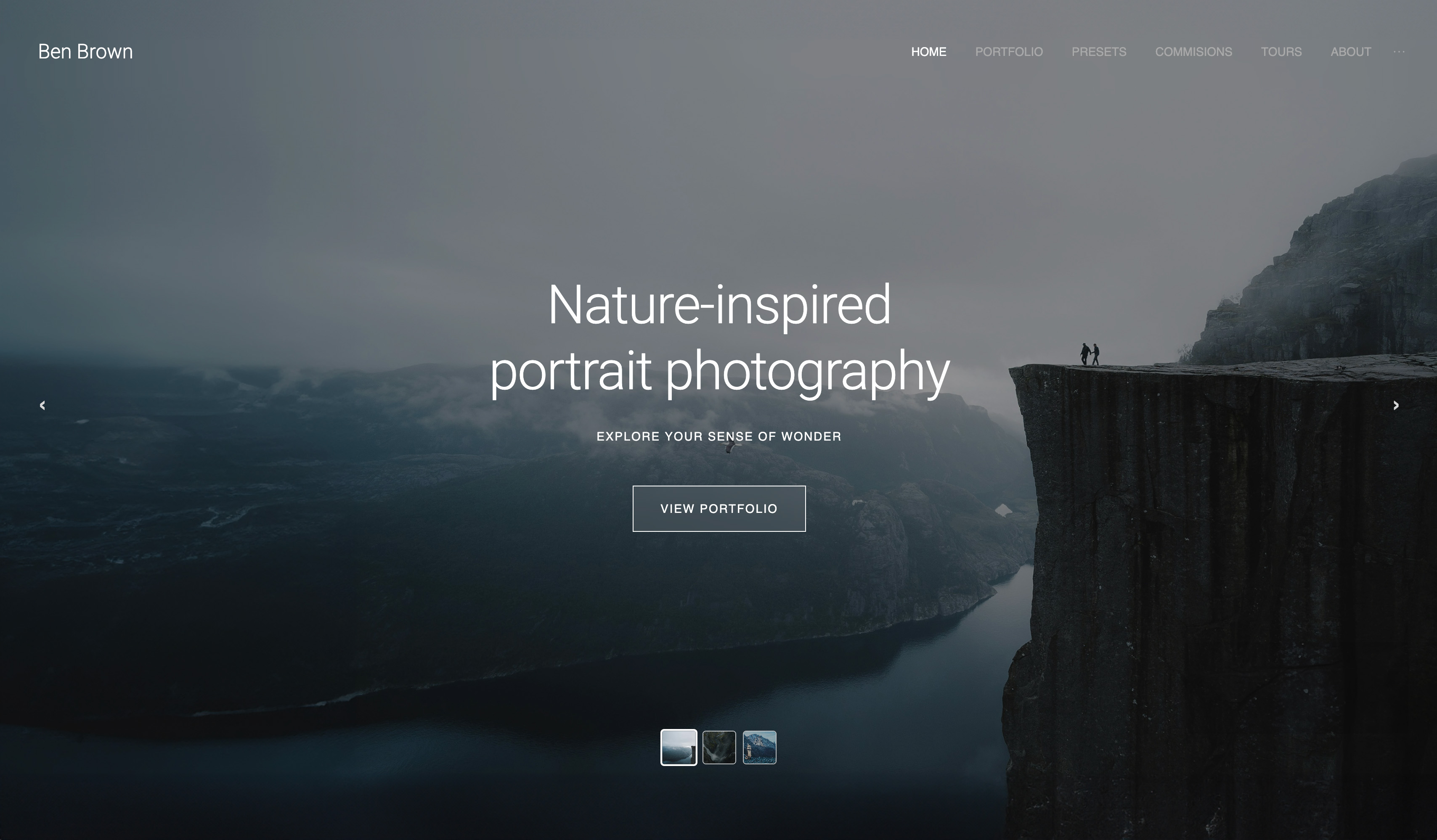
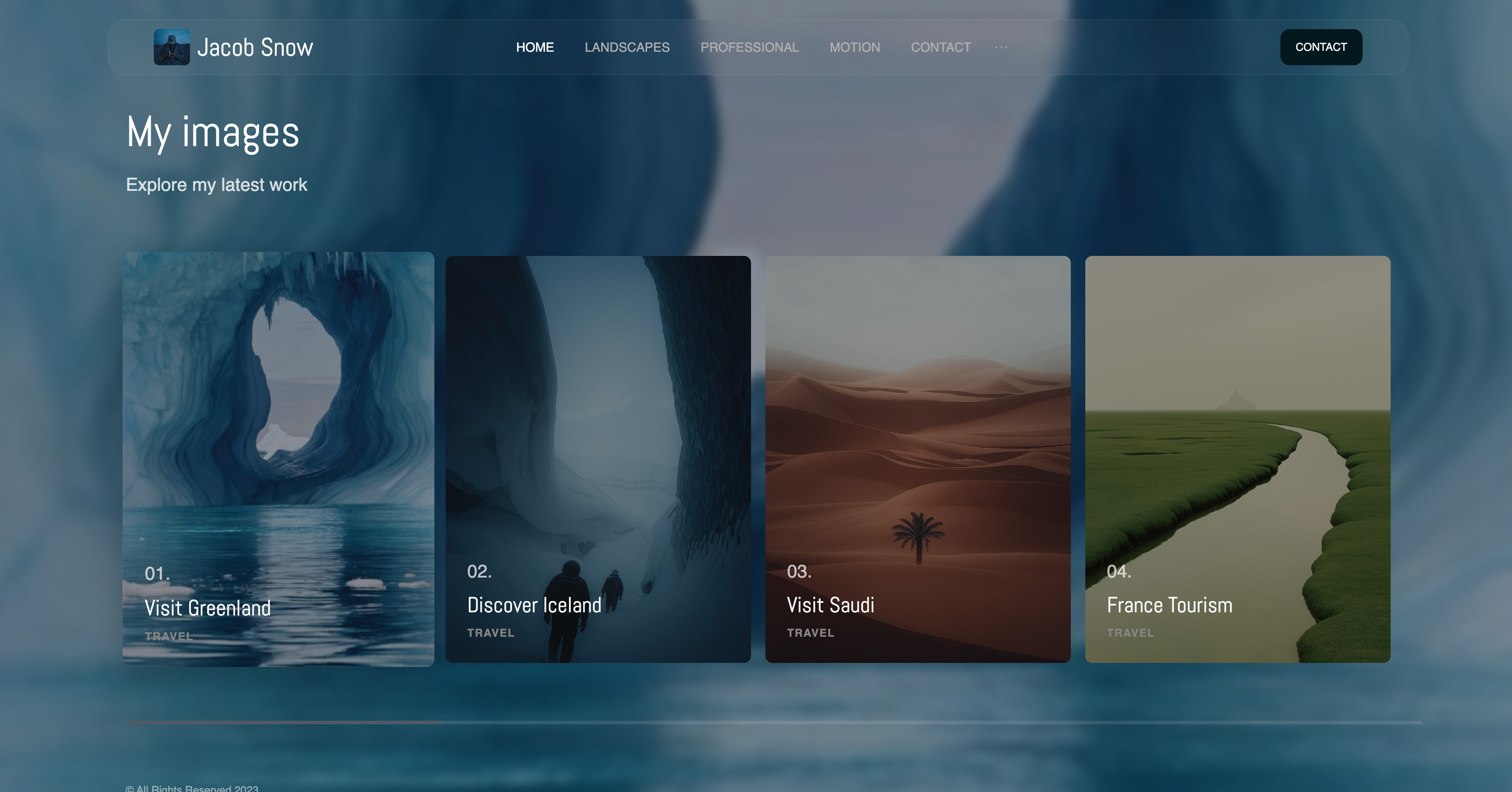
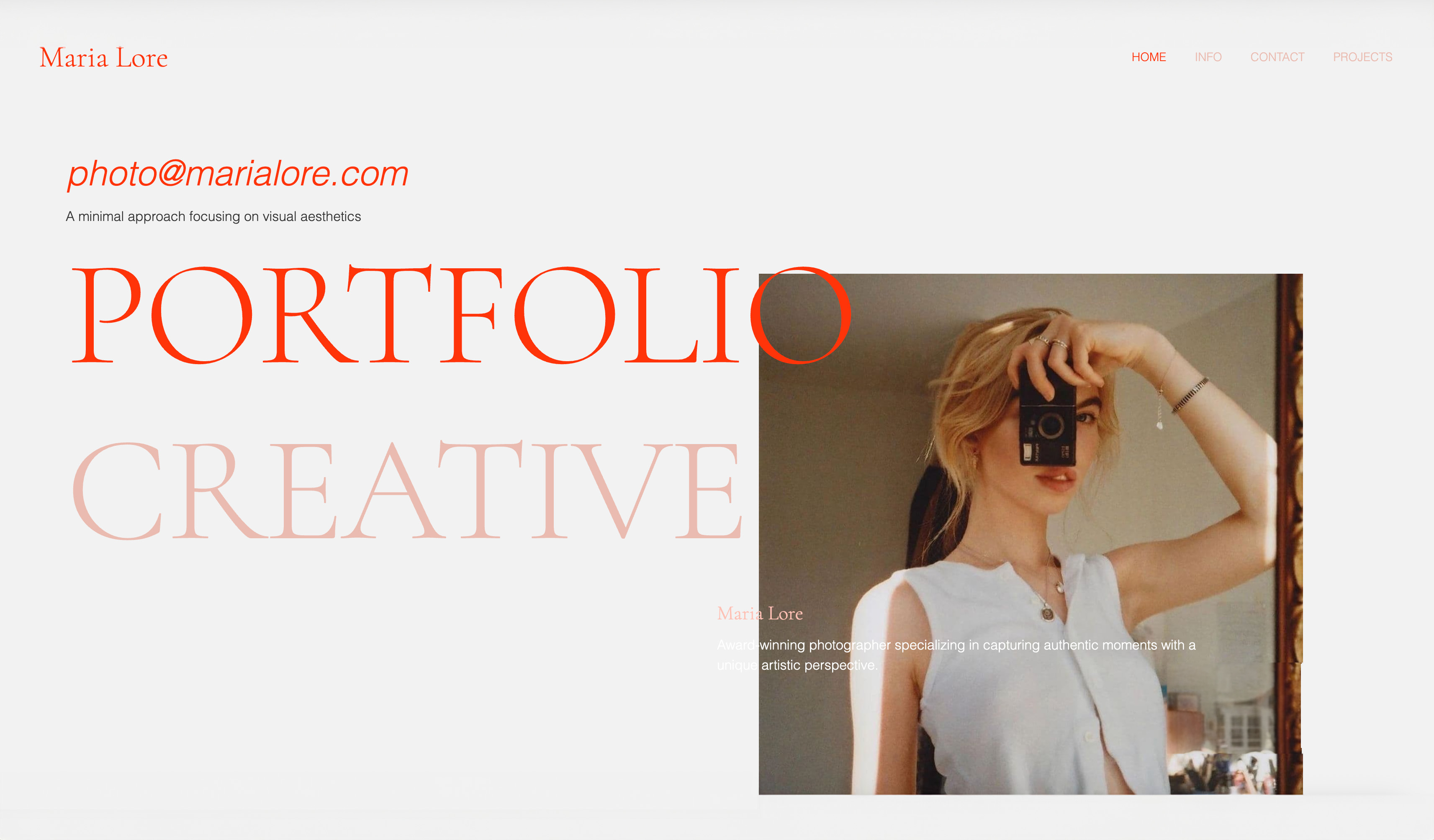
Start from a designer-made template
 Use template
 Use template
 Use template
 Use template
 Use template
 Use template
 Use template
 Use template
You ask a web designer for a quote. The number comes back, and it has a comma in it: two, three, sometimes five thousand dollars or more for a creative site.
Meanwhile an AI website builder sits in another tab, offering to generate a real site this afternoon for nothing. Stated like that, it sounds like an easy call.
It is not quite that simple, and the price tag is the wrong place to start. The honest question is not which is cheaper.
It is what your project genuinely needs, because for some creatives a designer is money well spent, and for most a designer is money spent on something a builder would have done just as well.
This guide is the real comparison: AI website builder vs hiring a web designer in 2026. What each one actually gives you, the true cost over three years, and a clear answer on which is worth it for your situation.
Framekit is an AI website builder that generates the structure, pages, and galleries a creative site needs from a description of your work, which is the part of a build a designer would otherwise spend most of their billed hours on.
For most creatives, an AI website builder is worth it over hiring a web designer.
A builder produces a strong portfolio or marketing site in hours, for free or a low subscription, where a designer costs thousands and takes weeks. Hire a designer for genuinely custom, complex, or brand-critical projects with a budget behind them.
An AI website builder is a tool that generates a finished, editable website from your prompts and your content. Hiring a web designer means paying a professional to design and build the site for you.
They are the two main ways a creative gets a website without coding it themselves, and they suit genuinely different situations, which the rest of this guide maps out.
Quick Comparison
| AI website builder | Hiring a web designer | |
|---|---|---|
| Cost | Free to a low monthly fee | Often $2,000 to $8,000 or more |
| Time to live | Hours | Weeks |
| Design quality | Good, with a strong tool | High, fully bespoke |
| Edits later | You, anytime, free | Pay the designer, or do it yourself |
| Best for | Portfolios and marketing sites | Custom, complex, brand-critical sites |
The table shows the shape of the decision. The designer wins on bespoke design quality. The builder wins on cost, speed, and the freedom to edit. Which of those matters more is the whole question.
What an AI Website Builder Gives You
An AI website builder gives a creative three things a designer cannot match on: speed, cost, and control. Speed, because a real first draft arrives in under an hour rather than after weeks of briefs and revision rounds.
Cost, because most builders have a free tier and paid plans in the low tens of dollars a month, against a designer's project fee.
And control, because every future edit, a new project, a price change, a seasonal refresh, is something you do yourself in minutes, for free, instead of booking your designer's time.
For a standard portfolio or marketing site, that combination covers what most creatives actually need.
Our honest look at whether AI website builders are any good covers how far the strong ones have come.
What Hiring a Web Designer Gives You
Hiring a web designer is not the wrong choice, and it gives you real things a builder does not. You get bespoke design, a site shaped entirely around your brand with no template constraints at all.
You get strategic input, a professional thinking about your positioning, your user journey, and your conversion, not just your layout. You get the work done for you, with no learning curve and none of your own hours spent building.
And for a genuinely complex or unusual project, a designer can build what a builder structurally cannot. Those are real benefits, and for the right project they are worth the price.
The honest issue is that most creative websites are not that project.
What a Web Designer Actually Costs in 2026
In one linea freelance web designer runs roughly $50 to $150 an hour in the US and Western Europe, and a small business site lands between $500 and $3,000 template-based or $3,000 to $10,000 custom, which is a wide enough range that the average is useless and the drivers matter.
Here is the shape of the market, and then the part that explains it.
Hourly. The broad freelance range is $50 to $150 an hour, with beginners at $25 to $50 and senior specialists well above $150.
Geography moves it more than anything else: roughly $80 to $180 an hour in the US and Canada, $50 to $110 in Western Europe, $25 to $60 in Eastern Europe, and $15 to $45 in South Asia.
Per project. A template-based small business site is commonly $500 to $3,000. A custom build is commonly $3,000 to $10,000. Many designers prefer fixed project pricing precisely because the hourly conversation makes clients anxious about scope.
Why those hourly numbers are not a markup. The US Bureau of Labor Statistics puts the median annual wage for web and digital interface designers at $98,090 and for web developers at $90,930 as of May 2024, in its Occupational Outlook Handbook.
A salaried designer on $98,090 costs an employer roughly $47 an hour before benefits and overhead.
A freelancer at $100 an hour is not charging double; they are covering their own taxes, their own benefits, their own software, and the substantial share of their week that is unbilled selling, scoping and admin.
Understanding that changes how you negotiate, because it tells you which parts of a quote have room in them and which do not.
What actually moves your quote. Page count matters less than people expect.
What moves it is whether the content exists, how many stakeholders have opinions, whether the design is custom or adapted, and how many revision rounds are in scope.
A client who arrives with finished copy and one decision-maker gets a materially cheaper project than one who does not, and that is entirely within your control.
What the Quote Does Not Include
In one linethe number on the proposal is the build, and the build is not the whole cost, which is why people who budgeted $3,000 remember spending closer to $5,000.
None of these are a designer behaving badly. They are simply outside what a build quote covers, and they surprise people anyway.
Revisions beyond the agreed rounds. Two or three rounds is standard, and the fourth is billable.
Most overruns start here, and they start because the client did not know what they wanted until they saw what they did not want, which is normal and still costs money.
The content. Almost every quote assumes you supply the copy and images.
Writing your own about page is free and it is also the step that stalls projects for months, and a designer waiting on your text is a designer whose availability has moved on by the time you deliver it.
Hosting and the domain. Separate, ongoing, and yours. Budget roughly $20 a year for the domain after the first and whatever the hosting arrangement is.
Ongoing changes. This is the big one and it deserves its own section below.
The platform subscription, which frequently still applies. A large share of freelance designers build in Webflow, Squarespace or WordPress rather than from scratch, which is sensible and means you are paying the designer's fee and then a platform subscription anyway.
Ask which platform the deliverable lives on before you sign, because the answer determines both your ongoing cost and whether you can edit anything yourself.
The Real Cost Over Three Years
The headline price hides the real picture, so model three years instead. An AI website builder on a paid plan runs roughly a few hundred dollars across three years, and a free plan runs nothing at all.
Hiring a web designer typically starts around $2,000 to $3,000 for a straightforward creative site and climbs from there, as a one-time cost, but it rarely ends there.
Edits, refreshes, and fixes over three years are either billed by the designer or done by you anyway.
So the honest three-year comparison is a few hundred dollars with full self-service on one side, against a few thousand dollars plus a dependency for every change on the other.
For a working creative watching cash flow, that gap is the decision.
Who Should Hire a Web Designer
Hire a web designer if your project genuinely needs one.
That means a truly bespoke brand expression where no template will do, a complex or unusual site, a high-stakes commercial site where a professional's strategic eye pays for itself, or simply a situation where you have the budget and would rather buy back the time entirely.
Studios, established businesses, and creatives whose website is a major revenue driver often fit here. If that describes you, a designer is a sound investment rather than an extravagance, and the cost is the right cost.
Who Should Use an AI Website Builder
Use an AI website builder if you are a creative who needs a portfolio or marketing site that looks professional, you want it soon, and you do not have thousands of dollars set aside for it.
That describes most photographers, designers, filmmakers, artists, and creators, especially in the early and growing stages. For them the builder is not a compromise.
It produces a site good enough to compete, keeps every future edit free and instant, and leaves the budget for cameras, gear, and marketing. For the majority of creatives, the honest answer is the builder.
The related question of building versus hand-coding is covered in our guide on whether to code your portfolio or use a builder.
The Question That Actually Decides This
In one lineask who changes the site in March, because a beautifully designed site you cannot edit becomes a slightly out-of-date site within a year and an actively misleading one within three.
Everything else in this comparison is a matter of budget and taste. This one is structural.
A portfolio is not a finished object. You will add work, change your prices, update your availability, fix a typo, and swap the hero image for something more recent. The relevant question is not who builds it. It is what happens the fifteenth time you need to change something.
If the answer is the designer, price that. At $75 to $150 an hour, a half-hour change is $40 to $75, and the real cost is not the money.
It is that you stop making small changes because each one requires an email, a wait, and an invoice. Sites maintained this way drift out of date not through neglect but through friction.
If the answer is you, ask what you will be editing in. A designer handing over a WordPress install with a page builder is handing you something you can learn.
A designer handing over custom code is handing you something you cannot change without hiring somebody, and that dependency is permanent.
If the answer is nobody, be honest about it now. A site that will not be maintained should be built as cheaply as possible, because the expensive version and the cheap version reach the same state within two years.
The check to run before you sign anything. Ask the designer directly: after handover, how do I change the text on this page, and what does it cost me to add a new project?
A good designer answers immediately and specifically, because they have been asked before. A vague answer is information.

The Hybrid Almost Nobody Proposes
In one linethe framing of builder versus designer is a false binary, and the arrangement that works best for most solo creatives is a builder for the site and a small number of paid designer hours spent on the things a builder genuinely cannot do.
The binary exists because both sides sell one of the two options. Here is the third.
Build the site yourself. Structure, pages, galleries, the shop. This is the part that is now genuinely cheap and genuinely fast, and it is the part a designer would spend most of their billed hours on.
Buy the judgement, not the labour. Two to four hours of a good designer's time, at $100 to $150 an hour, spent on a critique of what you built. What is not working, what to cut, where the hierarchy is wrong.
That is $200 to $600 against a $3,000 build, and for a portfolio it captures a surprising share of the value.
Buy the identity if you do not have one. A wordmark, a type pairing, and a colour direction are the things generation is worst at and a designer is best at, and they carry across your site, your invoices, your decks and your social profiles rather than living only on one page.
Buy an editorial pass on the words. Most creative sites are let down by their copy rather than their design, and a few hours of someone sharpening your homepage line and your services paragraph is better value than a redesign.
What this costs, roughly. A builder subscription at $108 to $468 a year, plus perhaps $500 to $1,500 once for identity and critique.
That is under a quarter of a custom build, it leaves you able to edit your own site, and it spends the designer money on the parts where a human is clearly better.
Who this does not suit. If your website is the product rather than a shopfront for the product, or if you need something genuinely custom, this is a false economy and you should hire properly.
The hybrid is for people whose site needs to be good, not for people whose site needs to be remarkable.
What Most Creatives Get Wrong About This Decision
Two mistakes dominate this decision, and they pull in opposite directions.
The first is hiring a designer out of insecurity rather than need. A creative looks at a few stunning agency sites, decides their own portfolio has to match that ceiling, and commissions a build the project never required.
The result is a beautiful site that cost thousands and does the same job a builder would have done: show the work, get them hired. The money bought a ceiling no client was asking for.
The second mistake is the opposite: refusing to ever consider a designer, even when the project genuinely warrants one, and forcing a complex or brand-critical site through a tool that is not the right fit.
That produces a site which technically exists but quietly underperforms, and the saving turns out to be a false one.
The honest framing avoids both. Match the tool to the project, not to your ego or your thrift.
There is also a useful middle path most creatives never consider: use an AI website builder to build the site yourself, and spend a small amount on a designer for a single consultation, an hour or two of direction on your brand, your structure, and what to fix.
That buys the strategic eye, which is the genuinely scarce thing a designer offers, without paying for the thousands of dollars of production work an AI builder now does well on its own.
For many creatives, that hybrid is the smartest spend of all.
Frequently Asked Questions
Is an AI website builder or a web designer better?
Neither is better in the abstract. An AI website builder is better for most creatives building a standard portfolio or marketing site, because it is faster, far cheaper, and stays editable by you.
A web designer is better for bespoke, complex, or brand-critical projects with a real budget. The right answer depends on what your specific project needs, not on which sounds more professional.
How much does it cost to hire a web designer?
For a straightforward creative website, hiring a web designer typically starts around $2,000 to $3,000 and rises with complexity, with bespoke or larger projects costing considerably more.
That is usually a one-time project fee, but ongoing edits and refreshes add cost over time, billed hourly or handled by you. An AI website builder, by comparison, ranges from free to a low monthly subscription.
Can an AI website builder match a professional designer?
For a standard portfolio or marketing site, a strong AI website builder produces results good enough to compete, especially one whose AI is trained on real design.
It will not match a skilled designer on a fully bespoke, strategically complex project. The honest position is that most creative websites do not need that ceiling, so for them the builder matches what the project actually requires.
When is hiring a web designer worth it?
Hiring a web designer is worth it when the project genuinely needs bespoke design, has real complexity, is commercially high-stakes, or when you have the budget and simply want the time bought back.
Studios and established businesses whose site drives significant revenue are typical cases. If your goal is a clean, professional portfolio, that bar is usually not met, and a builder serves you better.
What is the downside of using an AI website builder instead of a designer?
The trade-offs are that you work within the builder's editor rather than having unlimited bespoke control, you do the building yourself, and you get no outside strategic input on positioning or conversion.
For most creative sites these are minor, and the design control of a good builder is more than enough. For a genuinely bespoke or complex project, they become real limits.
Can I use an AI builder now and hire a designer later?
Yes, and it is a sensible sequence. Use an AI website builder to get a strong, professional site live now, so you are not losing opportunities while you save up.
If your business later grows to the point where a bespoke, designer-built site would genuinely pay for itself, you can commission one then. A live builder-based site today beats a designer-built site you cannot yet afford.
Do I need a web designer for a portfolio website?
For most portfolio websites, no. A portfolio needs to show your work clearly, look professional, and make you easy to contact, and a modern AI website builder does all of that.
A web designer becomes worthwhile for portfolios that are unusually complex or brand-critical, or when you simply prefer to pay for the time saved. The standard creative portfolio does not require one.
How much does it cost to hire a web designer in 2026?
Roughly $50 to $150 an hour for an experienced freelancer, or $500 to $3,000 for a template-based small business site and $3,000 to $10,000 for a custom build.
Geography moves the hourly figure more than anything else, from about $80 to $180 in the US and Canada down to $15 to $45 in South Asia.
The quote covers the build, not the content, the hosting, the domain, revisions past the agreed rounds, or the ongoing changes, and those are where budgets overrun.
Why do freelance web designers charge so much per hour?
Because the hourly rate is not a salary, and the arithmetic is less outrageous than it looks.
The US Bureau of Labor Statistics puts the median annual wage for web and digital interface designers at $98,090 as of May 2024, which is about $47 an hour before an employer's benefits and overhead.
A freelancer at $100 an hour covers their own taxes, benefits, software and the large unbilled share of the week spent selling and scoping. Knowing that tells you which parts of a quote have negotiating room and which do not.
Can I use an AI website builder and hire a designer for part of it?
Yes, and for most solo creatives it is the best-value arrangement available. Build the site yourself, then buy two to four hours of a designer's judgement as a critique, and separately buy an identity if you do not have one.
That is roughly $500 to $1,500 once, against $3,000 or more for a custom build, and it leaves you able to edit your own site. It suits people whose site needs to be good; if your site needs to be remarkable, hire properly.
Who updates my website after a designer builds it?
Ask that before you sign, because it decides more than the design does. If the answer is the designer, price it: at $75 to $150 an hour, small changes cost $40 to $75 each and, more importantly, the friction stops you making them.
If the answer is you, ask what you will be editing in, because a page builder is learnable and custom code is a permanent dependency. A good designer answers this question immediately and specifically.
The Verdict
AI website builder vs hiring a web designer comes down to honestly naming your project. If it is genuinely bespoke, complex, or commercially high-stakes, and you have the budget, a designer is worth every dollar.
If it is a portfolio or a marketing site, which is what most creatives need, an AI website builder wins clearly: a fraction of the cost, hours instead of weeks, and every future edit free and in your own hands.
The designer builds you a site. The builder gives you one you can run. For most creatives reading this, that is the deciding difference.
See our roundup of the easiest AI website builders to start.
_Re-verified July 2026: freelance rate ranges re-checked across current rate guides, and the salary anchor taken from the Bureau of Labor Statistics rather than from a design agency's own marketing._